
Start at the Root: Why Scalp-First Hair Care Beats Strand Fixes
The scalp microbiome hair health connection describes how the living community of bacteria, fungi and other microorganisms on your scalp controls inflammation, barrier strength and oil balance, shaping how well hair grows and how resilient, shiny and manageable it becomes over time. For years, most routines have chased strand problems—frizz, split ends, dullness—while ignoring the skin those strands grow from. That approach is backwards. When your scalp barrier is irritated or congested, every issue you see later in the mirror has already been set in motion at follicle level. Experts argue for scalp-first hair care, not strand-only masks and quick-fix serums, because a healthy scalp foundation produces stronger, more resilient hair that responds better to any product you put on it. Treat your scalp as the starting point, not an afterthought, and your styling products suddenly have far less damage to hide.
Your Scalp Microbiome Changes Over Time—and Your Hair Follows
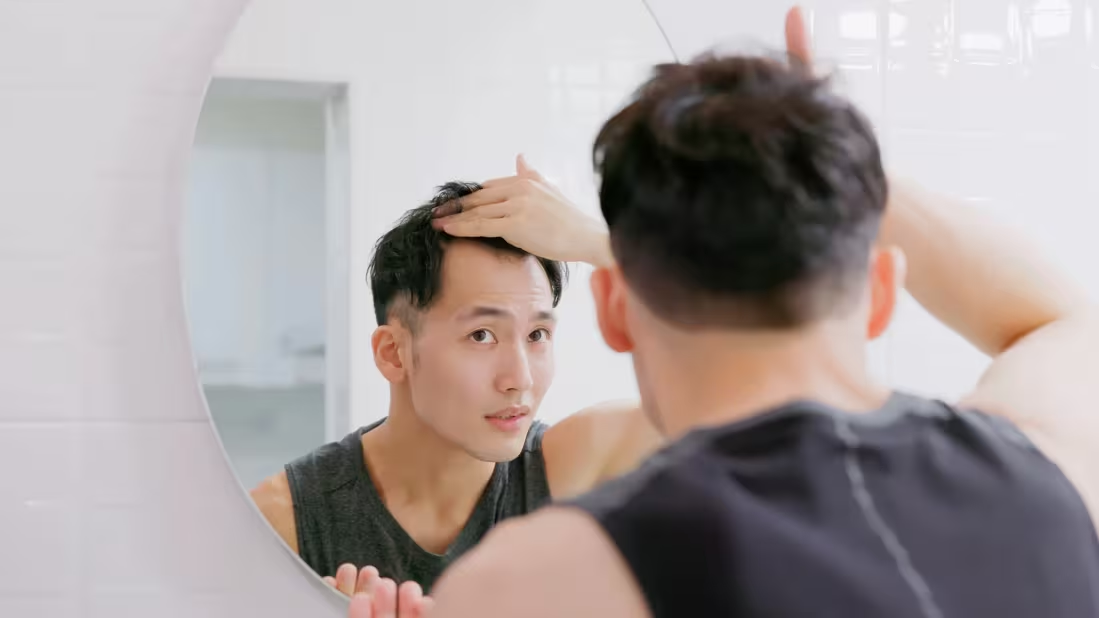
The scalp’s microbiome is central to its health: when it is balanced, it supports the scalp barrier, regulates inflammation and maintains a stable environment for hair growth; when disrupted, it can contribute to dandruff, irritation or excess oiliness. That balance is not fixed. Hormones, stress, styling habits and even how often you shampoo can shift the scalp environment, and those shifts change hair quality long before you notice it in the mirror. As the scalp changes over time, it directly impacts hair growth and condition, setting up whether new strands emerge strong or fragile, glossy or rough. A calm, balanced microbiome means healthier follicles, which are more likely to produce stronger, healthier-looking hair; an inflamed, imbalanced one lays the groundwork for thinning, breakage and dullness. Ignoring these shifts is why many people feel their hair “suddenly” worsened—when in reality, their scalp had been signalling trouble for months.
Frizz, Damage, Thinning: Why a Scalp-First Strategy Works Better
Most of us reach for heavier conditioners, masks or bond-repair treatments when we see frizz or damage, but a more scalp-focused approach can give better results. When the scalp is balanced, follicles produce hair that is more uniformly structured, which shows up as less frizz, better curl pattern and stronger strands that resist wear. A balanced microbiome helps support the scalp barrier and regulate inflammation; when that balance is disturbed, problems like excess oil, dandruff and sensitivity appear—and these go hand in hand with issues like limp volume, mid-length breakage or stress-related shedding. Tackling thinning with volumizing sprays while ignoring an inflamed scalp is like repainting a wall with rising damp: cosmetic, not corrective. Rotating shampoos to match shifting concerns—clarifying for buildup, soothing for sensitivity, strengthening for shedding—is an effective way to treat multiple issues simultaneously instead of overloading ends while the root cause goes untouched.
Match Ingredients to Your Scalp Type, Not Just Your Hair Type
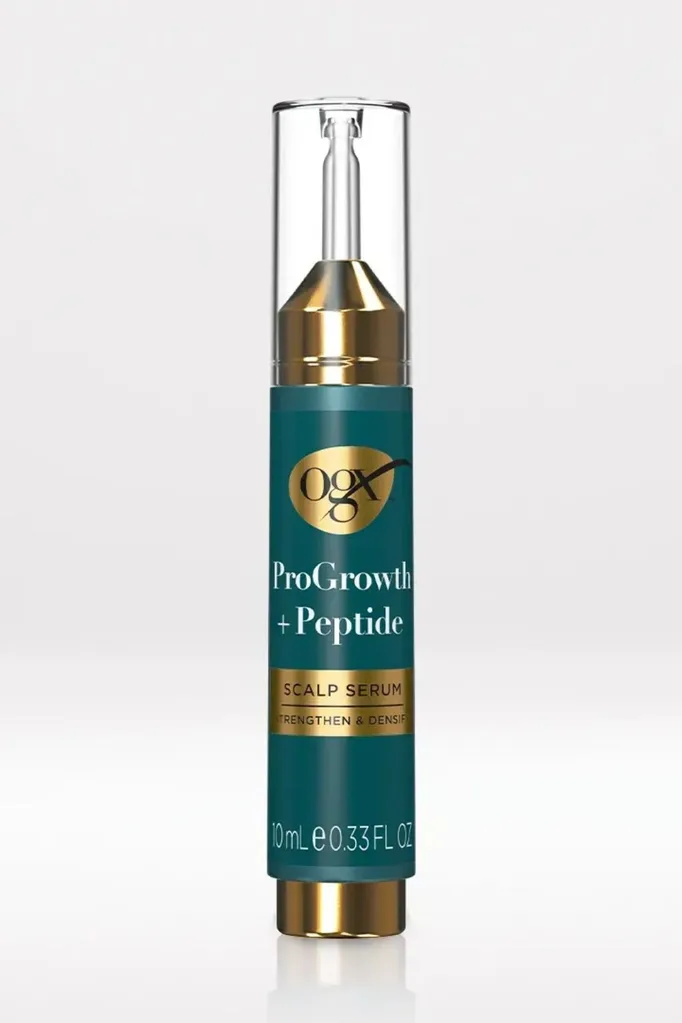
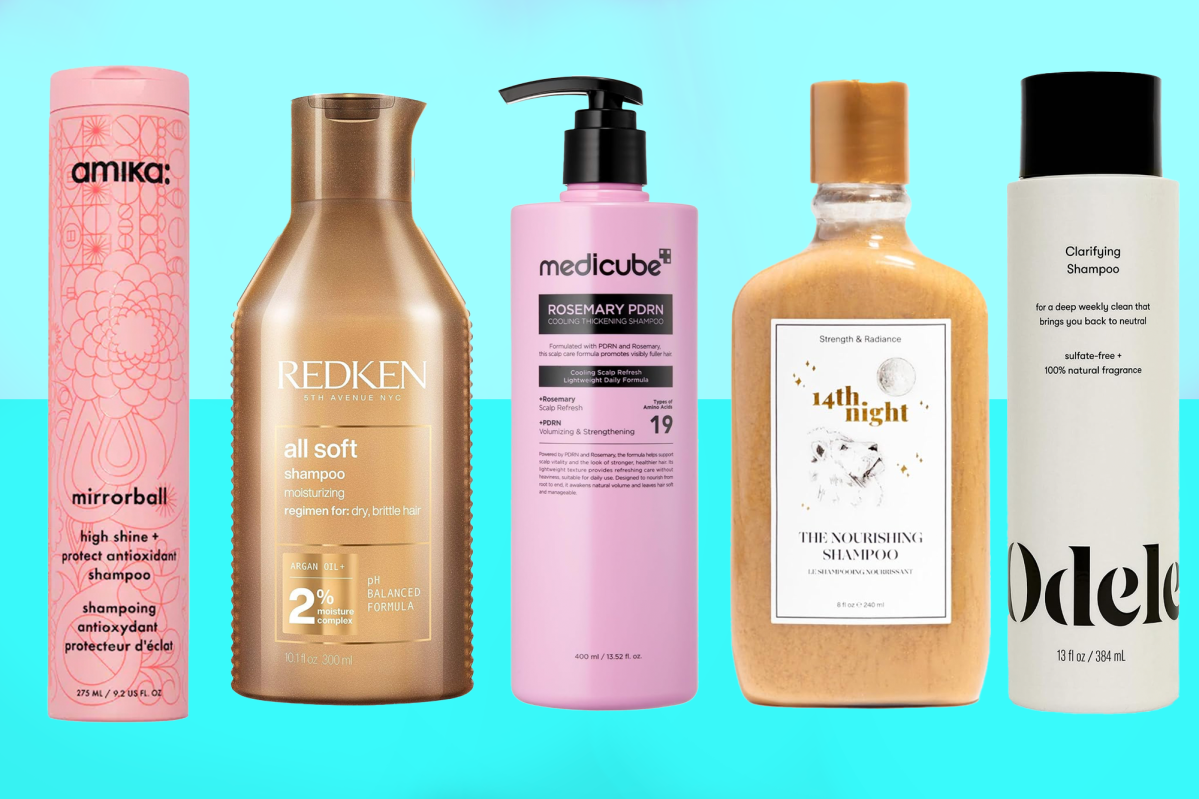
Choosing products with the right ingredients for your scalp type creates better results across all hair types and needs. Hair type still matters—fine hair tends to show oiliness faster, while curly hair is prone to dryness—but the real leverage comes from reading your scalp first. According to trichologist Lena Hovardas, “Niacinamide, peptides, caffeine, panthenol and salicylic acid are excellent for supporting scalp and hair health.” Niacinamide can help support the scalp barrier and regulate excess oil production, while targeted exfoliants such as salicylic acid clear congestion that feeds dandruff and irritation. Meanwhile, consumer testing shows that rotating shampoos when one “no longer works for your needs” is a practical way to keep up with changing concerns rather than forcing a single formula to do everything. Scalp-first product choices do not replace good conditioners or masks; they set the stage so those strand-focused formulas can work efficiently instead of fighting an unhealthy environment.
From Curly Frizz to Damaged Ends: How Scalp Health Explains What Works
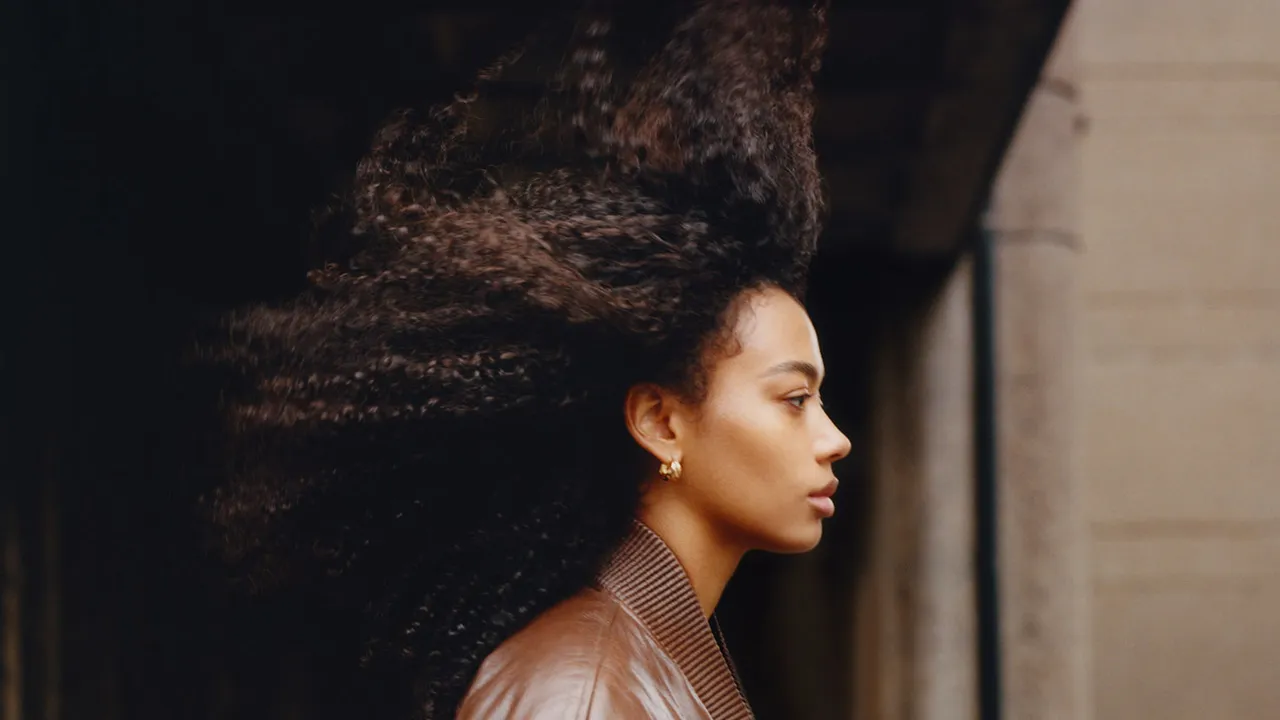
Understanding scalp health clarifies why some conditioners and treatments perform miracles on one head of hair and flop on another. The same ingredient logic that governs your skincare routine applies to hair and scalp: barrier-supporting actives, humectants and exfoliants need to match the underlying condition, not just the visible texture. Curly hair, prone to dryness, often thrives when the scalp microbiome is balanced and the barrier intact, allowing natural oils to travel more evenly; in that state, anti-frizz conditioners and hydrating masks can refine curl pattern instead of compensating for chronic scalp dehydration. Fine, easily oily hair benefits from gentle, frequent cleansing that respects microbiome balance while preventing congestion that weighs down new growth. A healthy scalp foundation creates the environment for stronger and healthier hair growth in the long term. When you shift your thinking from “Which mask fixes my ends?” to “What keeps my scalp balanced?”, you move from patching problems to preventing them.