
Verdict Up Front: A High-Maintenance Lifesaver for High-Maintenance Hair
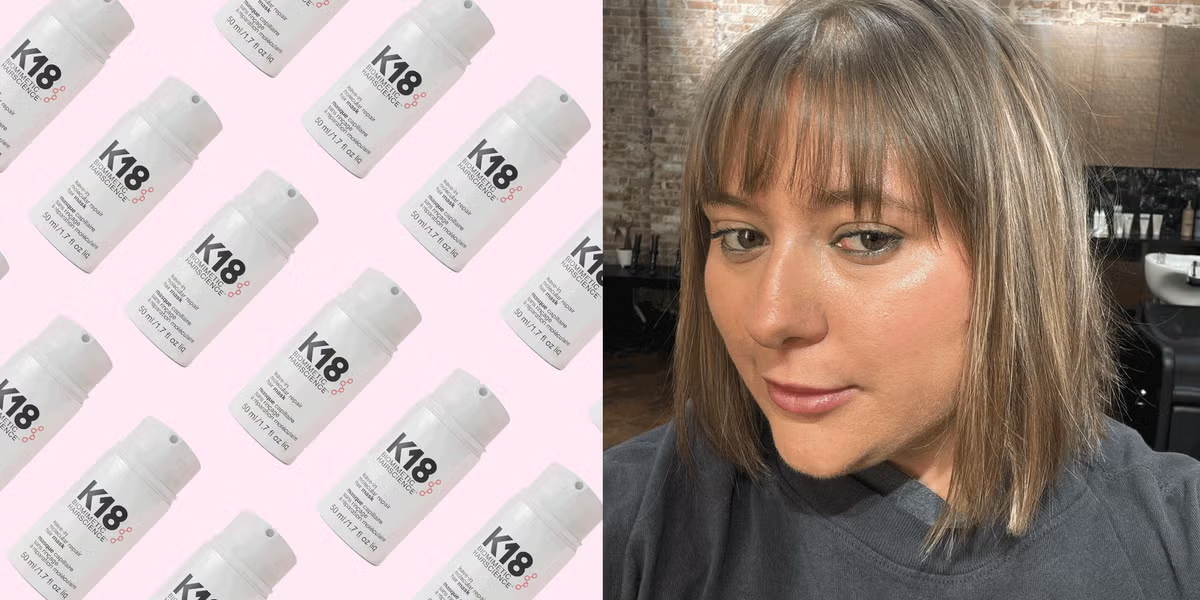
K18 is a leave-in bond repair treatment that uses a patented biomimetic peptide to reconnect broken protein chains inside damaged hair, helping restore strength, elasticity, and softness over time even with ongoing bleach and heat exposure. In practice, it lives up to most of the hype. For severely compromised, color-treated hair, I would call it the best hair mask for damage if your budget can handle frequent use and you understand that it repairs structure, not moisture. Six-plus years of continued use on hair exposed to bleaching, box dye, and hot tools still produce visible smoothing, less snapping, and more resilience, which is rare for any viral product. If your hair is mildly dry or you want a soft, buttery mask moment, though, this is overkill and overpriced.
How K18’s Bond Repair Technology Works (and Why It Lasts)
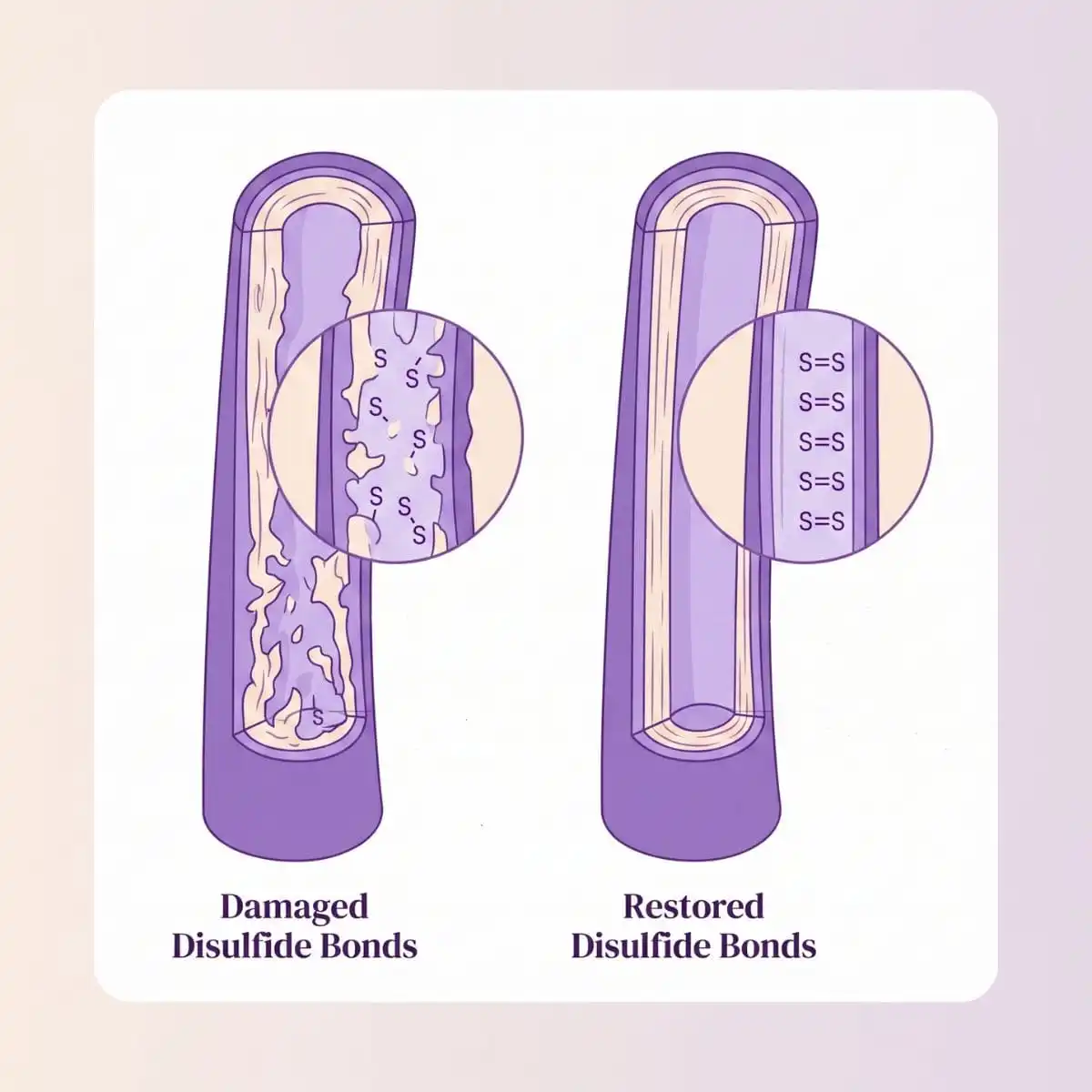
Bond repair treatment is about fixing broken links in the hair’s keratin protein, not coating frayed strands with silicone. Hair is mostly keratin, held together by disulfide, hydrogen, and ionic bonds; bleach, color, perms, and heat break those bonds and leave hair brittle and porous. Many systems use small molecules to reconnect disulfide bonds or acids to lower pH and reinforce the protein network, boosting tensile strength and reducing protein loss over time. K18 takes a third route with its K18PEPTIDE™, a biomimetic peptide developed by scanning the keratin genome to mimic hair’s natural structure, designed to reconnect both polypeptide chains and disulfide bonds simultaneously. Because this peptide integrates into the hair fiber instead of sitting on the surface, the brand says it does not wash out like typical conditioners or masks, which explains why long-term hair restoration results keep building rather than plateauing.
Real-World K18 Hair Repair Results After Years of Damage
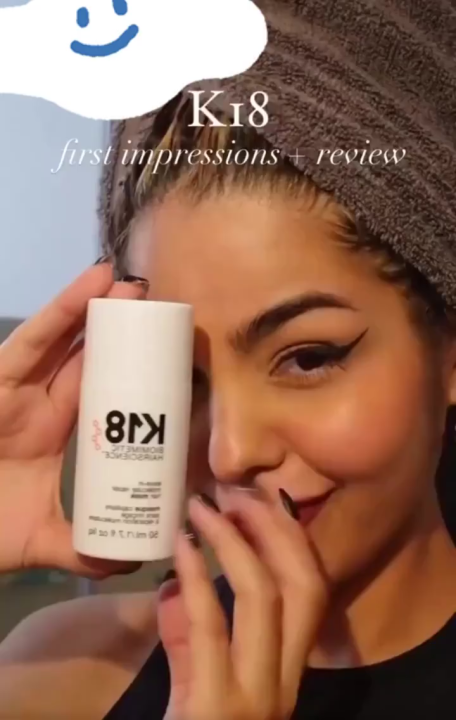
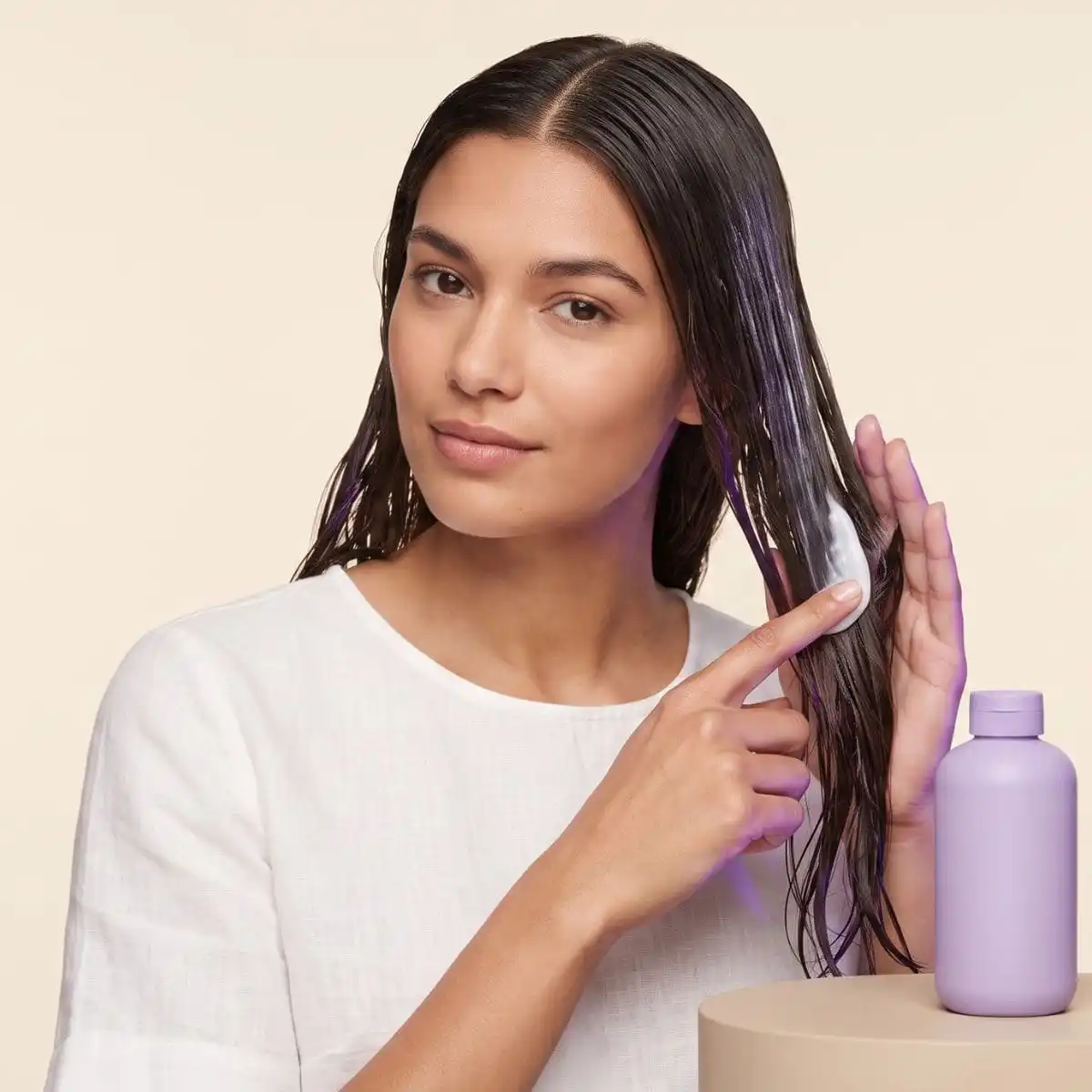
Application is simple but specific: shampoo, skip conditioner, apply K18 to damp hair, wait four minutes, then style without rinsing; it replaces your conditioner step. Many users report that you can potentially see a difference after your first use, with noticeably softer hair and sealed-looking ends. The most dramatic K18 hair repair results show up after four to six uses, with smoother cuticles, fewer flyaways, and hair that behaves more like it did before repeated bleach and flat irons. One long-term user has relied on K18 since it launched, saying, “the results over time have been the most impressive,” even though their hair hasn’t grown much longer. Six years after launch, an entire team of professional product testers still depends on it, which supports the claim that the peptide’s effects are cumulative and durable with consistent use.

K18 vs Olaplex, Redken, and L’Oréal: Does It Outlast the Competition?
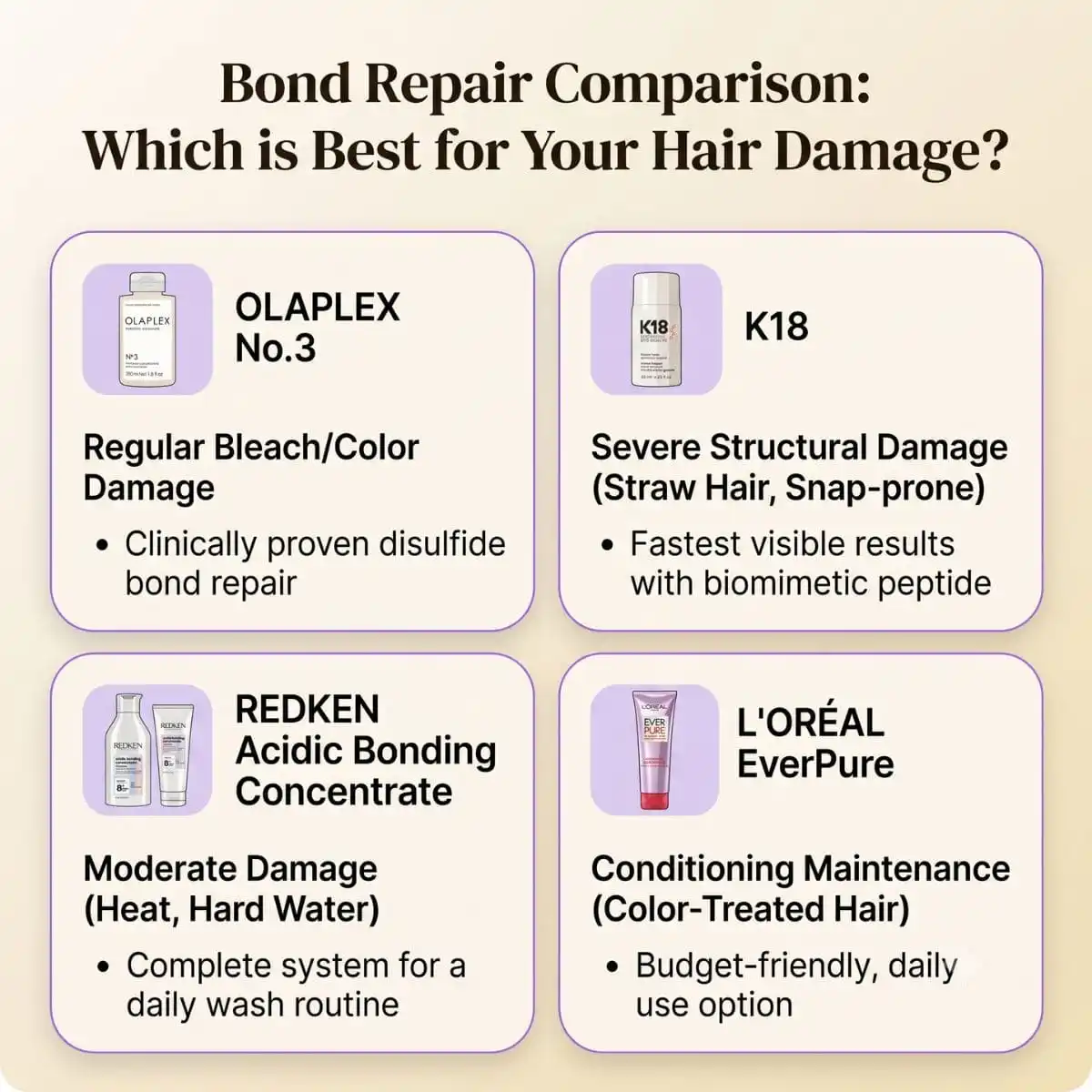
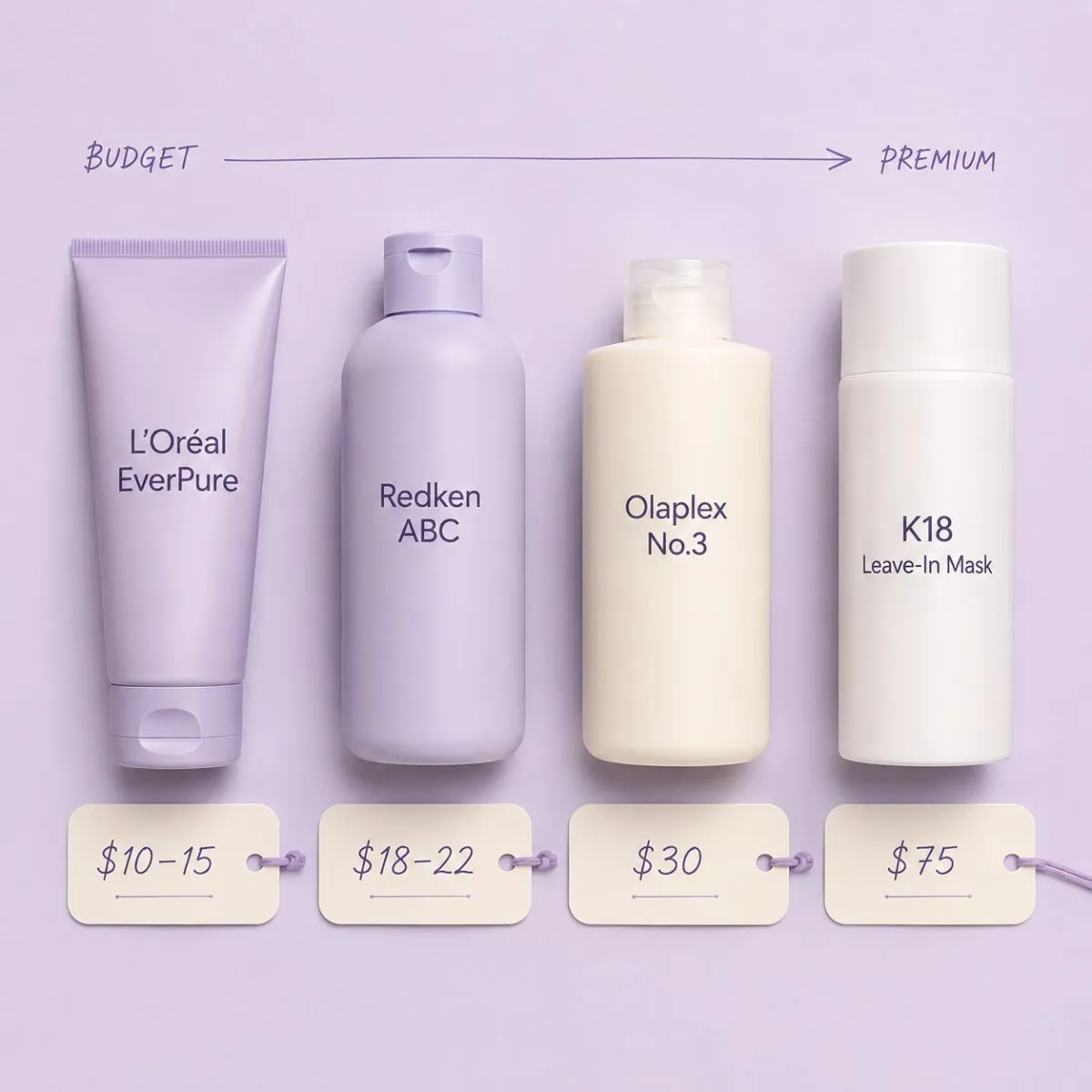
To judge K18’s staying power, you need to look at what competing systems target. One major brand uses bis-aminopropyl diglycol dimaleate to bridge broken disulfide bonds specifically, and its popular at-home treatment is a pre-shampoo mask that you rinse out after 10–90 minutes. Acid-based bond systems from salon and drugstore lines focus on citric acid technology that lowers the hair’s pH, reinforcing the protein network through non-covalent bonds and reducing calcium buildup from hard water by 21–42%, which improves strength and feel. Research shows these organic acid crosslinkers can measurably improve tensile strength and reduce protein loss in damaged hair. K18’s edge is breadth and persistence: its peptide claims to repair both disulfide and polypeptide bonds and integrate into the fiber so it does not rinse away. For ongoing bleach and chemical services, that deeper, multi-bond approach explains why K18 keeps delivering long-term hair restoration where simpler bond builders plateau.
Where K18 Excels
- Targets both disulfide and polypeptide (keratin chain) bonds for broader structural repair.
- Biomimetic peptide integrates into hair fiber instead of rinsing off, supporting long-term results.
- Works within four minutes and replaces conditioner, saving time on wash days.
- Can be used once a week for ongoing strength, cutting down on complicated treatment schedules.
Where K18 Disappoints
- The leave-in mask costs USD 75 (approx. ₱4,200) for 1.7 oz, making it one of the most expensive options.
- Skipping conditioner can leave hair tangled on first use, especially for coarse or curly textures.
- Your hair can feel dry afterward because K18 repairs structure rather than adding moisture.
- Results are cumulative, so severe damage still takes weeks of consistent use to noticeably improve.
Who Is K18 Really For?
K18 launched with a bold promise to reverse bleach damage in four minutes, which sounds like classic viral-product exaggeration. However, real-world durability testing—from professional color clients to home box-dye users and even forum posts reporting visible improvement after one use on severely bleached ends—shows that it holds up under extreme scenarios. Bond builders as a category aim to strengthen hair from the inside out instead of making it feel better for a day, and K18 behaves like a supercharged version by working deeper and repairing every form of damage rather than working on only one bond type. The trade-off is cost and comfort: it is a high-priced, slightly fussy step that will not give that rich, slippery, conditioner feel. If you use heavy bleach, perms, or chemical services often, though, this is one of the few treatments whose performance matches its viral reputation over years, not weeks.
- Buy the K18 Leave-In Molecular Repair Mask if your hair is severely damaged from bleach, color, chemical services, or constant heat and you need structural repair, not a temporary softening effect.
- Skip the K18 Leave-In Molecular Repair Mask if your hair is only a bit dry and you mainly want a rich, hydrating conditioner experience rather than internal bond repair.
- Buy the K18 Leave-In Molecular Repair Mask if you already use or are considering bond repair treatment systems and want a faster, four-minute, leave-in option that replaces your conditioner step.
- Skip the K18 Leave-In Molecular Repair Mask if your budget cannot stretch to USD 75 (approx. ₱4,200) for 1.7 oz and you prefer more affordable citric-acid bond systems.
- Buy the K18 Leave-In Molecular Repair Mask if you are willing to commit to multiple uses—at least four to six applications—to see the most impressive long-term hair restoration results.
- Skip the K18 Leave-In Molecular Repair Mask if your hair tangles easily and you dislike skipping traditional conditioner, especially if you have coarse or curly textures.