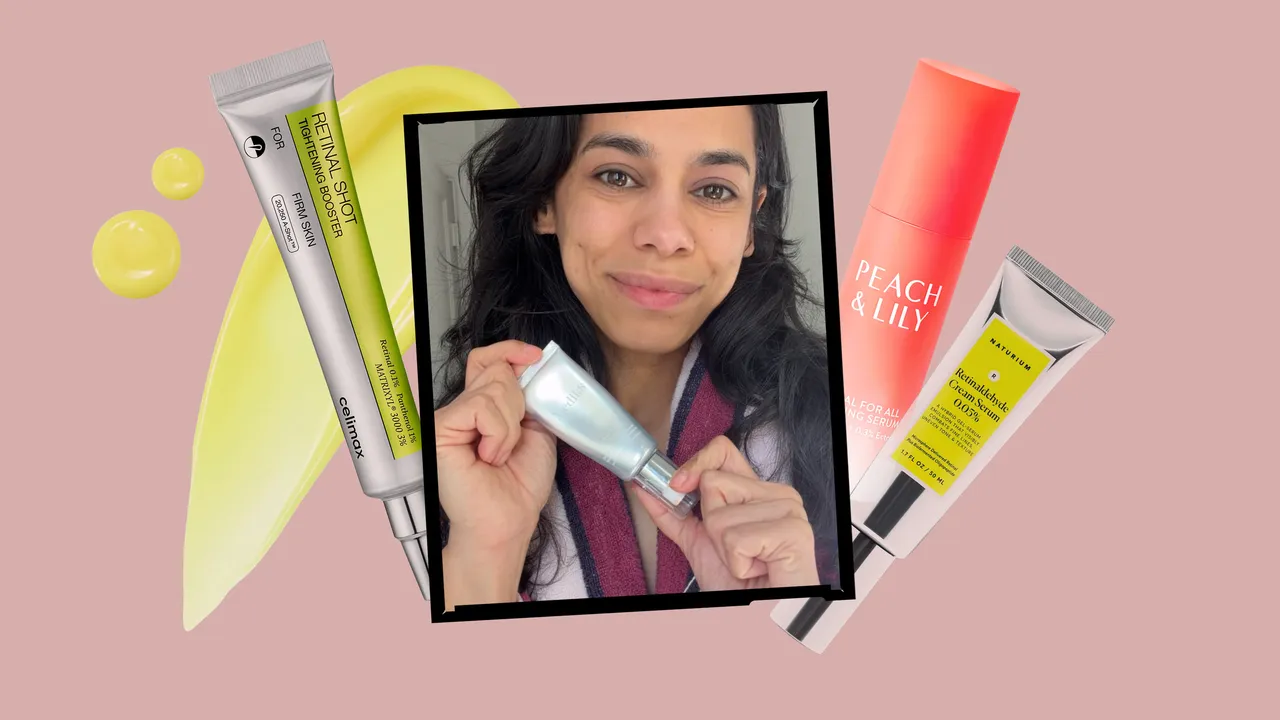

Retinal vs. Retinol: The Core Difference in Anti-Aging Speed
Retinal vs retinol describes a comparison between two vitamin A anti-aging actives, where retinol is a widely used starter ingredient that requires more conversion steps in the skin, while retinal is a next-generation, more potent form that sits closer to active retinoic acid and therefore tends to deliver faster visible improvements in fine lines, texture, and clarity when introduced and used correctly. If you want the bottom line: retinol suits beginners and highly sensitive skin, while retinal serums shine for experienced users looking for quicker fine lines treatment and more noticeable results without jumping straight to prescription-strength formulas.
| Spec | A | B |
|---|---|---|
| Active type | Retinol (vitamin A derivative) | Retinal (vitamin A derivative) |
| Conversion to retinoic acid in skin | Two steps | One step |
| Relative speed for fine lines treatment | Gradual results | Faster results |
| Typical user profile | Retinoid beginners, sensitive skin | Experienced users, deeper wrinkles or pigmentation |
| Irritation potential vs prescription retinoids | Milder than prescription | Less irritation than many prescription-strength options |
How Retinol Works: Reliable, Slower, and Beginner-Friendly
Retinol is the classic entry point into anti-aging actives for good reason: it is effective, widely available, and more forgiving than stronger vitamin A forms. Because it must convert through two steps before becoming retinoic acid, its action on fine lines, uneven texture, and pigmentation is slower and more gradual. According to dermatologists cited by Allure, retinol is a great place to start if you have sensitive skin or are brand-new to retinoids, making it a sensible first move before experimenting with the best retinal serums or prescription products. Expect to pair retinol with barrier-supporting ingredients such as niacinamide and vitamin E, similar to how some mature skincare formulas combine brighteners and hydrators to improve clarity over two to four weeks while keeping irritation in check.
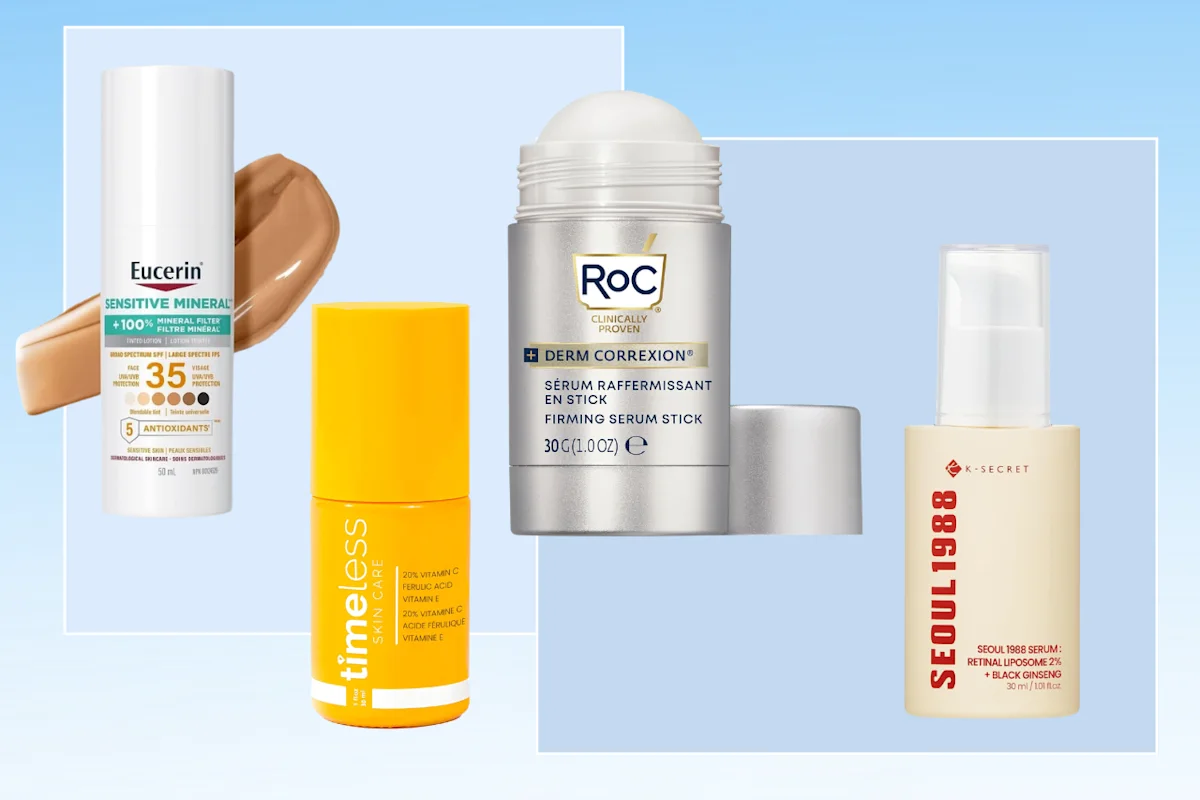
Retinal Serums: Next-Generation Speed for Fine Lines Treatment
Retinal serums are positioned as retinol’s next-generation alternative, designed for people who want faster, more dramatic anti-aging results. Retinal is one step closer to retinoic acid, the form your skin uses, so it typically smooths fine lines and improves clarity more quickly than traditional retinol formulas. Allure notes that while retinol needs two conversions to become active, retinal needs only one, so you often see quicker improvements in wrinkles, texture and dark spots without jumping to prescription-strength options. This added potency makes retinal ideal for mature skin already tolerating retinol, as well as for people managing more stubborn pigmentation or acne scarring alongside lines. Still, retinal can feel more intense than basic retinol, so you must introduce it slowly and buffer it with gentle hydrators to keep your barrier steady.
Choosing for Your Skin Type and Routine Safety
The best choice between retinal vs retinol depends less on hype and more on your skin’s current tolerance and goals. If you are new to anti-aging actives, have reactive or dry skin, or already struggle with redness, retinol is safer: you can build up slowly, layer supportive ingredients like niacinamide, vitamin C derivatives, alpha-arbutin, tranexamic acid, and vitamin E, and still see visible brightening and texture gains over a few weeks. Retinal serums make more sense if you have used retinol without major irritation and now want faster fine lines treatment, clearer tone, and better support for deeper wrinkles or obvious pigmentation. Regardless of which you pick, both ingredients demand a cautious introduction—starting a few nights per week—and strict daily sunscreen, because vitamin A actives make skin more vulnerable to UV damage, undermining any anti-aging progress if protection is skipped.
Buy if / Skip if
- Buy the retinal serum if you already tolerate retinol and want faster improvement in fine lines and uneven tone.
- Skip the retinal serum if your skin is highly sensitive, easily irritated, or completely new to vitamin A products.
- Buy the retinol product if you are beginning an anti-aging routine and prefer gradual, lower-intensity results.
- Skip the retinol product if you have plateaued on results and need a more potent option for deeper wrinkles or pigmentation.
- Buy the retinal serum if you can commit to sunscreen every morning and a careful, slow introduction schedule.
- Skip the retinol product if you expect overnight changes; its benefits build gradually over consistent use.
- Buy the retinol product if you want to pair vitamin A with barrier-friendly brighteners and hydrating ingredients.
- Skip the retinal serum if you rarely use SPF, as the added potency increases the risk of sun-related damage.