
One brand, two philosophies: what Iris and Vanguard are really about
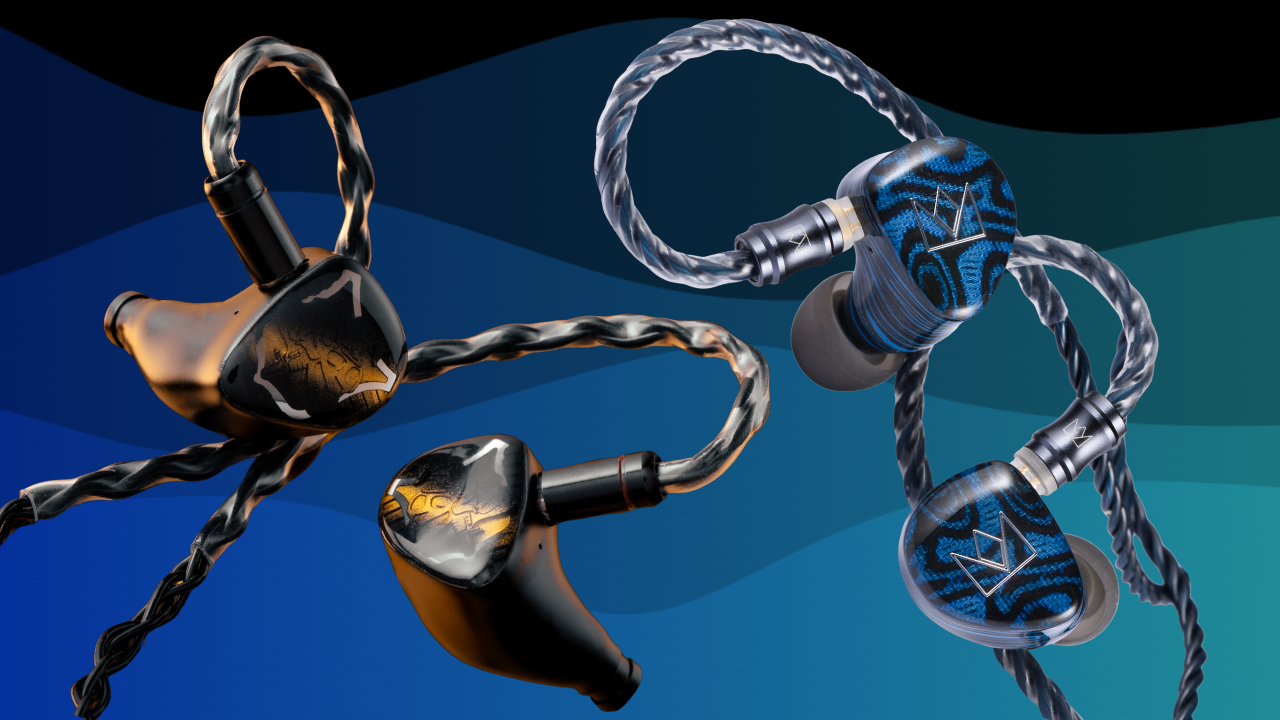
Noble Audio Iris and Vanguard are wired in-ear monitors that express two contrasting design philosophies: Iris as a purist single-driver IEM and Vanguard as a hybrid multi-driver evolution, aimed squarely at listeners who treat their earphones as reference-grade tools rather than casual accessories.
The key takeaway is blunt: Noble Audio IEMs are no longer about climbing a single ladder of price and specifications; they are about picking a side in a long-running hi-fi debate. Iris asks you to trust one meticulously executed dynamic driver to do everything, in the name of coherence and flow. Vanguard argues that smart, iterative multi-driver engineering—born from the commercial success of Knight—can give you controlled bass, articulate mids, and extended treble without abandoning musical unity. This Iris Vanguard comparison is less a sibling rivalry and more a referendum on what “premium in-ear monitors” should prioritize: minimalism or configuration depth.
Iris: the case for single-driver, full-range focus
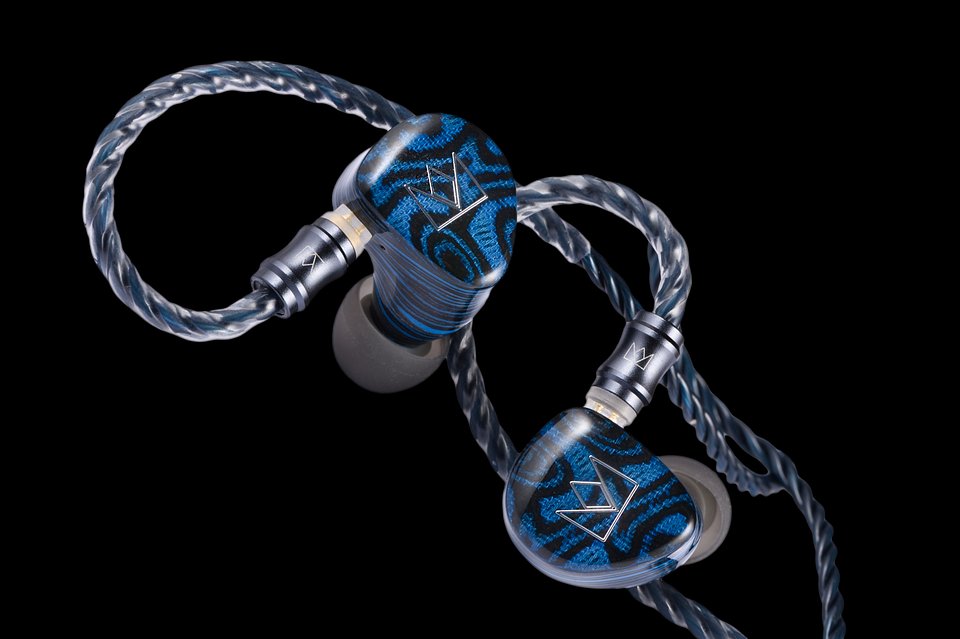
Iris is Noble’s manifesto for single driver IEMs: “One Driver. One Vision.” is not a slogan, it is a constraint they lean into. Built around a custom 10.2 mm dynamic driver with a three-layer PU and PEEK diaphragm and a dual neodymium iron boron magnet system, Iris aims to deliver bass, mids, and treble from a single full-range source with minimal internal complication. The triple sound chamber design shapes airflow and imaging so the tuning feels connected rather than dissected, trading showy separation for natural placement of vocals and instruments.
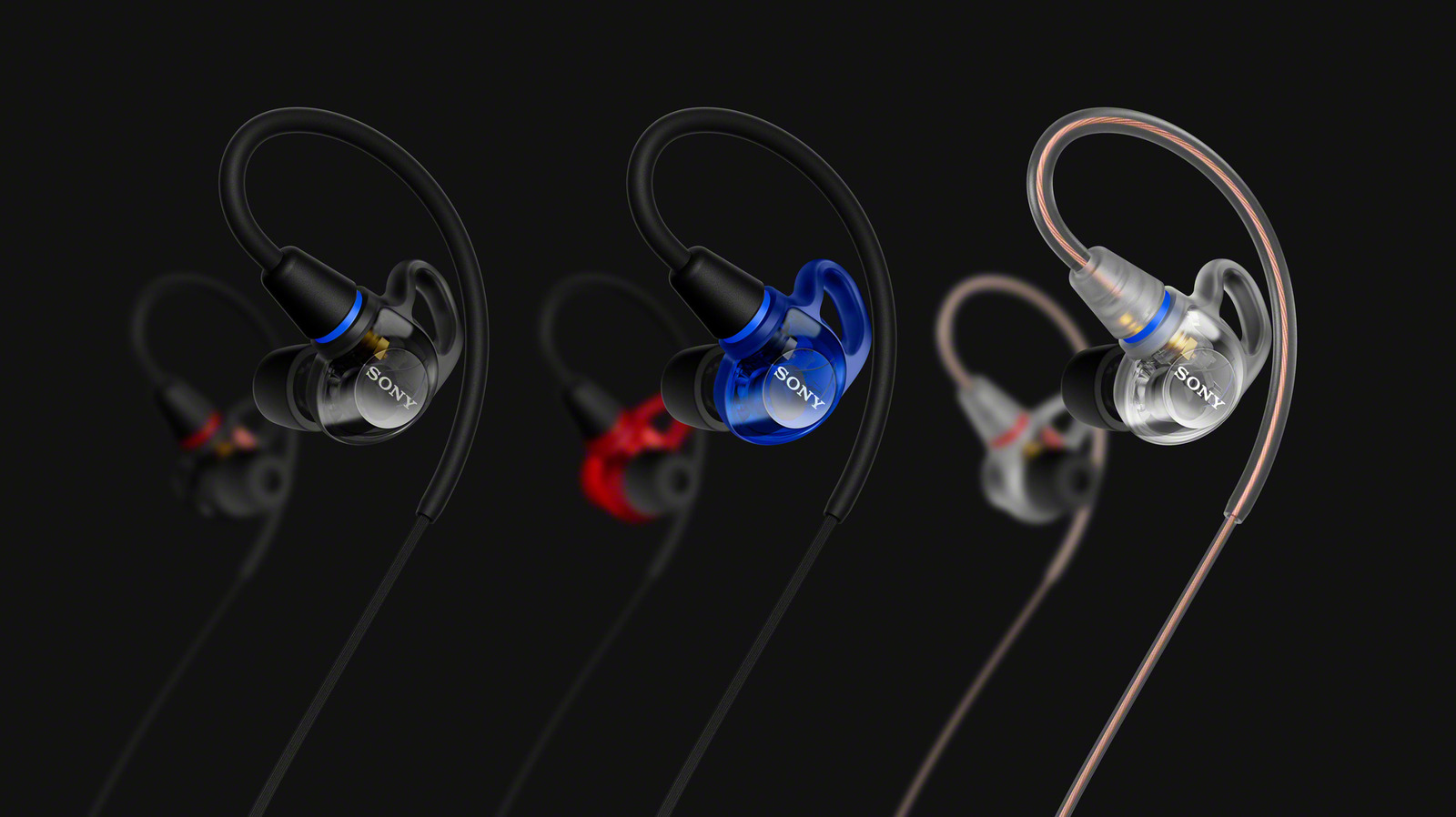
At USD 699 (approx. ₱39,200), Iris plants its flag firmly in the premium in-ear monitors category, both sonically and visually, with a blue CNC-machined custom Micarta housing inspired by the iris flower. Its 34 Ω impedance and 113 dB sensitivity make it friendly to portable and desktop sources, while the included 8-core OCC cable with swappable 3.5 mm and 4.4 mm plugs targets listeners who already treat their earphones as part of a serious chain. In short, Iris appeals to those who believe that a single coherent voice is truer to music than a committee of drivers.
Vanguard: hybrid evolution from Noble’s best-seller
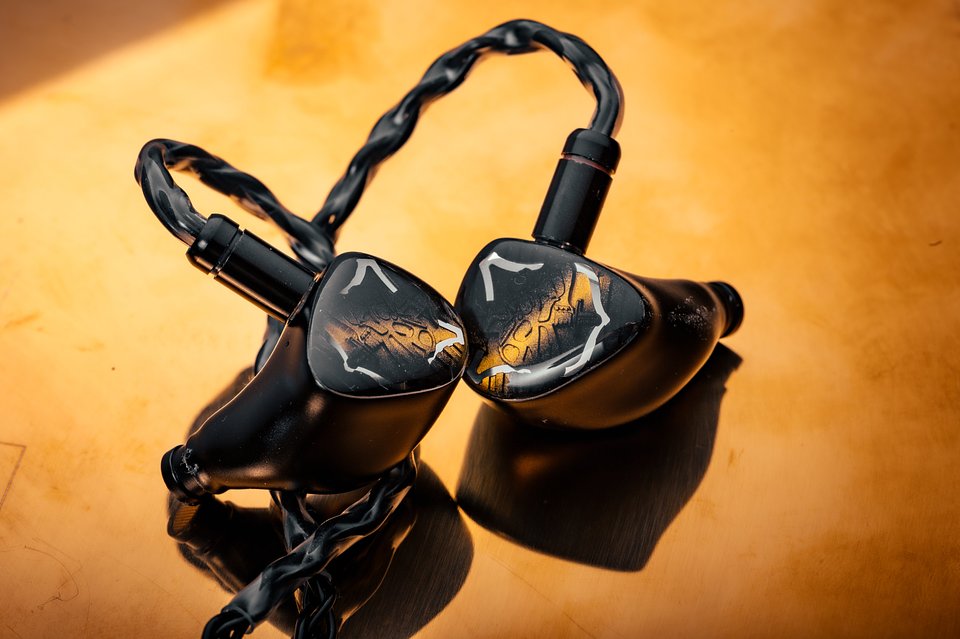
If Iris is the ideologue, Vanguard is the pragmatist. It builds directly on Knight, the highest-selling IEM in Noble’s history, but refuses to remain a budget footnote. Vanguard moves to a three-driver hybrid layout—1 dynamic driver plus 2 balanced armatures—to chase control, clarity, and balance rather than romanticize simplicity. The 10 mm Polyether Ketone dynamic driver handles low frequencies, one custom balanced armature covers mid-high content, and a second armature is dedicated to ultra-high treble detail. This is Noble arguing that intelligent division of labor, not purism, is how you tune a modern reference tool.
Priced at USD 325 (approx. ₱18,200), Vanguard is explicitly built to bring Noble’s hybrid tuning philosophy to a wider audience without collapsing into “entry-level” compromise. Its precision-machined aluminium shell, 23 Ω impedance, and 112 dB SPL/mW sensitivity are tuned for phones, portable amps, and digital audio players rather than only dedicated audiophile rigs. Included is an 8-core silver-plated OFC cable with a 4.4 mm balanced plug and a 4.4 mm to USB-C OCC adaptor, turning Vanguard into a complete, source-friendly package instead of an IEM that demands extra investment out of the box.
Specs on paper: Iris vs Vanguard side by side
On paper, the Iris Vanguard comparison reveals how sharply the two Noble Audio IEMs diverge despite sharing brand DNA. Iris leans on a single dynamic driver and triple sound chamber to craft a coherent, emotionally direct presentation, while Vanguard uses a 1DD + 2BA architecture to pursue a more dissected yet still cohesive balance across the spectrum. Even the cabling and plugs tell different stories: Iris assumes you already live in both 3.5 mm and 4.4 mm worlds, while Vanguard assumes you want an immediate bridge from balanced output to USB-C portable devices.
| Spec | Iris | Vanguard |
|---|---|---|
| Driver configuration | Single 10.2 mm dynamic driver with triple sound chamber | 1DD + 2BA hybrid: 10 mm PEK dynamic for lows, 2 custom BAs for mid-high and ultra-high frequencies |
| Impedance | 34 Ω | 23 Ω |
| Sensitivity | 113 dB +/- 3 dB at 1 kHz | 112 dB SPL/mW |
| Housing material | Blue CNC-machined custom Micarta | Precision-machined aluminium shell with stainless steel wax guard |
| Cable and connections | 8-core OCC cable with replaceable 3.5 mm and 4.4 mm plugs | 8-core silver-plated OFC cable, 0.78 mm 2-pin, 4.4 mm plug plus 4.4 mm to USB-C OCC adaptor |
| Price | USD 699 (approx. ₱39,200) | USD 325 (approx. ₱18,200) |
What this split means for premium in-ear monitors
The arrival of Iris and Vanguard matters because it shows how reference grade earphones are no longer defined by a single technological direction. Noble is willing to put equal weight behind a single dynamic driver IEM and a hybrid configuration, instead of treating one as a mere stepping stone to the other. That choice forces listeners to decide whether their idea of “reference” is about the uninterrupted character of one driver or the surgical precision made possible by splitting the spectrum across multiple transducers.
By launching Iris and Vanguard together, Noble positions itself near the front of premium portable audio innovation, not by chasing headline driver counts but by treating design philosophy as seriously as hardware. The message is clear: the future of premium in-ear monitors will not be settled by spec sheets alone. It will be decided by how convincingly brands like Noble turn those specs into distinct, opinionated listening experiences—and by which side of the purity-versus-hybrid divide each listener decides to join.