
Gallic Acid: The Antioxidant Your Routine Is Missing
Gallic acid is an emerging antioxidant skincare ingredient used to shield skin from daily environmental damage and reduce visible signs of aging by neutralizing oxidative stress, supporting long-term skin health, and offering a stable, skin-friendly option for people seeking effective environmental damage protection in their anti-aging routines. In other words, it is the quiet workhorse that deals with the constant assault of UV rays, pollution, and everyday aggressors before they etch fine lines, dark spots, and dullness into your face. If you think of aging only in terms of birthdays or sagging, you are missing the bigger picture: day-to-day micro-damage is what really ages your skin. The smartest move now is not a harsher treatment, but smarter prevention—and that is where gallic acid antioxidant power comes in.
What Makes Gallic Acid a Dermatologist-Approved Antioxidant
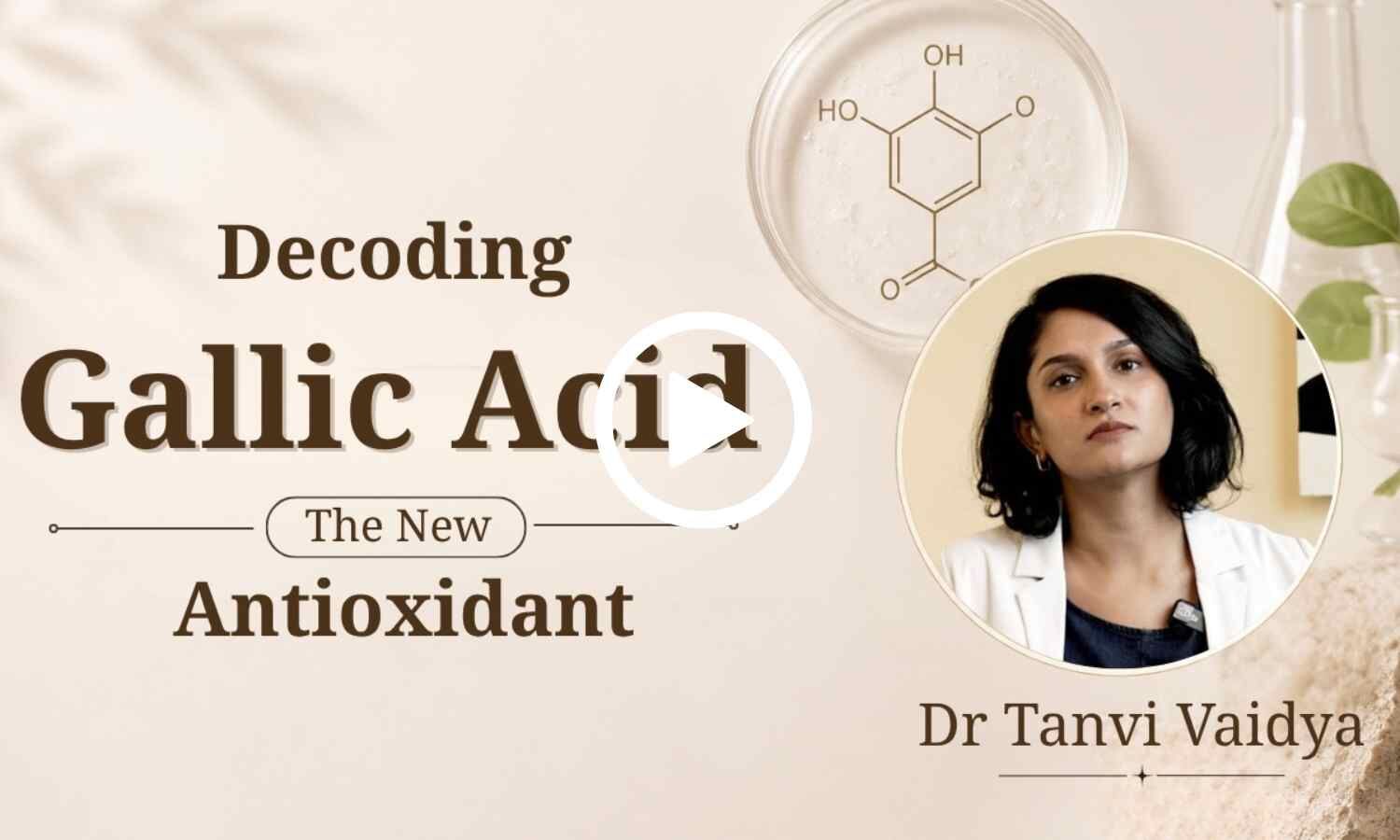
The reason gallic acid deserves attention is simple: it combines potent antioxidant activity, excellent stability, and a skin-friendly profile in one ingredient. Dermatologist Dr. Tanvi Vaidya explains that daily exposure to UV rays, pollution, and other aggressors triggers oxidative stress, which accelerates the skin aging process. A smart anti-aging strategy needs something that can sit on your skin day after day without breaking down, turning irritating, or losing effectiveness—and gallic acid fits that brief. Like other dermatologist approved antioxidants, it helps neutralize damage before it shows up as wrinkles, rough texture, or loss of firmness. The crucial difference is that it is designed for long-term anti-aging skin protection rather than a quick, harsh correction. According to Dr. Tanvi Vaidya, that balance between strength and tolerance is why gallic acid is becoming an important part of modern anti-aging skincare.
Gallic Acid vs. Retinol and Vitamin C: Different Jobs, Same Goal
We treat retinol like the gold standard of anti-aging—and for collagen stimulation and firming, that reputation is deserved. Dr. Joshua Zeichner points out that retinol improves skin tone, texture, and firmness by stimulating collagen production, helping address sagging and fine lines. Vitamin C, on the other hand, is a traditional antioxidant used to brighten skin and fade dark spots, though it can be expensive and unstable to formulate. Gallic acid antioxidant power sits in a different lane: it aims squarely at environmental damage protection while staying stable and comfortable on sensitive, reactive skin. Dr. Tanvi Vaidya compares gallic acid with conventional antioxidants like vitamin C and highlights that its skin-friendly profile makes it well suited for people who cannot tolerate harsher formulations. The smartest approach is not to crown a single winner, but to understand their roles—retinol to rebuild, vitamin C to brighten, gallic acid to defend.
| Spec | Gallic Acid | Retinol / Vitamin C |
|---|---|---|
| Primary role | Environmental damage protection and antioxidant support | Collagen stimulation or brightening and spot-fading |
| Tolerance | Well suited for sensitive and reactive skin | Retinol can irritate; vitamin C formulas may sting or destabilize |
| Stability | Excellent stability for long-term use | Vitamin C is known to be unstable and expensive to formulate |
The Real Enemy: UV, Pollution, and Everyday Oxidative Stress
Most people obsess over lines they can see and ignore the harm they cannot. That is backwards. Daily exposure to UV rays, pollution, and other environmental aggressors triggers oxidative stress, accelerating the skin aging process long before wrinkles appear. UV light does not just cause sunburn; it harms collagen and elastic fibers, contributing to sagging and structural weakness over time. Pollution and airborne particles add their own layer of inflammation and pigmentation, driving dark spots and uneven tone. Anti-aging antioxidants are your only real defense against this constant onslaught because they neutralize damage before it settles into the skin. A dermatologist approved antioxidant like gallic acid does not replace sunscreen or good cleansing—it reinforces them, adding an extra shield against everyday aggressors so your skin ages slower both on the surface and deeper within its structure.
How to Use Gallic Acid for Maximum Anti-Aging Benefit
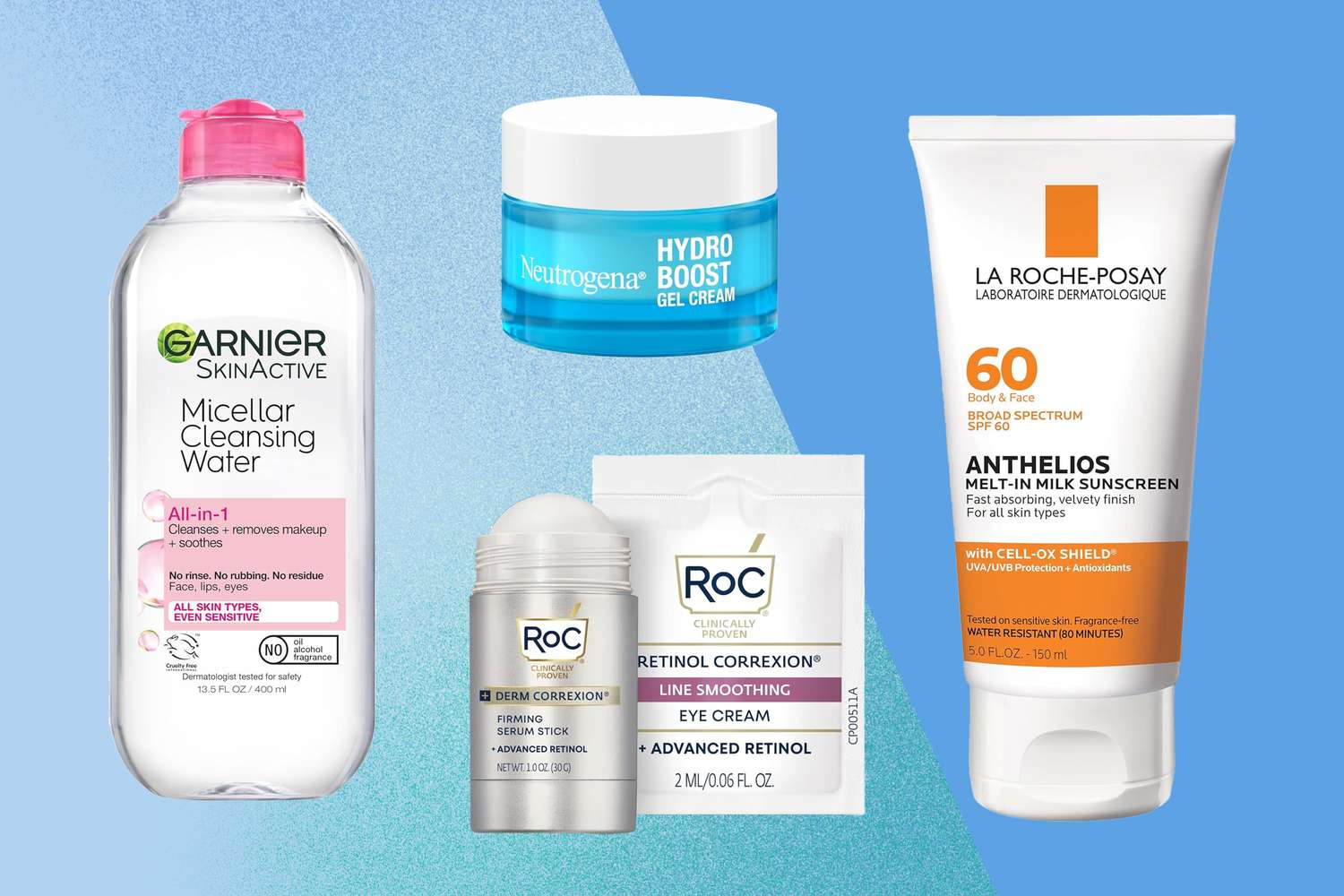
The point of gallic acid is not hype; it is practicality. Dr. Tanvi Vaidya explains how this antioxidant can be incorporated into a daily anti-aging skincare routine to support healthier, stronger, and more youthful-looking skin. The smart move is to treat it as a daily environmental shield: use gallic acid antioxidant products in serum or treatment steps after cleansing and before your moisturizer and broad-spectrum sunscreen. Consistency is more important than intensity—its skin-friendly profile makes it suitable for long-term use without the cycle of irritation and recovery often seen with harsher actives. Layering it alongside tried-and-true ingredients like retinol, hyaluronic acid, and sunscreen allows each to do its job: gallic acid for environmental damage protection, retinol for structural renewal, humectants for hydration, and SPF to prevent fresh UV harm. The future of anti-aging is not one miracle ingredient, but smart combinations—and gallic acid deserves a permanent place in that mix.