
MEMS: The Quiet Engine of Next-Gen Mobile Devices
MEMS for mobile devices are miniaturized mechanical and electrical components—such as fingerprint sensors, accelerometers, gyroscopes, pressure sensors, bulk acoustic wave filters and microphones—integrated onto chips to provide sensing, timing and radio-frequency functions across smartphones, tablets, wearables and other connected products.
The headline story is simple: the future of mobile belongs to the companies that master MEMS integration. The global MEMS mobile devices market is projected to grow from USD 10.21 billion in 2025 and USD 10.97 billion in 2026 to USD 15.61 billion by 2031, at a 7.31% CAGR from 2026 to 2031. That is not incremental; it is a structural shift in the mobile sensor market. Smartphones already account for 66.41% of unit demand, with tablets at 12% and mobile gaming devices around 5%. In other words, MEMS are no longer niche components—they are the core of modern 5G smartphone components and edge AI hardware. If you design or invest in mobile platforms, ignoring MEMS is now a strategic mistake.
Foldable Displays Are Forcing a Rethink of Sensor Design
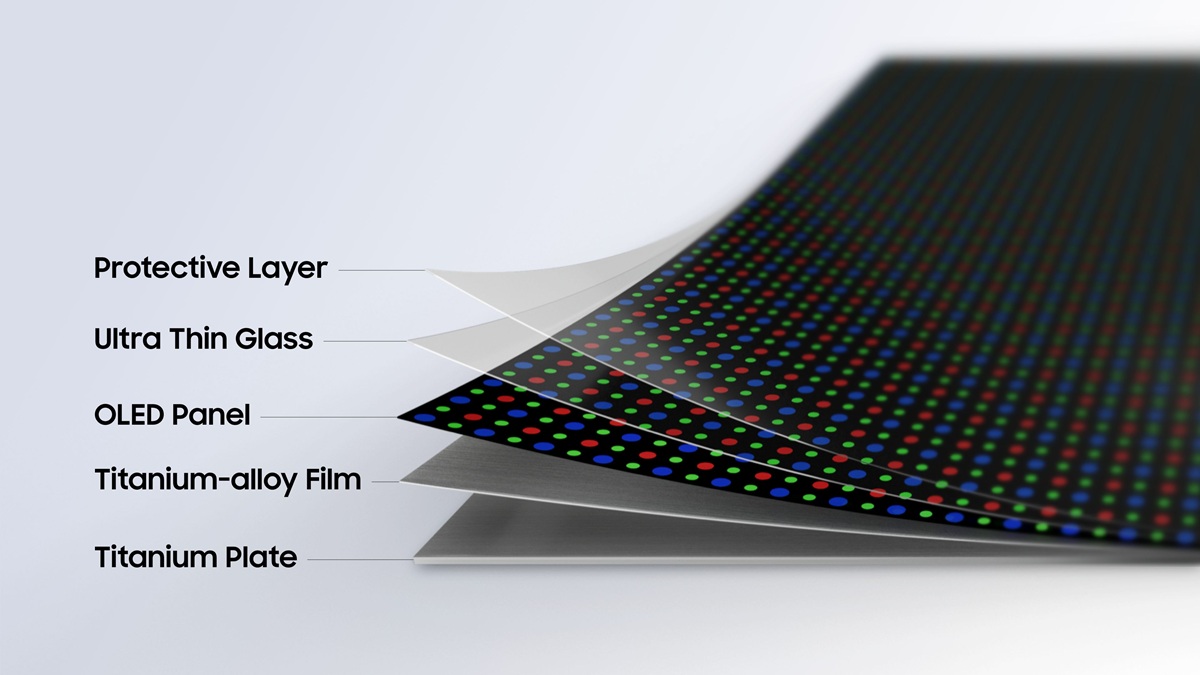
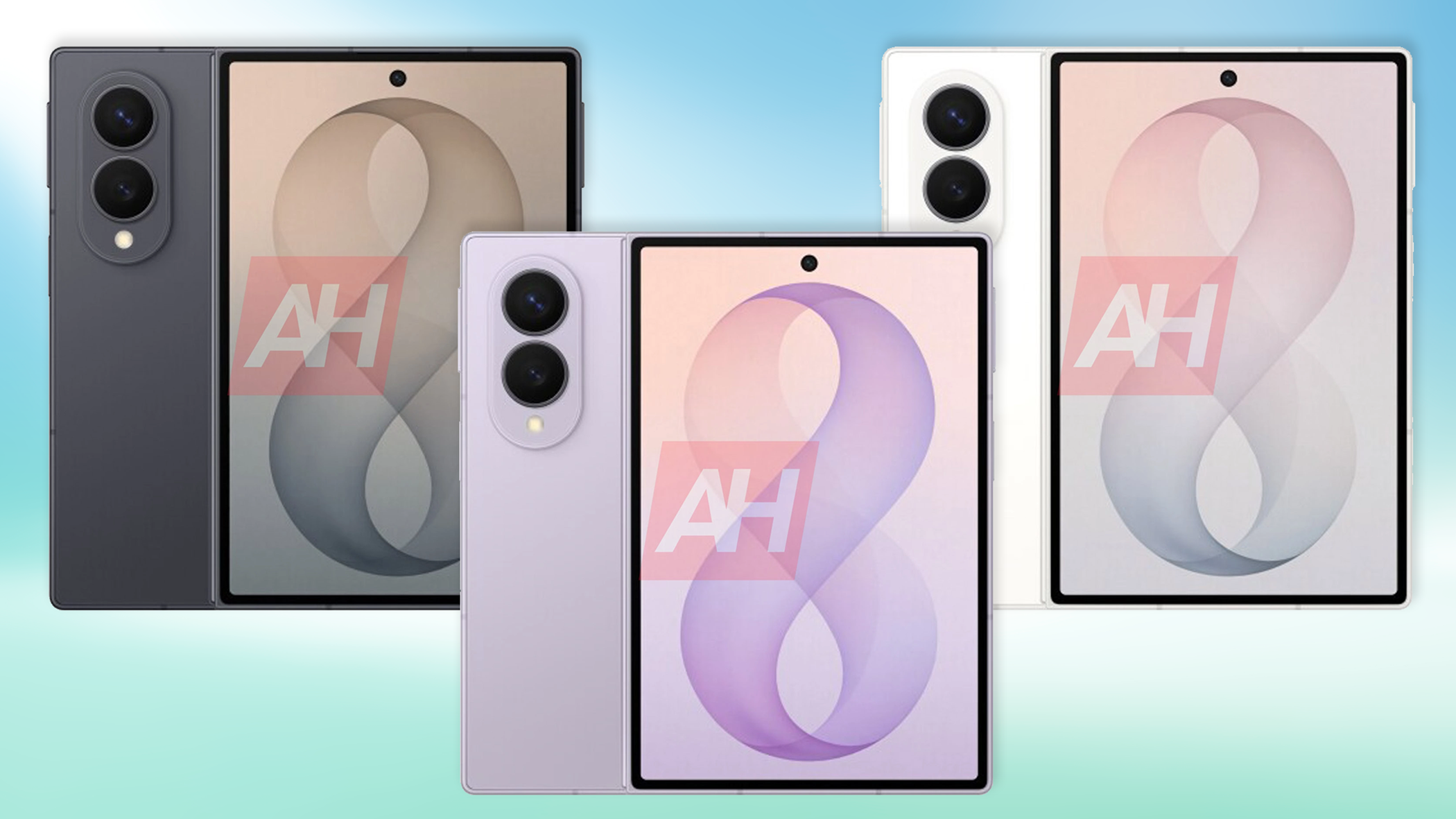
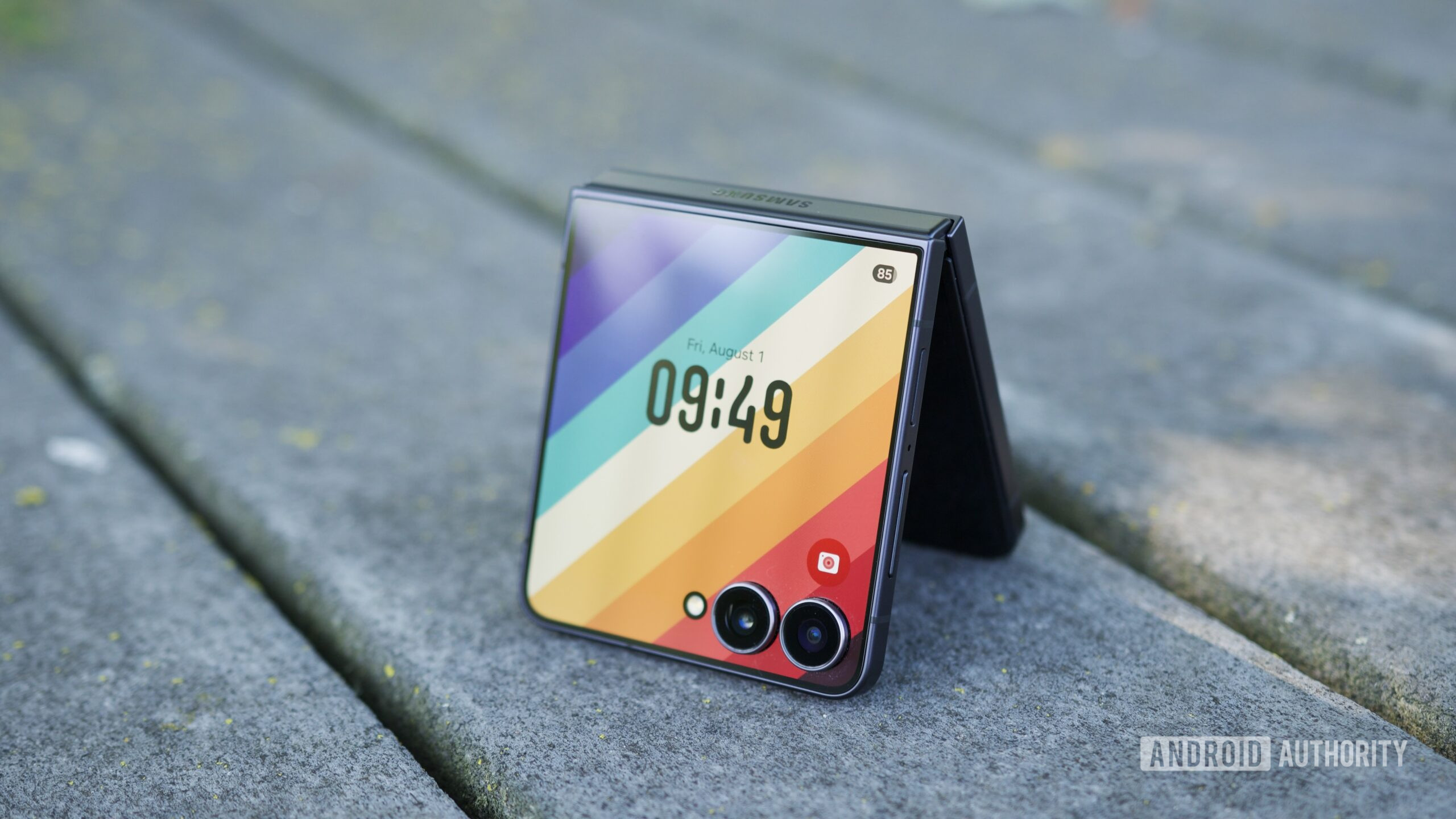
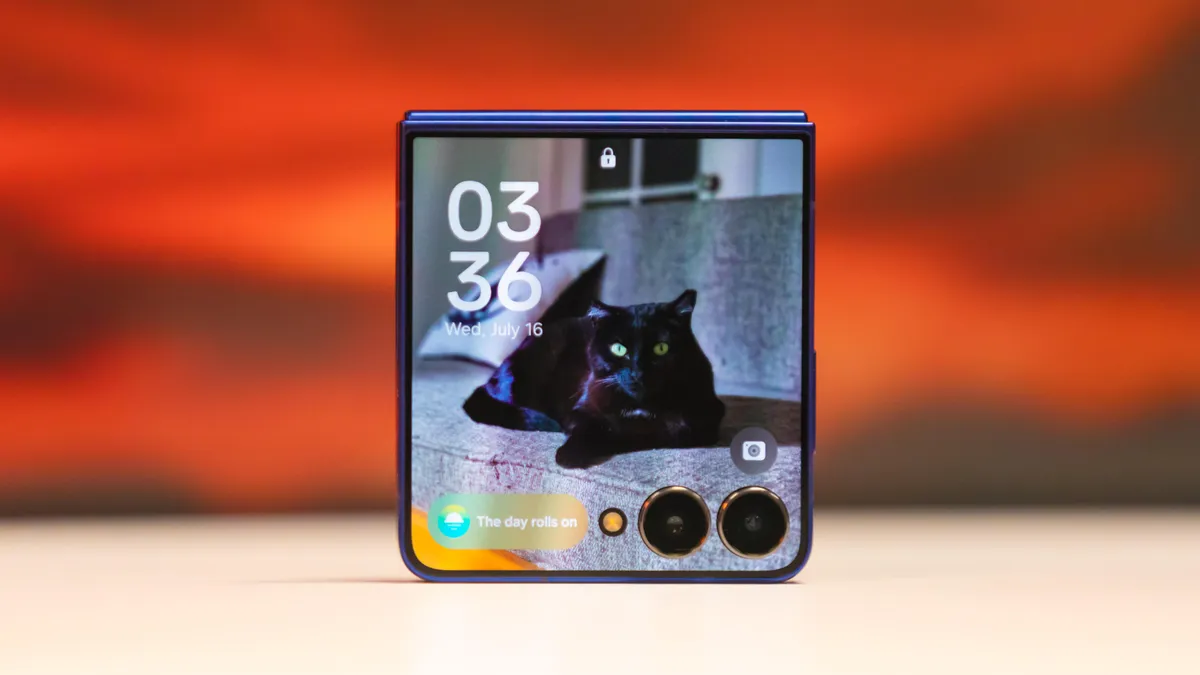
Foldable display technology is doing more than adding a hinge; it is ripping up the rulebook for sensor placement and packaging. Foldable and rollable displays are reshaping sensor placement, packaging and material requirements. Flexible devices must survive more than 100,000 bends at radii below 5 mm, pushing manufacturers to embed fingerprint, pressure and health-monitoring sensors directly into display stacks. Samsung’s Sensor OLED and BOE’s rollable OLED panels show where the industry is heading: thinner architectures with sensing woven into the display itself.
This is great news for MEMS innovators and a wake-up call for laggards. Advanced packaging and ultrathin integration are no longer optional; they are the only way to fit more sensing into less space while preserving durability. Fingerprint sensors already generate 35.21% of market revenue, supported by second-generation ultrasonic authentication. As foldables move mainstream, those percentages will tilt further toward in-display, high-reliability MEMS. Device brands that treat foldables as a cosmetic upgrade, rather than a trigger for deep MEMS redesign, will lose both performance and differentiation.
5G, UWB and Spatial Audio: The New MEMS Demand Engine
If foldables reshape the form factor, 5G and ultra-wideband (UWB) redefine the radio front end—and MEMS sit at the center of that transformation. The continued rollout of mid-band and millimeter-wave 5G is driving demand for high‑performance bulk acoustic wave filters, timing components and RF solutions. A growing number of flagship phones now carry dozens of filters spanning 600 MHz to 41 GHz, while European spectrum in the 3.4–3.8 GHz range is fueling handset replacement cycles and new bulk acoustic wave resonator opportunities.
UWB adds yet another layer. Its centimeter-level positioning powers augmented reality, indoor navigation and smartphone-based automotive keyless entry—applications that only work with compact components delivering precise timing, low power use and high reliability in tight device envelopes. Bulk acoustic wave sensors are projected to grow 9.32% annually as 5G demand scales. On the audio side, MEMS microphones already hold 18% of the market as spatial audio, voice pickup and noise cancellation become standard in premium devices. Put bluntly, 5G smartphone components and advanced audio stacks are now impossible without sophisticated MEMS mobile devices.
Edge AI, Wearables and the Race for Always-On Sensing
Edge AI hardware is reshaping what sensors must do: stay always on, sip power and provide context to local inference engines. Market expansion is explicitly linked to low‑power sensors for edge artificial intelligence, spatial audio and biometric authentication, alongside advanced mobile form factors. Demand for low‑power always‑on sensors in AI edge processing is now a defined market driver. MEMS microphones, accelerometers and gyroscopes are not passive inputs anymore; they are active participants in on-device AI.
Wearables amplify this trend. They are forecast to post a 7.52% CAGR, driven by regulatory‑approved health functions, advanced motion sampling and integrated cellular connectivity. That means continuous sensing through accelerometers, gyroscopes, microphones and biometric sensors, with smartphones borrowing wearable‑grade health capabilities and blurring category lines. Asia-Pacific already accounts for 46.82% of global revenue, backed by thin‑film deposition, CMOS‑MEMS integration and a strong foundry ecosystem. For system designers, the message is clear: the mobile sensor market is moving from “nice-to-have” sensors to a dense web of MEMS that feed edge AI, unlock new services and differentiate devices far beyond CPU or GPU specs.
Packaging Risks, Talent Gaps and Why Strategy Must Shift
The upside of this MEMS boom is obvious; the constraints are less visible but just as important. Wafer‑level packaging can cut production costs yet remains vulnerable to cavity leaks, contamination, microcracks and stress‑related defects. Yield losses from these issues can erase the gains of advanced packaging and ultrathin integration if quality management lags. At the same time, the market faces a limited availability of qualified MEMS design engineers and fragmented IP across motion, pressure and acoustic domains, along with supply‑chain concentration in specialty piezoelectric materials.
This is why MEMS strategy cannot be an afterthought. The latest market report lists detailed forecasts, segment analysis, competitive intelligence, an Excel-based estimate sheet and analyst support, covering companies such as STMicroelectronics, Bosch Sensortec, TDK, Goertek, Analog Devices, Knowles, Murata, AAC Technologies, MEMSIC, Infineon, Qorvo, Qualcomm, Cirrus Logic, Omron, ROHM, SiTime, TE Connectivity and Robert Bosch GmbH. For OEMs, the winning move is to treat MEMS as a core platform—co-designed with RF, AI and industrial design—rather than discrete parts procured late in the cycle. The mobile future belongs to those who solve packaging risks, secure MEMS talent and align sensor roadmaps with foldables, 5G and edge AI from day one.