
The real foldable battle is the crease, not the specs
The current foldable phone battle is about who can best eliminate the visible and tactile foldable phone crease while maintaining long‑term durability, because that single flaw still makes expensive devices feel like fragile prototypes instead of premium daily tools.
After seven years of compromise creases, Samsung is done apologising for the middle wrinkle and is betting big on its Flex Titanium display to regain the narrative. Meanwhile, Apple has sat out the early foldable hype, quietly chasing a different kind of crease reduction technology that targets a crease depth of under 0.15 mm, aiming to make the fold line almost impossible to see or feel. Both know this is the main usability complaint keeping foldables from going mainstream. My view: whoever convinces people the screen is no longer a weak point will own the premium foldable segment, regardless of who “invented” the category.
Samsung’s Flex Titanium: brute-force material science
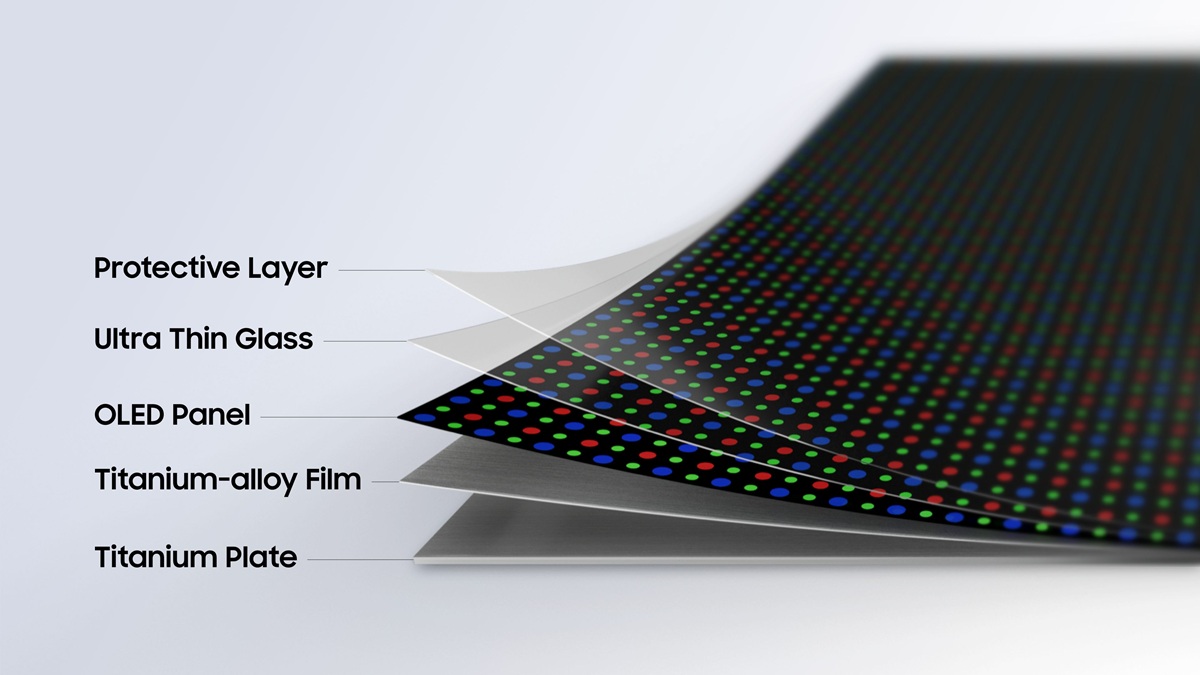
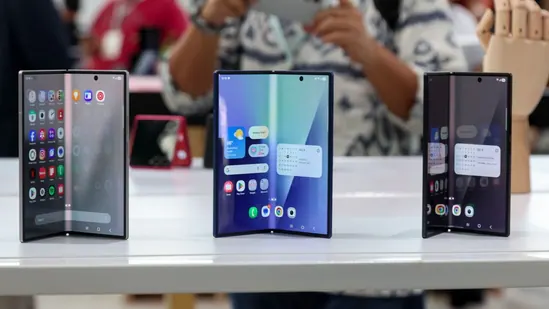
Samsung’s answer to the foldable phone crease is straightforward: change the material stack so the screen can take more punishment with less visible damage. The new Flex Titanium display adds a titanium‑alloy film beneath the OLED panel, which Samsung says delivers 20 times greater mechanical stiffness than the polymer films it used before. On paper, that is a strong statement about durability and crease control.
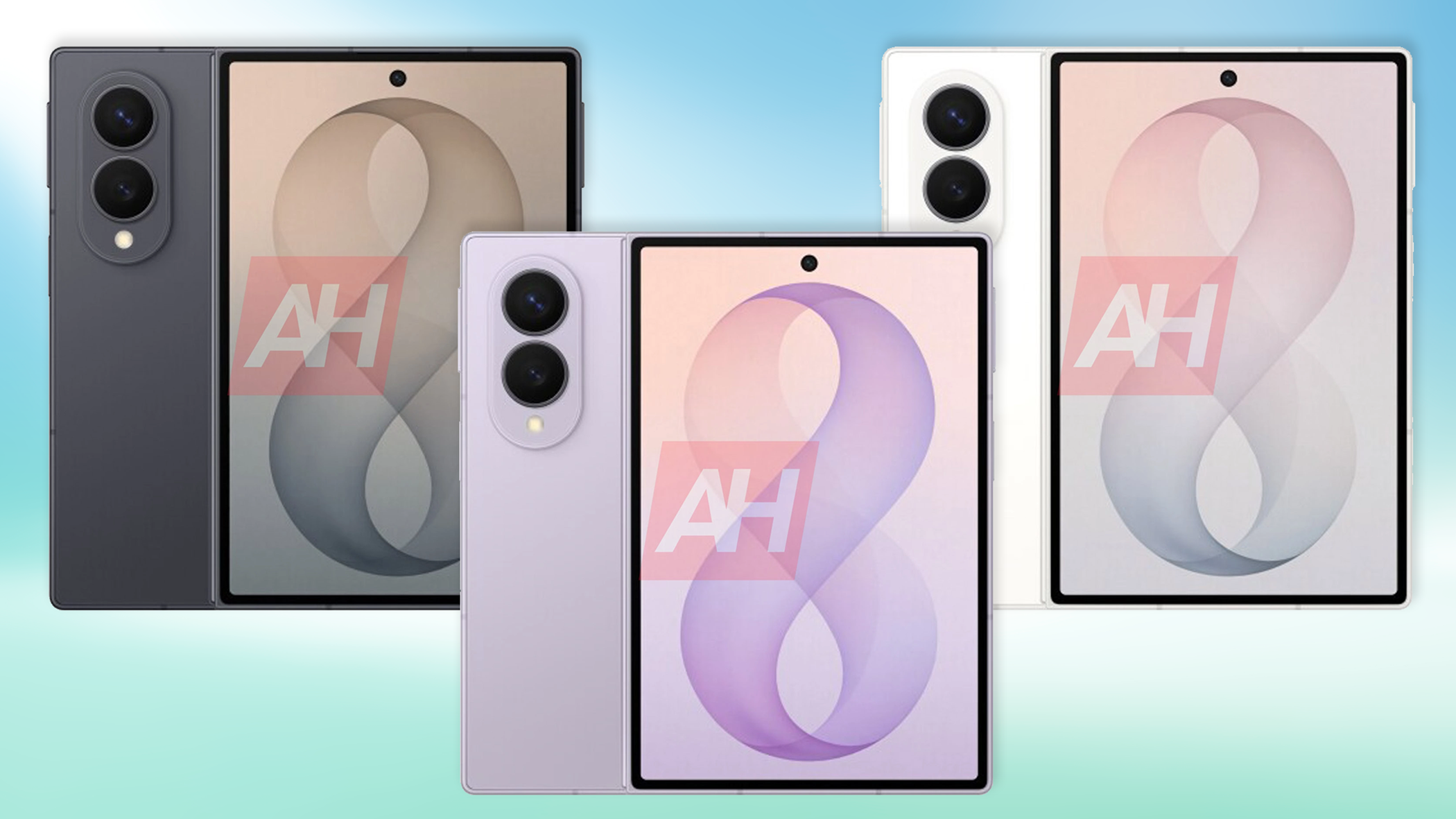
By rolling this stack into a panel roughly a third the thickness of a human hair and bonding it to a titanium plate with fewer air gaps, Samsung claims the display becomes both slimmer and better at handling repeated folding without deepening the crease. This is classic engineering by reinforcement: throw advanced metals at the weak point until it stops complaining. If Samsung’s claims hold, the next Galaxy Z Fold8 could be among the first foldables to combine a near‑crease‑free screen with a stronger internal panel. That would finally move Samsung’s foldables from “tolerable compromise” to something closer to a no‑excuses flagship.
Apple’s structural finesse: hiding the crease instead of armouring it
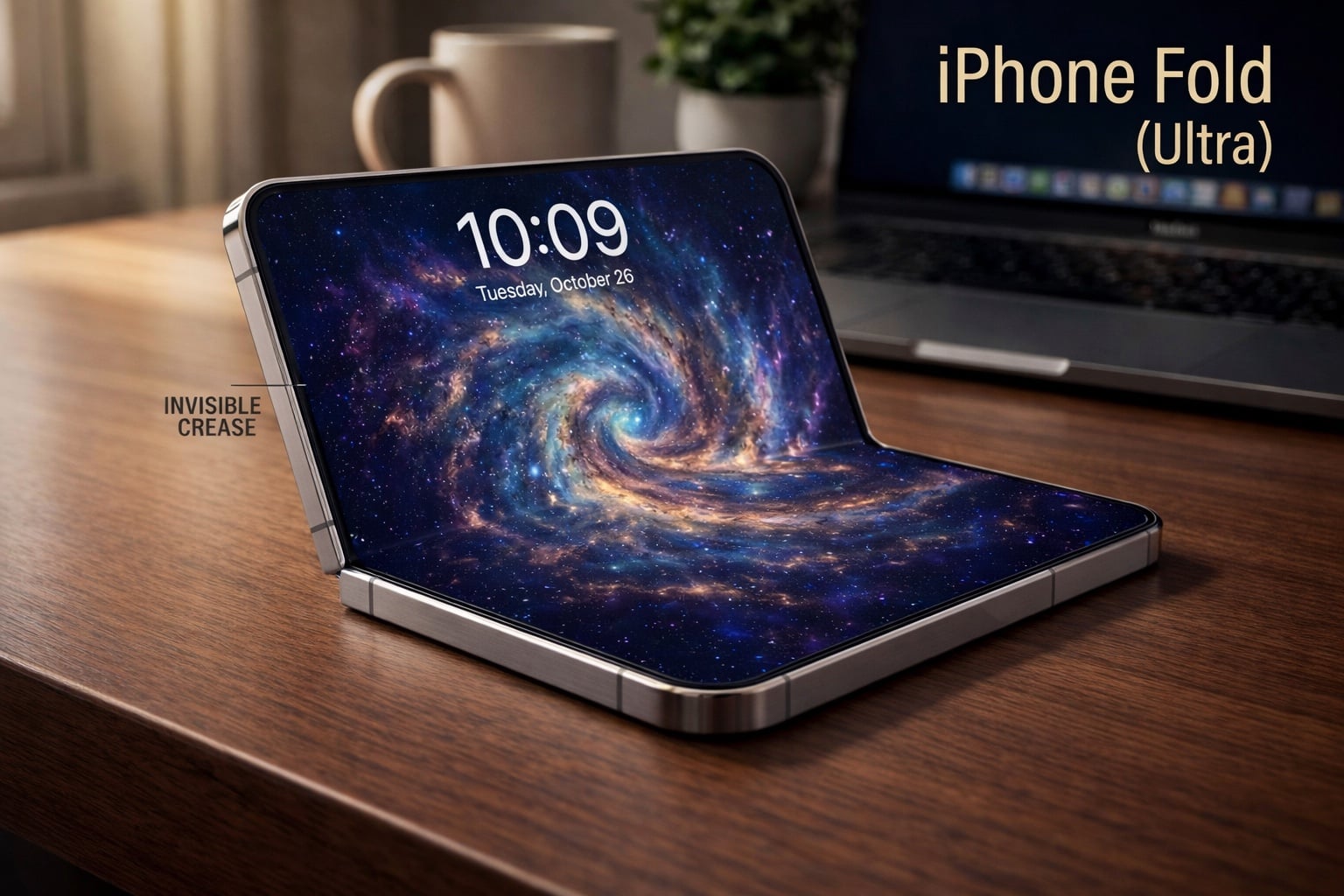
Apple’s rumored path is less about adding armour and more about reshaping the forces that create the crease in the first place. Leaks suggest the company is collaborating on a foldable OLED where the crease depth stays below 0.15 mm, making the line practically invisible to the eye and finger. This is paired with a folding angle under 2.5 degrees to improve both durability and perceived smoothness when you open and close the device.
Instead of titanium plates, Apple is said to be eyeing liquid‑metal hinges whose amorphous structure keeps them flexible yet scratch‑resistant, plus 3D‑printed metal parts to cut moving pieces and spread stress more evenly across the screen. On the display side, variable‑thickness ultra‑thin glass and advanced optically clear adhesive would let the fold area flex more while the rest stays tougher. In other words, Apple is trying to route mechanical stress away from your eyes and fingertips rather than overpower it. The goal is not zero physics, but zero distraction—turning the crease into something you only notice when someone points it out.
Who’s closer to a crease-free future?
From a consumer standpoint, the race is less about logos and more about which approach makes foldables feel boringly reliable. Samsung’s Flex Titanium strategy should improve impact resistance and cut the visual crease while also shrinking panel thickness and power use. Apple’s rumored system attacks the problem through hinge design, variable glass thickness, and gap‑filling adhesives, all tuned to hit that sub‑0.15 mm crease depth. These are very different philosophies, but they aim at the same psychological target: removing the fear of babying a USD 1,999–2,199 (approx. ₱112,000–₱123,000) foldable.
Yet both approaches still share a weakness: they are promises, not lived reality. Samsung itself says its next Fold could be “one of the first” to marry near‑crease‑free visuals with true reinforcement, a careful hedge that admits we are not at perfection yet. The Apple camp, meanwhile, raises the question of whether this is genuine engineering or hype—will people actually perceive a nearly invisible crease as “gone”, or will the marketing outpace human perception? Until buyers stop complaining about crease visibility and longevity in everyday use, the foldable phone crease remains the Achilles heel of the premium foldable segment.
Verdict: the better strategy is the one that disappears
In the Samsung vs Apple foldable story, the winner will not be the brand with the flashiest hinge, but the one whose crease reduction technology you never think about. Samsung’s Flex Titanium bets that stronger, stiffer materials can tame the fold at its most vulnerable point. Apple’s rumored design assumes that smart structure and precise tolerances can make the fold line thinner than your patience. Both are racing into “one of the most ruthless” phases of the foldable market, precisely because whoever normalizes this experience will drag foldables into the mainstream.
My view: Samsung looks ready to deliver first, but Apple is aiming to deliver less of a compromise. If Samsung proves its Flex Titanium display can keep creases shallow and panels tough over years, it earns the right to define the category. If Apple arrives later with a screen where the crease is functionally invisible and structurally sound, it will redefine expectations in one generation. Either way, the era of forgiving creased, fragile foldables is over; the next wave has to feel like a single, seamless, durable slab—or users will stick with flat phones a little longer.