
What the 7 Skin Method Is—and Why It Matters
The 7 skin method is a hydrating toner routine that layers a lightweight, water-based product onto freshly cleansed skin up to seven times in a row, allowing each coat to fully absorb before the next, to build deep comfort and glow that standard three-step routines often fail to deliver. Instead of blaming your cleanser or moisturizer when your face feels tight by midday, this skin layering technique argues that you are underusing the one step that already sits in your bathroom: toner. Toner is not a throwaway swipe; it balances pH, adds water, and prepares your skin for everything that comes after. By paying attention to this step—and multiplying it—you can trade that heavy, occlusive feeling of thick creams for a bouncier, hydrated finish that looks more like skin and less like product.

How Multiple Toning Layers Drive Hydration
The logic behind the 7 skin method is refreshingly practical: many thin layers of hydration outperform one thick coat of cream when your barrier is thirsty but oil-prone. The technique involves applying toner, letting it sink in completely, and repeating up to seven times; this repeated exposure saturates the skin with water from within and smooths texture and radiance rather than leaving a greasy film on top. In other words, you are “stacking” moisture into the surface instead of sealing in a half-hydrated face. That is why fans report less midday tightness than with the classic cleanse–tone–moisturize routine, along with a more even, plump look. One of the most compelling claims from enthusiasts is that “by layering it up to seven times, you can achieve a deeply moisturized, glowing, and radiant complexion without necessarily adding another product to your shelf”.
Adapting the 7 Skin Method to Your Skin Type
Where this method earns its place in a modern K-beauty routine is flexibility. The number seven is a suggestion, not a rule; you stop when your skin feels comfortable and looks hydrated. Oily or combination skin often benefits most from treating toner as a primary hydrator, because building a light “water cushion” cuts tightness without the heavy residue that comes with rich creams. In hot, humid weather, oilier types can even lean on fewer layers and a single sunscreen step in the morning, since the environment itself boosts moisture retention. Dry skin or those in arid climates may still want a light moisturizer over their toner stack, especially when air conditioning and sun exposure push dehydration. Acne-prone and sensitive skin can also use the method, but they should pair it with thoughtful actives and soothing ingredients so the barrier stays calm, not overloaded.
The Role of Climate and Consistency in Layering
Hydration is never happening in a vacuum; heat, humidity, and UV exposure change how any hydrating toner routine behaves on your face. No matter your skin type—oily, dry, combo, or acne-prone—your needs shift in warmer seasons as sweat, sebum, and irritation increase. In humid climates, skin naturally retains more moisture, so you may not need seven layers every day; a few coats may be enough to stop that midday tight feeling. In drier environments or heavy air conditioning, more layers, fewer harsh exfoliants, and a gentle moisturizer on top make sense. The key is consistency with the basics while treating the 7 skin method as a dial you turn up or down. According to Shereene Idriss, MD, “Depending on your climate, you may not need to layer as much hydration in the hotter months as you do in winter”. That perspective aligns perfectly with this adaptable toning approach.
Step-by-Step: Layer Without Overwhelming Your Barrier
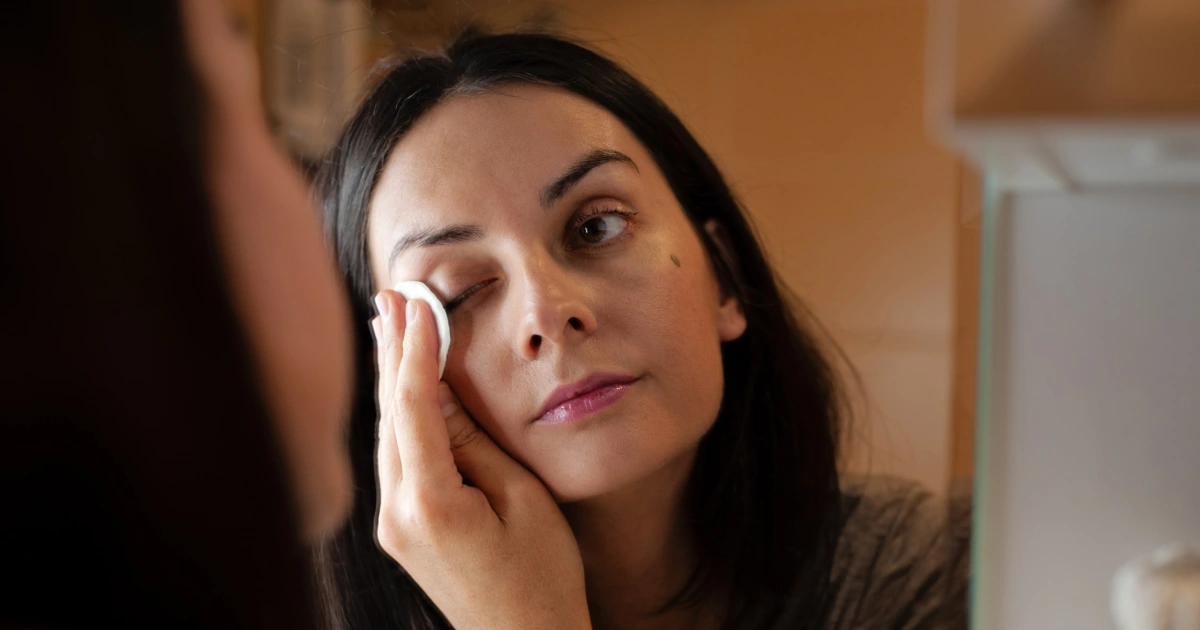
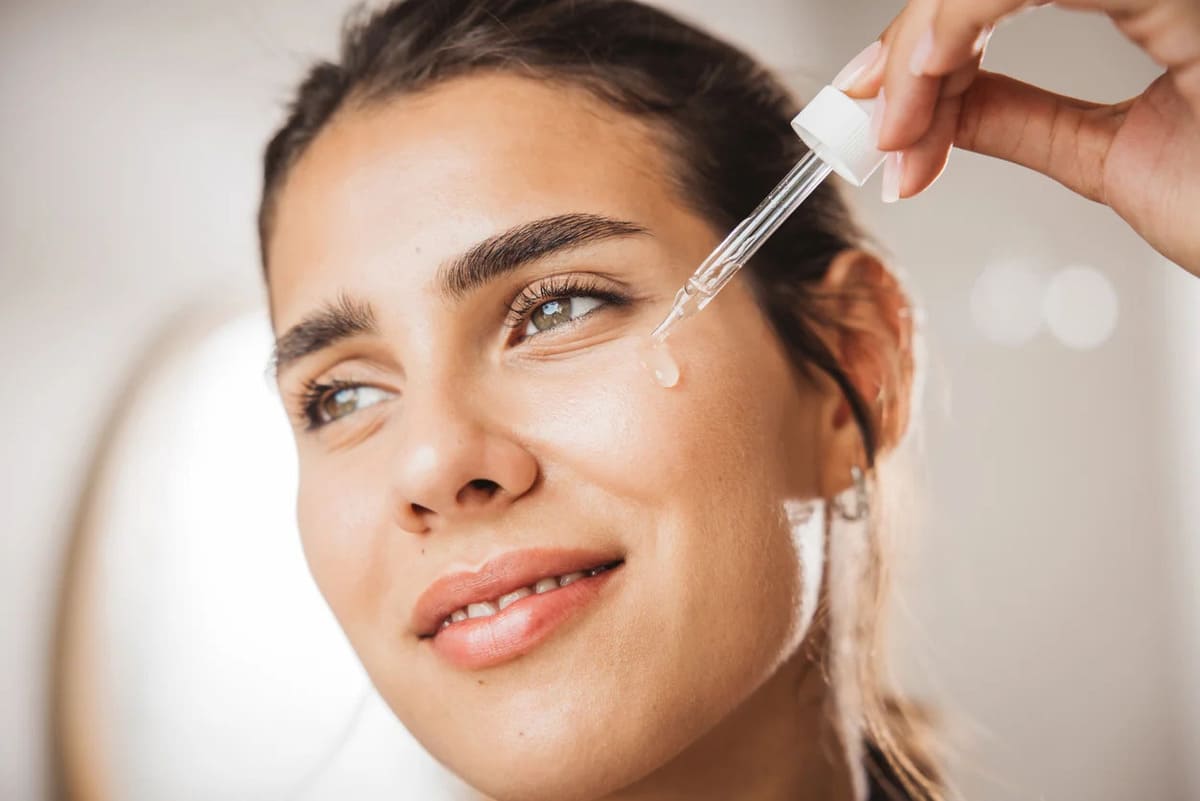
To make the 7 skin method work for you instead of against your barrier, technique matters more than the exact number of layers. Start with a freshly cleansed face so there is no residue blocking absorption. Apply your chosen hydrating toner with hands or a cotton pad, then gently pat until the surface feels damp but not wet. Pause—this is non‑negotiable—until that layer has fully absorbed, then repeat up to six more times. Rushing and piling new coats onto a still-wet layer undermines the whole point: you will get product build-up instead of deep hydration. After your final layer, move on to the rest of your skincare, which might be a light moisturizer in dry climates or only sunscreen in humid ones. The method is meant to be tailored; some people use it daily, others a few times a week depending on how their skin feels that day.