
Tandem RGB OLED: ASUS Tries to End the One-Monitor-Per-Game Era
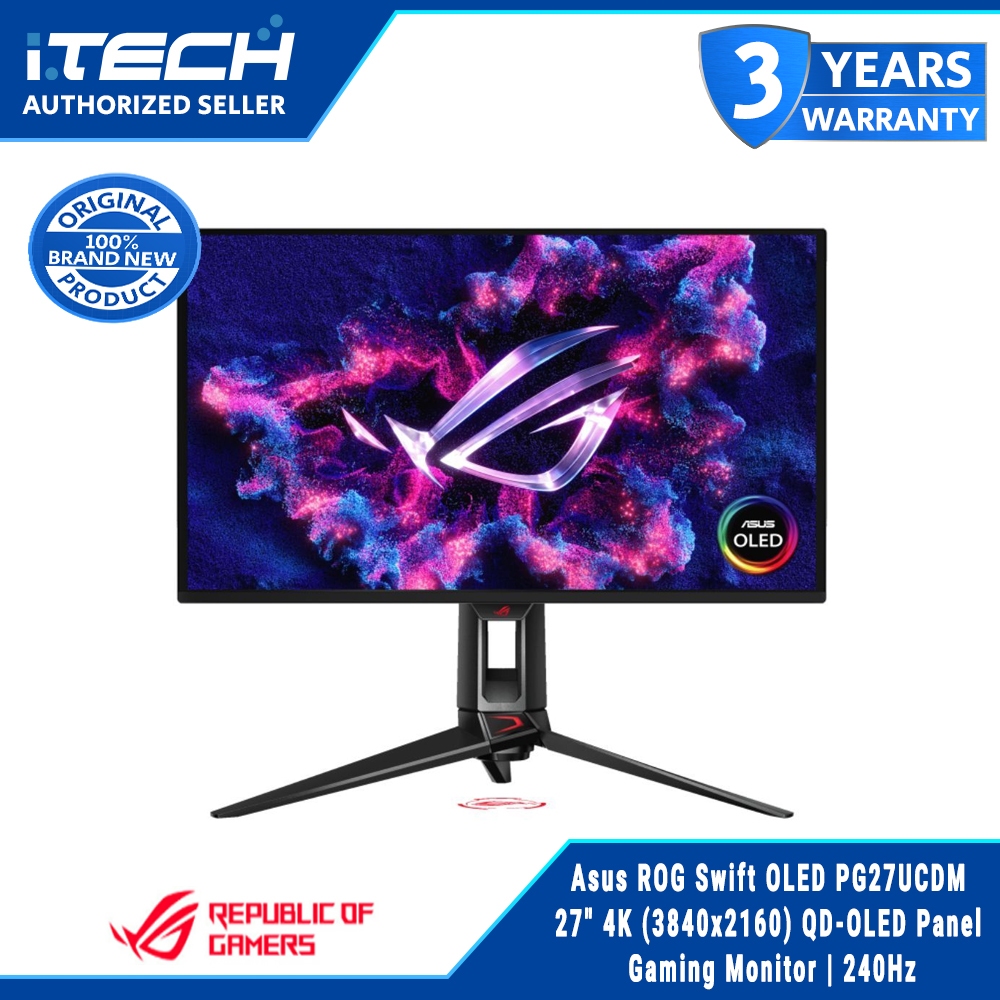
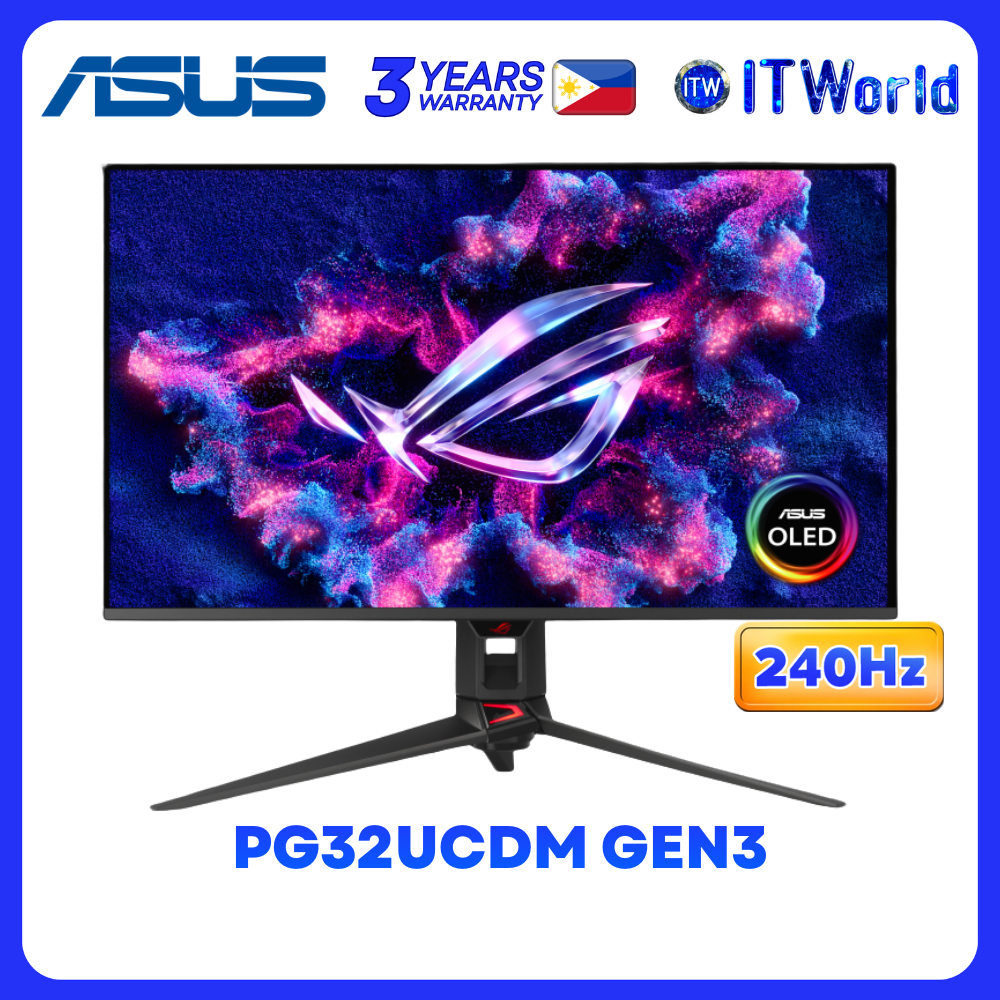
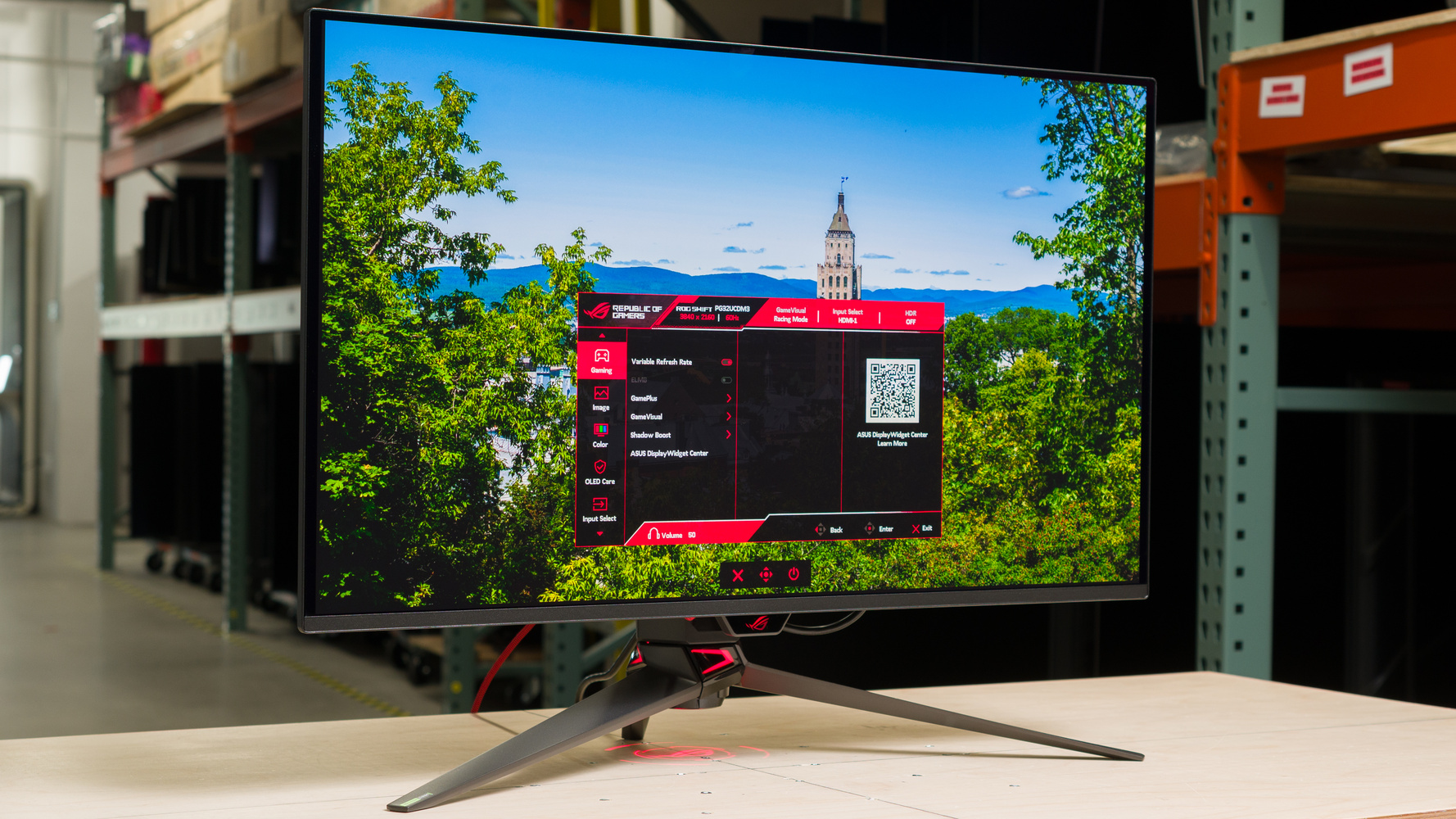
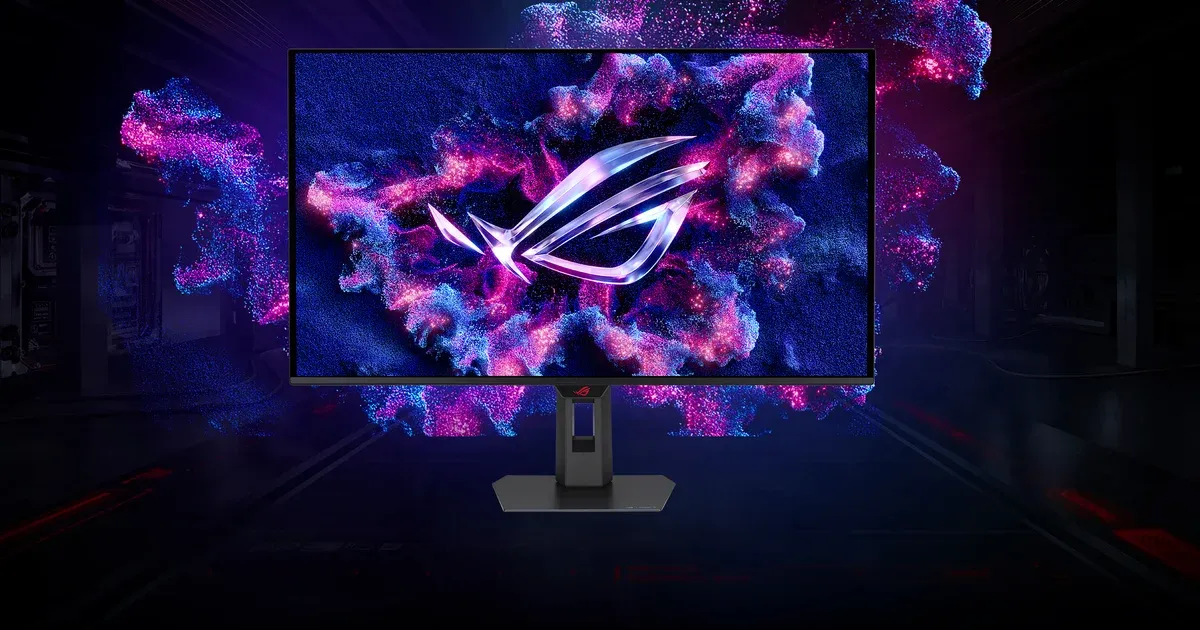
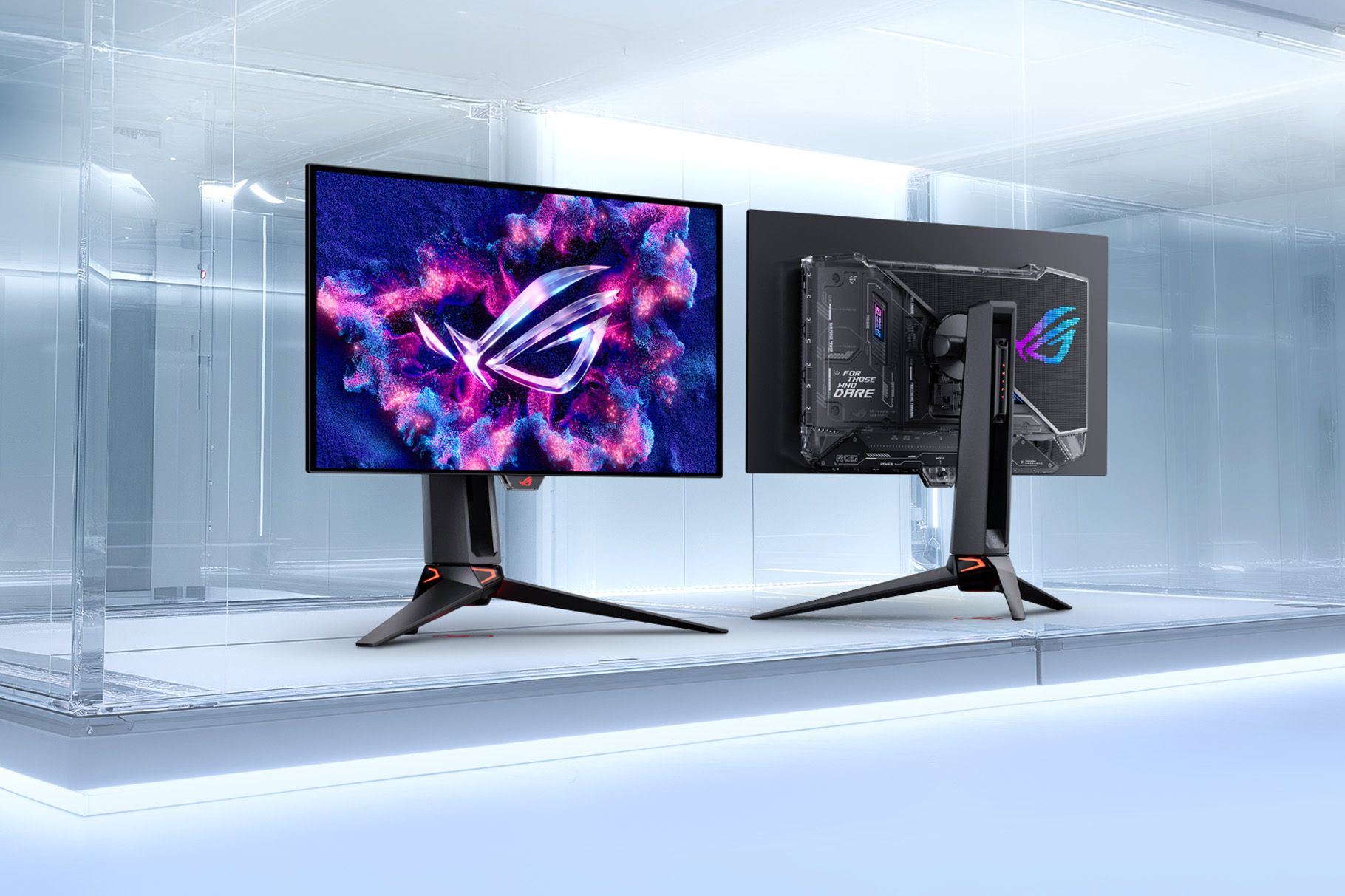
ASUS’s new ROG Swift PG27UCWM and PG32UCWM are Tandem RGB OLED gaming monitors that combine 4K 240Hz image quality, 1,000‑nit HDR brightness, and a 480Hz Full HD mode in a single ASUS ROG OLED monitor aimed at both cinematic and competitive gaming.
ASUS Republic of Gamers has officially launched the ROG Swift OLED PG27UCWM and PG32UCWM, its first “True Tandem RGB OLED” competitive gaming displays built around new 4K panels. Each offers native 3840×2160 at 240Hz and a switchable 1920×1080 mode at 480Hz, with a hardware hotkey to flip between them. This is the clearest statement yet of where premium gaming monitors are heading: one screen that can pull double duty as a 4K 240Hz gaming monitor and an esports-focused 480Hz panel. The promise is tempting, but it comes with trade-offs that every buyer should weigh before calling this the “last monitor” they need.

Why Tandem RGB OLED Matters: Brightness, Blacks, and Everyday Use
The real breakthrough is not the 240Hz refresh rate; it is the Tandem RGB OLED panel and pixel layout. ASUS is using LG Display’s latest four‑stack Tandem WOLED architecture in a configuration it brands as True Tandem RGB OLED, removing the white subpixel that older WOLED panels relied on. That change delivers up to 27% greater color volume at higher brightness and a conventional RGB stripe that plays far better with Windows ClearType, cutting the color fringing that plagued some QD‑OLED and WOLED monitors in text-heavy work. For anyone who alternates between gaming and productivity, this is not a minor tweak; it is the difference between a monitor you tolerate for email and one you can live in all day.
Both ASUS ROG OLED monitor models hit 1,000 nits of peak HDR brightness and use the company’s TrueBlack Glossy coating to keep blacks deep while reducing ambient reflections. That tandem of brightness and gloss pushes OLED into HDR territory LCDs used to dominate, without giving up the inky blacks that made OLED appealing to begin with. According to ASUS, “the zero‑haze optical layer reduces ambient reflections by 38% compared with its previous glossy WOLED displays,” a claim that, if validated, would finally make glossy OLED less of a liability in bright rooms. In practical terms, this is what lets Tandem RGB OLED gaming look punchy in HDR games while still delivering clean UI text and dark‑mode desktops.
Dual Refresh Modes: Versatile or a Compromise in Disguise?
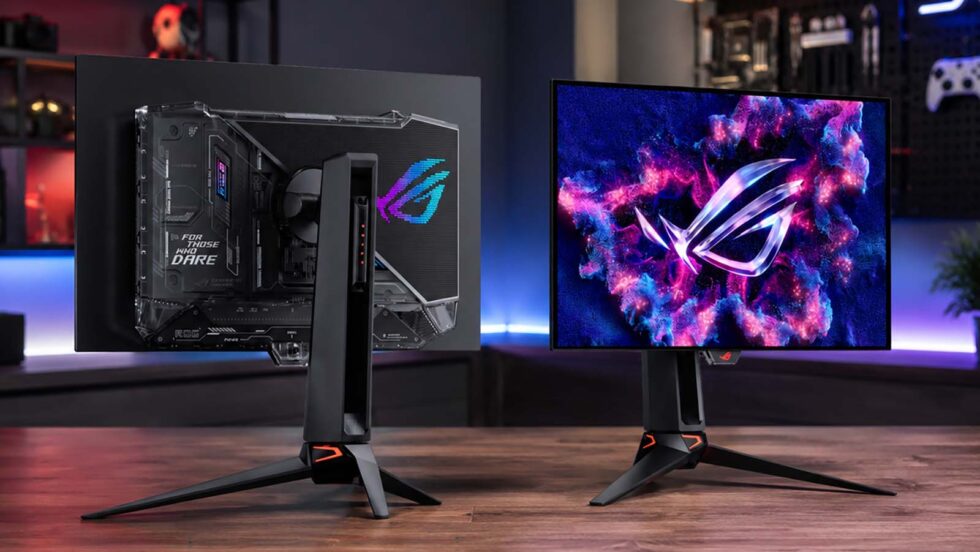
ASUS’s Dual Mode is the headline trick: one hotkey flips the panel from 4K at 240Hz to Full HD at 480Hz. On paper, it turns a single 4K 240Hz gaming monitor into an FHD 480Hz esports screen for titles like Counter‑Strike 2, Valorant, and Overwatch 2, where systems can push several hundred frames per second. The higher refresh brings elite motion clarity, while the lower resolution eases GPU load. ASUS even lets you scale the active area—the 26.5‑inch PG27UCWM can emulate a 24.5‑inch “esports” window, and the 31.5‑inch PG32UCWM can shrink to 24.5 or 27 inches so competitive players can cling to familiar sightlines.
In practice, Dual Mode asks a hard question: which setting is your real default? Full HD at 480Hz will look softer than native 4K, especially on the larger panel, and the known near‑black banding quirk of this Tandem WOLED generation becomes more visible at higher refresh rates because each frame has less time to charge pixels. ASUS leans on DisplayPort 2.1a UHBR20 and its full 80 Gbps bandwidth to make 4K 240Hz viable without color compression, but users still have to choose between perfect sharpness and maximum motion clarity. Dual Mode is powerful, but it is a conscious compromise, not magic.
Thermals, Sizes, and the Dark-Scene Asterisk
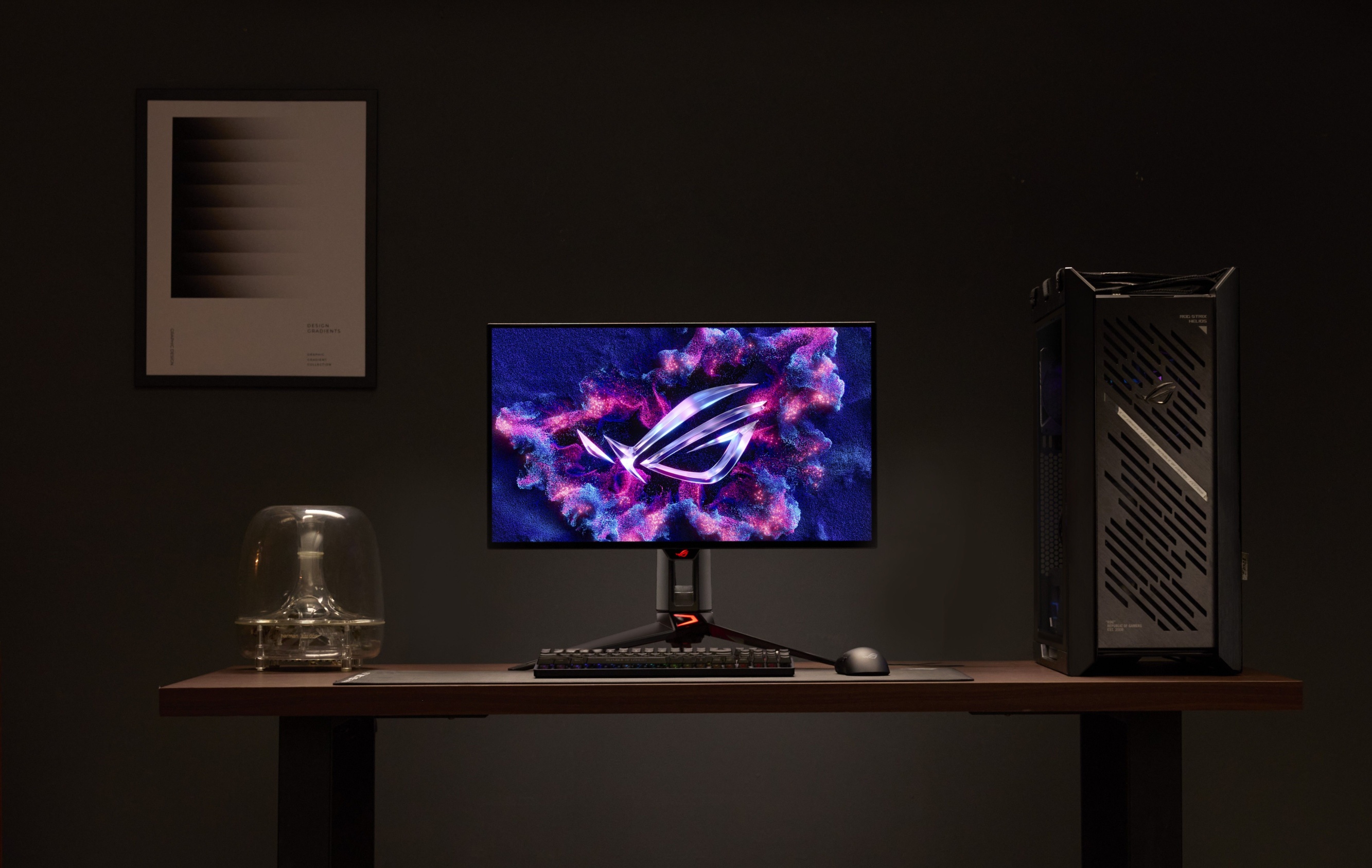
The two models are almost twins: the PG27UCWM uses a 26.5‑inch panel, the PG32UCWM steps up to 31.5 inches, with the smaller screen offering tighter pixel density and sharper text while the larger favors immersion. Both rely on a GaNFET (gallium nitride) power supply that ASUS says cuts waste heat by around 35%, lowering vent temperatures by up to 10% and extending panel lifespan. That matters because pushing 1,000‑nit HDR from multiple OLED stacks generates heat, and thermal control is the long‑term Achilles’ heel of high‑performance OLED.
Yet these competitive gaming displays share a known flaw. Since Tandem WOLED monitors began shipping in late 2025, experts have documented a uniformity issue at very low brightness, where the digital‑to‑analog converter’s micro‑current variation shows up as banding in dark scenes and desktop dark modes. ASUS and the panel maker have acknowledged the behavior, and tests on earlier models showed it most visible under 1 nit—conditions more common in horror games, dark UIs, and calibration charts than in brightly lit shooters. For most players, it will be an occasional annoyance, not a deal‑breaker, but anyone obsessed with near‑black perfection should treat this as a clear asterisk on an otherwise top‑tier panel.
Verdict: A Bold Default Choice for High-End PC Gamers
ASUS’s Tandem RGB OLED gaming push with the PG27UCWM and PG32UCWM is aggressive and mostly convincing. You get 1,000‑nit HDR, true blacks, a clean RGB stripe for text, and a genuine two‑monitors‑in‑one experience that spans cinematic single‑player and 480Hz esports. Connectivity is modern, with DisplayPort 2.1a UHBR20 and USB‑C making it easier to share the screen between a gaming tower and a laptop. The GaNFET power design shows ASUS is thinking about OLED longevity instead of chasing specs alone.
Still, calling this perfect would be generous. The banding issue at near‑black levels is a known limitation of this panel generation, and Dual Mode demands you accept softness at FHD or dial back to 4K 240Hz and give up the absolute fastest motion. If you want a single ASUS ROG OLED monitor that can plausibly replace both your cinema screen and your esports panel, these ROG Swift Tandem RGB OLEDs are the first credible attempt. Just walk in clear‑eyed about what they excel at—HDR punch, contrast, and versatility—and where they still fall short of specialist gear.