
Your Neck Is Telling Your Age—Here’s Why
Neck aging refers to the accelerated appearance of wrinkles, sagging, and textural changes on the thinner, drier skin below the chin, caused by structural differences in the dermis, fewer oil glands, chronic sun exposure, and repetitive movements that together make the neck look older than the face far earlier in life.
If your face looks smooth but your neck looks crepey, that mismatch is not bad luck—it is biology plus habit. Dermatologists point out that neck skin is thinner and more delicate than elsewhere, with both a thinner dermis and less fatty tissue underneath, which makes it more prone to wrinkling and sagging. On top of that, the neck has fewer oil glands than the face, so it dries out faster and lines form more easily. Strong, constantly active neck muscles then pull on the lower face, deepening jowls over time. Add years of skipped sunscreen and constant phone bending, and you have a perfect storm for rapid neck aging. The takeaway: if you ignore your neck, it will age faster than your face—and it will show.

The Biology Working Against Your Neck (and How Behavior Makes It Worse)
Once you accept that the neck is structurally disadvantaged, the next hard truth is that many daily habits accelerate damage. Because neck skin has a thinner dermis and less cushioning fat, it cannot absorb mechanical stress or collagen loss the way facial skin can. Fewer oil glands mean less natural lubrication, so even mild environmental dryness translates quickly into superficial wrinkling. Then there is "tech neck": those horizontal lines carved by constantly looking down at your phone, formed by repeated muscle movements that eventually become permanent folds.
Behavior piles on. People faithfully apply sunscreen and anti-ageing serums to the face, then stop at the jawline, leaving the neck unprotected even though UV damage is the main driver of collagen breakdown and laxity. According to board-certified dermatologists, neck skin is “100 percent susceptible to all the same concerns” as facial skin—and more. The opinionated bottom line: treating the neck as an afterthought is one of the most ageing beauty mistakes you can make.
Non-Surgical Neck Rejuvenation Starts at Home
Non-surgical neck rejuvenation does not begin in a clinic; it starts at your bathroom sink. If you want visible neck firming treatments without surgery, your daily routine has to pull real weight. First, daily SPF on the neck is non-negotiable; it is the most effective way to prevent UV-driven mottling, uneven tone, and the collagen breakdown that leads to laxity and wrinkles. This is neck aging prevention in its most practical form.
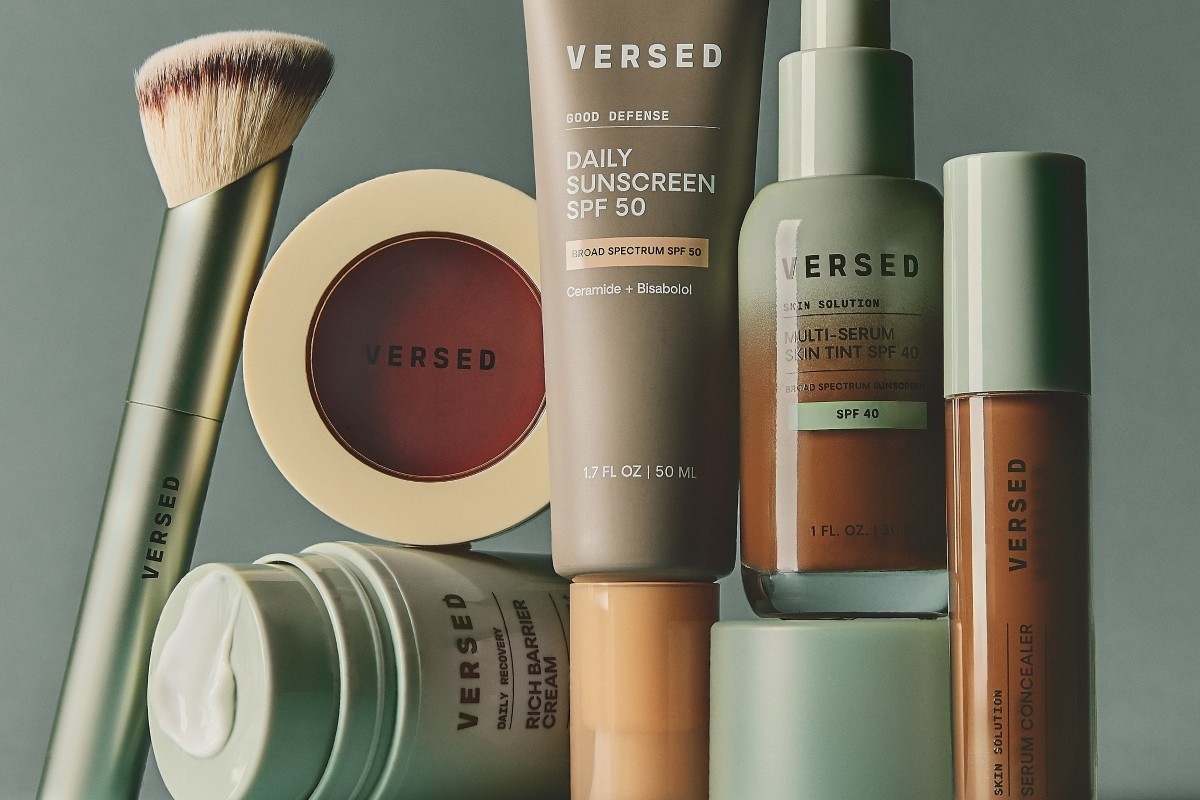
Second, bring your skincare routine south. Dermatologists say that any anti-aging ingredient used on the face—antioxidants like vitamin C, peptides, growth factors, and hydrating ingredients such as hyaluronic acid and glycerin—should also be used on the neck. Retinoids can help build collagen, but because the neck is drier and has fewer sebaceous glands, they should be used sparingly to avoid irritation. Neck creams can be a convenient way to combine these ingredients into formulas designed for this delicate area. Add at-home tools like microcurrent devices and LED masks for circulation and collagen support; while they cannot replace in-office procedures, consistent use over time can help tighten and lift the skin.
Professional Neck Firming Treatments: When a Clinic Makes the Difference
Topical care sets the foundation, but to significantly tighten and firm a lax neck without surgery, in-office neck firming treatments are often needed. Dermatologists recommend energy-based procedures such as Sofwave and radiofrequency microneedling, which heat the dermis to build collagen and improve laxity. These are classic non-surgical neck rejuvenation options: they stimulate your own tissue instead of cutting or lifting it. Biostimulatory fillers like Sculptra and Radiesse add another route to collagen production, helping to restore structure in sagging areas.
Discoloration on the neck responds better to resurfacing lasers or intense pulsed light, while tech neck lines may be softened with targeted neurotoxin injections. But neck skin scars more easily than facial skin, and these devices can be set from gentle to aggressive, so seeing a trained professional who knows how to treat the neck specifically is essential. In my view, the smartest strategy is layered: let your home care handle prevention and hydration, and reserve professional treatments for structural lifting and pigment issues.
Consistency Is Your Real Neck Lift
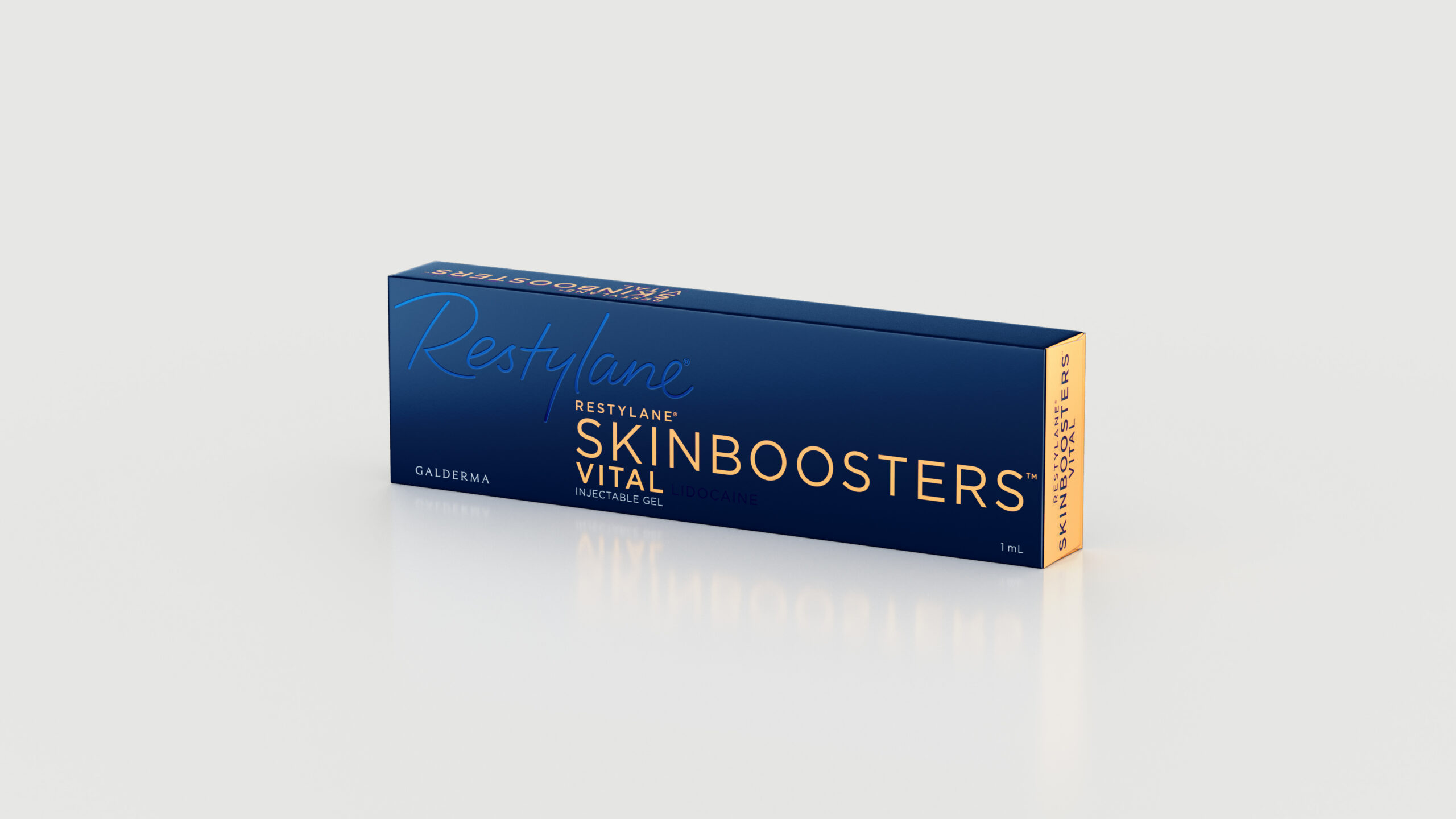
The most persuasive promise in aesthetics is not a miracle device; it is consistency. Hydrating and nourishing ingredients like vitamin C, peptides, growth factors, hyaluronic acid, and glycerin strengthen and firm the skin when used over time. At-home devices such as microcurrent tools and LED masks can be a helpful addition, but they depend on regular use to show results. The same goes for skin booster treatments and neck-specific products: sporadic use will not rewrite years of sun and tech neck, but daily application paired with SPF can meaningfully change texture and firmness.
The opinionated conclusion is simple: your neck only betrays you if you ignore it. Treat it as an extension of your face, not a separate afterthought. Marry diligent neck aging prevention—sunscreen, targeted ingredients, posture awareness—with periodic in-office procedures that build collagen and address laxity. Think of it as a partnership: your routine preserves, your dermatologist repairs. Over months, not days, that commitment becomes visible proof that non-surgical neck rejuvenation is not hype but hard-earned progress.