
A wider, shorter Fold that fixes the core usability problem
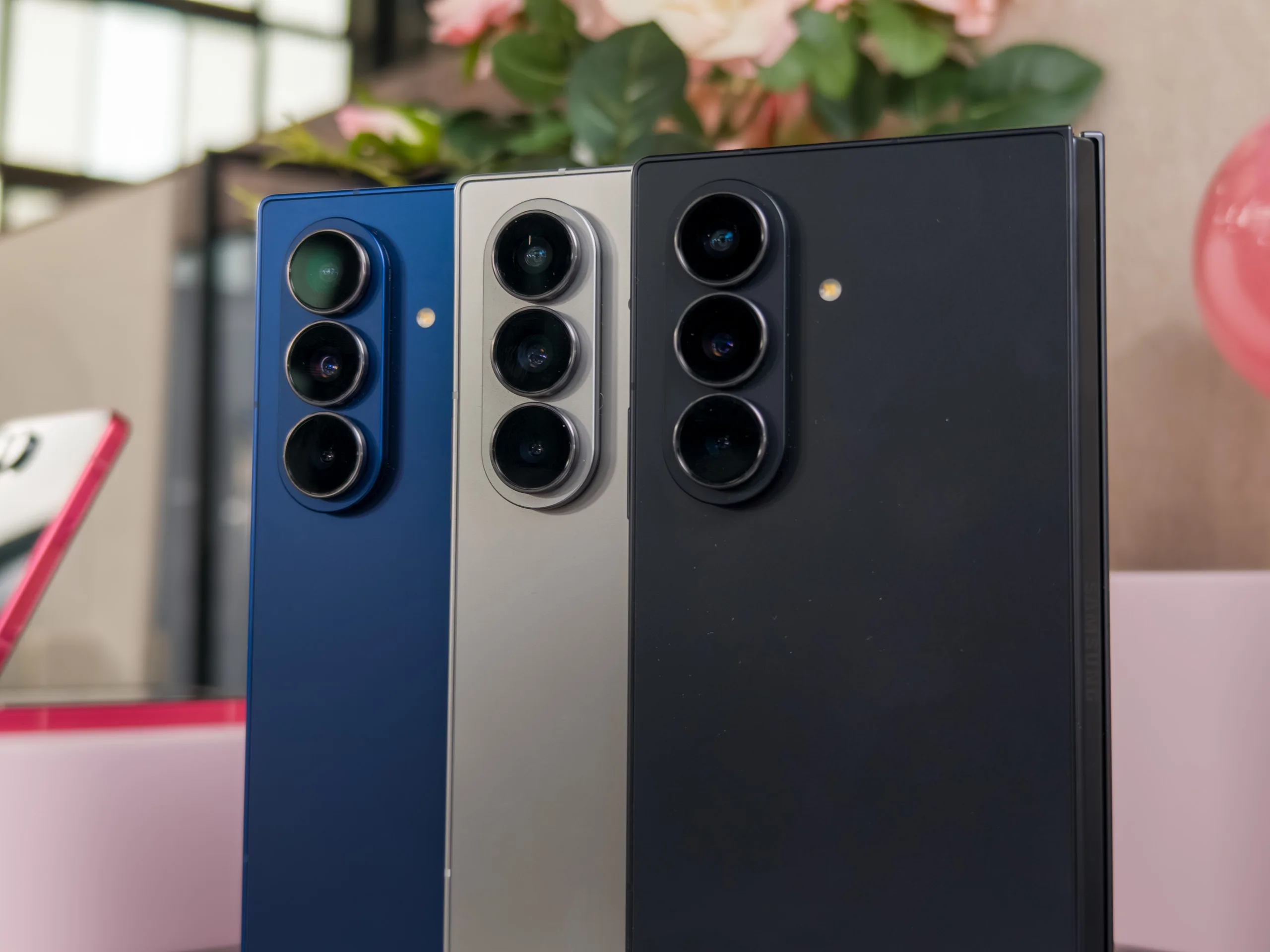
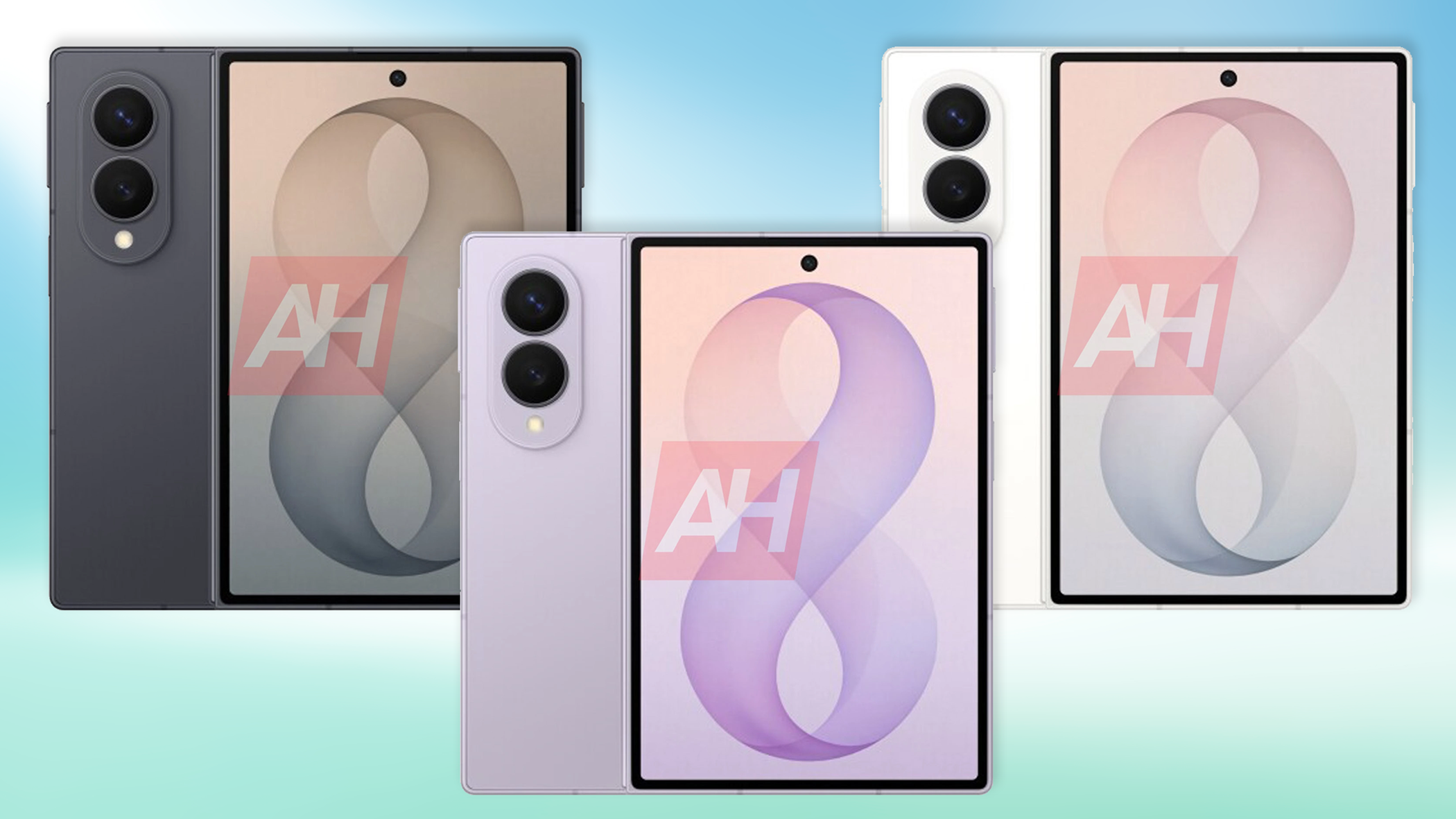
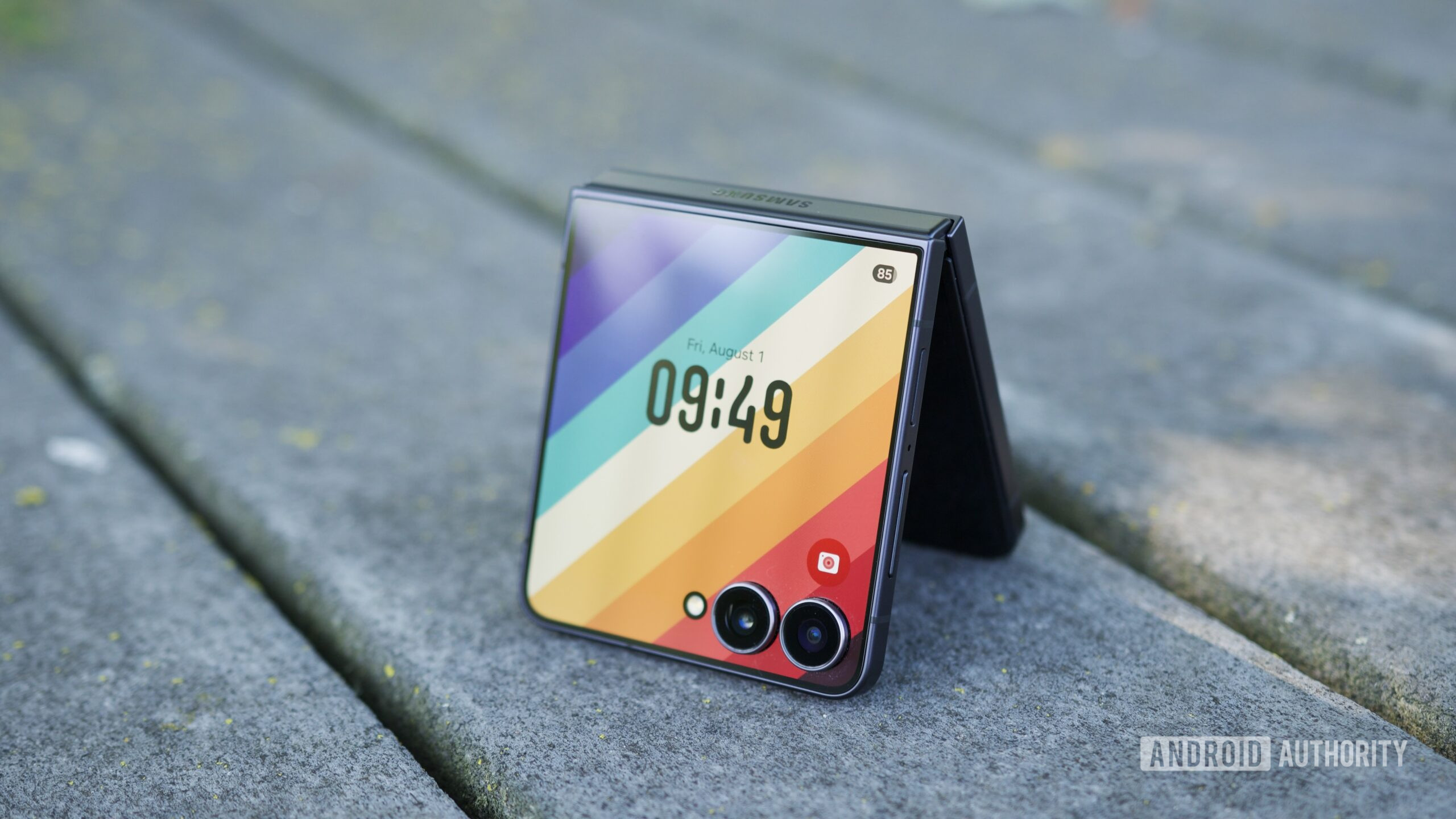
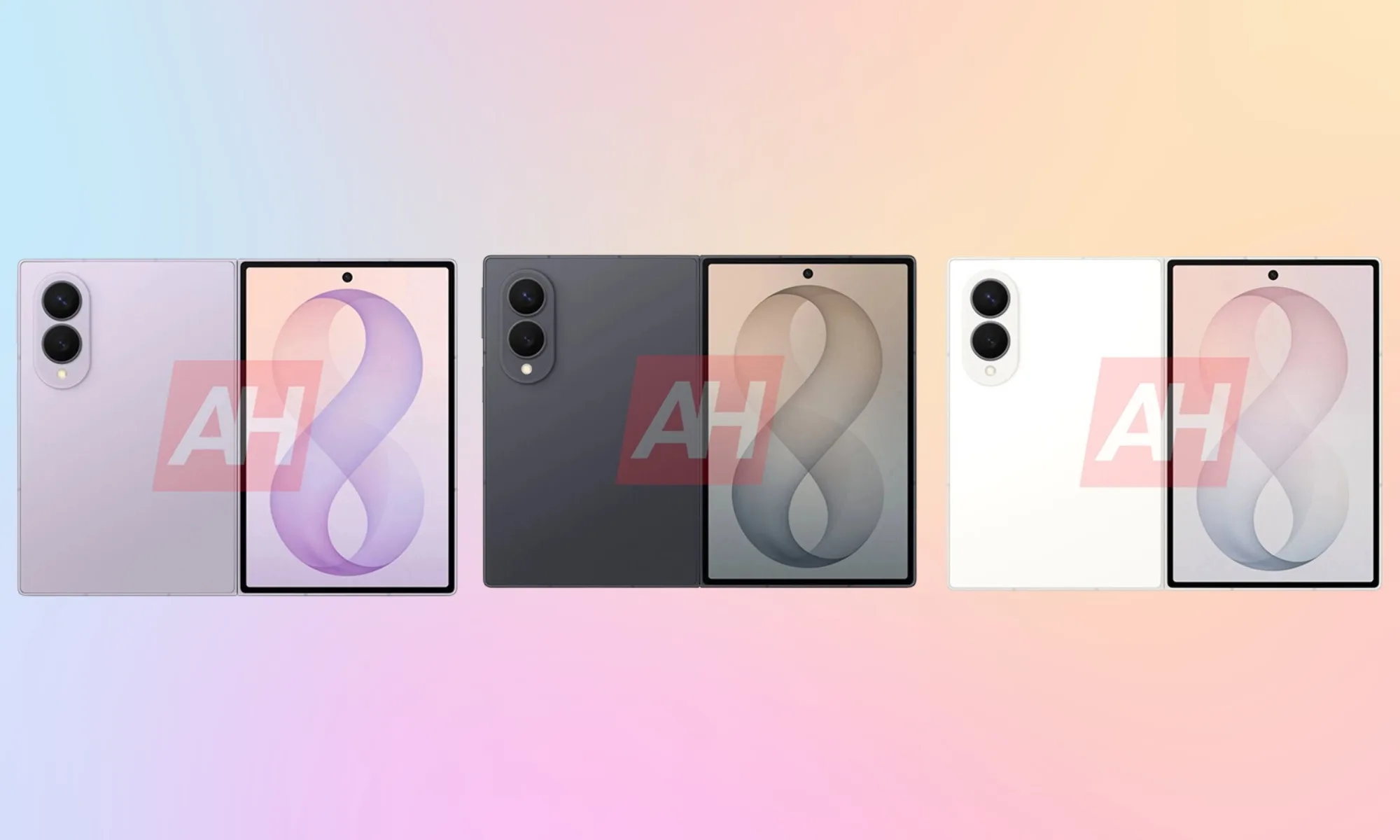
The Galaxy Z Fold 8 is a book-style foldable phone that introduces a shorter, wider "passport" form factor with a 5.5-inch cover display and 7.6-inch inner screen, designed to make both closed and open use more natural and comfortable than the tall, narrow layouts of previous Galaxy Z Fold devices. This is the change foldable users have been asking for, and Samsung is finally listening. For most of the series’ life, the Fold solved portability while creating a new problem: a remote-control-shaped front display that was awkward for typing and cramped for everyday one-handed use. By widening the foldable phone screen width and trimming the height, Samsung isn’t tweaking around the edges; it is admitting the old geometry was wrong and rebuilding the experience from the grip up.
Why the new aspect ratio matters for real work
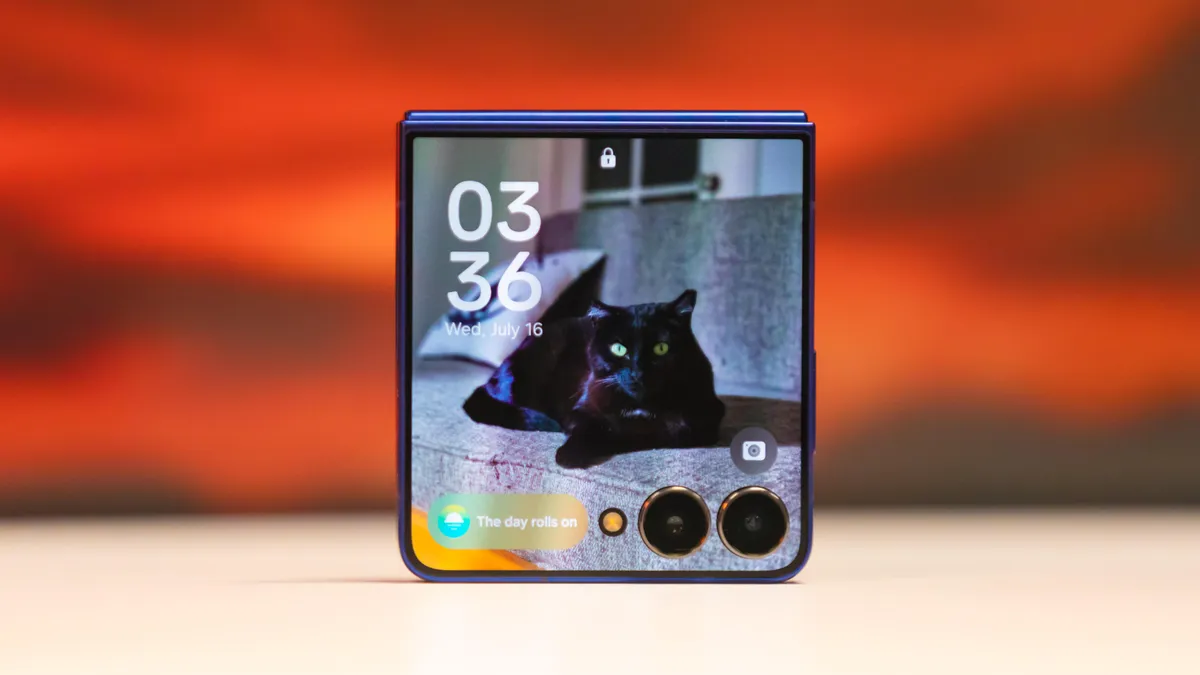
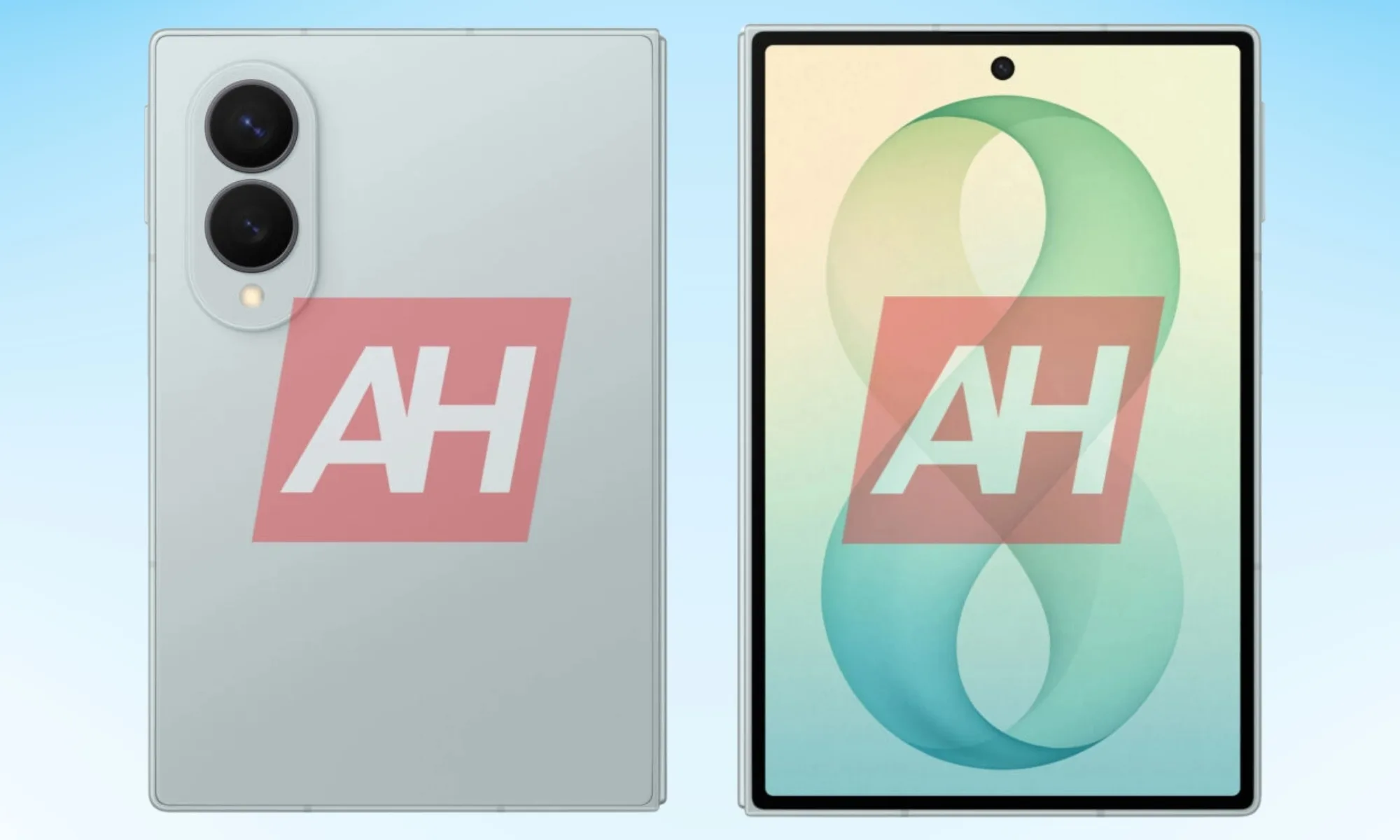
The headline upgrade in the Galaxy Z Fold 8 design is the wider inner display: 7.6 inches at 2,448 x 1,848 pixels, with a noticeably broader aspect ratio than earlier Folds. The outer screen follows suit at 5.5 inches and 1,972 x 1,248 pixels, finally wide enough that you can type without contorted thumbs and see more than a single skinny column of content. This isn’t just about comfort; it changes how productive a foldable can feel. Previous Folds forced apps into narrow lanes, often with black bars on the main display that wasted space and made landscape work clumsy. Here, the wider foldable display promises layouts that look closer to tablet or small laptop territory, the kind creative professionals and multitaskers expect from a device they rely on for serious computing instead of occasional novelty.
Thinner, lighter hardware that respects your hands
Samsung is finally treating hand fatigue as a design constraint. The wide Galaxy Z Fold 8 reportedly comes in at around 200–201 grams and just 4.5mm when unfolded, making it thinner and lighter than the Galaxy Z Fold 7 while also feeling more balanced thanks to its wider footprint. That matters to anyone who spends hours sketching, editing timelines, or reading on a foldable. A device that feels like a dense brick discourages extended use, no matter how strong the specs are. The 4,800 mAh battery is a clear upgrade from the Fold 7’s 4,400 mAh cell, paired with the Snapdragon 8 Elite Gen 5 "for Galaxy" chipset for both performance and efficiency. According to one leak, "Battery capacity on the Galaxy Z Fold 8 is expected at 4,800 mAh, a meaningful step up from the 4,400 mAh cell in the Galaxy Z Fold 7."
| Spec | Galaxy Z Fold 7 | Galaxy Z Fold 8 (wide) |
|---|---|---|
| Weight | Heavier Fold 7 | Around 200–201g (rumored) |
| Battery | 4,400 mAh | 4,800 mAh |
| Thickness (unfolded) | Thicker than 4.5mm | 4.5mm |
Durability upgrades that make a folding workhorse plausible
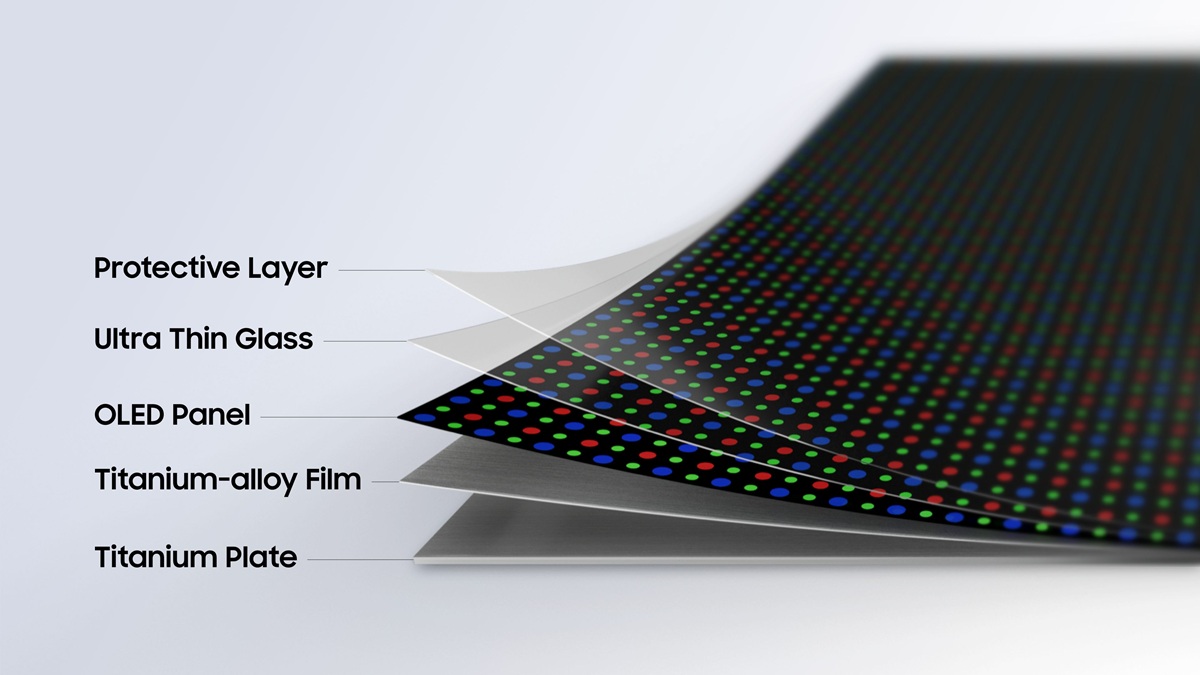
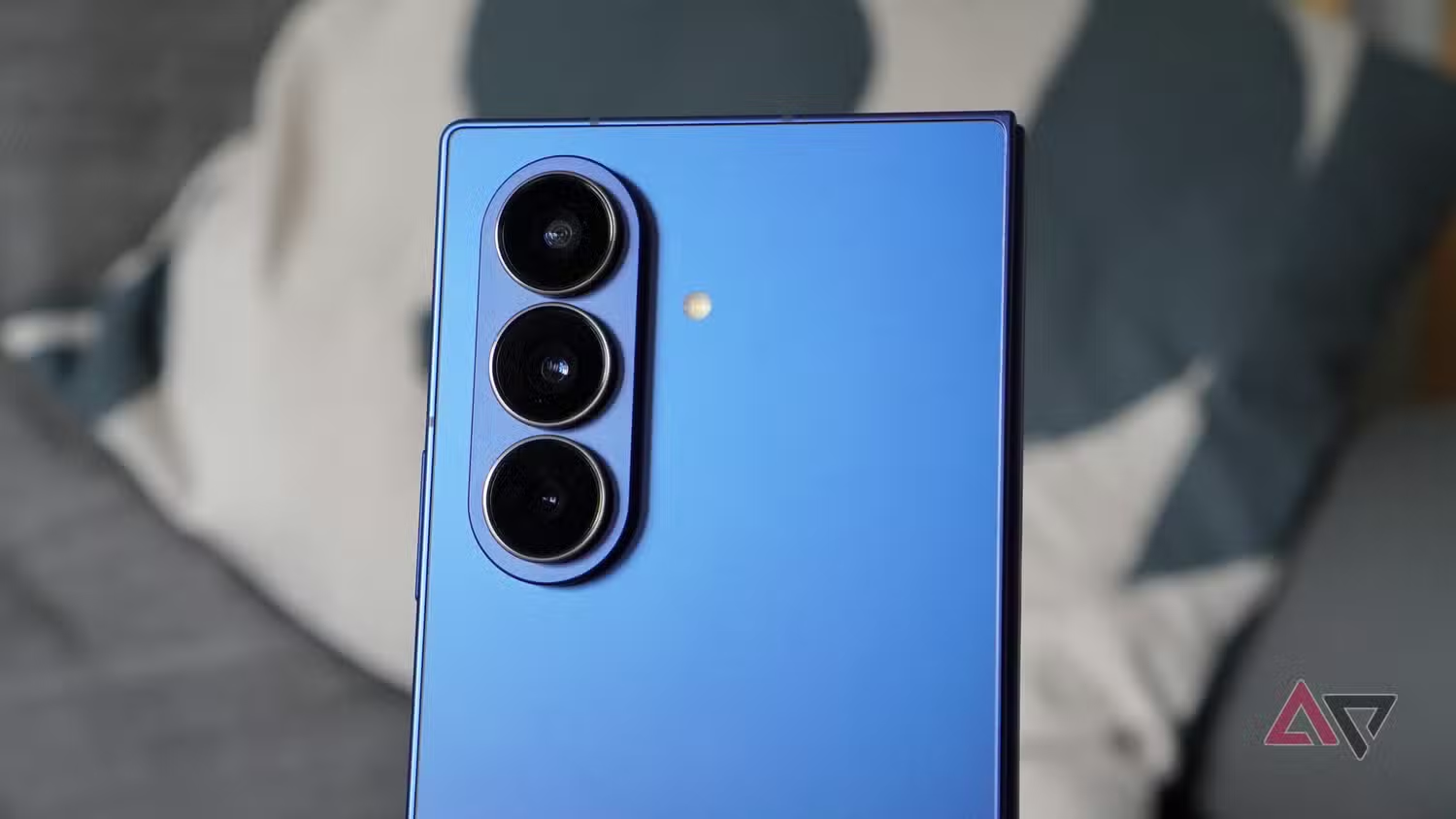
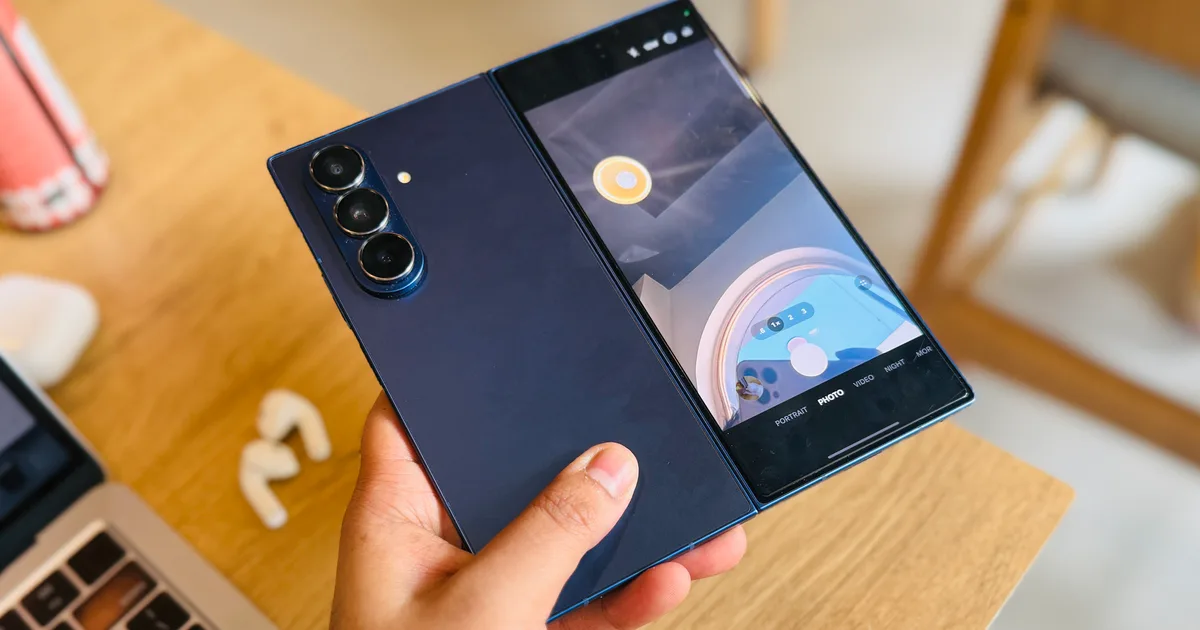
The most overlooked barrier to using a foldable as a primary work device is fear: fear of the crease, fear of the hinge, fear of dust and water. Samsung is pushing hard on that front. The Fold 8’s screen is set to use a new titanium substrate design that reduces crease visibility and improves durability, backed by Flex Titanium technology, which layers a titanium-alloy film over a titanium plate in the hinge to strengthen the mechanism. On the outside, the phone is expected to pair the latest Gorilla Glass on front and back with an aluminum frame and an IP48 dust and water resistance rating. Add 45W wired charging to cut downtime and seven years of operating system and security updates, and the Fold 8 stops looking like a fragile luxury toy and starts resembling a long-term tool you can depend on.
Pricing, timing, and why this Fold finally makes sense
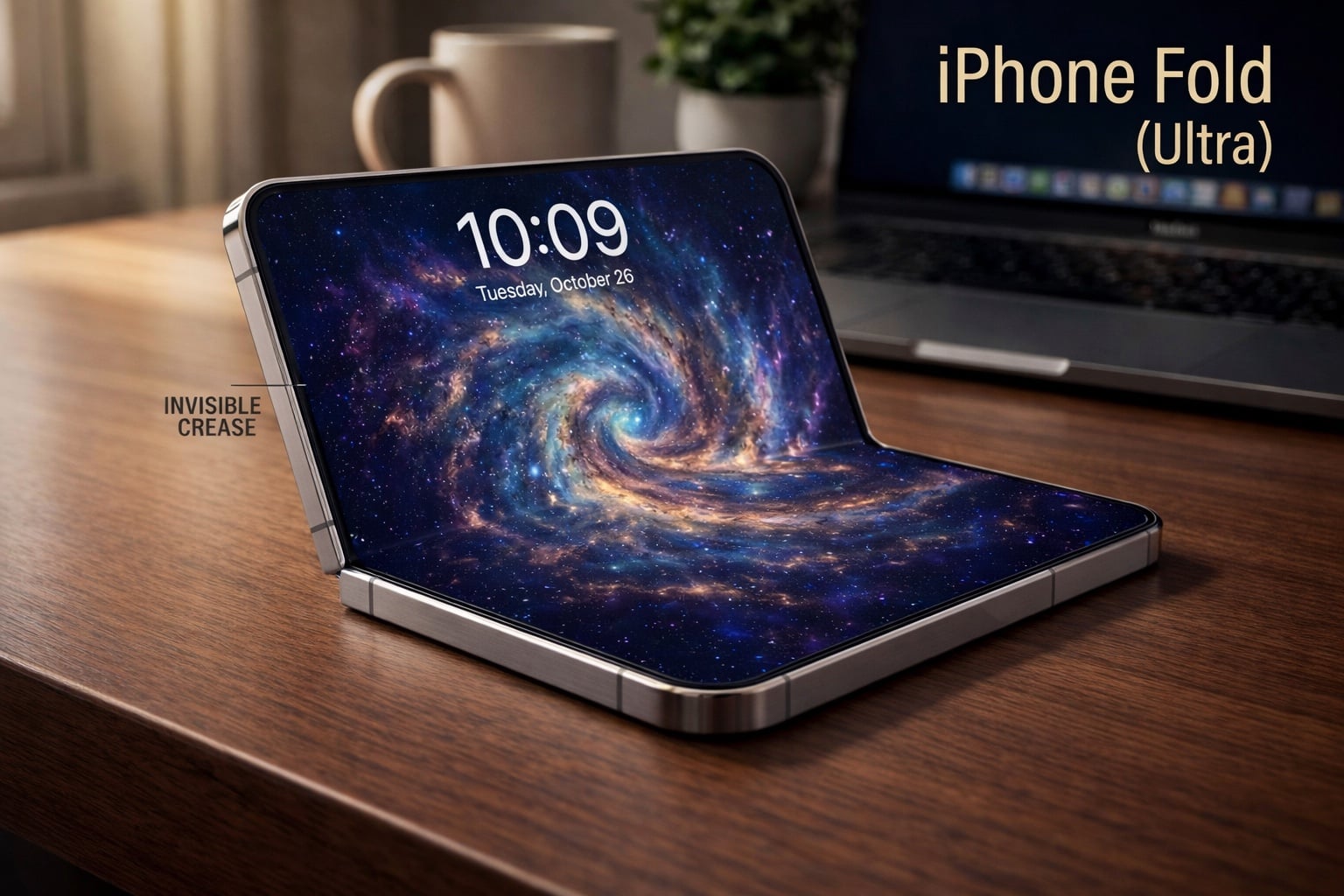
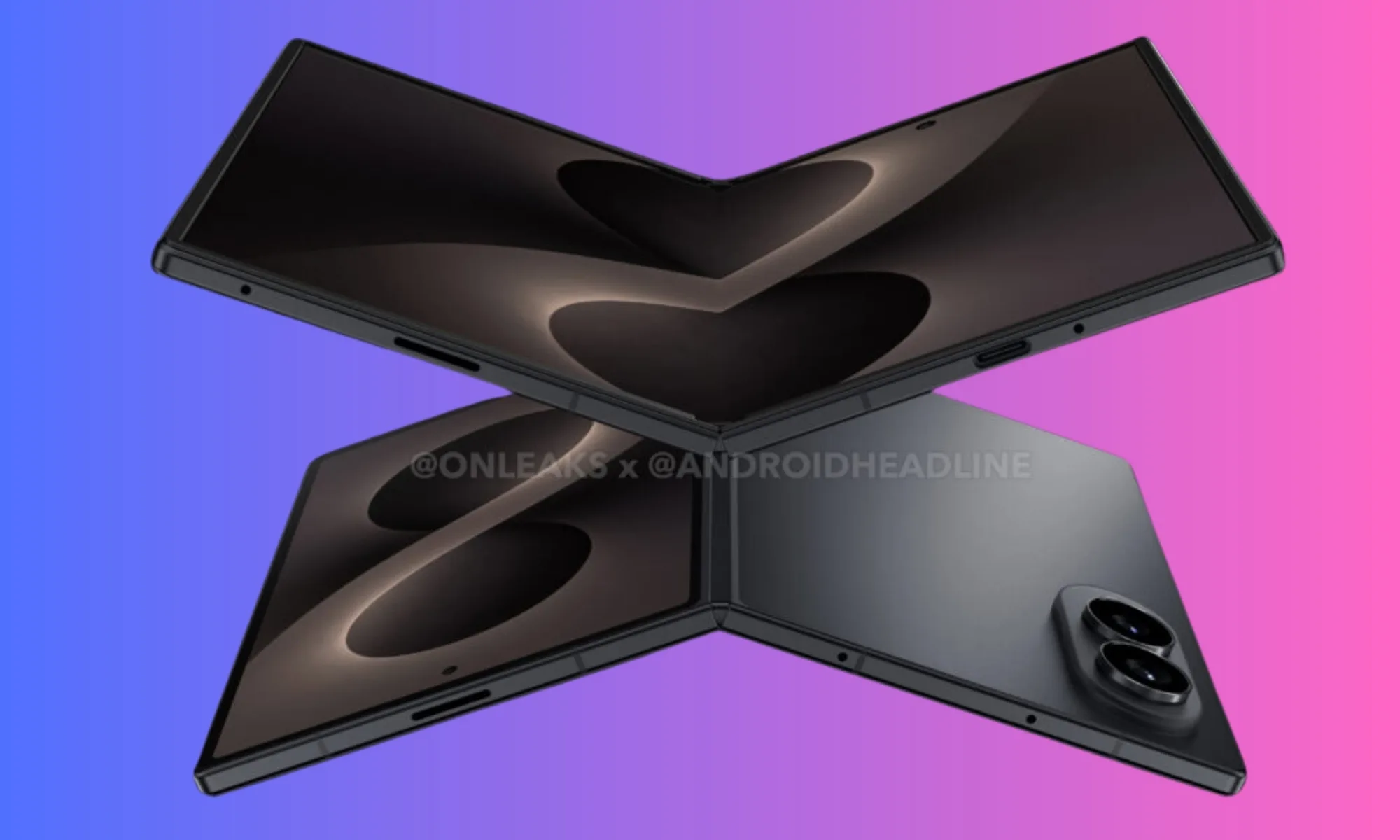
Samsung’s wider Fold 8 is expected to be announced as part of its foldable lineup on July 22, with retail availability around August 7. Recent rumors place the starting price at USD 1,899 (approx. ₱107,000) for 256GB of storage, putting it right against other high-end foldables. That is premium money, but this is the first Galaxy Z Fold that feels designed for daily work rather than tech demos. For the first time, it should be "as comfortable to use closed as it is open," narrowing the gap between foldables and large slab phones. If you can wait until September, competing launches will clarify the landscape, especially as another major player prepares an "Ultra" phone pitched on similar pocket-computer grounds. Still, the direction is clear: folding phones are graduating. The Galaxy Z Fold 8’s wider, shorter design is the turning point that makes the form factor credible for professionals, not just enthusiasts.