
Gaming audio is becoming the heart of the setup
Gaming audio is the ecosystem of headsets and speakers that deliver game sound, team chat, and everyday media across PCs, consoles, handhelds, smartphones, and cloud platforms, and it is now central to how people play, create, and communicate.
If you treat your headset as a disposable accessory, you are reading the room wrong. The global gaming audio market shipped 42.7 million units in 2025 and is projected to reach 52.8 million units by 2030, a clear sign that manufacturers are betting on long-term gaming audio market growth rather than one-off gimmicks. This steady climb is not about more of the same; it reflects a shift toward wireless gaming audio, smarter features, and gear that has to double as work and entertainment hardware. Many gamers are also content creators, streamers, and remote workers who expect a single headset or speaker system to handle multiple tasks. The takeaway: your next headset choice will shape far more than your KD ratio.
Wireless gaming audio is no longer optional
The biggest gaming headset trends start with one blunt reality: wires are on the way out. Only a few years ago, wireless gaming headsets were considered premium accessories; they are now becoming the default choice for many gamers. Advances in low‑latency wireless, Bluetooth LE Audio, and hybrid connectivity that mixes dedicated 2.4GHz links with Bluetooth mean you can keep game audio locked in while still taking phone calls or streaming music from a smartphone.
This is not only about convenience. Cleaner desks, fewer snagged cables, and freedom to move all reduce friction during long sessions. Many wireless gaming headsets offer 30 to 70 hours of use on a single charge, so you spend more time playing and less time babysitting a battery. Because gamers tend to hold onto headsets for several years, they now wait for meaningful improvements—better wireless reliability, higher‑quality audio, improved microphones, and comfort—before upgrading. That pressure pushes brands to make wireless performance solid enough that going back to wired feels like a downgrade.
Immersive sound technology and AI are reshaping in‑game audio
Modern games live or die by immersive sound technology. Competitive players rely on positional cues like enemy footsteps, while story‑driven titles lean on cinematic surround mixes to sell their worlds. Manufacturers are leaning into this, improving spatial and surround sound, noise‑isolating earcups, richer bass, and overall sound quality to turn audio into a genuine competitive advantage. Many premium gaming headsets now include customizable equalizer settings so you can tune profiles for shooters, racing, RPGs, or sports games instead of accepting a one‑size‑fits‑all sound.
At the same time, AI audio is starting to transform how headsets behave in real time. Many newer gaming headsets already include AI‑powered background noise suppression, voice isolation, microphone enhancement, and automatic audio optimization. As AI improves, expect more personalized audio experiences tailored to individual hearing and play styles. This matters because microphone performance is critical for many gamers and carries significant weight in how expert reviewers judge headsets. One caveat: active noise cancelling is still a question mark for gaming; some highly‑rated models skip ANC entirely, and reviewers admit they are not yet sure how important ANC performance is for gamers.
From single-purpose gear to all‑day communication hubs
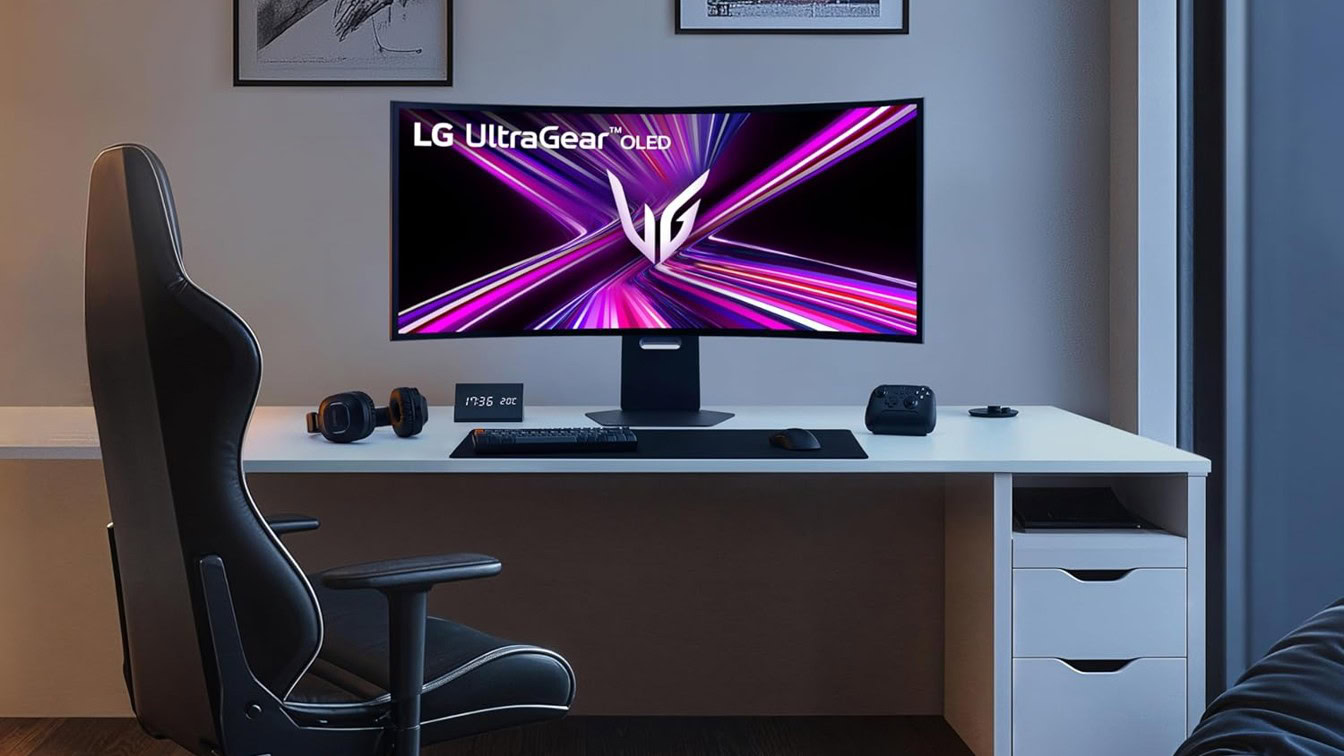
Your gaming desk is no longer only about games. It is where you watch movies, listen to music, join video meetings, record podcasts, and stream. That shift has turned headsets and speakers into central, always‑on tools. Futuresource expects gaming speaker shipments to continue growing through the end of the decade as people build multifunction gaming and entertainment spaces. In parallel, the broader gaming audio market is expected to grow steadily through 2030 as wireless becomes standard and audio quality continues to improve while gaming overlaps more with entertainment, content creation, and everyday communication.
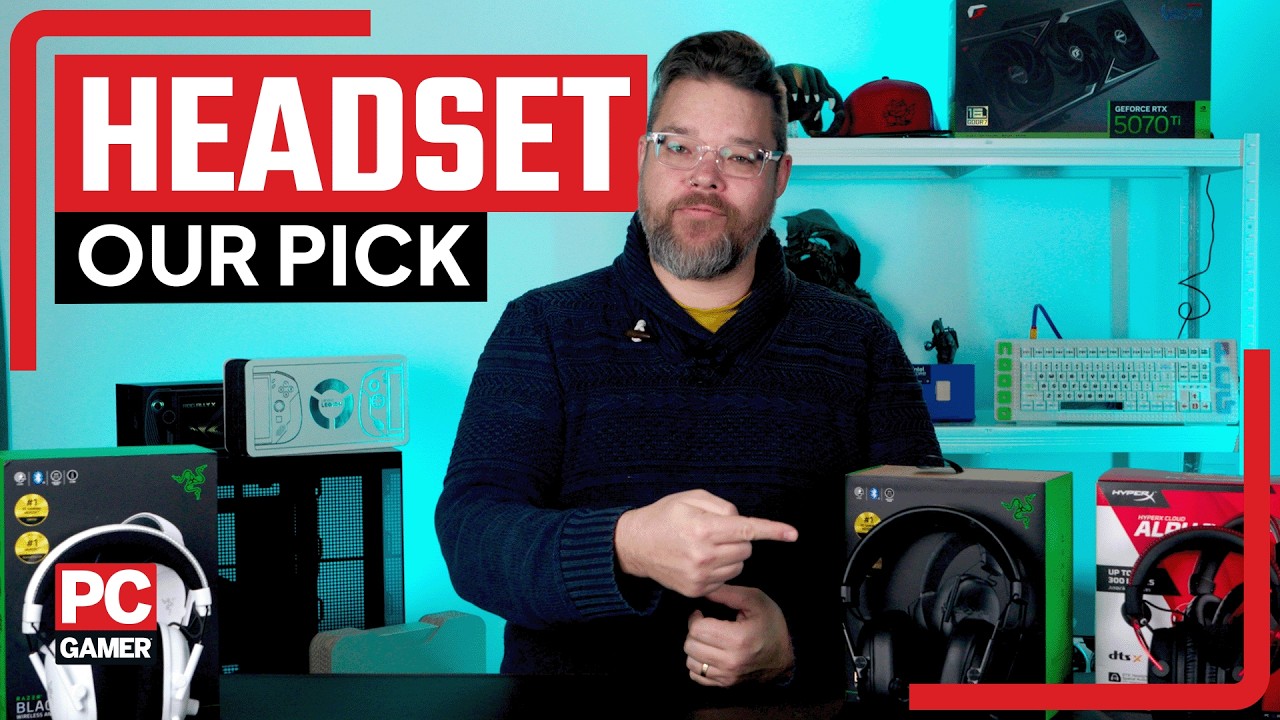
This evolution makes comfort and durability more important than flashy RGB. Longer sessions across gaming, livestreaming, remote work, and online meetings drive demand for lightweight designs, memory foam ear cushions, breathable materials, and better weight balance. Because many gamers now wait longer before upgrading, it often makes sense to invest in a higher‑quality headset that will remain useful for years instead of chasing the cheapest deal. Whether you are a casual gamer, an esports competitor, or someone who needs one headset for gaming, streaming, music, and work, taking time to compare features, compatibility, and long‑term value is what will decide whether your next purchase feels like an upgrade or a sidegrade.
Market growth means smarter buying, not faster upgrading
The most important signal in gaming audio market growth is not volume; it is direction. The market is expected to experience steady expansion through 2030 as wireless tech becomes standard, sound quality improves, and audio gear serves wider roles in daily life. Futuresource also expects blockbuster releases like Grand Theft Auto VI to drive new waves of interest in gaming audio as players chase more immersive sound, better communication, and greater comfort.
For buyers, that should change how you think about your next upgrade. You do not need to replace a headset every year. Instead, you should time your purchase around meaningful shifts: better wireless gaming audio, smarter AI features, and immersive sound technology that gives you both an edge in‑game and a better experience across movies, music, and meetings. The direction of travel is clear: the headset is no longer a side accessory. It is the centerpiece of the modern gaming and entertainment setup, and choosing well now will pay off for years.