
DHT Shampoo vs Medication: The Short Answer
DHT-blocking shampoos and medical hair loss treatments are two different approaches: shampoos are cosmetic products marketed to target the hormone linked to male pattern baldness, while drugs like minoxidil and finasteride are clinically tested therapies that directly treat hair thinning and loss through proven mechanisms in controlled studies. If your hair is only starting to thin and you want a low-commitment, over-the-counter option, a DHT blocking shampoo can be a reasonable support step, but it should not replace medically approved hair loss treatment for men once shedding becomes noticeable or advanced. For established male pattern baldness, medication remains the main line of defense, and shampoo is best seen as a possible add-on, not the star of the show.
Bottom line: DHT-focused shampoos suit cautious, early-stage users who want a gentle, cosmetic intervention without a prescription. Medical treatments suit anyone serious about slowing or reversing androgenetic hair loss and willing to commit to daily, long-term use backed by clinical data.
How DHT-Blocking Shampoos Work (and Where They Fall Short)
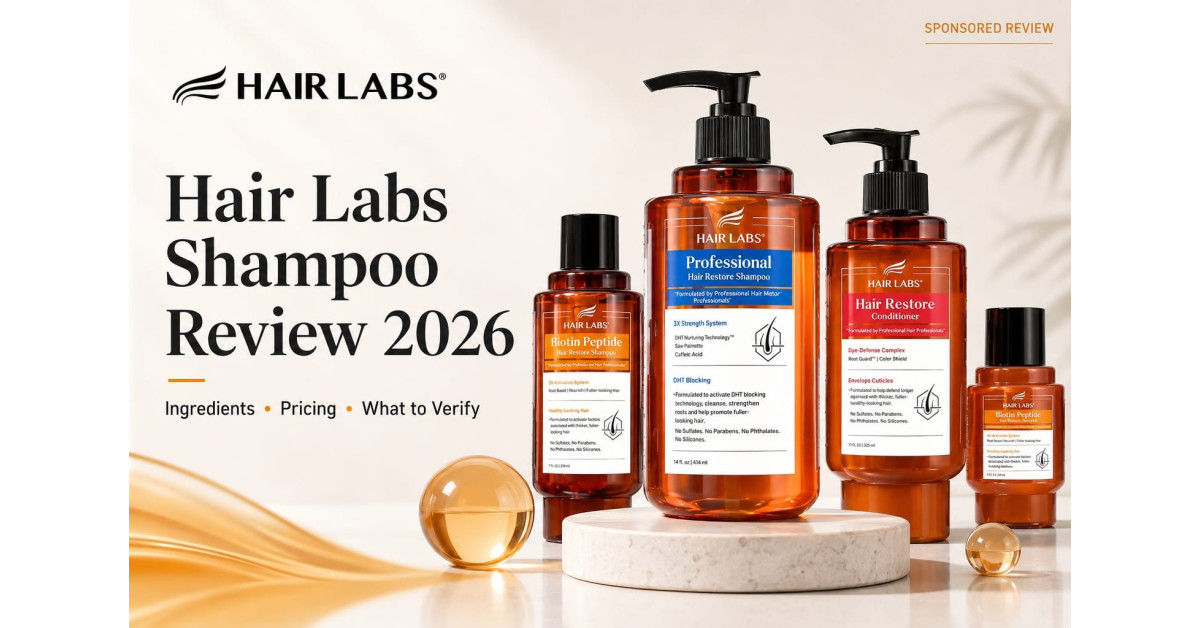
Hair Labs Professional Hair Restore Shampoo is marketed for men and women concerned about thinning hair, using language like “DHT Halting Technology,” androgenetic hair loss, reduced shedding, and visible regrowth. It positions itself as a DHT blocking shampoo aimed at people actively searching for products that address DHT-related pattern thinning. The formula includes cosmetic ingredients such as aloe vera, surfactants, panthenol, botanical extracts like saw palmetto and rosemary, biotin, niacin, and various plant oils and extracts. This kind of product is easy to access, needs no prescription, and can be folded into your normal shower routine as the best shampoo for thinning hair if you value convenience and scalp care.
The key trade-off is evidence: the review of Hair Labs did not find finished-product clinical proof that the shampoo blocks DHT, stops hair loss, or regrows hair to a clinically meaningful extent, and it remains classified as a cosmetic shampoo rather than an FDA-approved hair loss treatment. There are also transparency concerns: ketoconazole was mentioned in a meta description but not in the full ingredient list, and even basic details such as refund windows and use frequency showed conflicting information on the same site. This does not mean the shampoo is useless, but it does mean you should treat its DHT claims as marketing, not medicine.
| Spec | DHT-Blocking Shampoo (Hair Labs) | Medical Treatments (Minoxidil / Finasteride) |
|---|---|---|
| Regulatory status | Cosmetic shampoo; no FDA approval as a hair-loss drug | Both are FDA-approved drugs for hair growth and hair loss treatment men |
| Evidence standard | No controlled finished-product clinical trial found showing DHT blocking or regrowth | Clinically tested, backed by proven science and proven technologies to restore hair |
| Main aim | Marketed to support thinning hair and target DHT via cosmetic ingredients | Directly stimulate regrowth (minoxidil) and block DHT (finasteride) in androgenetic alopecia |
| Access | Over the counter cosmetic; priced from USD 22.99 to 92.99 (approx. ₱1,285–₱5,186) depending on size and bundle | Available over the counter; cost varies by brand and strength but must be bought regularly for ongoing use |
| Best use case | Preventative or early-stage thinning; scalp cleansing and cosmetic fullness support | Early to advanced pattern loss; cornerstone of a serious hair loss regimen |
Medical Hair Loss Treatments: When You Need Real Clinical Backing
For medical hair loss treatment in men, topical foams and oral drugs built around minoxidil and finasteride are still the primary options with solid clinical backing. According to the article on best hair loss treatments, “Chief among these are minoxidil and finasteride, which are the only FDA-approved drugs for hair growth (and are both available over the counter)”. Dermatologist Dr. Knox Beasley notes that men noticing early thinning should focus on proven treatments like minoxidil to stimulate growth and finasteride to block DHT, addressing both regrowth and follicle protection even in advanced cases. These therapies are designed to treat androgenetic alopecia directly, not just make hair look thicker, and they sit at the heart of any serious effort to slow or reverse balding.
The catch is commitment and monitoring. Hair regrowth with medical treatments is slow; you may not see meaningful change for at least three months, with fuller results appearing in six months to a year, and you must keep using them consistently or results can fade. Experts stress compliance as the key factor—if you cannot stick with a regimen for six to twelve months, you are unlikely to get what you want from it. You also need to pay attention to ingredient transparency and dermatologist guidance: look for products using ingredients that have proven scientific backing for their effect on hair growth, rather than vague claims.
When to Use Shampoo, When to Use Medication (and How to Combine Them)
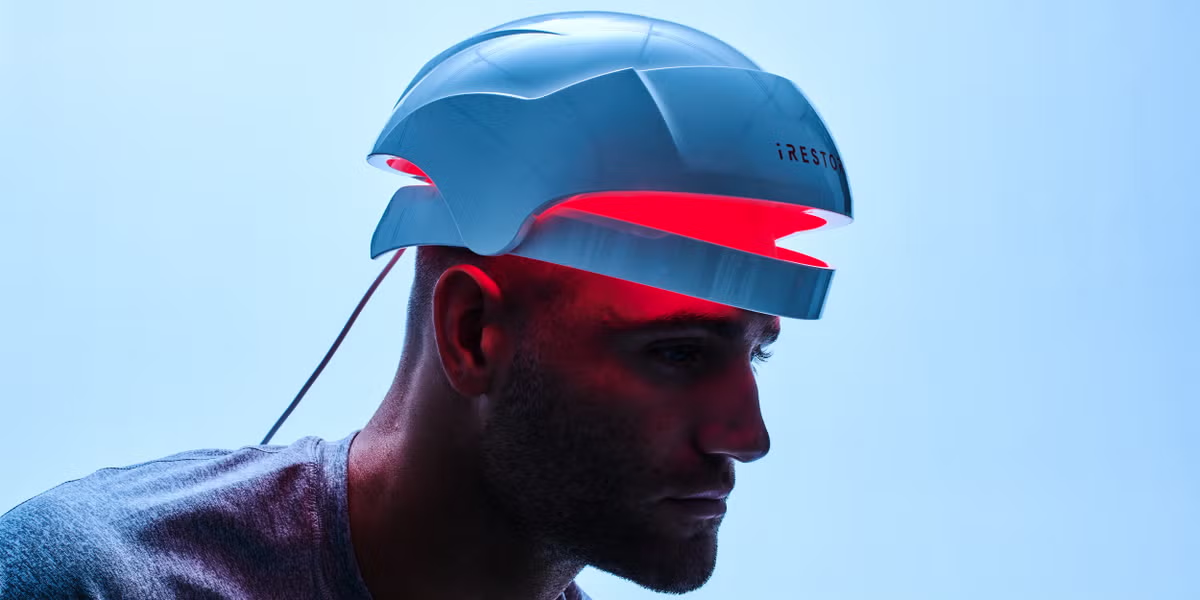
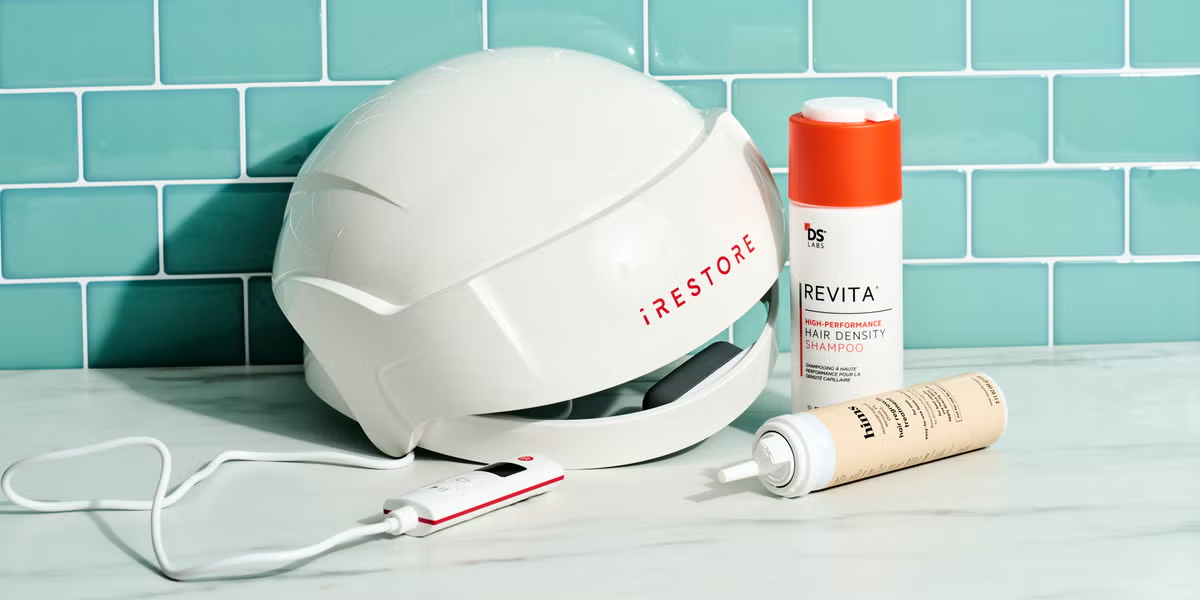
Where does a DHT-blocking shampoo fit alongside medication? Thickening shampoos and cosmetic DHT-focused formulas are best seen as preventative or early-stage support: they can help keep the scalp clean, may assist with cosmetic fullness, and work comfortably as daily or near-daily grooming steps. The expert view is that men with early thinning should still prioritize proven treatments like minoxidil and finasteride, and then layer in thickening shampoos or low-level light therapy devices to boost results. For more advanced hair loss, medical treatment is the main driver of change, while the shampoo plays a supporting role at best.
Cost-effectiveness depends on your expectations and ability to stay the course. Hair Labs is accessible, with prices starting at USD 22.99 (approx. ₱1,285) and reaching USD 92.99 (approx. ₱5,186) depending on the bottle size and bundle. But any hair product, cosmetic or medical, requires long-term purchase: hair regrowth is slow, and you need enough supply to cover at least several months while still being able to afford repeat buys. Add in the wider problem that the hair-loss market includes plenty of “snake oil” products that do not deliver, and ingredient transparency becomes vital. Conflicting claims about key ingredients or refund policies, as seen in the Hair Labs review, are red flags you should scrutinize before spending.
Buy if / Skip if
- Buy the DHT-blocking shampoo if you are in the earliest stages of thinning, want the best shampoo for thinning hair, and prefer a low-commitment, cosmetic option that fits into your usual shower routine.
- Skip the DHT-blocking shampoo if you expect it to work like an FDA-approved hair loss drug or deliver proven DHT blocking and regrowth on its own, because no finished-product clinical evidence currently supports those claims.
- Buy the medical treatments if you want a hair loss treatment men can rely on for clinically tested regrowth and DHT control, and you are prepared to use minoxidil and/or finasteride consistently for at least six months.
- Skip the medical treatments if you know you will not stay compliant for six to twelve months, or if you are more interested in basic cosmetic thickening than tackling androgenetic alopecia directly.
- Buy the DHT-blocking shampoo if you already use minoxidil or finasteride and want a supporting product that aligns with DHT-focused marketing while you focus your serious effort on proven medication.
- Skip the DHT-blocking shampoo if ingredient transparency issues and conflicting brand information—such as unresolved questions about ketoconazole, guarantee windows, and use frequency—make you uncomfortable with the level of clarity provided.