
Manscaping in Summer: Do Less Damage, Not Less Hair
Summer manscaping is the practice of trimming or removing body hair during hot months with extra attention to tool choice, shaving technique, and post-care products that reduce irritation, razor bumps, and trapped hairs on sweat-prone skin. If your default warm‑weather plan is “hack it off and hope for the best,” you are setting yourself up for stingy showers, angry red bumps, and ingrown hairs. Manscaping in heat is less about going hairless and more about body hair grooming safety: keeping your skin barrier intact while getting the look and feel you want. The point is not perfection; it is control. A smart summer grooming routine respects that your skin is already under stress from sun, friction, and frequent showers, so every move you make should lower the risk of more irritation, not add to it.

Prep and Tools: Set Yourself Up for a Safe Trim or Shave
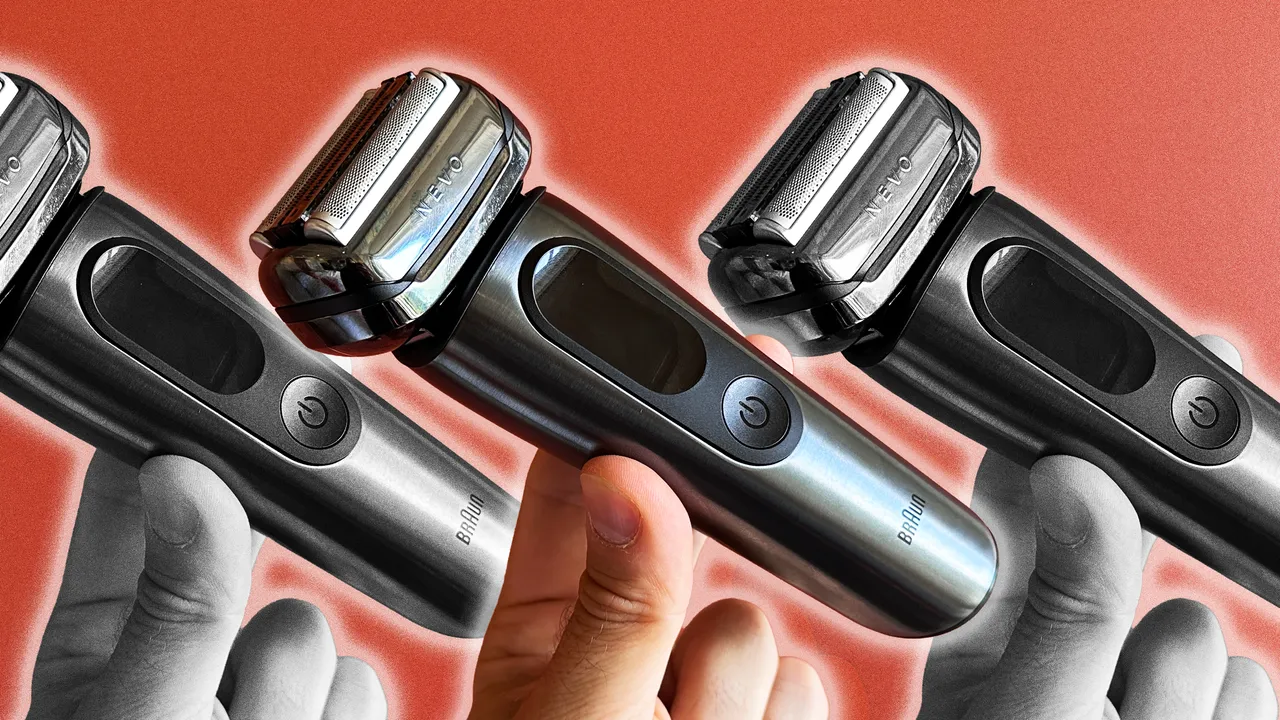
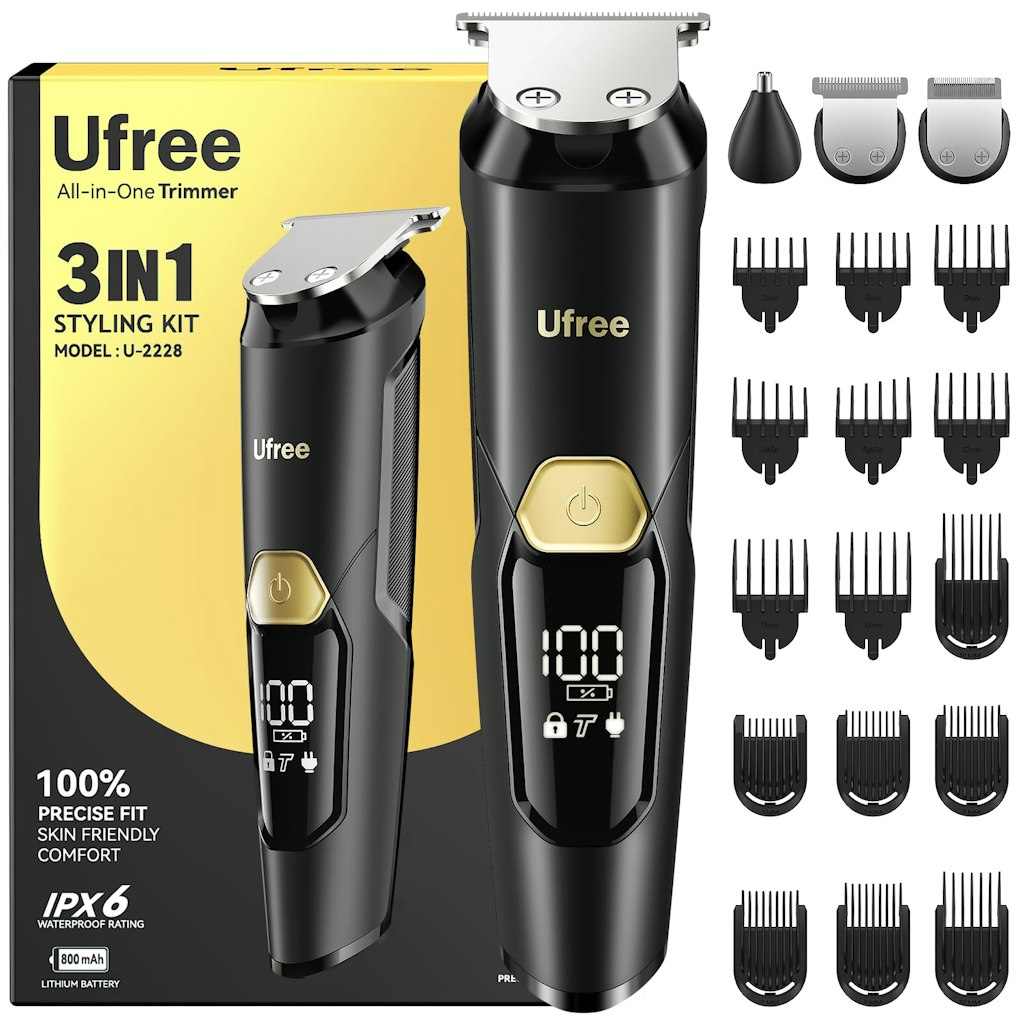
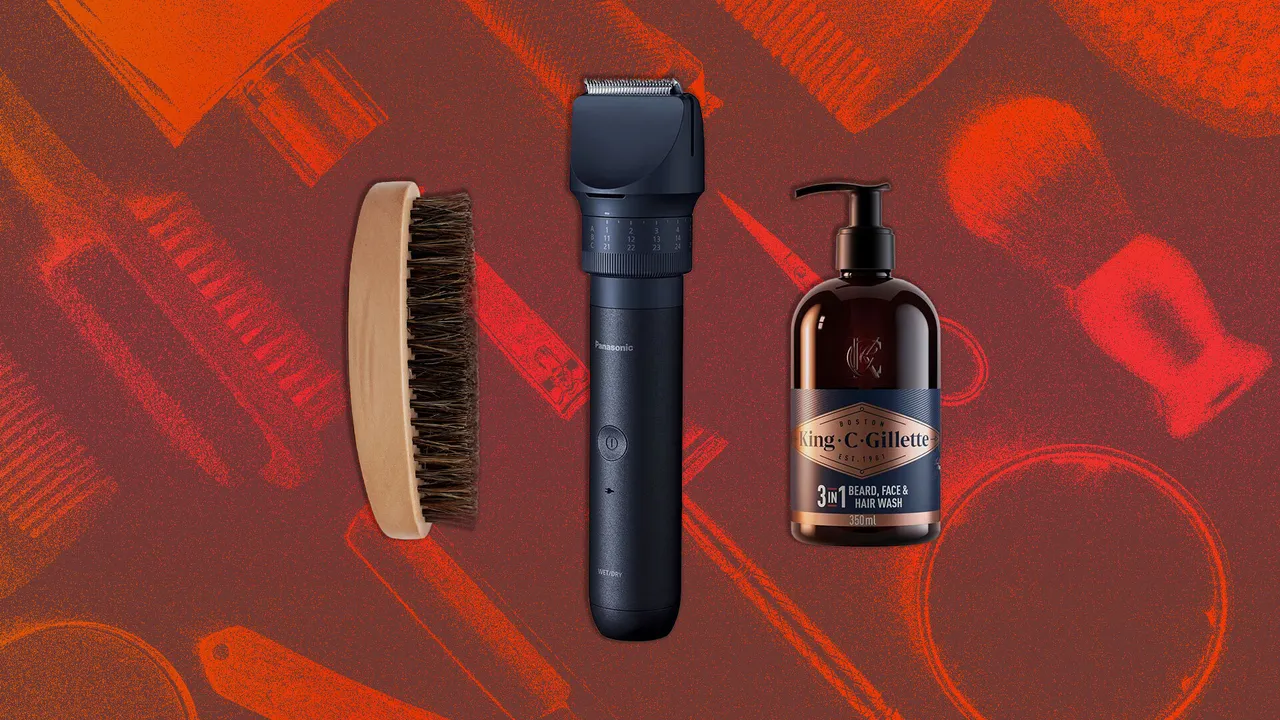
If you want fewer nicks and less drama, preparation and tools matter more than bravery. For chest, torso, and stomach, you should use a trimmer with multiple settings or comb attachments so you can start longer and go tighter as you perfect your technique. That single step is the difference between a controlled shape and a shredded T‑shirt neckline. When you do shave to the skin, save shaving for after the shower, or immediately after one, because warm water softens coarse pubic hair and relaxes the skin so it is easier to shave. Public advice from dermatology experts is clear: a hydrating, lubricating shaving cream plus shaving in the direction your hair naturally grows cuts your risk of razor bumps and ingrown hairs. According to Dr. Ryan Turner, a well‑lubricated shave and going with the grain dramatically reduces your chances of razor bumps and ingrown hairs.
Zone-by-Zone: Tailor Your Technique to the Terrain
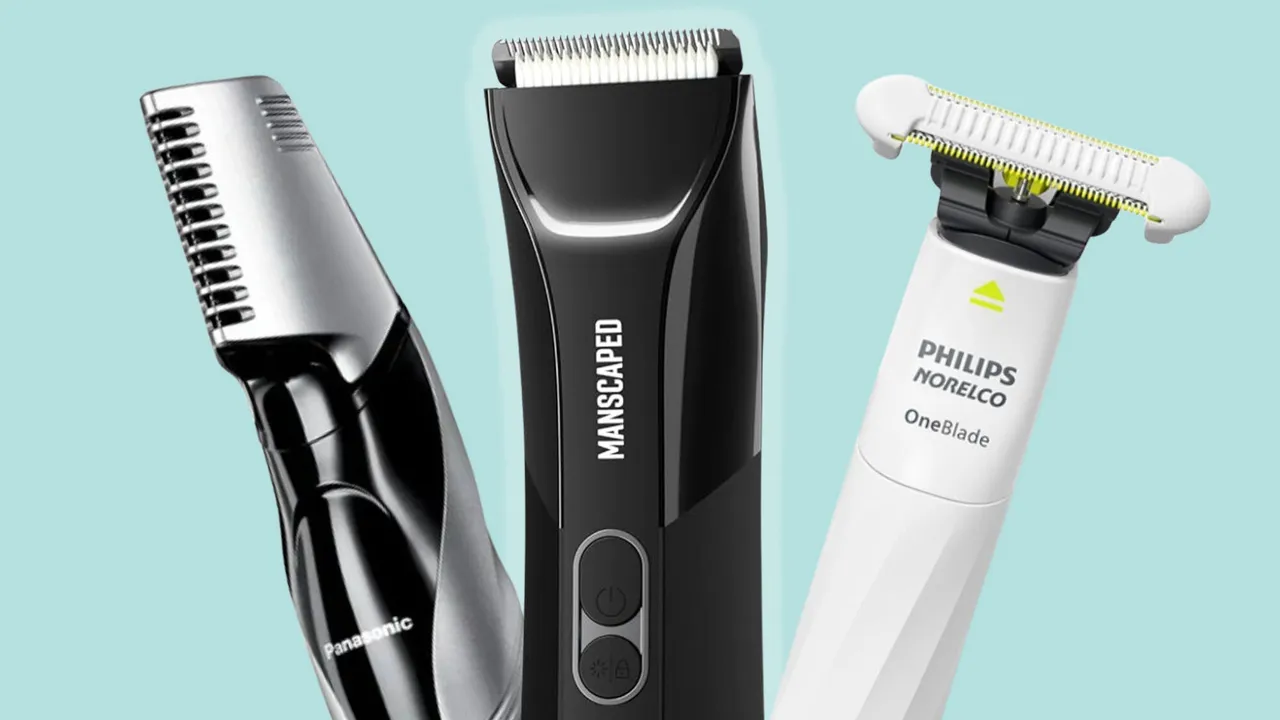
Treat your body like a map, not a uniform field. The chest, torso, and stomach can handle a guarded trimmer first; using those multiple settings lets you dial in anything from a neat “Power Mow” uniform trim to more sculpted looks without slicing your skin. The groin is another story. Here, ergonomics and blade safety matter, because you are shaving complicated areas like your scrotum and undercarriage that demand slow, steady movements and equipment designed to maneuver safely. When choosing pubic trimmers, prioritize safer blades and protective guards, intuitive ergonomics, and waterproof construction so the tool can handle different hair lengths without tugging, snagging, or irritating. That is body hair grooming safety in practice: match the method and device to the zone, instead of forcing one aggressive approach everywhere and wondering why your skin revolts.
Razor Bumps, Ingrowns, and Summer-Specific Aftercare
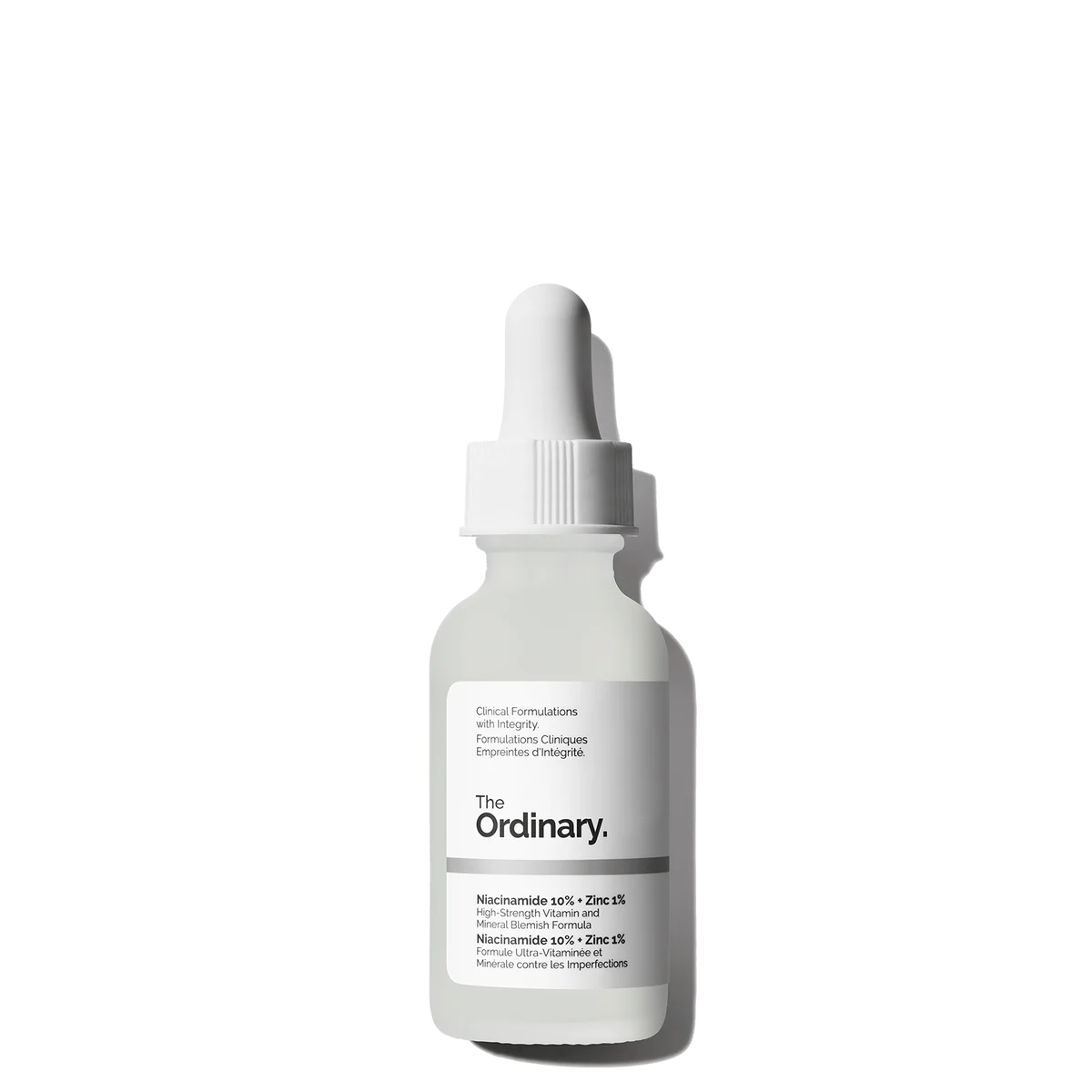
Summer grooming is unforgiving if you ignore aftercare. For razor bumps prevention, the basics still rule: shave with a hydrating, lubricating cream and go with the grain whenever possible. Finish with moisturizer; whether you trimmed or shaved, applying a lightweight, fragrance‑free moisturizer afterward helps restore the skin barrier and reduce irritation. If you are prone to ingrowns, look for anti‑irritation and anti‑ingrown features that help release trapped hairs and minimize pressure that leads to bumps. Mild redness after shaving or waxing is a warning sign, not something to power through; a thin layer of Bacitracin ointment can protect compromised skin and prevent infection. Shaving and waxing can strip the epidermis, causing irritation and dryness, so a hypochlorous acid wash or spray will keep the area clean and calm while your barrier recovers.
When Less Is More: Trimming, Moisture, and Sunscreen in Heat
You do not have to go hairless to be groomed; in summer, trying to remove everything often backfires. If you prefer to keep your hair full‑on “Papa Bear,” that is a valid choice, but your summer grooming routine still matters. Dermatologist Dr. Josh Zeichner recommends switching from cream‑based moisturizers to gel‑style hydrators or thinner lotions, which disperse better and penetrate skin when you have more hair. Sunscreen can be tough to apply to dense body hair, so sprays are practical for those areas—as long as you remember to rub them in for proper coverage. Adding a jojoba body oil can help keep thicker hair looking more controlled instead of frizzy or wild. The grown‑up move is to decide how much hair you want, then adjust hydration, protection, and trimming to keep both your skin and your ego comfortable.