
Chrome 150 on Android: A Small Update That Changes Everyday Browsing
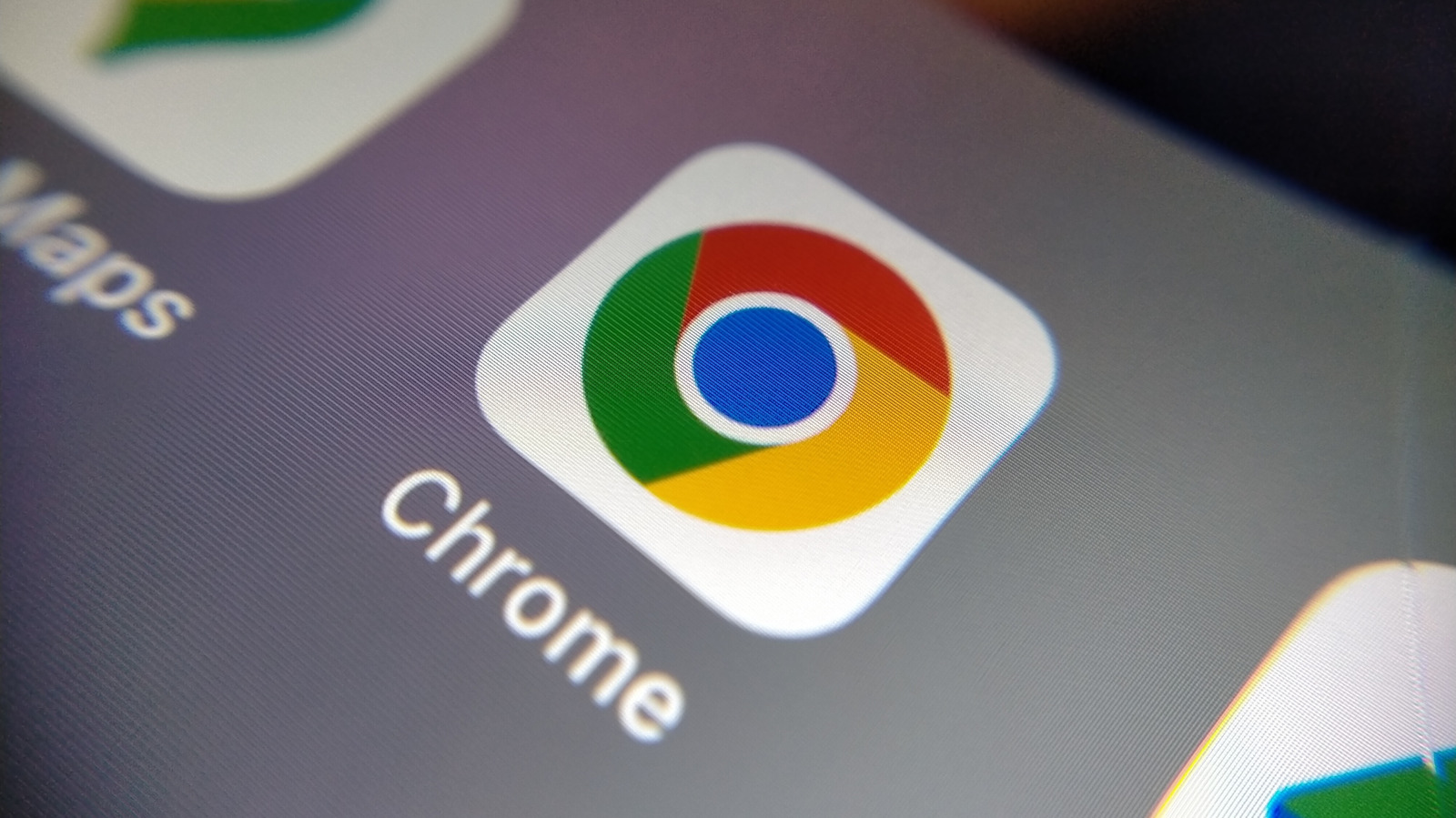
Chrome 150 on Android is a browser update that introduces an in-menu back button, reorganizes the interface, and delivers desktop-grade security fixes to make mobile browsing more consistent and predictable across devices. This is the first Chrome 150 Android release, identified as version 150.0.7871.114, and it is rolling out gradually through Google Play with stability and performance improvements alongside the visual tweaks. On paper, that sounds like a routine Android browser update. In practice, it closes a long‑annoying gap with iOS, trims some design oddities, and quietly raises the security floor for millions of users who will never read a changelog. If you spend hours a day in your browser, these are the kinds of changes that matter more than flashy experimental features.
The New Chrome Back Button: Android Finally Catches Up to iOS
The headline change in Chrome 150 Android is the dedicated back button inside the three‑dot overflow menu, sitting right next to the forward button. Until now, Android users saw only a forward button there and had to rely on the phone’s system back gesture or navigation controls to go to the previous page. That design always felt half‑finished, especially when Chrome for iOS has offered an in‑menu back button for some time; version 150 finally brings the same experience to Android and narrows feature parity between the two platforms. The important point is not the icon itself, but what it signals: Google is admitting that system gestures are not enough, and that visible, predictable controls still matter. For anyone bouncing between iOS and Android, Chrome will now behave in a more consistent, muscle‑memory‑friendly way.
UI Reorganization: Better Controls, At the Cost of Your Habits
To make room for the Chrome back button, Google reshuffled parts of the overflow menu. The old site information button has been removed from the main row, replaced by a "Site controls" option inside the menu, and the "Add to Home screen" label is now "Install and create shortcut". Bookmark and download icons have also moved, which means long‑time users will tap the wrong items for a while until muscle memory catches up. That friction is real, but it is also the price of a tidier layout where navigation and site‑specific controls are easier to understand. A browser menu should reflect how people use the web today, not the frozen priorities of five years ago. Chrome 150 takes a step in that direction by promoting navigation clarity over preserving outdated menu positions.
Chrome Security Fixes: The Quiet Reason This Update Matters
The most important part of this Android browser update is invisible: Chrome 150 brings the same security fixes already shipped to desktop, unless otherwise noted. The desktop release includes 27 security fixes across components, with two critical use‑after‑free vulnerabilities patched in Ozone (CVE-2026-15112) and Views (CVE-2026-15129). High‑severity issues in Extensions, Autofill, WebRTC, Forms, Navigation, WebGL, and the JavaScript engine are also addressed. In plain terms, attackers now have fewer ways to exploit your browser, and Google is withholding some bug details until most users are protected. One quotable takeaway: "The desktop Chrome 150 update includes 27 security fixes, addressing vulnerabilities across several browser components." If you care about privacy or use your phone for work, the security side of Chrome 150 is the non‑negotiable reason to install it promptly.
Rolling Out Now: Why You Should Care About Chrome 150
Chrome 150 is rolling out through Google Play over the coming days, so some Android users will see the back button, menu changes, and security fixes before others. When the update hits your device, you gain clearer navigation controls and the same protection level already available on desktop, with no extra effort on your part. You do, however, give up a bit of menu familiarity. That is a fair trade. Browsers are utility tools, and utility should win over habit. This Chrome 150 Android release shows Google focusing less on flashy experiments and more on practical quality‑of‑life and safety improvements. The gap between iOS and Android Chrome continues to shrink, and that is good news for anyone who expects their browser to behave the same way wherever they sign in. Update, adjust your taps, and enjoy a browser that gets out of the way a little more.