
Waze’s Big Shift: Conversational AI as a Safety Feature
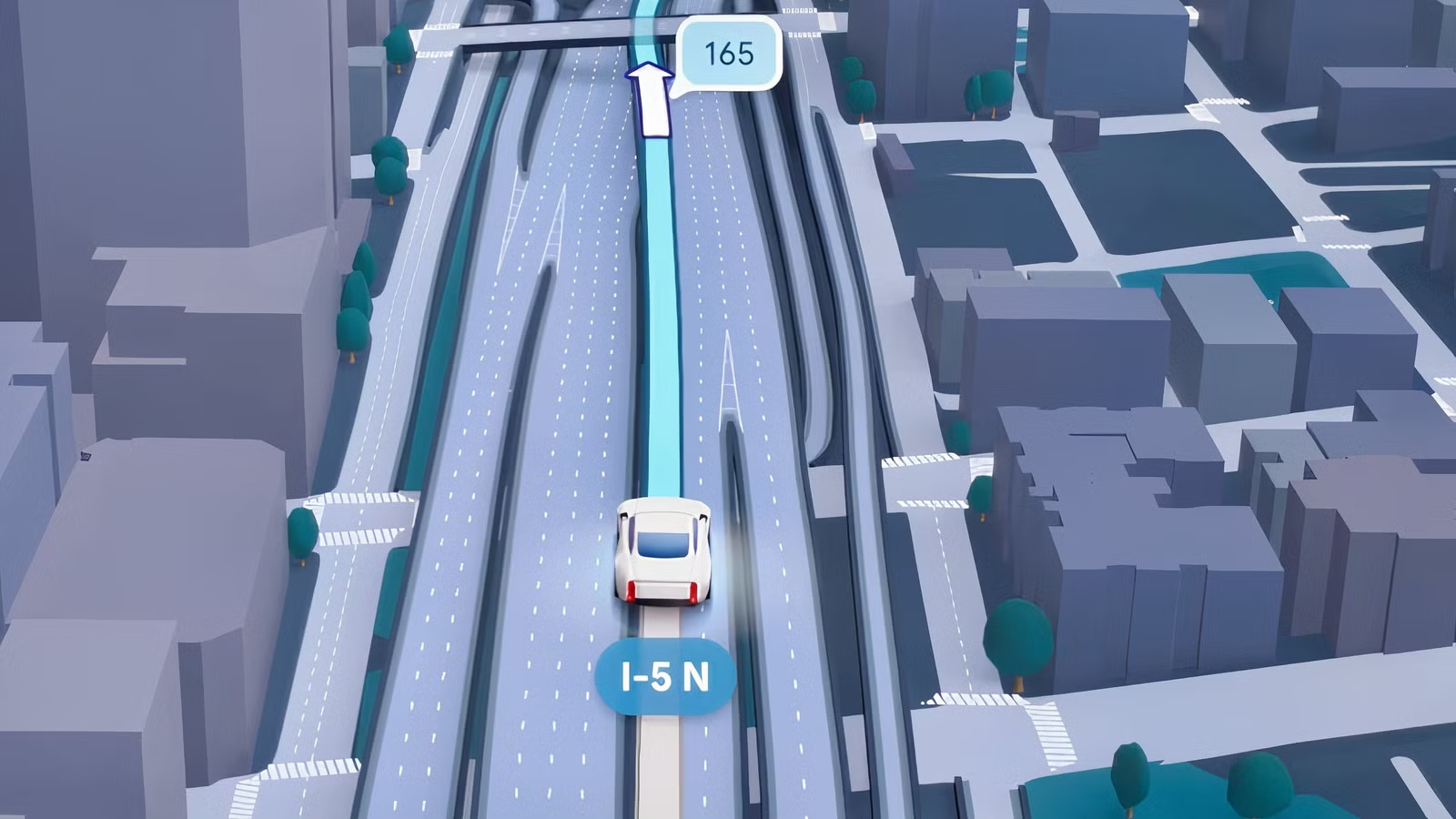
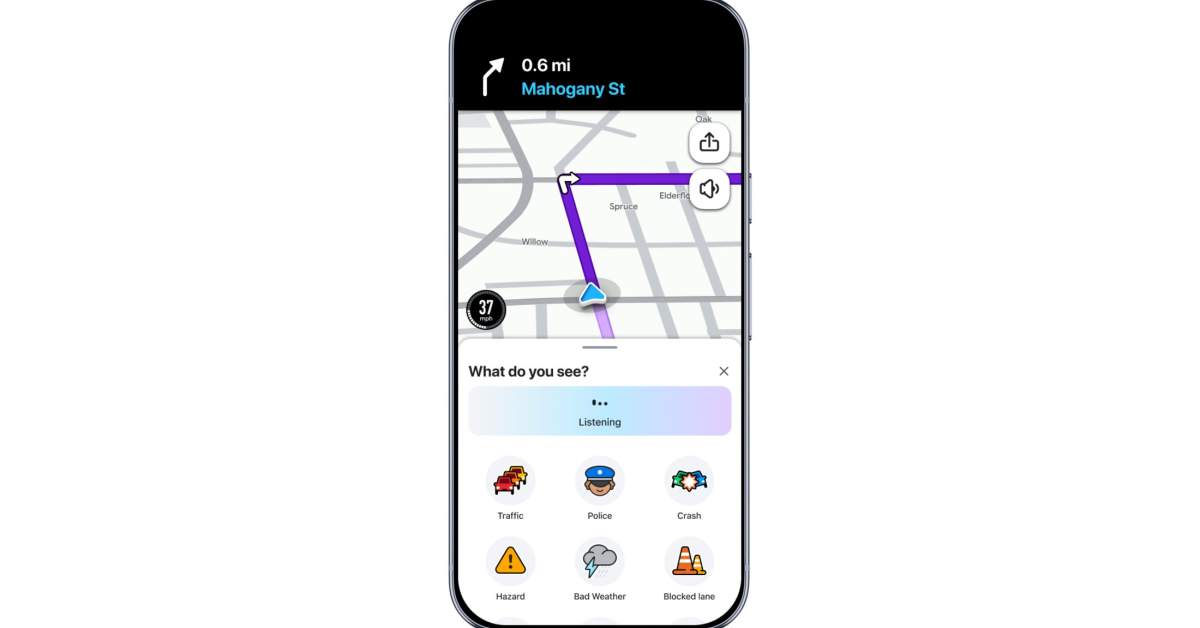
Waze voice reporting is a new Gemini-powered feature that lets drivers submit road hazard reporting and map update suggestions through natural conversation instead of tapping screens or typing, aiming to keep their hands on the wheel and eyes on the road while still feeding Waze’s crowdsourced navigation data with real-time human input. Waze, Google’s driver-focused navigation app, is rolling out a batch of Gemini navigation features this week on Android and iOS, including conversational reporting, destination search, Less Chatty dialogue and personalized routes. This is not a minor tweak; it is Waze betting that the future of safe, rich navigation depends on speech, not swipes. By tying hazard reports, search and route personalization into one AI layer, Waze is trying to solve a tension it created for itself: useful human detail versus distraction. The question is whether this design shift makes everyday driving safer or simply more talkative in a different way.
Hands-Free Road Hazard Reporting: Crowdsourcing Without Distraction
The headline improvement is clear: Waze voice reporting now lets you add road reports via a brief conversation with Gemini instead of fumbling with menus. If you need to report a road hazard or suggest a map update, you can speak naturally and the AI will file it accordingly, which Waze itself notes is handy when you want to stay as hands-free as possible while driving. This matters because Waze’s advantage over its sibling navigation app is the dense, human-reported detail—accidents, speed traps, hazards and fuel prices—that typical traffic data does not show. In the past, contributing that detail meant more interaction and more distraction. Now, conversational reporting is being updated to enable suggestions like road closures and outdated addresses for human editors to verify, turning talk into safer, curated map changes. If Waze keeps this flow snappy, voice could become the default way drivers help each other without sacrificing attention.
Gemini Navigation Features: Less Chatty, More Intentional
Waze’s Gemini navigation features are not only about speaking more; they are also about hearing less. The new Less Chatty mode reduces the frequency and length of voice prompts without turning them off, preserving critical alerts for hazards, turns and lane changes while cutting the nagging commentary that interrupts music and podcasts. This is a smart admission that information overload can be its own safety risk. Drivers want warnings, not constant micro-updates. At the same time, Gemini powers destination search that accepts natural language like “find me a coffee shop that’s open right now” or “find me a gas station nearby with the lowest prices” to start trips via voice. Together, these changes push Waze toward a more intentional assistant: speak when the driver needs something, speak when danger is near, stay quiet otherwise. According to Google, both Less Chatty mode and personalized navigation are built on Gemini integration layered in over the past year.
Motorcycle Mode Waze: AI for Two Wheels, Not Four
The new motorcycle mode Waze is rolling out shows that the company finally accepts that two-wheeled travel is a different problem, not a minor variant of car routing. Outside the US, Waze is adding an AI routing system built specifically for motorcycle riders, accounting for narrower streets and triggering alerts for motorcycle-specific hazards such as potholes, speed bumps, raised crosswalks and shoulder endings that car-focused algorithms might ignore. Motorcycle Mode uses AI to incorporate shortcuts and restrictions tailored to two-wheelers for optimal routing and more accurate estimated arrival times. In practice, this could make Waze far more appealing to riders who often feel that mainstream maps treat them like small cars. Crucially, the same conversational tools can help riders report hazards that uniquely affect them. Waze says more countries will receive this mode over time, but has not provided a timeline for availability in its home market.
Conclusion: If Waze Stays Thoughtful, Voice Can Be a Safety Upgrade
The core bet behind Waze’s Gemini push is that conversational AI can reconcile two competing goals: rich, human road intelligence and safer, less-distracting driving. Voice-based road hazard reporting removes the need for manual text input, which is the behavior safety advocates warn about most, while Less Chatty mode trims unnecessary verbal clutter from the assistant. Motorcycle Mode Waze shows similar thinking for riders, using AI to highlight the hazards and routes that matter to them instead of forcing car logic onto two wheels. The risk is that if Gemini’s conversational layer becomes too slow, too verbose or too clever for its own good, drivers will ignore it and return to silent maps. For now, though, the direction is positive: speech as a tool, not a toy. If Waze keeps that focus, this update may be remembered as the moment when talking to your navigation app became a safety feature rather than a gimmick.