
Price Convergence: When Generations Collide
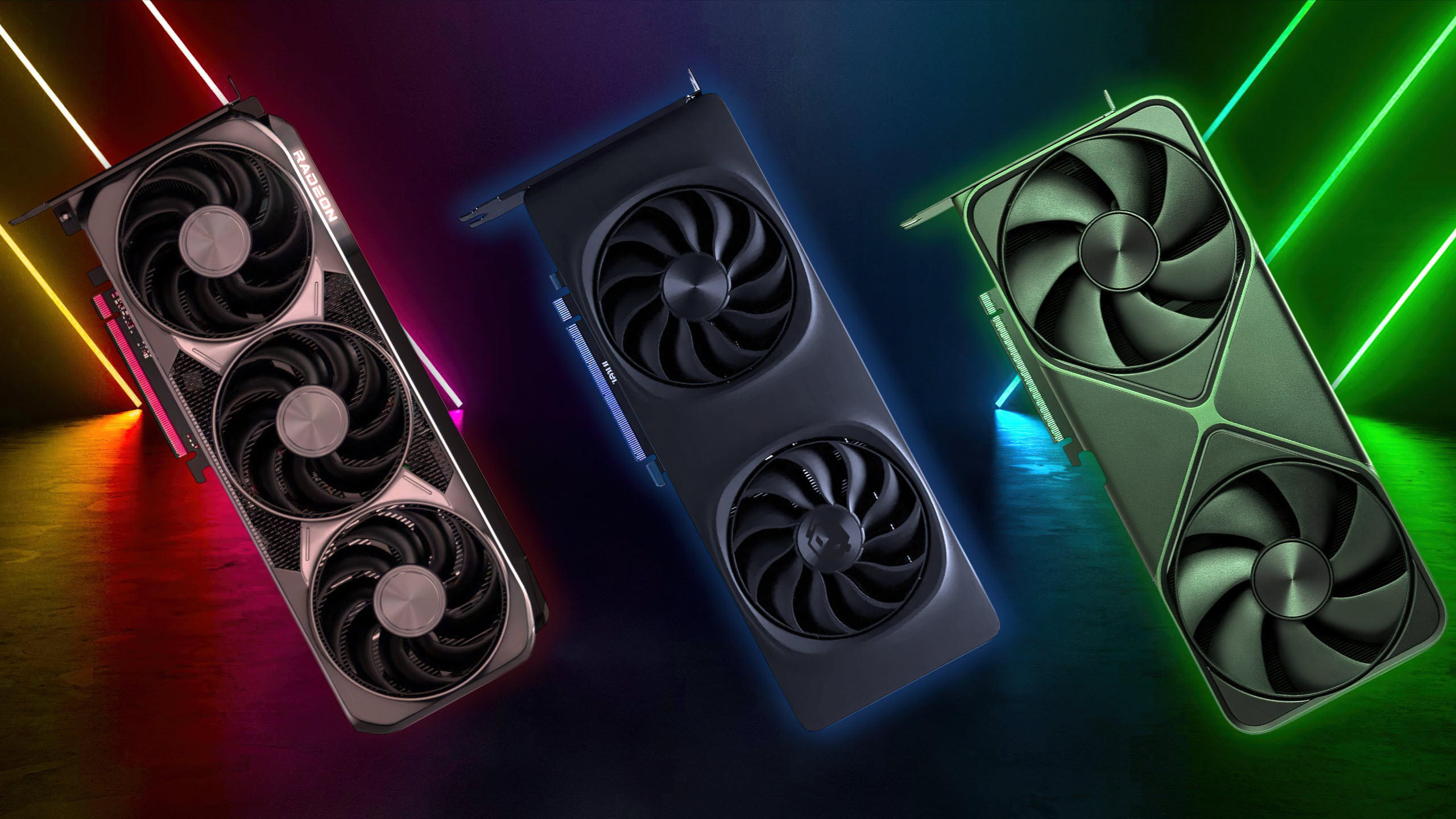
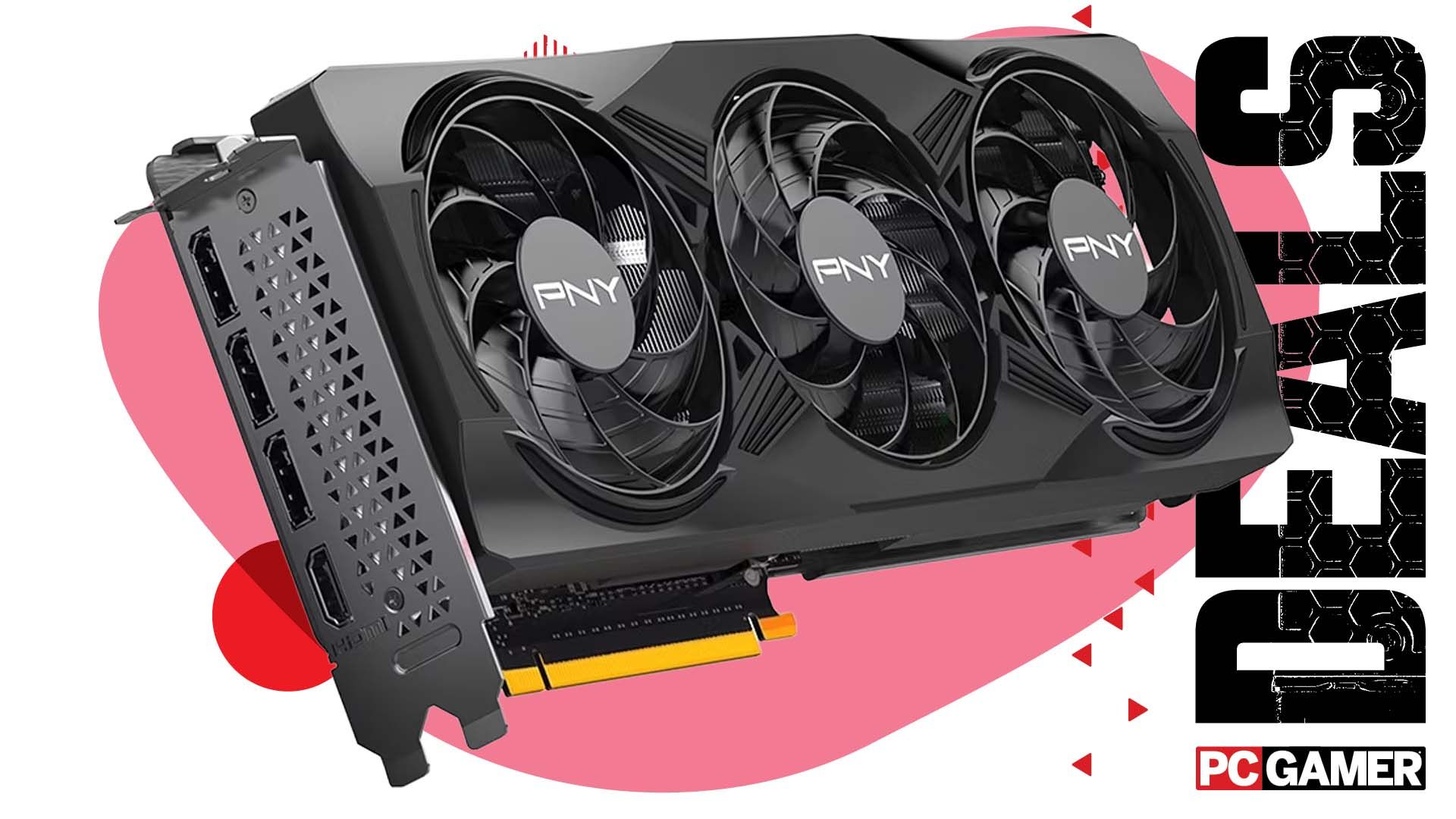
The current GPU price convergence refers to the unusual situation where older graphics cards such as the RTX 3060 and newer models like the RTX 5070 and RTX 5060 Ti 16GB occupy the same price brackets, forcing buyers to weigh memory size, architecture, and real-world use instead of assuming ‘newer is automatically better’ based on generation labels alone. That is the key story of today’s graphics card deals: the market looks confused, but that confusion creates opportunity. A five‑year‑old RTX 3060 12GB has returned to retail at its original February 2021 MSRP of USD 329 (approx. ₱19,000), as if the last half‑decade of launches never happened. At the same time, a PNY RTX 5070 is selling for USD 560 (approx. ₱32,300), which is not only close to its original MSRP but also the same price as the cheapest RTX 5060 Ti 16GB listed now. When performance tiers and prices stop lining up, buyers have to think much harder.
RTX 5070 vs RTX 5060 Ti: Same Money, Different Value
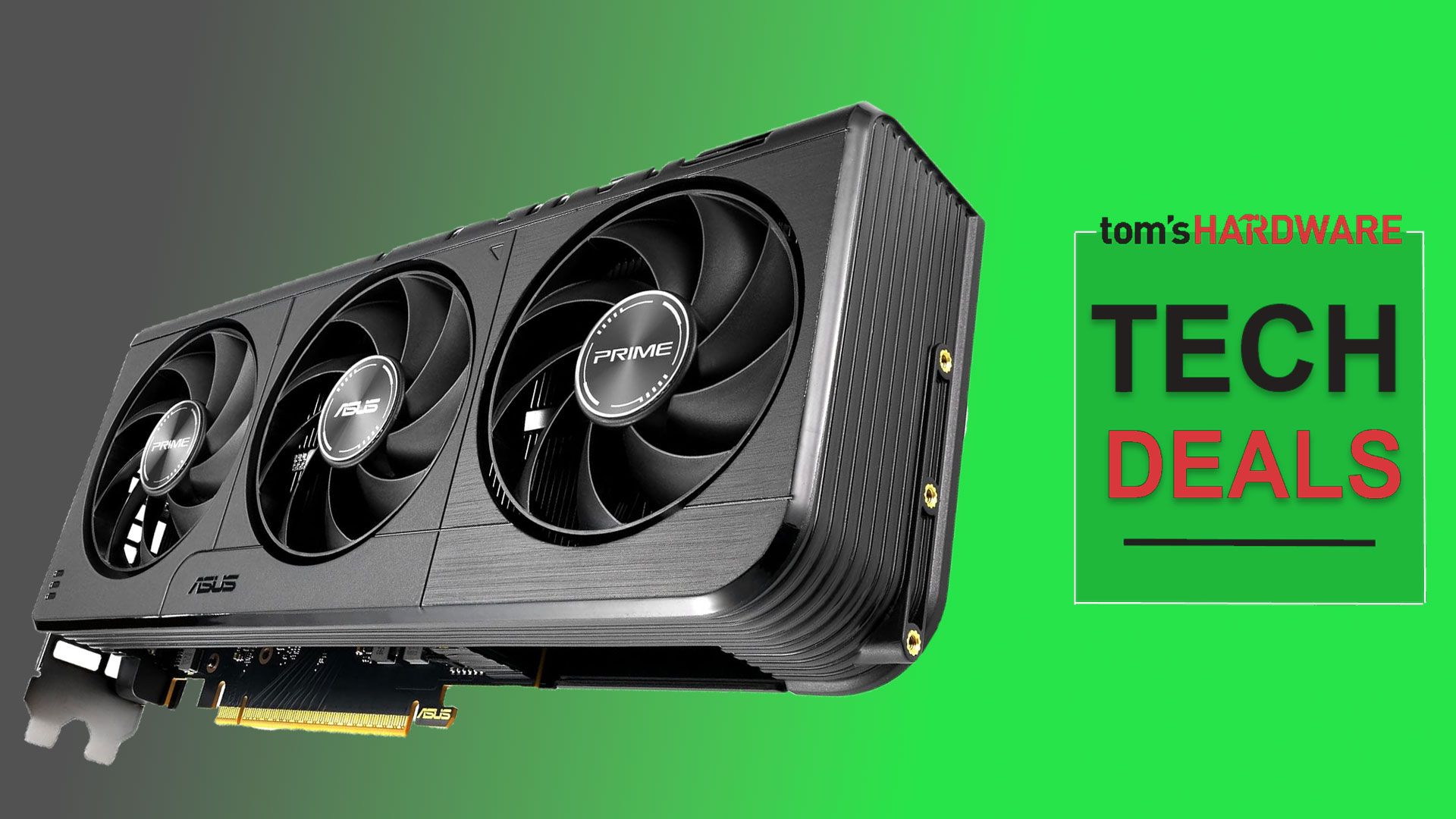
In the mid‑range, the GPU price comparison between RTX 5070 and RTX 5060 Ti 16GB exposes how messy Nvidia’s stack has become. At USD 560 (approx. ₱32,300), a PNY RTX 5070 now costs the same as the cheapest RTX 5060 Ti 16GB available. That should not happen in a sane product ladder. The RTX 5070 outperforms its sibling across modern games at 1080p and 1440p, trading blows with AMD’s RX 9070 GRE and only falling behind the full RX 9070. Yet the weaker RTX 5060 Ti hovers in the same price band for one reason only: its 16GB VRAM buffer. This is where budget GPU buying demands nuance. Paying RTX 5070 money for RTX 5060 Ti performance is hard to defend if your focus is gaming, especially when frame rates are clearly lower in demanding titles. The same‑price reality effectively turns the 5060 Ti into a niche card for buyers who value VRAM over frames, not a mainstream recommendation.
RTX 3060 vs RTX 5060: Why Old Silicon Wins the Budget Battle
The strangest twist in current GPU pricing trends is that the best budget GPU deal is built on Ampere, not Blackwell. Sixty‑six months after release, the RTX 3060 12GB has resurfaced at US retail for USD 329 (approx. ₱19,000), exactly matching its February 2021 launch price. Yet this resurrected card is being argued as a better buy than Nvidia’s newest budget RTX 5060. On raw performance, the 5060 wins easily, often delivering 40–60% higher frame rates, access to newer encoders, and the latest frame‑generation features. But it ships with only 8GB of VRAM, a capacity that modern AAA games now treat as the bare minimum rather than a comfortable baseline. The 3060’s 12GB buffer matters more today than it did in 2021, especially for workloads extending beyond gaming into content creation or heavier texture usage. According to one analysis, “The best budget GPU in 2026 seems to be the one made in 2021.” That is a damning verdict on how newer budget cards are priced and specced.
Market Regression or Hidden Opportunity?
Seeing an old RTX 3060 re‑enter the market at its original price is described as a sign of market regression, but not automatically bad news. It highlights a split between the hardware economy that produced Ampere GPUs and the world of expensive GDDR7‑equipped Blackwell cards, where AI demand has distorted costs. In the USD 500–600 (approx. ₱28,800–₱34,600) range, no fewer than four GPUs fight for attention: RX 9070 GRE, RX 9070, RTX 5060 Ti 16GB, and RTX 5070. This crowding, combined with almost flat pricing between tiers, sends a clear message to informed buyers: dig into specs, VRAM, and tested frame rates instead of trusting branding. When a third‑tier Nvidia GPU is called “a ridiculous amount of money” at current prices, and a five‑year‑old card suddenly looks sensible, it is obvious that generational labels no longer track value. The regression is real, but so is the chance to exploit it.
How to Buy in a Confused GPU Market
The practical impact of these anomalies is simple: if you rely on model numbers alone, you will waste money. For budget GPU buying, start with a GPU price comparison in your target bracket, then weigh three things: VRAM capacity, tested performance, and your actual workloads. In the lower tier, the RTX 3060 12GB at USD 329 (approx. ₱19,000) is a credible choice for players and creators who benefit from its extra 4GB of memory and do not need bleeding‑edge features. In the mid‑range, identical pricing makes the RTX 5070 a far stronger deal than the RTX 5060 Ti 16GB for gaming, with AMD’s RX 9070 GRE and RX 9070 tightening competition. Price convergence is a warning sign that new GPU pricing may not reflect real performance gains, but it is also an invitation: ignore the marketing, read the benchmarks, and let the numbers—not the generation—decide your next graphics card.