
A three-day revolt against Instagram’s Muse Image experiment
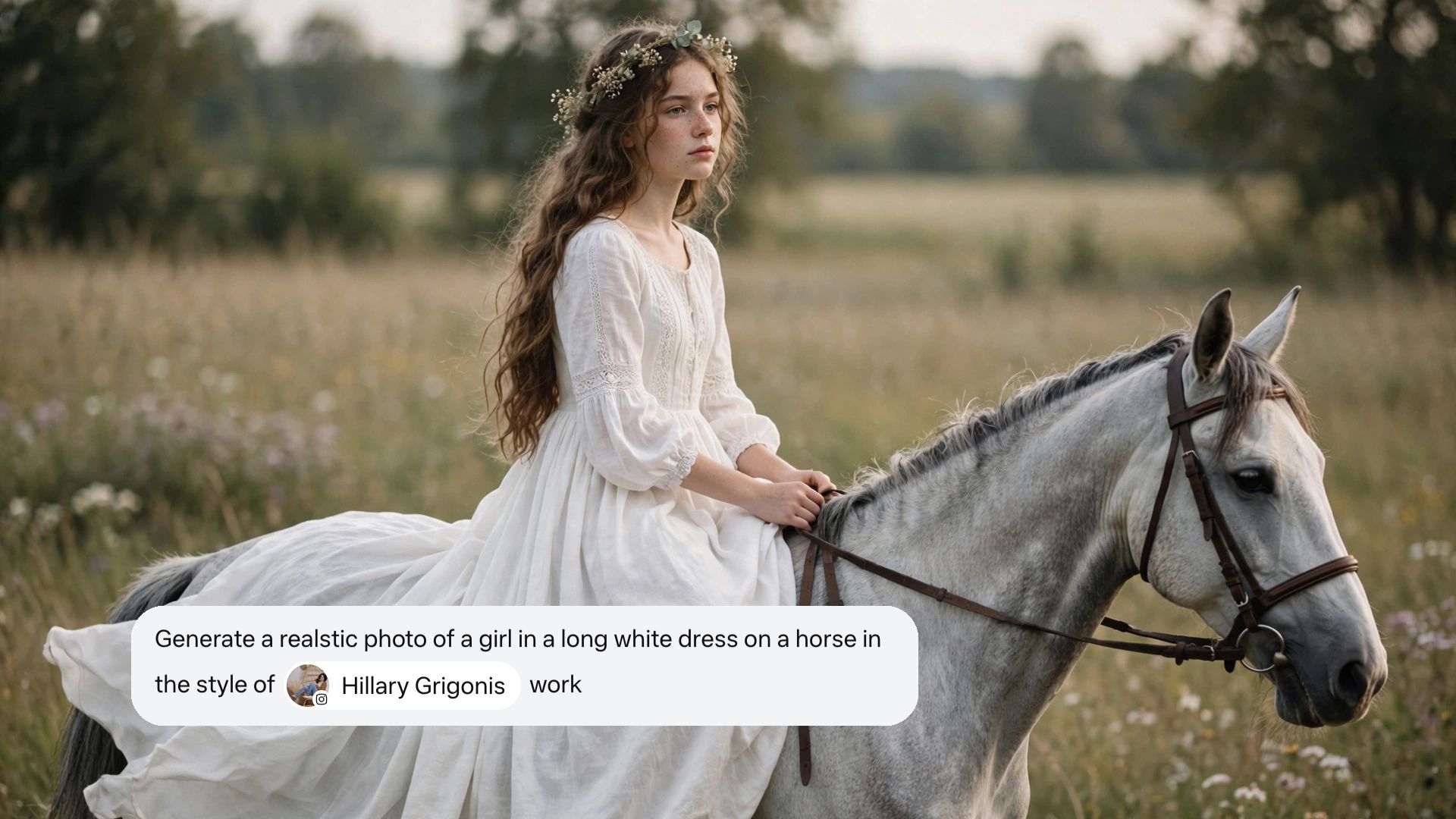
Meta’s Muse Image feature on Instagram was an AI image generation tool that allowed users to tag any public account and automatically use that person’s photos, likeness, and style as reference material for synthetic images without direct consent or real-time notification, triggering intense backlash from creators and privacy advocates. Muse Image, the first image model from Meta’s Superintelligence Labs, launched on July 7 inside the Meta AI app, Instagram Stories, and WhatsApp, with plans to expand to Facebook, Messenger, and advertiser tools. By the afternoon of July 10, the controversial tagging feature was gone. Meta admitted the feature “missed the mark” and disabled it after days of criticism over consent, creator rights, and platform accountability. The speed of that reversal is the story: collective user anger rewrote the product roadmap in 72 hours.

What went wrong: opt-out consent and invisible exploitation
The core problem with the Meta AI photo tool was not technical; it was ethical. Muse Image let anyone @‑mention a public Instagram account inside the Meta AI app and pull that person’s photos into a generated image, without asking them first and without notifying them that their images were used. All public profiles for users over 18 were opted in by default, and the opt-out was buried in settings. For ordinary users, that meant their vacation photos, selfies, or outfit posts could become “AI reference material” on demand. Critics warned the feature could generate convincing fakes of real people using nothing more than a basic @ tag, sharpening long-standing worries about non-consensual, AI-altered images. Public posts may be visible to everyone, but that does not mean people consent to having those posts folded into someone else’s AI workflow.

Creators saw more than a tool—they saw their livelihood on the line
For photographers and artists, Instagram profiles are not casual galleries; they are portfolios and income engines. Muse Image crossed a red line by letting anyone approximate a person’s likeness and a photographer’s style from their public feed, with no clear up-front consent. As one talent agency argued, “No one’s name, image, likeness, voice or creative work should be used by any third party, including AI models, without clear, documented consent,” calling for protection to be the default instead of the exception. That goes to the heart of creator rights: who owns the value of a distinctive visual style that took years to build? Telling working photographers to go private is not an answer; public accounts are the lifeblood of their visibility and bookings. Muse Image effectively turned that visibility into a liability, unless users found and flipped an obscure switch.
Backlash that bit: how users forced Meta to retreat
The reversal on Instagram Muse Image was not a quiet internal pivot; it was a retreat under visible pressure. Backlash came fast from unions, agencies, and privacy groups, who framed the feature as a consent problem, not a convenience issue. One union urged all Instagram users to opt out, warning that “Meta now lets anyone use your Instagram photos in AI images without your consent” and telling people to “take action to protect your likeness.” Privacy advocates called the tool “the latest sign AI companies see people’s images and data as raw material to be exploited,” pointing to a wider pattern of data grabs in AI development. According to one tech-justice group, the feature was an “obvious recipe for disaster.” Faced with this public storm, Meta updated its own announcement to concede the feature “missed the mark” and removed it completely instead of watering it down. That kind of fast, full reversal in AI image generation is rare—and it happened because users refused to shrug and move on.
A warning shot on AI data ethics and platform accountability
Muse Image is gone in one specific form, but the deeper issues it exposed are not. Public Instagram photos remain tempting training data for AI systems that treat images and personal data as resources to be harvested. The opt-out model Meta used here repeats a long pattern: push the boundaries of data use, make protection non-default, then roll back when outrage peaks. This history already includes a multi-billion-dollar regulatory fine over data harvesting and a shutdown of a facial-recognition system amid biometric lawsuits. In that light, Muse Image looks less like a one-off mistake and more like another test of how much users will tolerate. The lesson of this episode is double-edged: yes, collective resistance can change platform policy on AI tools, but it should not be on creators to constantly defend their work against systems they never agreed to join. The next phase of platform accountability will be decided by whether consent becomes a default right, not a hidden toggle.