
RAMageddon: The Memory Chip Shortage Behind Vanishing Budget Phones
The current memory chip shortage in phones is a supply shock where soaring DRAM and NAND prices, driven by artificial intelligence demand, are pushing global smartphone shipments to 13‑year lows, forcing manufacturers to cut low‑margin budget models, raise prices, and redirect buyers toward premium, refurbished, or previous‑generation devices. This is not a passing glitch in the tech supply chain – it is a structural reordering of who gets powerful hardware first. AI data centers have become the preferred customers, and smartphone makers are learning what it means to be second in line. The real casualty is the entry‑level user whose first smartphone now costs far more and delivers less value than it did a year ago.
Global smartphone shipments fell 11% over the past quarter, dropping to their lowest level since 2013, and the memory‑chip shortage is explicitly blamed for the slump. As more chipmakers feed the demand for artificial intelligence, the price of memory climbs and phone‑makers pass the cost on to buyers. In cheaper devices, memory can represent up to 60% of the bill of materials, so when that component spikes, the entire budget smartphone market decline becomes inevitable. Entry‑level phones now cost over 50% more than they did last year, a brutal increase that prices out many first‑time buyers. RAMageddon is not only slowing sales; it is reshaping which phones exist at all.
Why Manufacturers Are Abandoning Budget Phones for Premium Profit
Manufacturers are not passive victims in this memory chip shortage for phones; they are making deliberate choices about who they want as customers. Faced with rising memory costs, original equipment manufacturers have recorded double‑digit shipment declines year over year as price‑sensitive buyers delay upgrades or fall back to prior‑generation devices instead of buying new phones. Rather than absorb the hit, budget brands are "trimming low margin models" and leaning harder on refurbished and previous‑generation phones to retain price‑conscious users. When your product depends on expensive memory and your margins are thin, the affordable phone shortage is not a surprise – it is almost policy.
According to preliminary industry shipment trackers, polarization has intensified: premium‑positioned brands have kept prices stable while many budget‑oriented vendors raised prices under cost pressure. In the quarter when memory chip prices surged, brands like Xiaomi, OPPO, vivo and Honor suffered significant shipment declines after announcing price increases, while high‑end brands chose to hold pricing and used their larger profit cushions to ride out the storm. Budget device production is declining because these phones are now more expensive to build and less profitable to sell. In practical terms, manufacturers would rather sell one premium phone with generous margins than two squeezed budget handsets. The smartphone price increases that consumers feel are a symptom of that strategic pivot.

Refurbished, Previous-Gen and Second-Hand: The New Entry-Level
As new budget smartphone options disappear, the market is quietly redefining what “entry‑level” means. With memory costs elevated and the affordable phone shortage now visible in store shelves, buyers looking for value are pushed toward refurbished, second‑hand, or previous‑generation devices. Industry analysts expect budget manufacturers to "lean further into refurbished and previous‑generation devices to retain budget‑conscious buyers" as they trim low‑margin models from their lineups. For the average user, it means one thing: cheap, powerful phones are on pause for now, and if you want a deal, you might have to go refurbished or second market.
Refurbished phones are becoming a mainstream recommendation, not a niche compromise. Analysts suggest buyers check battery health, ensure a proper factory reset, and look for some form of warranty or buyer protection when shopping second‑hand. That advice acknowledges a reality: with entry‑level phones now costing over 50% more than they did last year, the old path of “buy the latest cheap Android” is blocked for many first‑time smartphone buyers. Instead, their first real smartphone is likely to be a cleaned‑up model from two or three years ago. This is a functional workaround, but it also bakes in inequality of experience – the newest features and longest software support are reserved for those who can afford premium models.
Apple and Samsung Rise as Smaller Brands Struggle
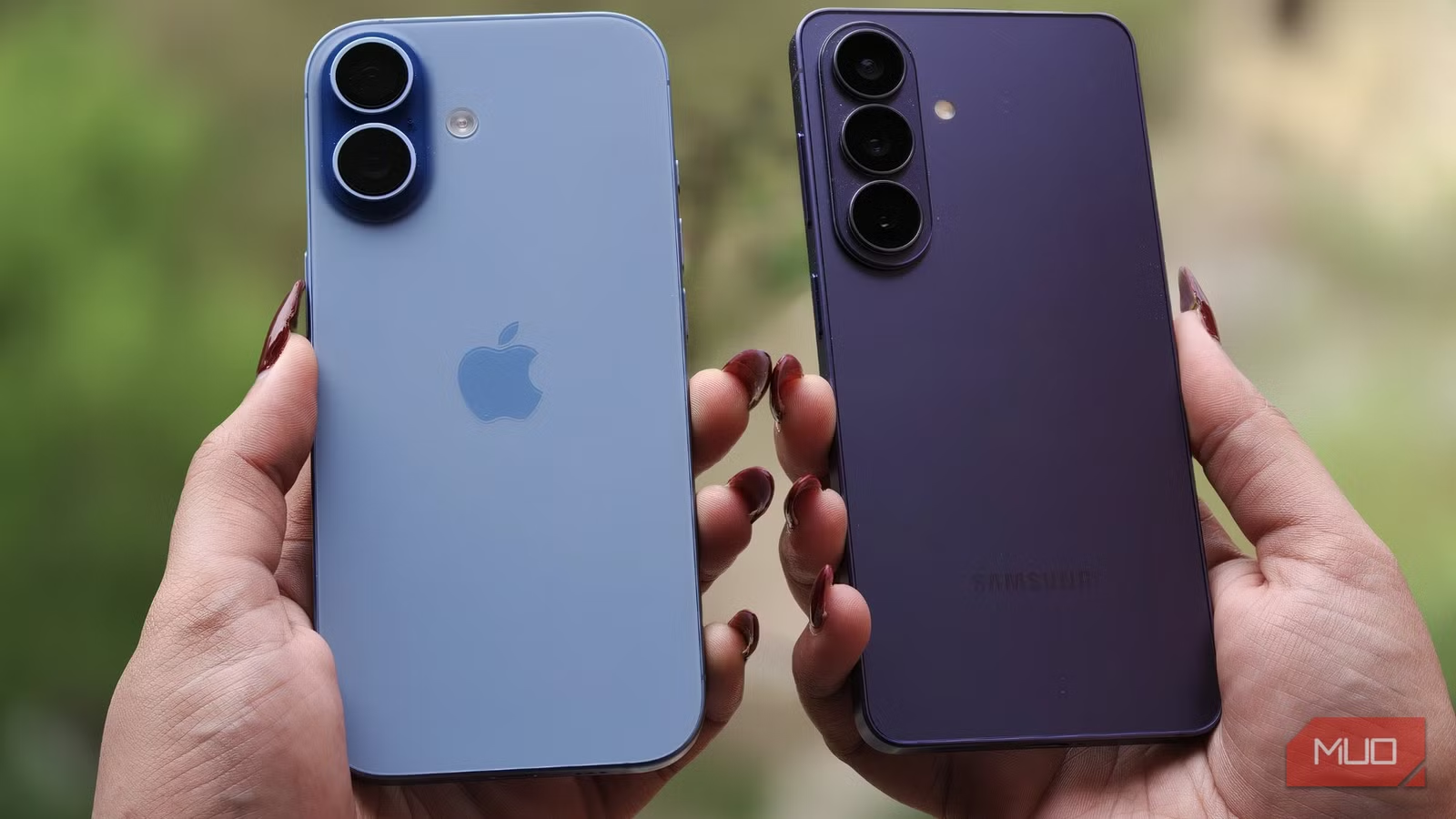
The memory‑driven budget smartphone market decline is not hurting every brand equally. In fact, the crisis is widening the gap between the biggest players and everyone else. While overall shipments dropped 11%, the two leading manufacturers moved against the tide: one reached a record 20% share with shipments up 3%, and the other reclaimed the top spot with a 24% share after shipments rose 4%. Another global dataset shows only these two vendors achieving year‑over‑year shipment growth among the top five, with respective increases of 8.1% and 15.3%. Meanwhile, budget‑focused competitors like Xiaomi, OPPO and vivo have been hammered by double‑digit shipment declines as price hikes scared off their most sensitive customers.
Brand loyalty and carrier contracts help explain why premium phones are weathering RAMageddon better. Many high‑end devices are bundled with carrier plans, softening the upfront hit and masking the underlying smartphone price increases. In contrast, buyers of budget phones often pay full price and notice every jump. The current average smartphone replacement cycle has stretched to nearly four years, which means that once users lock into a brand during this period of upheaval, their loyalty is likely to harden. Lost market share is not easily recovered; when a budget brand forces a price rise and a user defects to a premium rival offering stable pricing, that user might not come back. The memory chip shortage phones story doubles as a consolidation story.
What This Means for First-Time Buyers and the Future Market
First‑time smartphone buyers are being hit hardest by a problem they did not create. AI demand has diverted memory makers toward high‑end chips for data centers, giving phones the cold shoulder and driving a global memory shortage that is likely to continue into 2027. With entry‑level devices more than 50% more expensive than a year ago, many potential new users are priced out of the smartphone ecosystem altogether. Global smartphone shipments are expected to fall around 14% for the full year, and analysts warn that the coming months may be even more difficult, with no clear relief in memory prices. A world that claimed to be mobile‑first is quietly raising the entry fee.
From an opinionated standpoint, the industry has made a choice: it is prioritizing AI servers and high‑margin flagships over broad digital access. As long as powerful memory earns more money in data centers than in pockets, the affordable phone shortage will persist, and budget smartphone market decline will remain the norm. RAMageddon is affecting consumer electronics across the board, from laptops to gaming consoles, but its most socially significant impact is on the person who wants a first smartphone and finds only older, used options they can afford. The conclusion is stark. Unless memory supply and pricing change course, the smartphone market’s future will be premium, polarized, and less welcoming to new users.