
From Smartest AI to AI That Understands You
Samsung’s personal AI strategy is the idea that artificial intelligence should be embedded across everyday devices to understand individual habits, contexts and goals, turning phones, wearables and home appliances into a coordinated assistant that adapts to each user rather than chasing abstract benchmarks of raw intelligence. This is a blunt rejection of the industry’s fixation on “smartest model” bragging rights. TM Roh argues that “AI doesn’t need to outthink you. It needs to understand you,” and that the next era will be defined by which company understands people best, not who builds the most powerful algorithm. AI Appreciation Day is a fitting backdrop: AI is moving from lab demos into daily routines, and Samsung wants to claim that shift by making AI feel practical, intuitive and trustworthy instead of experimental or overwhelming.
Fluid AI and Adaptive Interfaces: The UX War Begins
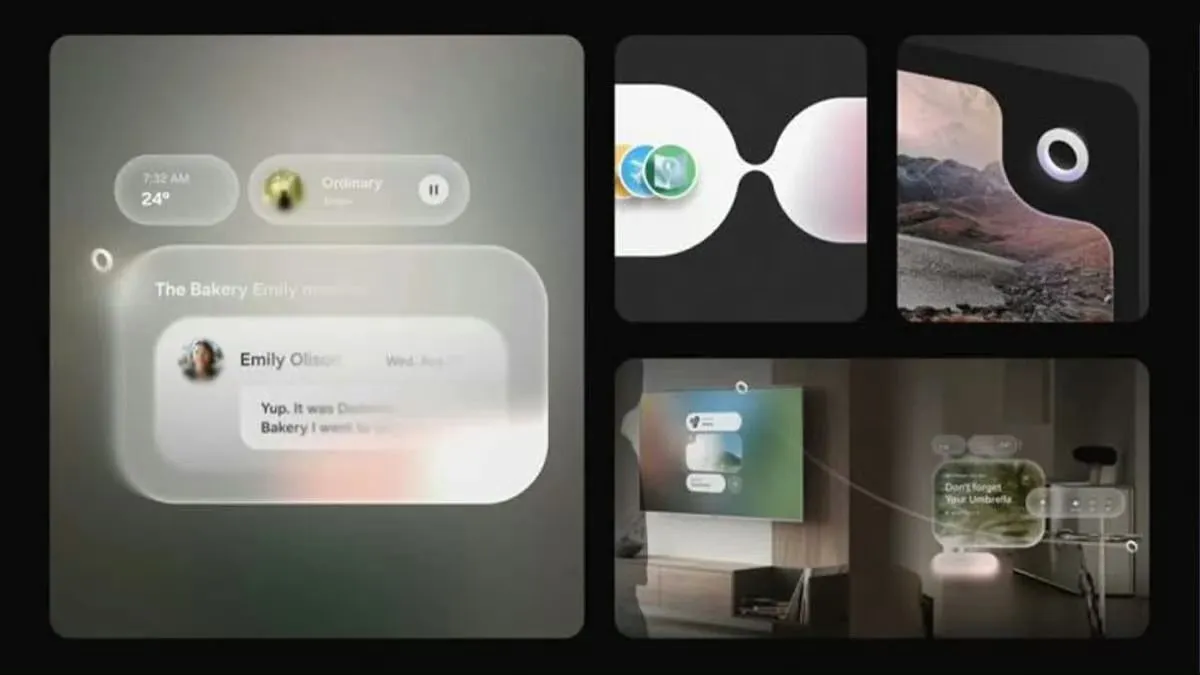
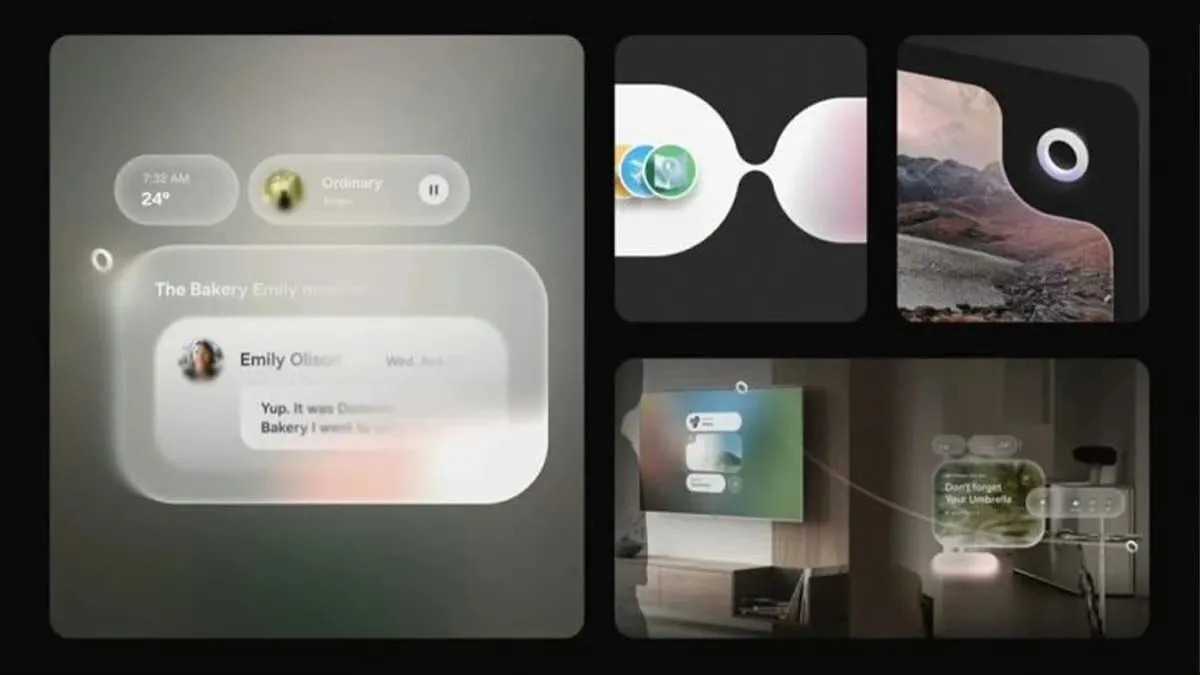
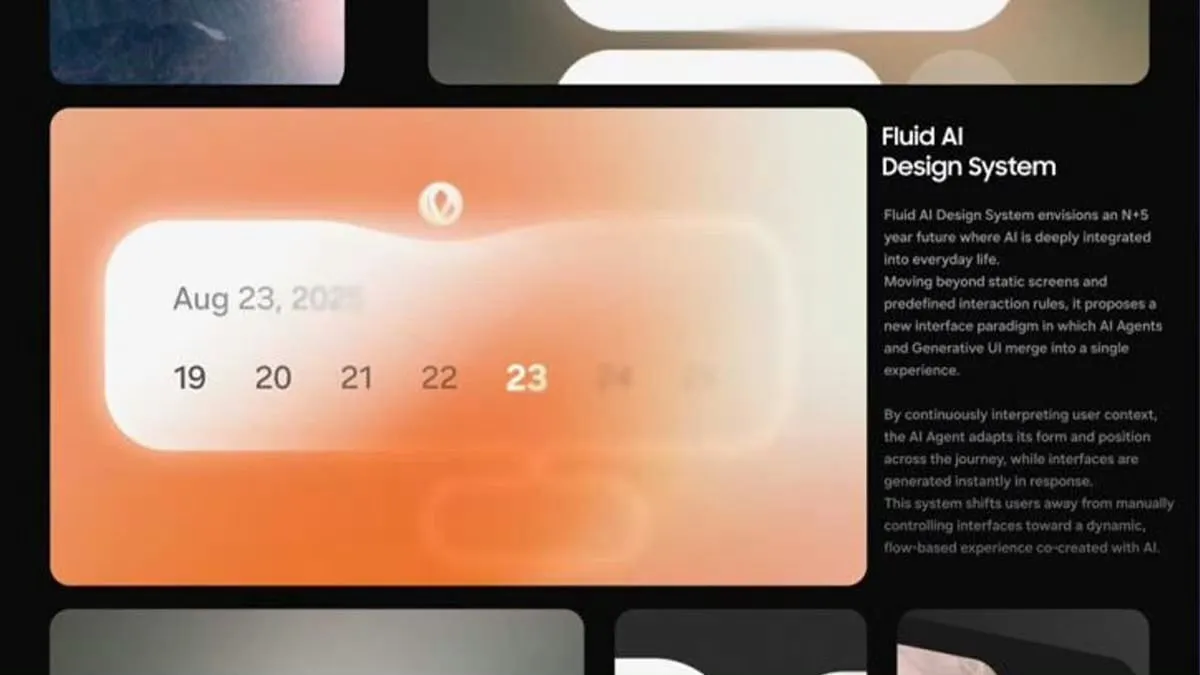
If Samsung is serious about personal AI, the interface has to change as much as the underlying models. The Fluid AI Design System is the clearest signal of this ambition: a concept where adaptive AI interfaces reorganize layout, controls and on‑screen elements in real time based on what you are doing, where you are and how you typically use your device. Instead of a fixed home screen, AI agents could foreground different tools when you are commuting, working out or relaxing, turning the phone into a living surface that reflects your behavior rather than a static grid of icons. This is not yet a commercial product, but it exposes Samsung’s competitive bet: win the AI‑first era by owning the user experience layer, not just shipping features. In a world where everyone will soon offer generative models, adaptive AI interfaces may become the new battleground for attention and loyalty.
Building a Samsung AI Ecosystem That Feels Human
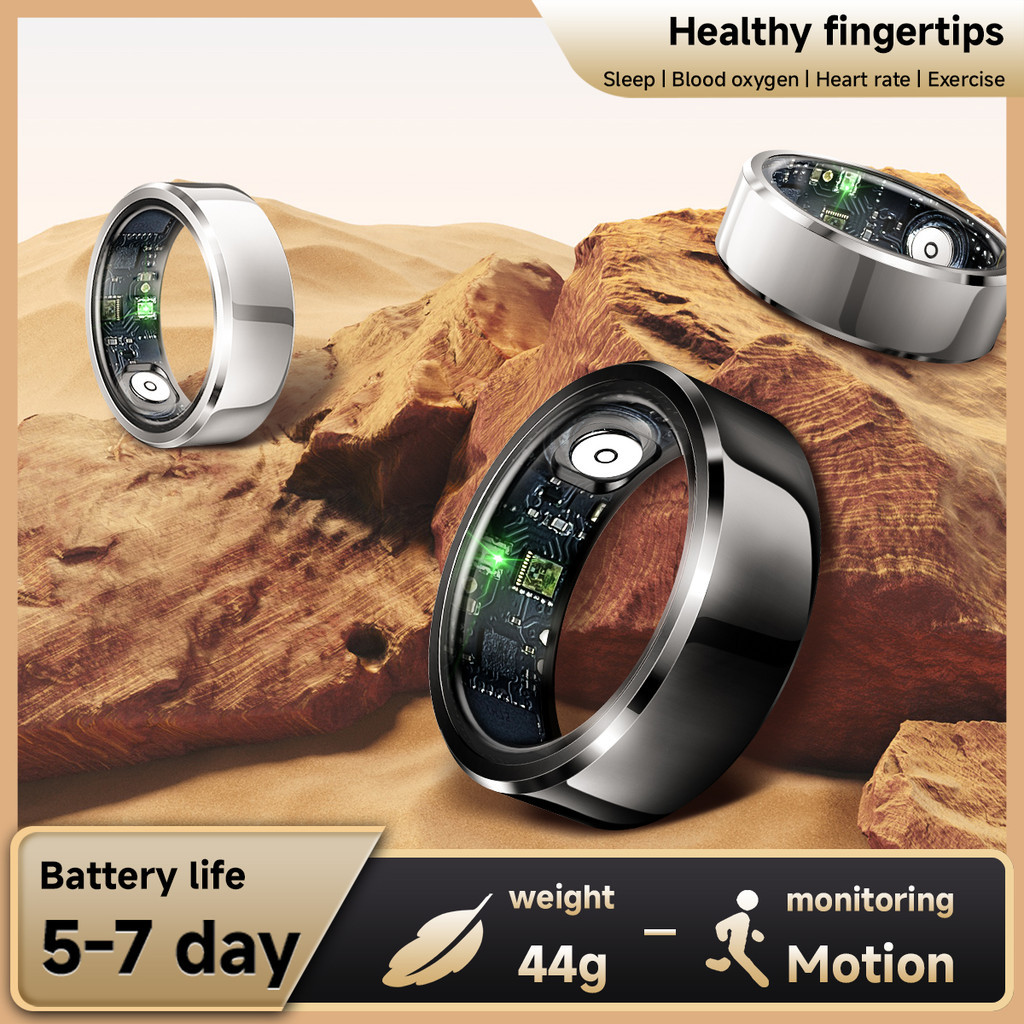
Samsung’s personal AI strategy only makes sense at ecosystem scale. The company insists AI should work seamlessly across smartphones, tablets, watches, TVs and connected home appliances, because “the best AI experiences will come from the devices that know the user best.” The Samsung AI ecosystem, anchored by SmartThings, is designed to connect these pieces so intelligence flows through your day instead of living inside one gadget. A fridge with AI Vision can track food items and alert you when staples run low, easing grocery planning for a busy professional. Samsung Health data from devices like a Galaxy Ring and Galaxy Watch feeds personalized coaching, such as custom running programs based on performance insights. Even the TV adapts to viewer preferences with Vision AI, making content discovery less of a chore. This is personalized device technology in action: AI turning small, tedious choices into semi‑automated routines.
Mobile as Agent, Not Tool: Galaxy AI’s Role
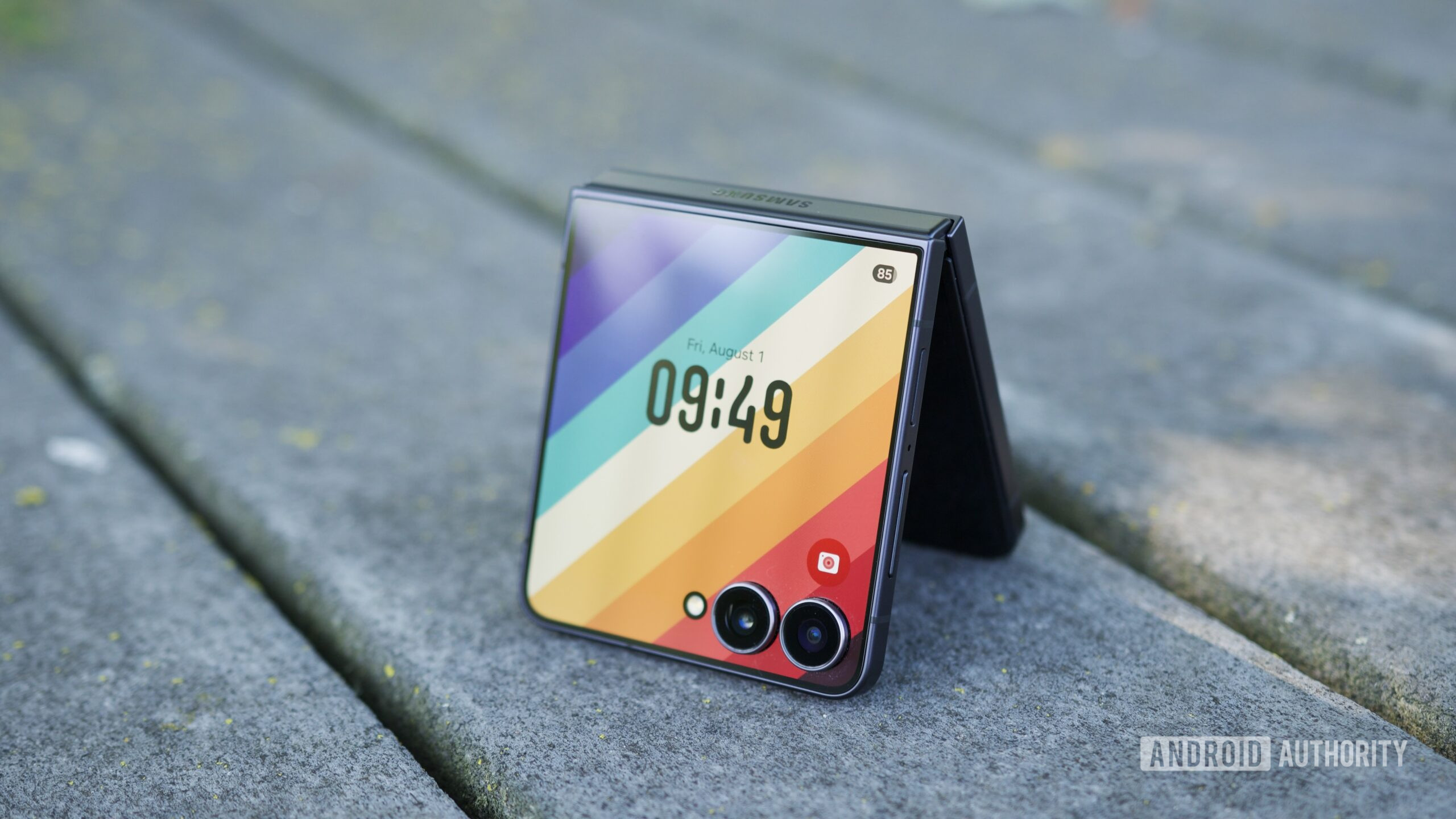
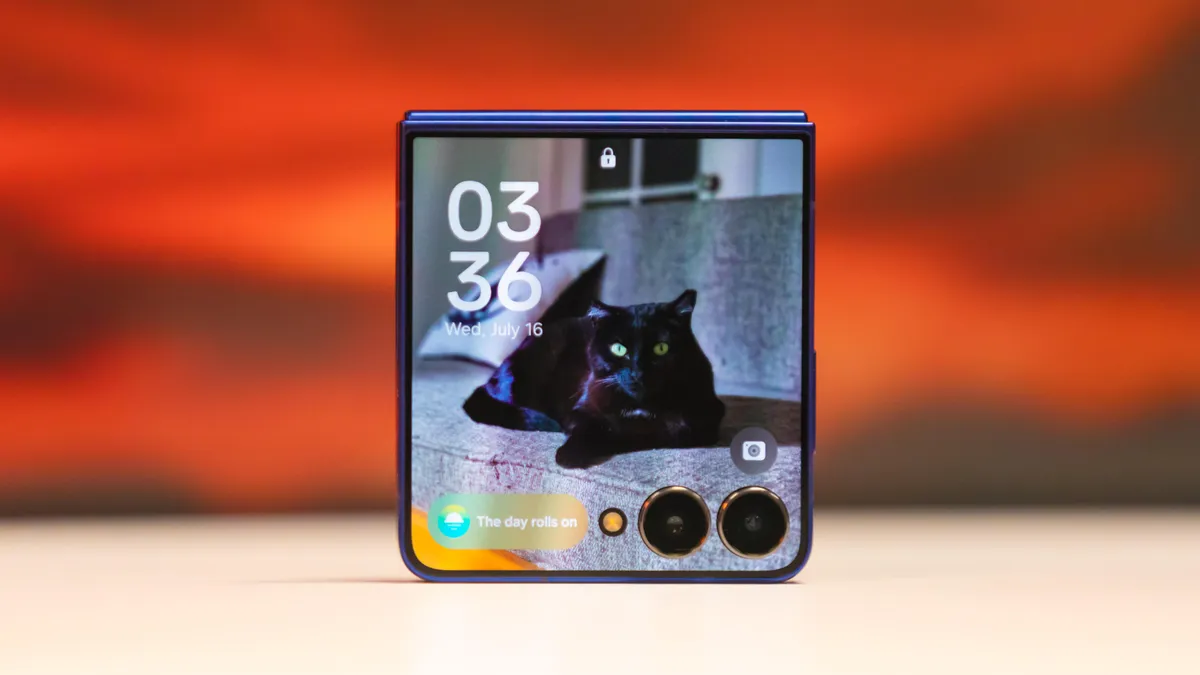
Samsung is blunt about one thing: mobile phones remain the primary gateway to its AI ecosystem. Galaxy AI is pitched as more than a toolkit; it is the engine of an “agentic” phone that suggests what matters next and takes action when appropriate. Instead of users micromanaging every task, Galaxy AI surfaces the next step—drafting the reply, proposing the route, or coordinating devices through SmartThings—so people manage outcomes rather than menus. That is a high‑stakes shift, because it demands trust. Samsung responds by keeping sensitive data close to the device and giving users clear visibility and choice over how their information powers AI experiences, backed by the Knox Matrix security layer across phones, TVs and home appliances. Done well, mobile becomes a personal AI hub; done poorly, it becomes an intrusive nag. Samsung’s differentiation depends on landing on the right side of that line.
Why Samsung’s Personal AI Bet Matters Now
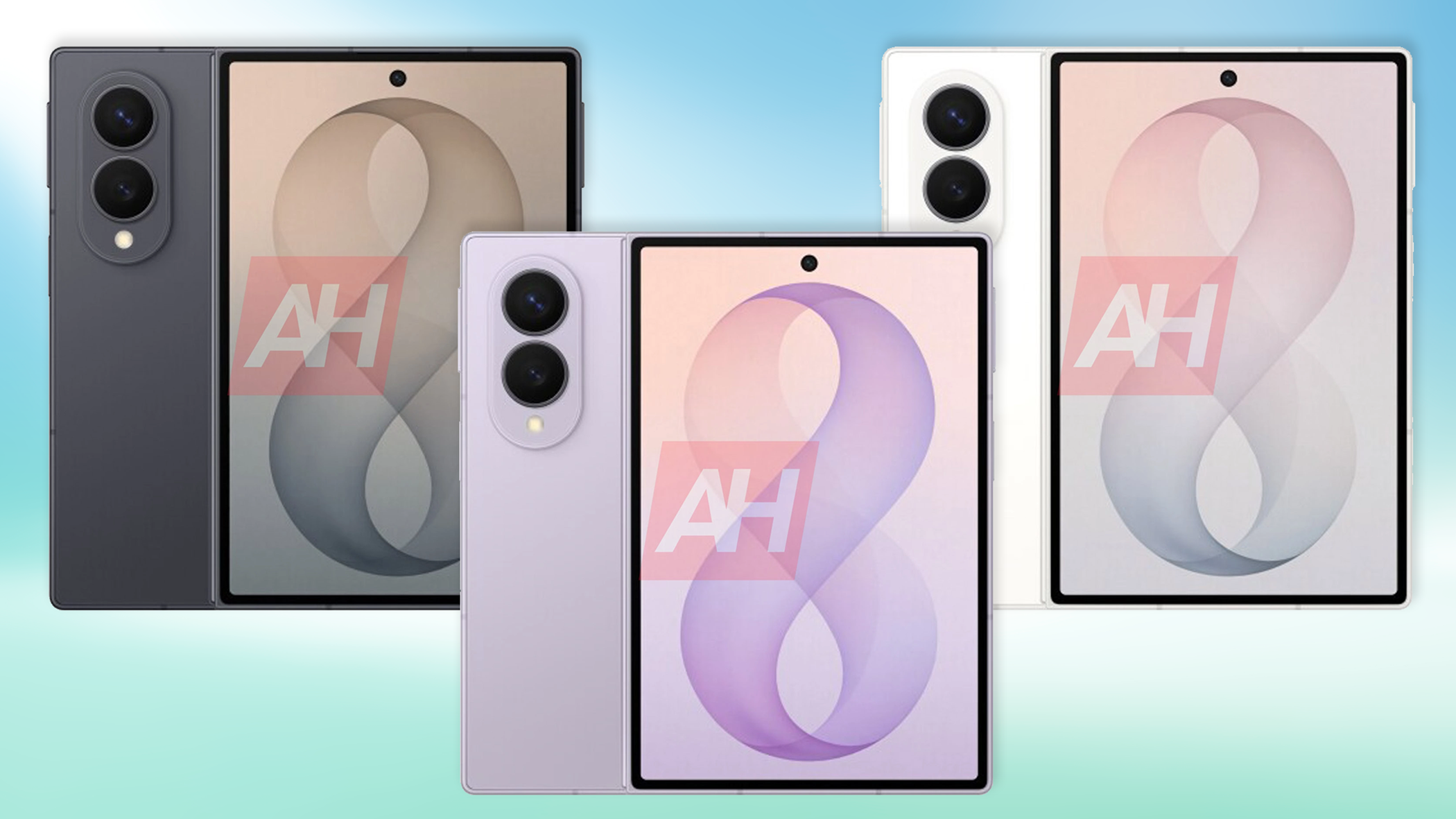
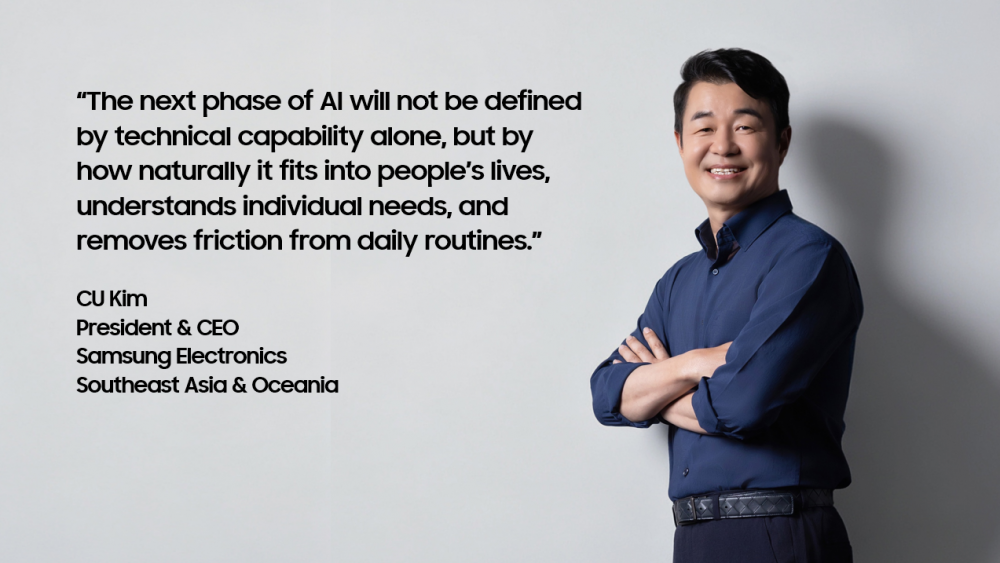
Samsung’s timing is deliberate. Consumers who embraced digital payments, super apps and connected services are now expecting AI to reduce friction across work, communication and everyday decisions, not add yet another dashboard to manage. As CU Kim puts it, the next chapter of AI “will not be defined by how much more technology people must manage. It will be defined by how naturally intelligence fits into everyday life.” By framing Unpacked on 22 July in London as the unveiling of this next phase, Samsung is staking out an identity: the brand of personal AI that understands your routines and quietly adapts around you. The risk is clear—personal AI raises expectations for privacy, reliability and subtle design. But if Samsung can make its adaptive AI interfaces, Galaxy AI and connected devices feel like one coherent, dependable companion, it will have built more than a feature set; it will have built a reason to stay inside its ecosystem.