

T-Life Personalization: Convenience Wrapped Around Data Collection
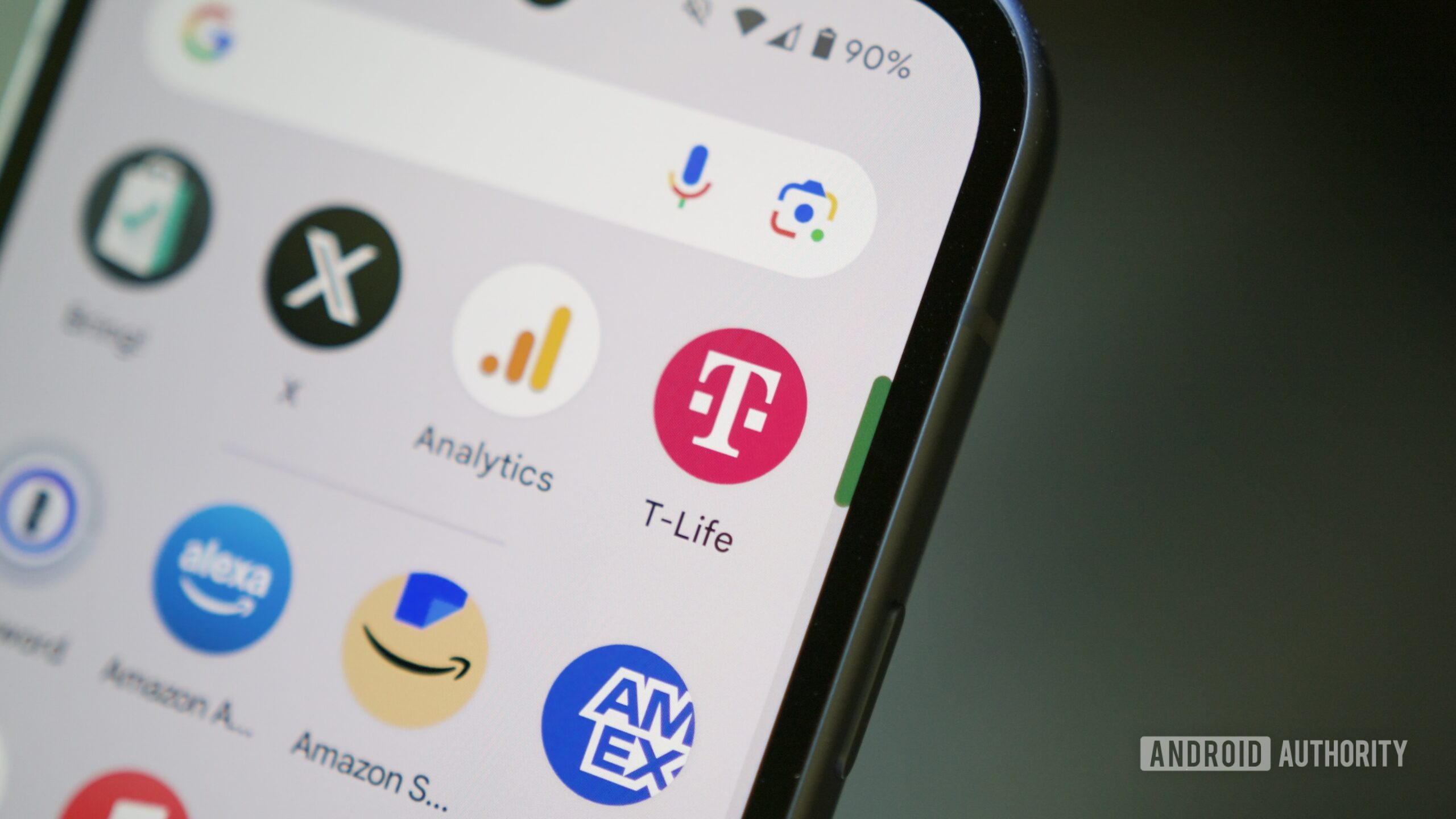
T-Mobile’s T-Life app is an account and rewards hub that increasingly profiles users through richer account details, interest-based preferences and network data to power personalization, advertising and other data-driven programs, raising serious privacy and governance concerns for individual subscribers and organizations alike. T-Mobile is now making T-Life the gateway for account management, shopping, support and perks, while promising “richer account profiles and interest-based preferences” to serve “benefits and experiences tailored to each customer.” On paper, that sounds like a friendly loyalty upgrade. In practice, it is a plan to make the carrier’s view of you more detailed, more permanent and more profitable. When a company that has faced multiple breaches is asking you to deepen your profile, you should assume the data will outlive the perk that convinced you to hand it over.
This Is Not Just an App Problem: It Is Carrier Data Tracking
The real risk is not a single feature in T-Life; it is the mesh of carrier data tracking behind it. T-Mobile already collects information through connected devices, its network and several advertising programs, and the new T-Life profiles sit right next to that system. According to the company’s privacy notice, Relevant Ads uses app-usage information, demographic data and a mobile advertising ID to infer interests and send ads to your device. Its Tailored Offers and Ads program can analyze app usage, purchases, browsing activity, precise location and Customer Proprietary Network Information, while cookies and pixels from third parties such as Google can follow you across apps and websites for targeted advertising. Uninstalling T-Life does not stop this; T-Mobile automatically receives device, app, network and location information whenever you use its services. Deleting an icon is not the same as ending surveillance.
How to Audit and Limit T-Life App Data Collection Today
If you use T-Mobile, you cannot avoid carrier-level data collection, but you can shrink how much of it is used for marketing. Start inside T-Life: open Manage, tap the gear icon, choose Privacy and policies, then open the Privacy Dashboard. There, review the Relevant Ads and Tailored Offers and Ads programs, along with analytics options and the Do Not Sell or Share setting, and turn off anything that is not required for your service. On Android, search Settings for Ads or Advertising ID and delete or reset the identifier to curb identifier-based targeting on your device, understanding that it will not erase data T-Mobile already holds or the processing needed to keep your line active. New Android privacy and security controls can cut some app-level access, but they do nothing to change your carrier account settings. You must manage both.
What IT Teams and Organizations Should Do Differently
For IT teams, treating T-Life as “just another app” is a governance failure. Managed devices often carry corporate data, yet the same phone may be opted into carrier advertising programs built on detailed usage, location and browsing profiles. IT should document privacy settings for all managed lines, and mobile device management policies should explicitly cover permissions, advertising identifiers and third-party components, not only the visible app list. A recent third-party Android SDK flaw and a separate Microsoft 365 token vulnerability are reminders that hidden components and authentication data can be as risky as any front-end feature. Organizations must also confirm whether each line is governed by the consumer or business privacy notice, especially for very small business accounts opened with an individual’s Social Security number. One toggle, one policy or one contract is not enough; carrier accounts, apps and devices all demand separate, recurring reviews.
Your Data Is Now a Product: Act Like an Owner, Not a Target
T-Mobile’s expansion of T-Life profiles is part of a larger shift in which carriers monetize user data through layered ad targeting programs. The company has not said whether the new profile fields will directly feed its advertising services, but there is no reason to wait for a marketing label before protecting yourself. The app is already mandatory for in-store transactions, which means millions of people are nudged into a data-rich environment where opting in is easy and opting out takes work. The question is not whether personalization is bad; it is whether you are comfortable paying for small conveniences with a growing behavioral dossier. Treat T-Mobile data privacy as an ongoing responsibility, not a one-time toggle. Review your T-Life app data collection settings, cut carrier data tracking where you can, and use mobile app privacy controls aggressively. If your data is the product, you owe it to yourself to manage the sale.