
Navigation apps are becoming full trip planners, not just turn‑by‑turn tools
Navigation apps are becoming full trip planners, using AI route suggestions, conversational search, and personalized navigation preferences to help drivers decide when to leave, which route to take, and how to tailor journeys without leaving the app. Google Maps and Waze, two of the most popular navigation apps, are both receiving major updates this week that move them firmly in this direction. Google has released a significant Waze update with smarter route suggestions and other upgrades, while Google Maps is working on a deeper integration of its Ask Maps feature to provide trip planning recommendations directly inside the directions screen. The message is clear: these apps no longer want to be background tools; they want to be the place where your whole journey starts.

Waze new features: less chatter, smarter rides, and more personal routes
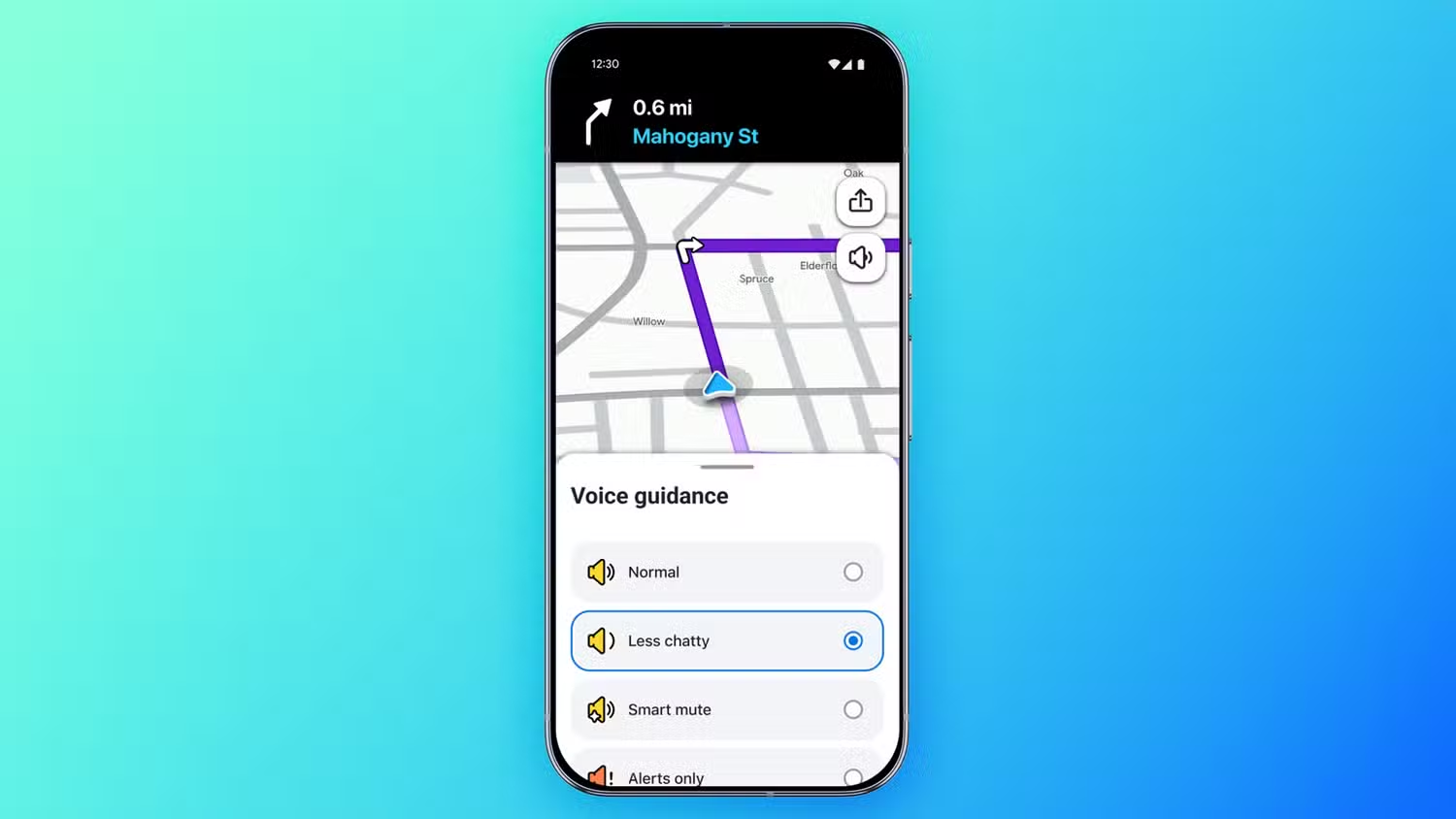
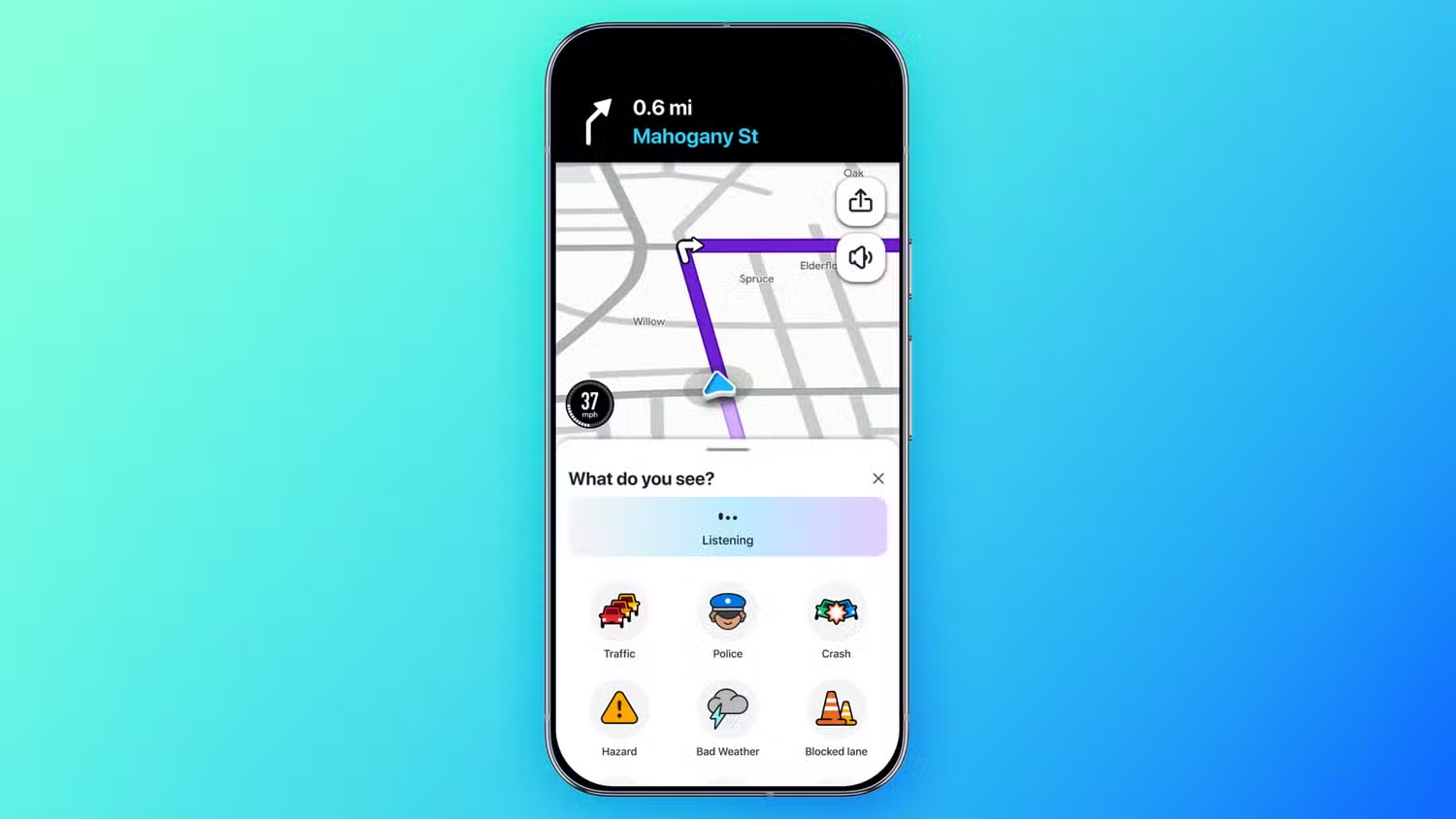
Waze’s latest update is not about flashy visuals; it is about fixing what drivers complain about most. Google has rolled out a major Waze update that brings several new features and tackles long‑standing criticisms. Highlights include a Less Chatty mode that cuts down navigation voice prompts and keeps those that remain shorter, which means fewer interruptions to your music, podcasts, or conversations while driving. That directly targets the fatigue many drivers feel from constant audio directions.
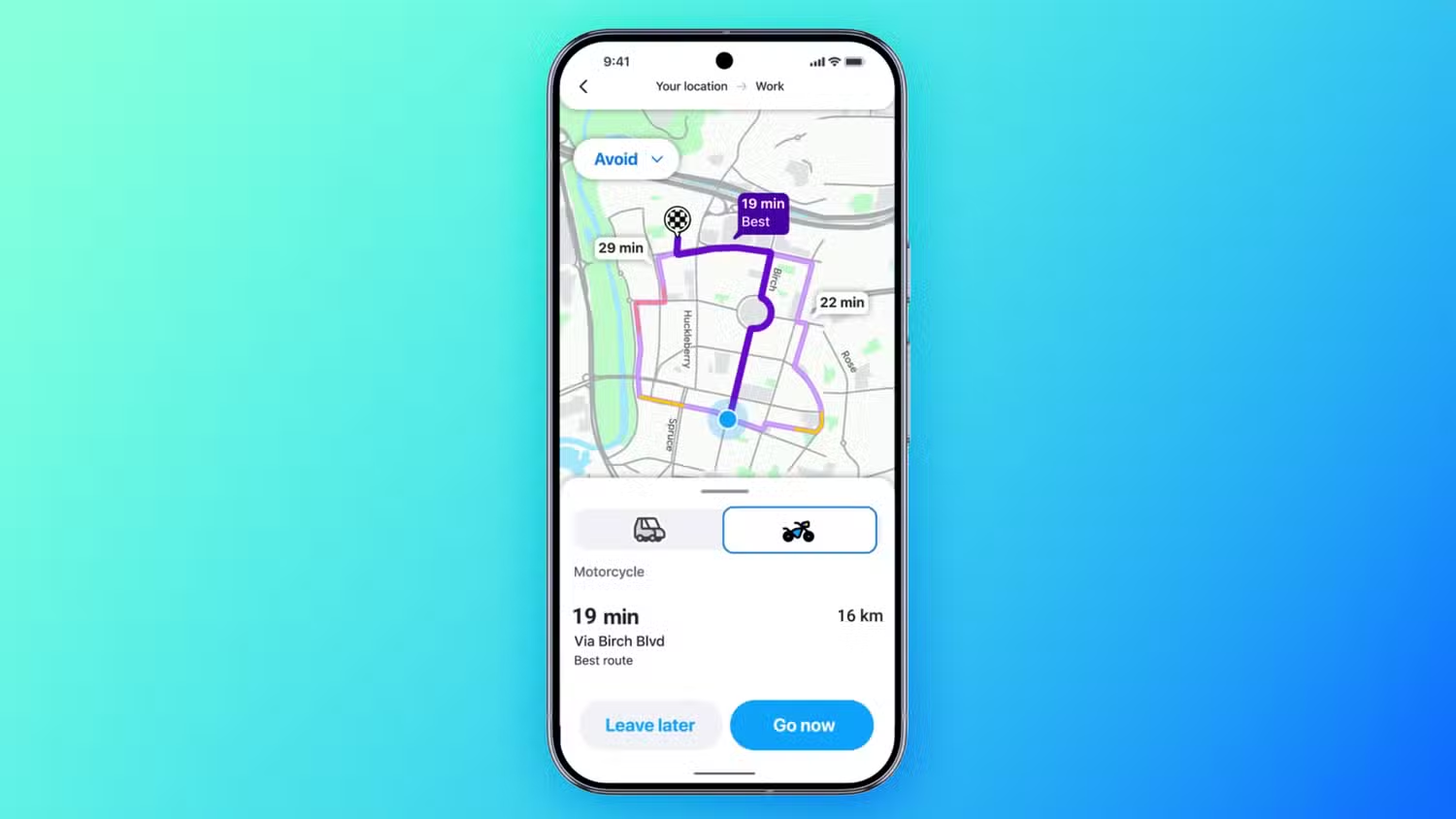
The update also adds Motorcycle Mode, giving riders routes tailored specifically for motorcycles and using AI to recommend roads that are easier and safer to ride while identifying hazards like potholes, speed bumps, raised crosswalks, shoulder endings, and narrow bridges. This is where navigation app updates stop being generic and start recognizing the reality of different vehicles and risk profiles. Finally, Waze is introducing Personalized Navigation, a feature that learns from your previous trips and suggests routes based on your driving habits, making each drive feel more individualized instead of one‑size‑fits‑all.
Trip planning inside Waze: from planned drives to conversational search
Waze has always flirted with planning via its Planned Drive feature, which lets you schedule a trip ahead of time and alerts you when it is time to leave based on live traffic. That alone made it useful for commuters and people who hate being late. But the direction Waze is heading in now is more ambitious: trip planning that feels conversational instead of menu‑driven.
Waze will soon introduce a Find your destination feature that lets you search for places using natural, conversational voice commands, making it easier to refine where you are going without tapping through multiple screens. However, this feature is currently limited to members of the Waze beta community, with a broader release planned later. In effect, Waze is turning into a co‑driver that learns your habits, listens more, nags less, and helps you prepare for road trips in‑app instead of pushing you to external trip planners.
Google Maps trip planning: Ask Maps becomes a route‑chat companion
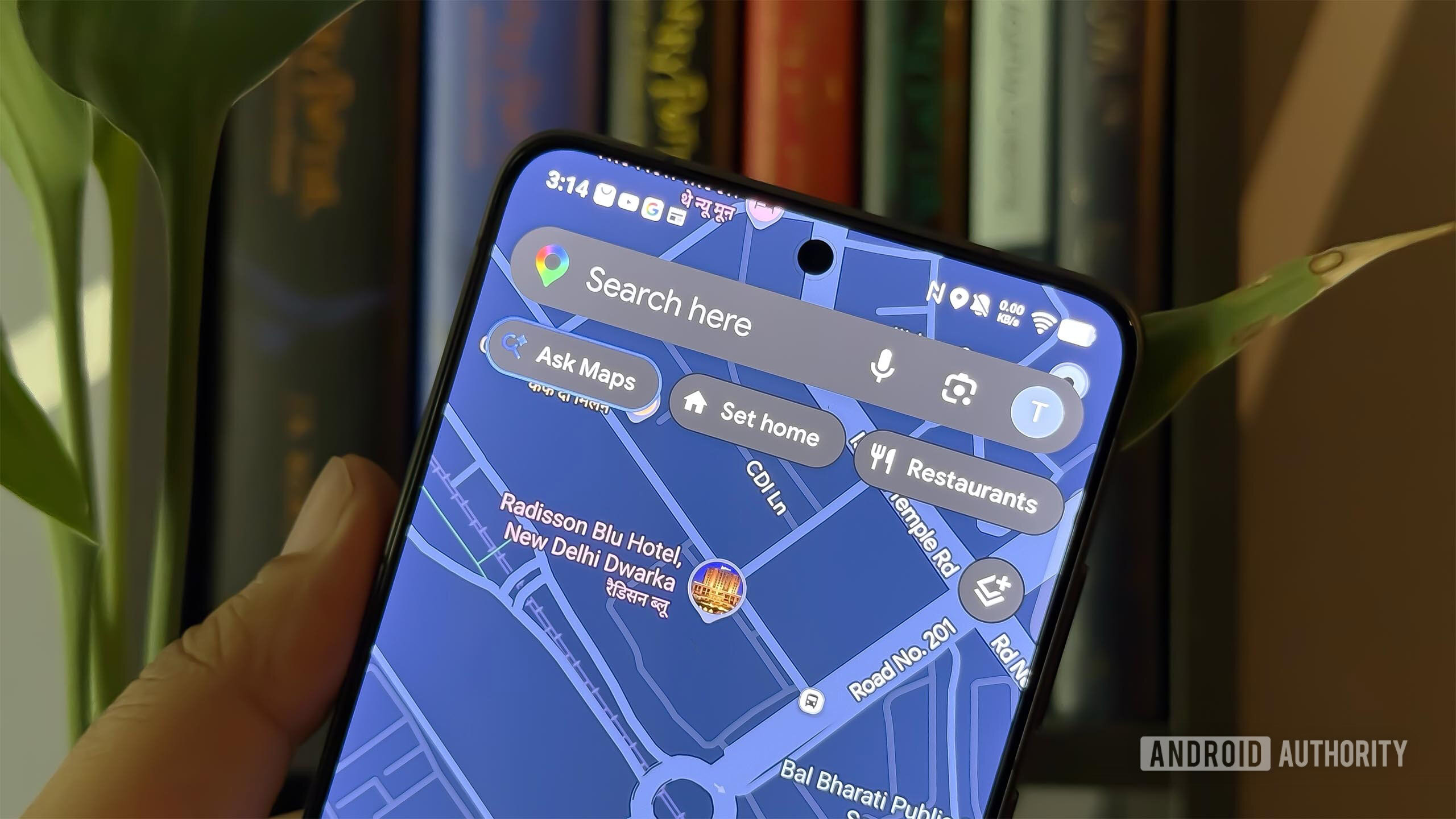
Google Maps, meanwhile, is moving trip planning right into the directions screen with a deeper integration of its Ask Maps feature. Google is working on integrating Ask Maps suggestions more deeply into the app, after initially rolling it out as a way to find new places and get personalized recommendations using Gemini and Maps’ knowledge base. This is not a cosmetic tweak; it changes how drivers choose routes.
While you are checking directions for driving, biking, or walking, Maps will show Ask Maps suggestion chips with prompts like “What’s the most scenic route?” or “What’s the best time to leave to avoid traffic” directly over your route options. At the end of the directions screen, an Ask Maps button opens a dedicated chat window where you can ask questions about the trip in natural language. These suggestions appear only for driving, biking, or walking modes, not transit, signaling that Google sees the most value where there is real route flexibility. The feature is not active yet, but Google is clearly preparing it and is expected to roll it out in the future.
Smarter navigation, fewer decisions: what this shift means for drivers
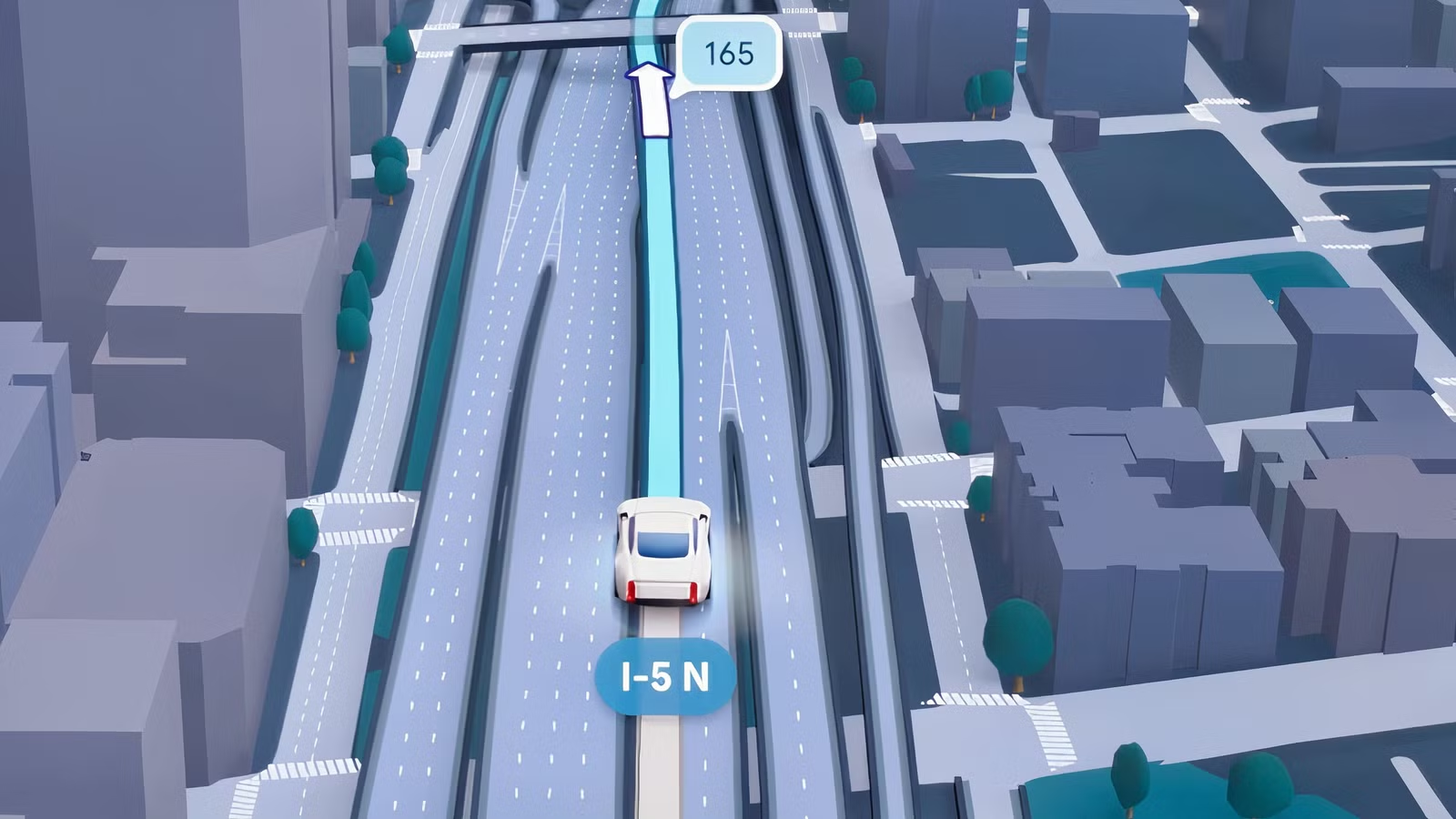
Both Waze and Google Maps are converging on the same idea: the app should not wait for you to ask for directions and then dump options; it should anticipate what you need and reduce the decision‑making friction. Google Maps and Waze are both getting major updates this week, including a new Immersive Navigation mode in Maps that transforms urban driving with a 3D view on Android Auto. These changes signal a broader move where navigation apps evolve into AI‑driven copilots.
On Waze, AI route suggestions now learn from your habits and optimize for comfort, such as quieter prompts and safer motorcycle routes. On Google Maps, Ask Maps uses Gemini‑powered recommendations to surface personalized ideas while you plan. The upside is clear: smarter navigation app updates mean less app juggling, more intuitive trip planning, and routes tuned to how you actually travel. The risk is over‑reliance on suggestions that may obscure trade‑offs. For now, though, the trend is welcome; navigation apps are finally catching up with how people prefer to plan trips—through conversation, context, and fewer taps.