
Huawei’s new zoom-first flagship: why this phone matters
The Huawei Pura 90s Pro Max is a flagship smartphone built around a 200MP telephoto camera, restored 5G connectivity, and 100W fast charging, positioning Huawei as a serious rival in premium smartphone zoom photography despite the ongoing absence of Google services from its global software experience.
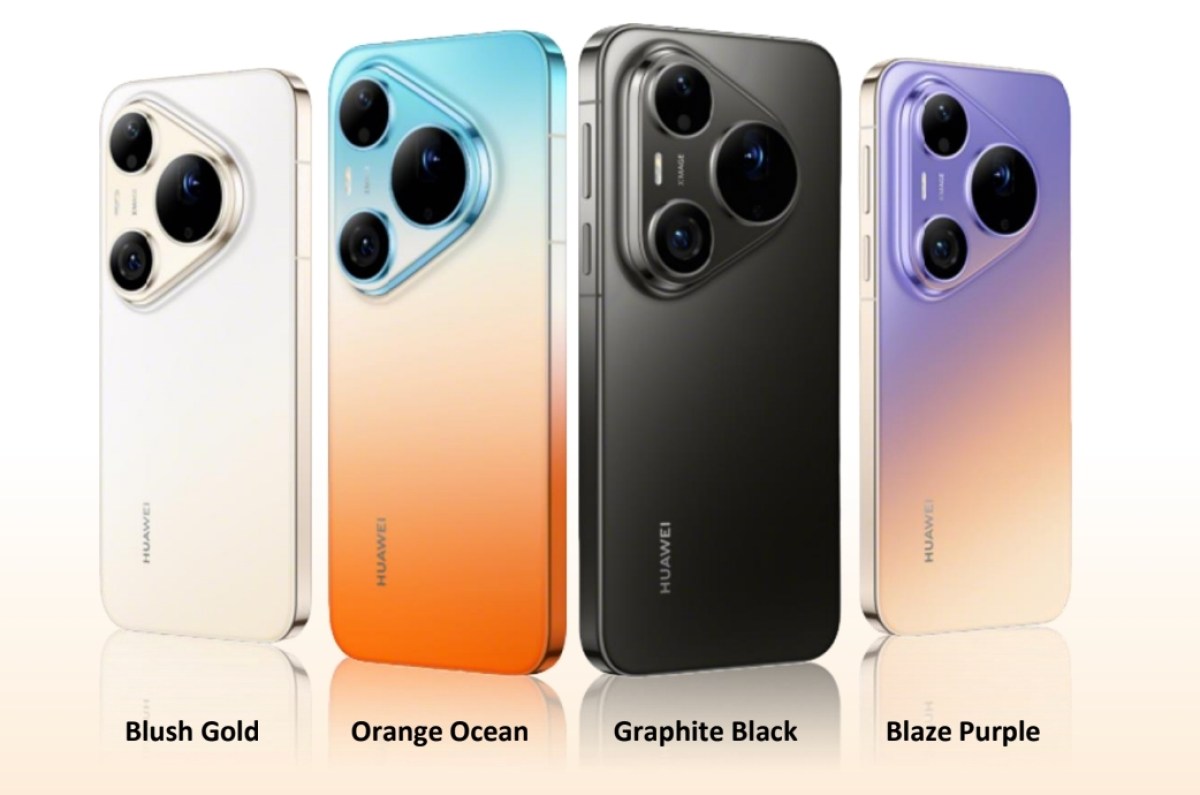
Huawei’s decision to take the Pura 90s Pro Max global with its headline 200MP telephoto camera is a direct challenge to the idea that only two brands define mobile photography at the top end. On 14 July at an event in Kuala Lumpur, the company launched the Pura 90s Pro and Pura 90s Pro Max for markets outside China, with sales starting in Malaysia and other regions to follow. At the same time, Huawei plans to increase smartphone shipments by more than 20% this year and aims to sell over 60 million units in 2026, a bold target when many rivals are cutting back. In other words, this is not a niche camera experiment; it is the spearhead of Huawei’s comeback strategy in high-end phones.
A 200MP telephoto rewrites smartphone zoom priorities
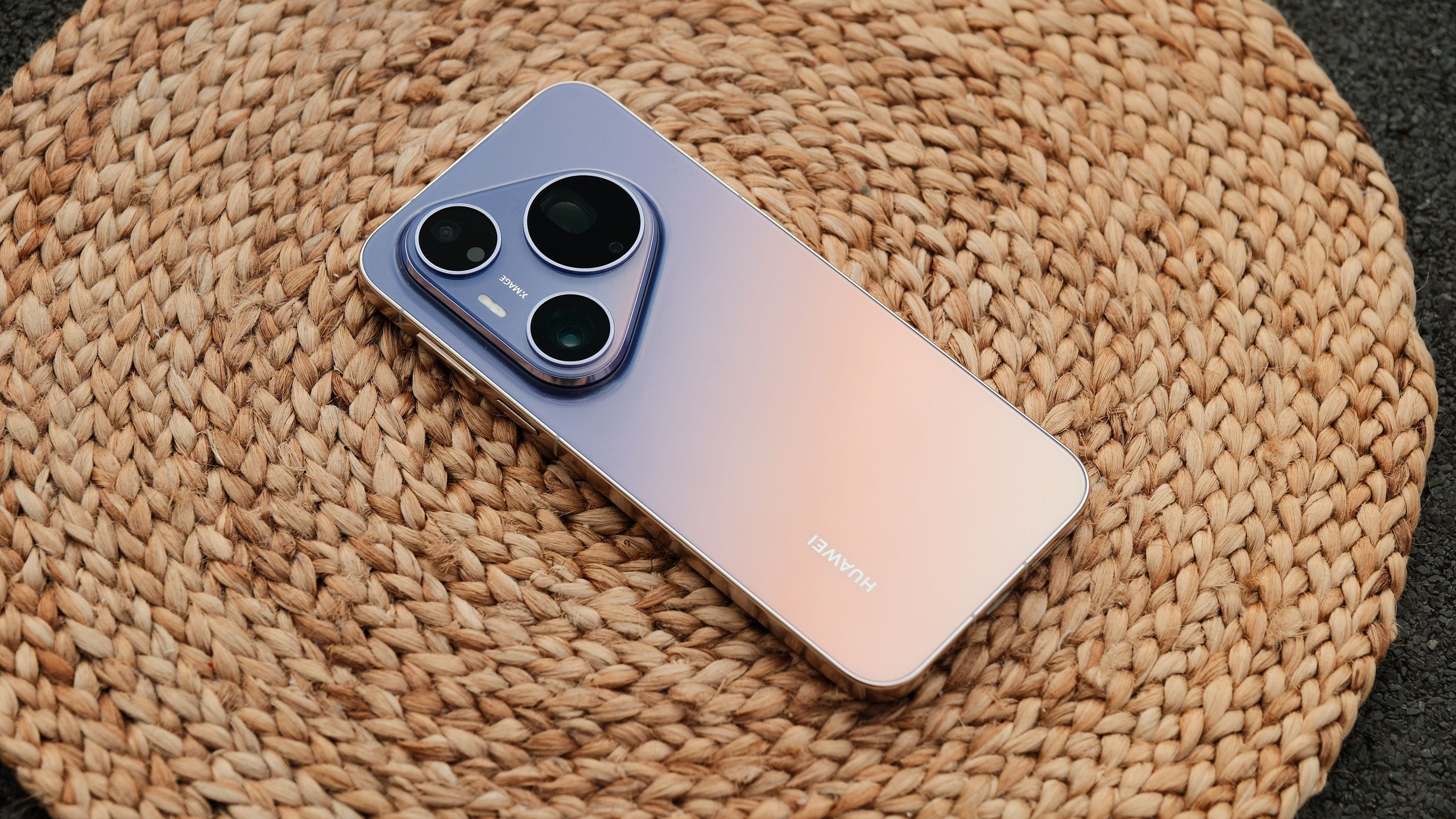
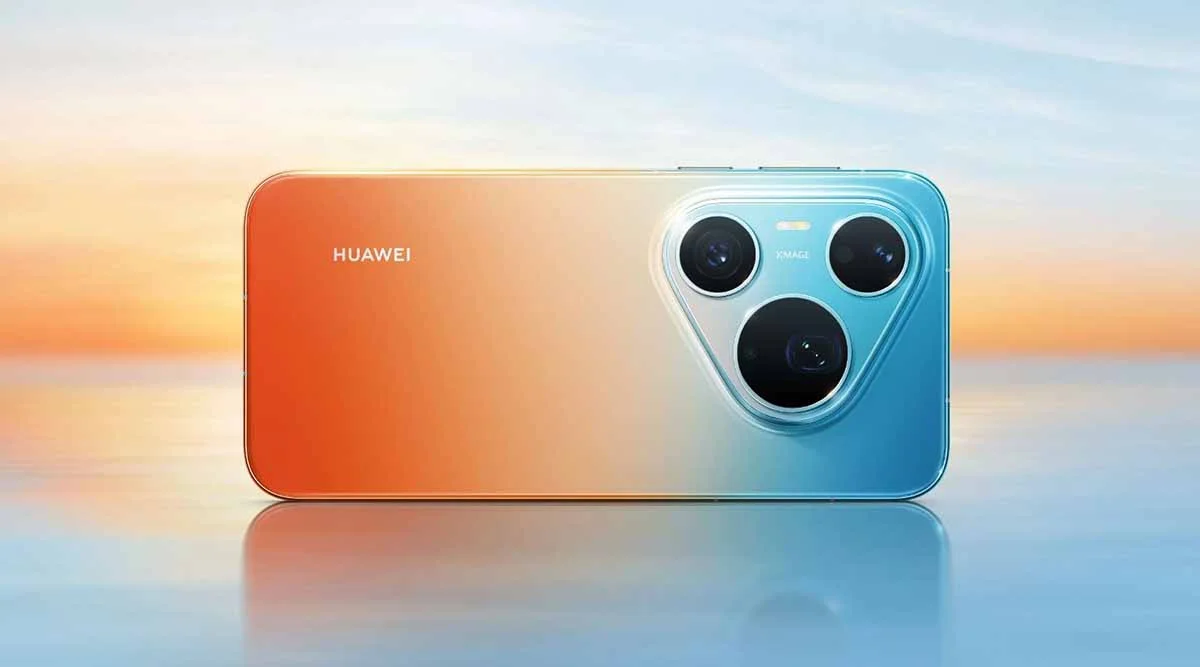
The heart of the Huawei Pura 90s telephoto appeal is that extraordinary 200MP periscope lens. On most flagships, the zoom camera is an afterthought, a smaller sensor that delivers usable shots but rarely the image quality you rely on day to day. Here, Huawei flips the script: the Pro Max’s telephoto sensor measures 1/1.28 inches, larger than the main camera sensors on many premium phones. It offers 4x optical zoom, supports macro close‑ups, and records zoomed video at 20x, pushing smartphone zoom photography into territory where the zoom lens is no longer the weak link but the main attraction.
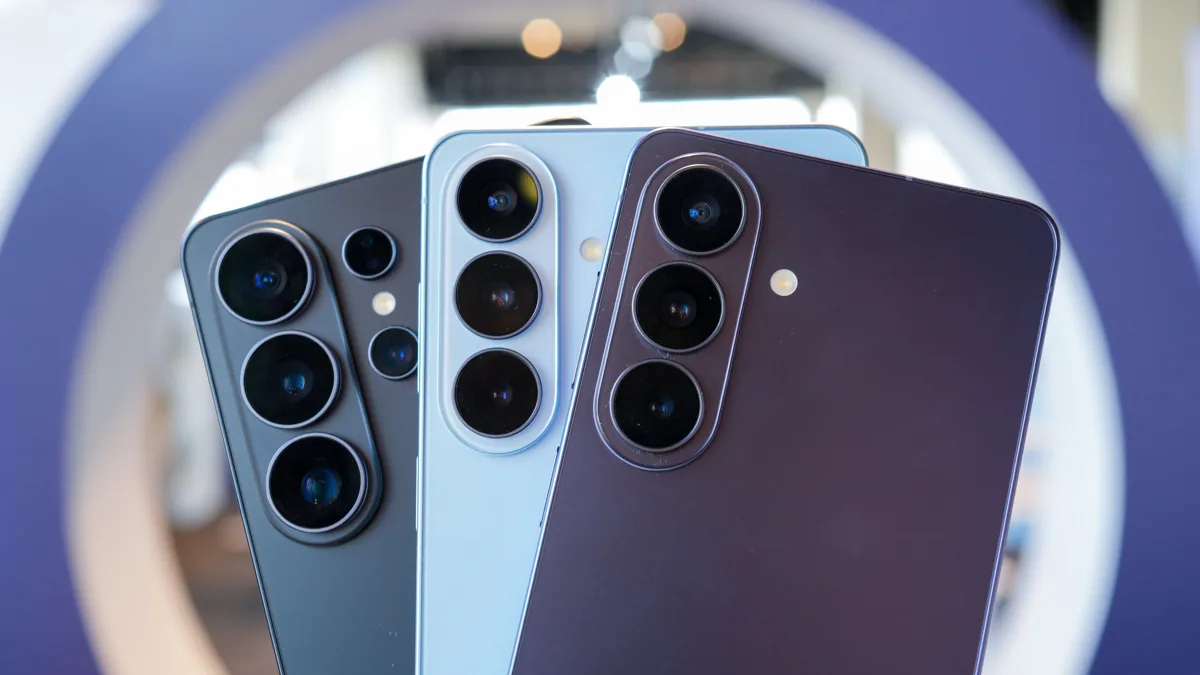
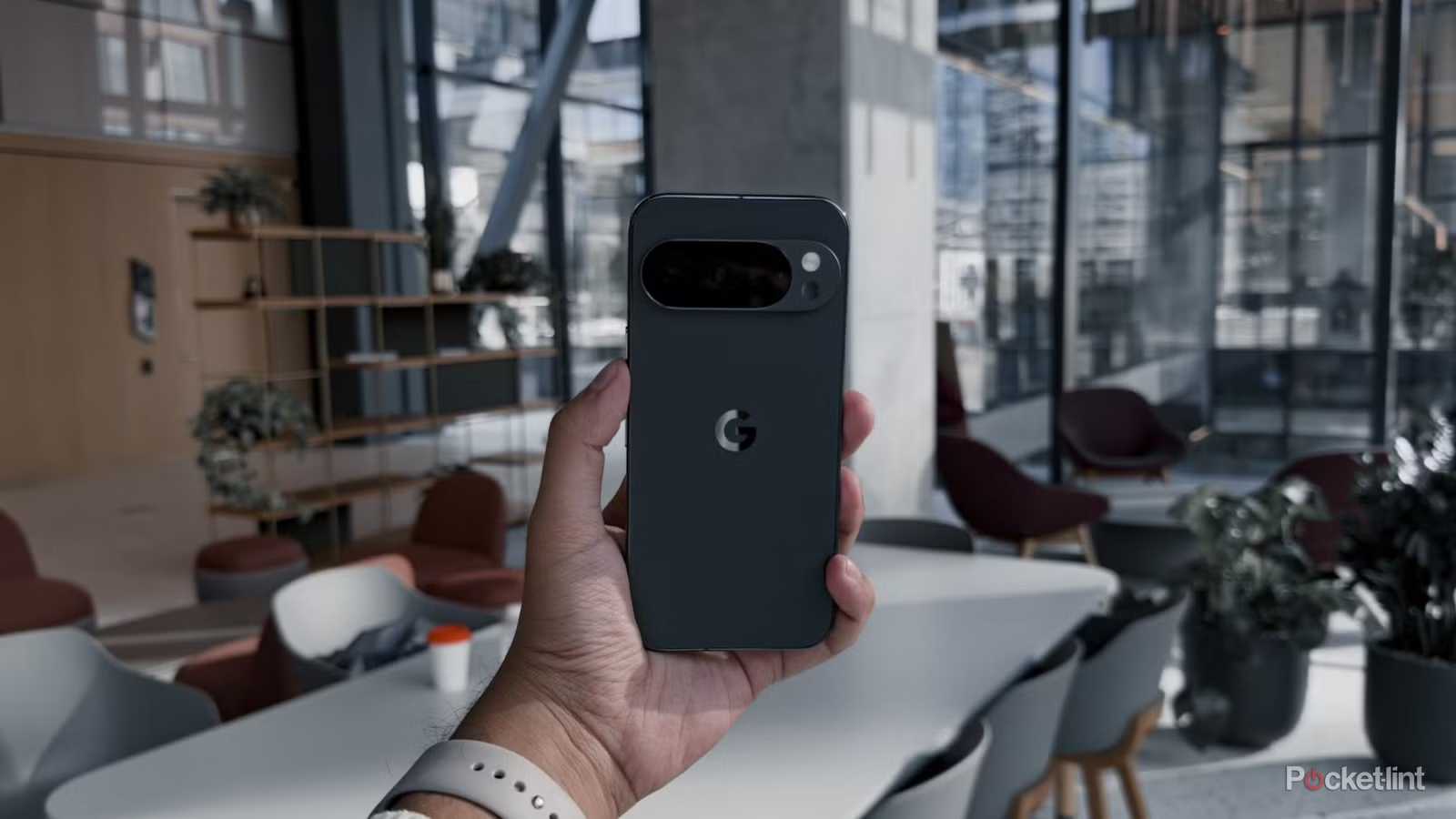
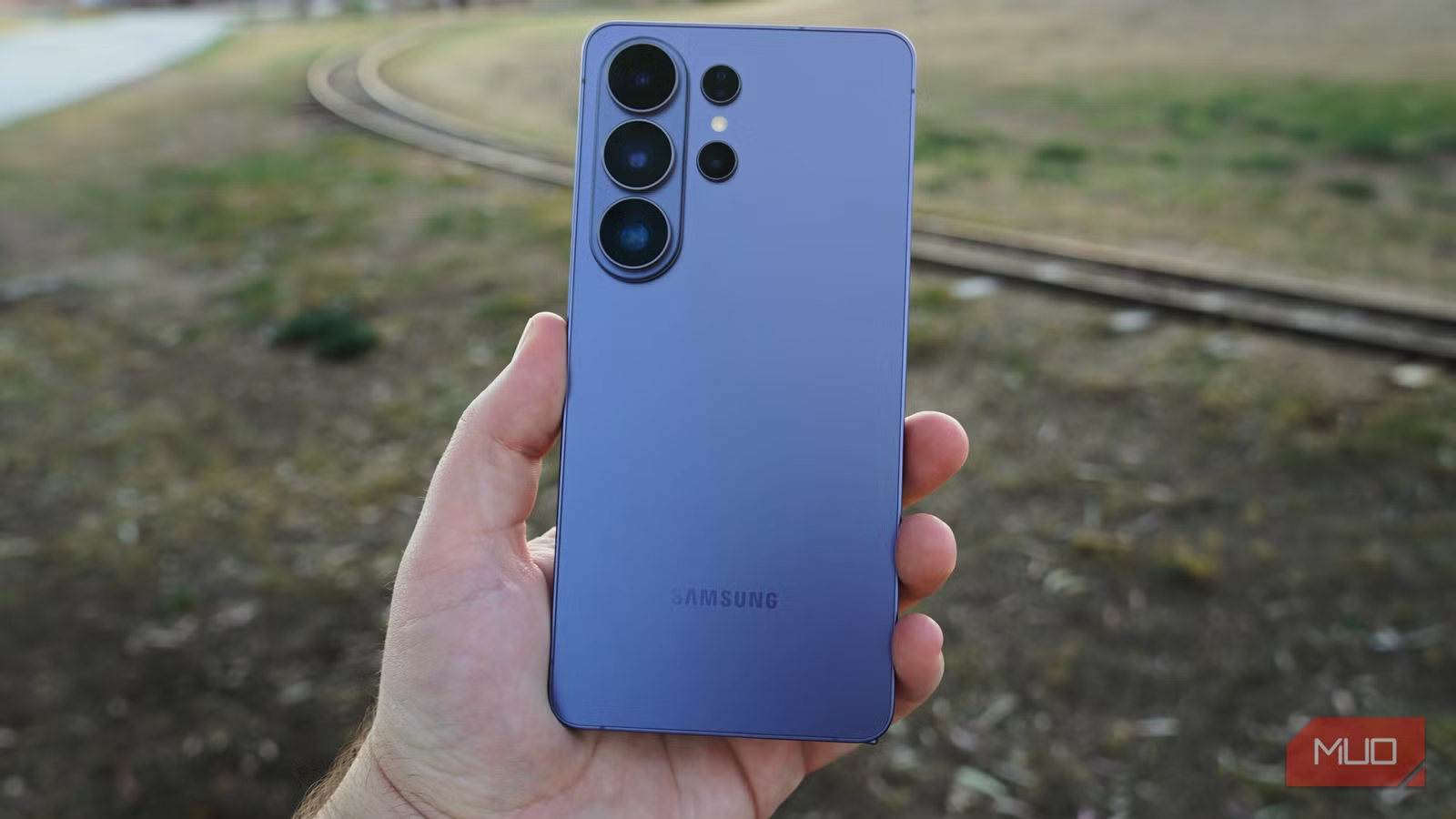
When set against rivals in a flagship camera comparison, the numbers are blunt. The Pura 90s Pro Max pairs its 200MP periscope 4x telephoto with a 50MP main camera featuring a variable f/1.4–f/4.0 aperture and a 40MP ultra‑wide camera. Apple’s top model offers a 48MP main sensor and 48MP 4x telephoto, while Samsung combines a 200MP main camera with a 10MP 3x and 50MP 5x telephoto setup. On raw zoom hardware alone, Huawei is not following trends; it is trying to set them. For photographers who live in the long end of the focal range, this 200MP mobile camera is a loud statement that zoom can be the star, not a sidekick.
5G, 100W charging and the hardware arms race
Huawei is not relying on the camera alone to sell this phone. The Pura 90s Pro Max brings back something global Huawei buyers have lacked for years: full 5G support. Trade sanctions in 2019 cut the company off from American chip technology, leaving its international phones stuck on 4G even as domestic models ran 5G. Now, the in‑house Kirin 9030S chip powers global Pura 90s units with 5G, eSIM, Wi‑Fi 7 and Bluetooth 6.0, finally giving international users nearly the same high‑end experience as those at home.
The rest of the spec sheet reads like a direct attack on the battery and charging weaknesses of rival flagships. The Pura 90s Pro Max offers a 6.9‑inch LTPO OLED display at 120Hz with an anti‑reflective coating, a 6,000mAh battery (5,500mAh in Europe due to battery regulations), and 100W wired plus 80W wireless charging. In a flagship camera comparison table, Huawei tops the list with the biggest battery, fastest charging, the largest zoom sensor ever fitted to a phone, and a higher IP68/IP69 water resistance rating than its main competitors. At a starting price of €1,149 for the 256GB model (about KES 172,000), compared with US$1,199 (about KES 155,000) for one rival and US$1,299 (about KES 168,000) for another, Huawei is arguing that, on hardware value, it is the most aggressive option in the segment.
The Google-shaped hole in a photographer’s workflow
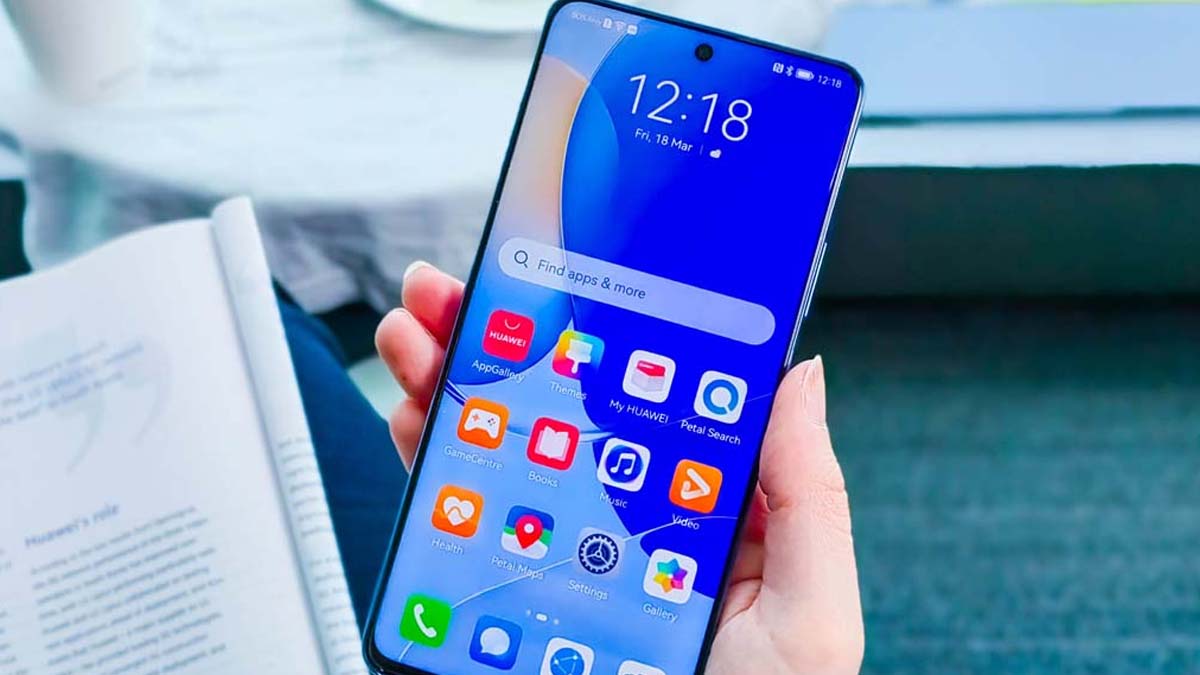
For all its hardware ambition, the Pura 90s Pro Max runs into the same wall Huawei has faced for years: software. The global model ships with EMUI 16, built on open‑source Android, but it cannot run Google Mobile Services out of the box. There is no Play Store, no Gmail, no YouTube, and no Google Maps. That missing layer is not only about watching videos or checking email; many third‑party apps piggyback on Google’s frameworks. Ride‑hailing services often depend on Google Maps, while some banking and payment apps refuse to run if they do not detect Google’s security services.
Huawei’s answer is its own AppGallery store and the option to sideload Android apps, and enthusiasts have developed workarounds to restore parts of Google’s ecosystem. But for many buyers looking at a phone around or above KES 170,000, the idea of debugging their own app stack is a hard sell. The irony is clear: Huawei has produced a device that “matches or beats the best from Apple and Samsung on hardware, and it has solved the 5G problem that hobbled its global phones for years,” yet “it has not solved the software gap.” For mobile photographers who depend on cloud backup, cross‑device editing, and location‑aware shooting tools tied to Google, that gap can outweigh even a world‑first 200MP telephoto.
A calculated bid to reclaim premium camera leadership
Huawei’s push with the Pura 90s Pro Max is not happening in isolation. The company is ramping up its chip and phone production and plans to sell over 60 million smartphones in 2026, an increase of more than 20% as it chases higher profits after a strong first half of the year. While several Android brands have reduced their shipment targets by 15–30% amid rising component and memory costs, supply chain sources say “Huawei is the only customer maintaining order expectations and whose growth momentum continues.” In short, Huawei is betting that breakthroughs in smartphone and chipset design can win back share in the premium segment even when market conditions are tough.
That bet hinges on whether enough users care more about the Huawei Pura 90s telephoto prowess, 200MP mobile camera innovation, and industry‑leading hardware than about Google‑dependent apps. The phones are rolling out beyond their first launch market to others in the coming weeks, but they will still skip places where trade restrictions remain. For now, the Pura 90s Pro Max proves that Huawei can build a flagship that outguns Apple and Samsung on many spec sheet rows. Whether it can turn that into long‑term gains in smartphone zoom photography and premium sales will depend on something far harder to engineer than a sensor: user trust in an alternative ecosystem without Google at its core.