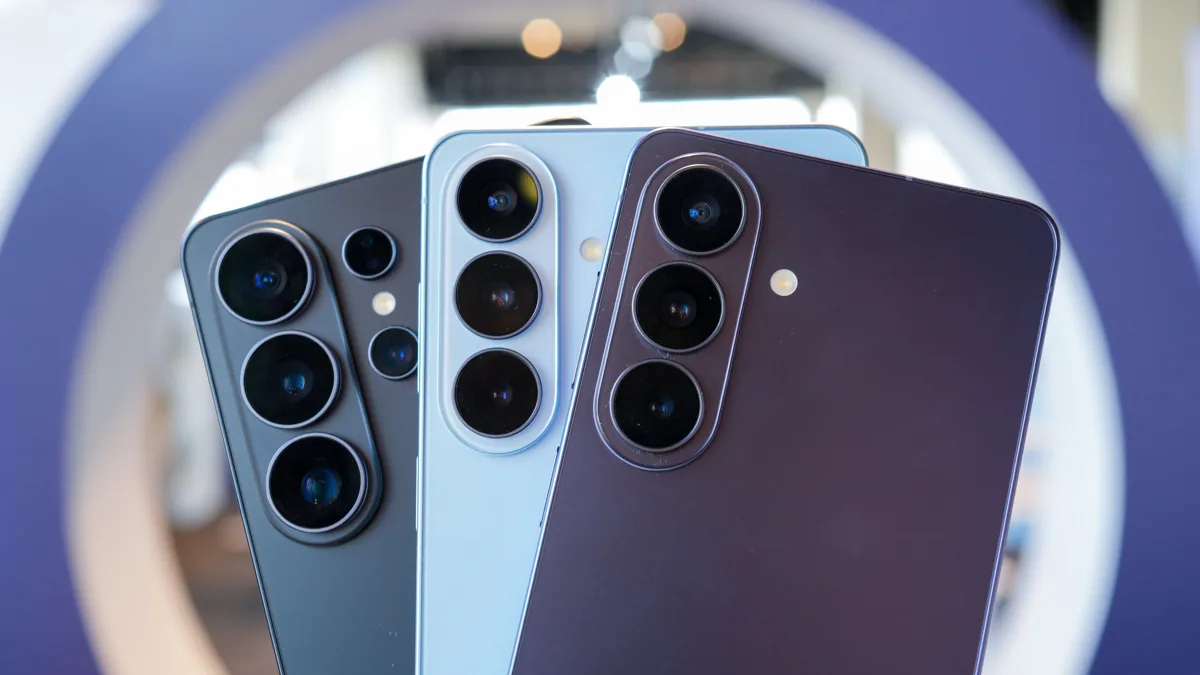

Our Top Pick and What “Best Camera Phone” Really Means
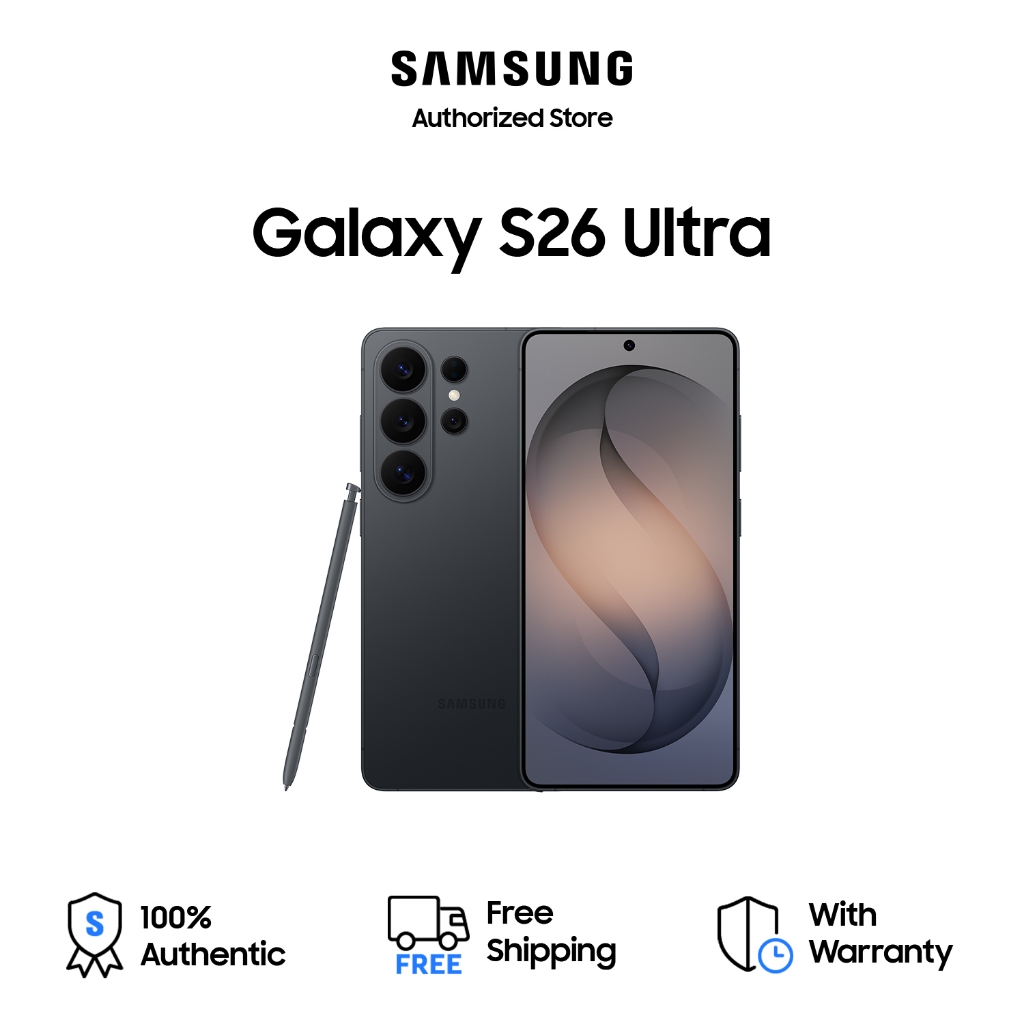
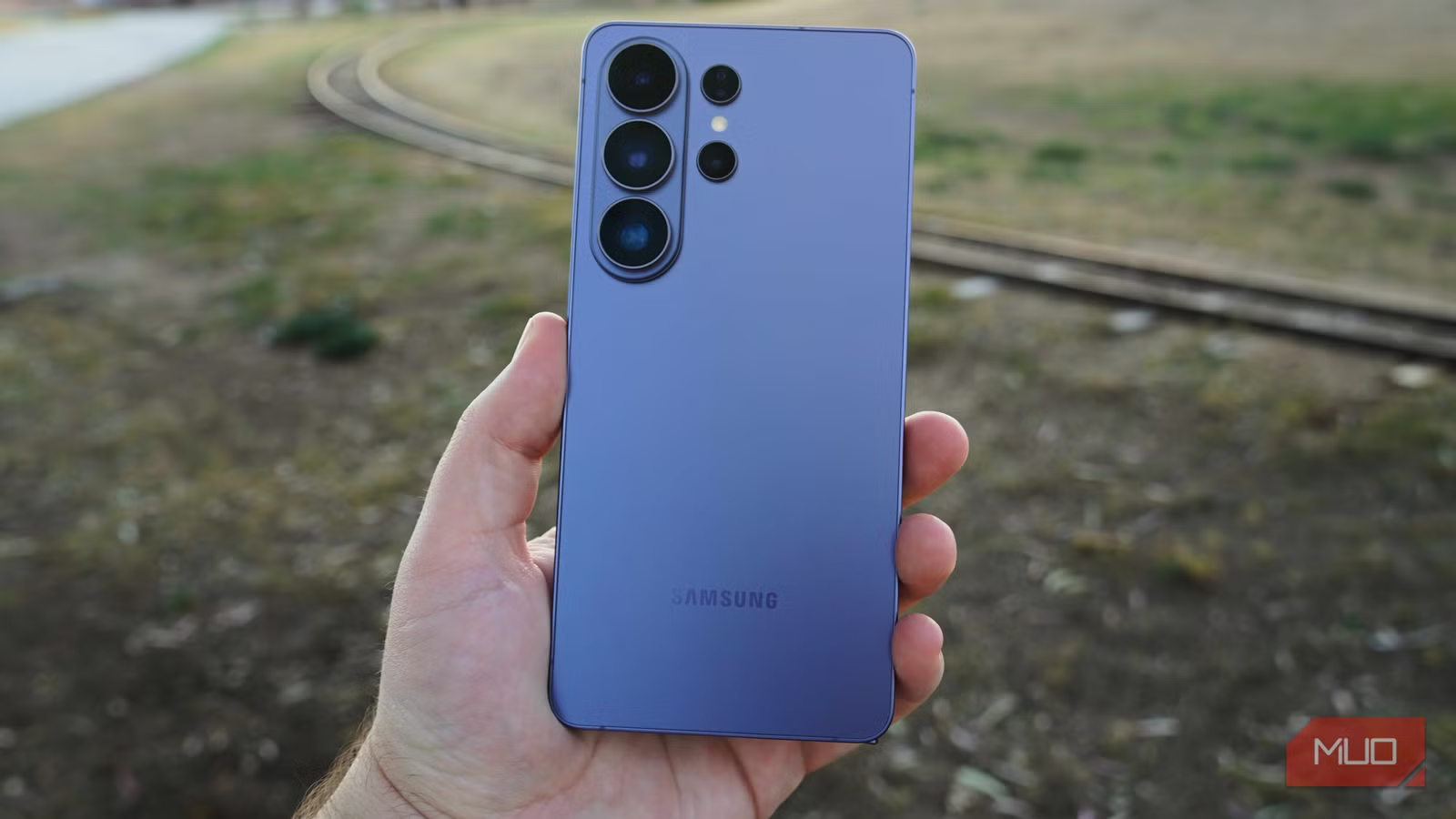
The best camera phones are premium smartphones whose hardware and computational photography systems are tuned to deliver reliable, high‑quality photos and video across different lighting conditions, zoom ranges, and shooting scenarios for everyday users and serious creators alike. For most people, the best camera phone right now is the Samsung Galaxy S26 Ultra, because it combines a versatile quad‑lens setup, big sensor, strong mobile camera performance, and advanced AI tools into one flagship that excels at nearly every type of smartphone photography, from ultra‑wide landscapes to 100x zoom details and 8K video.
The S26 Ultra’s main 200MP f/1.4 camera with optical image stabilization (OIS) and a 1/1.3‑inch sensor gives it outstanding low‑light and dynamic‑range results, while its 50MP ultra‑wide and twin telephoto lenses (3x 10MP and 5x 50MP, all with OIS) cover everything from portrait compression to distant subjects without falling apart into mushy detail. In testing, it produced rich colors, plenty of detail, and confident performance in low light, along with crisp 8K and 4K 120fps video for TikTok, Reels, and YouTube content. If you want one device that you can trust for almost any shot, this is the camera phone to buy.
Samsung Galaxy S26 Ultra vs iPhone 17 Pro / Max
This is the core flagship camera comparison most buyers face: S26 Ultra or iPhone 17 Pro / Max. Both sit at the top of the best camera phones 2026 lists and deliver premium mobile camera performance, but they suit different users. The S26 Ultra is the better choice if you care about zoom range, lens variety, and flexible shooting modes; it offers four rear lenses and can reach 100x zoom thanks to its telephoto and software combo, backed by AI features in the native camera app. According to one expert review, “this is a very well‑specced phone which takes great photos, and while it’s expensive, it’s one of the best Android phones you can buy for photography.”
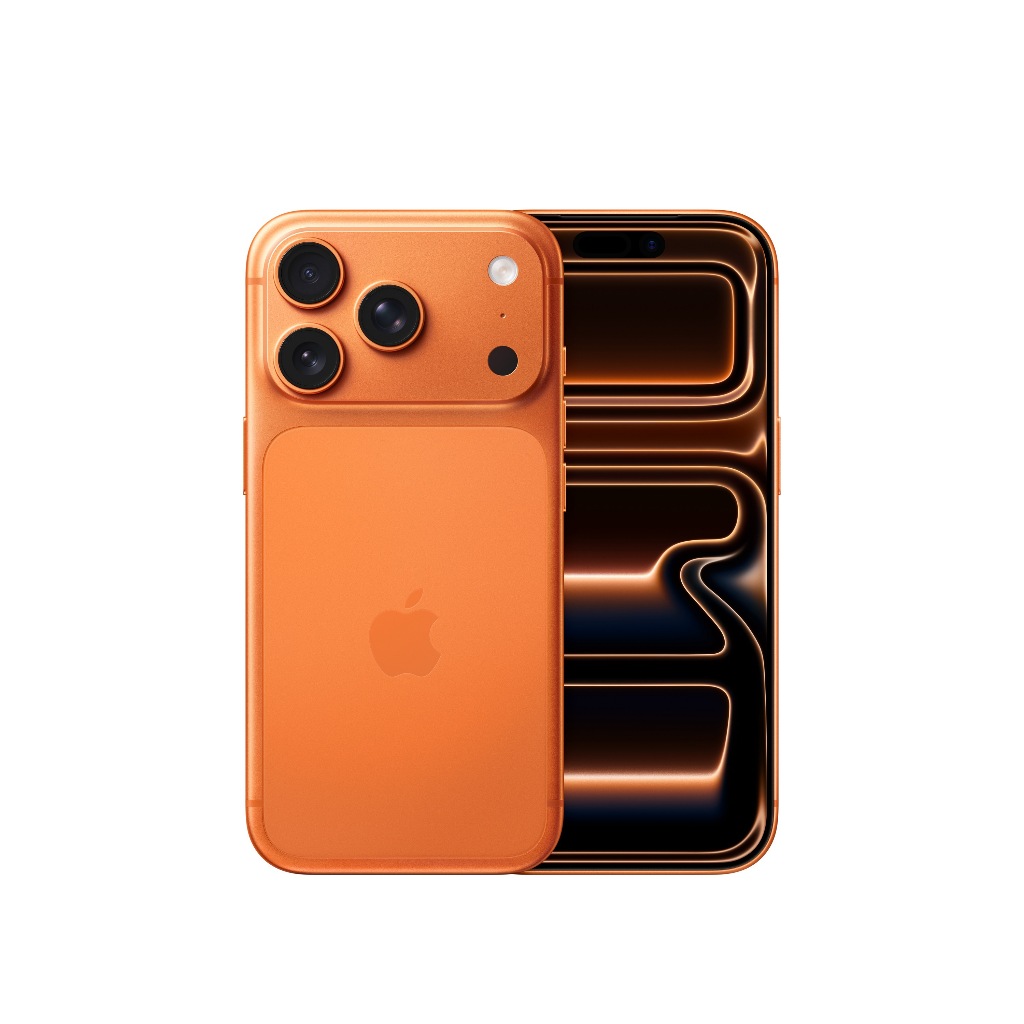
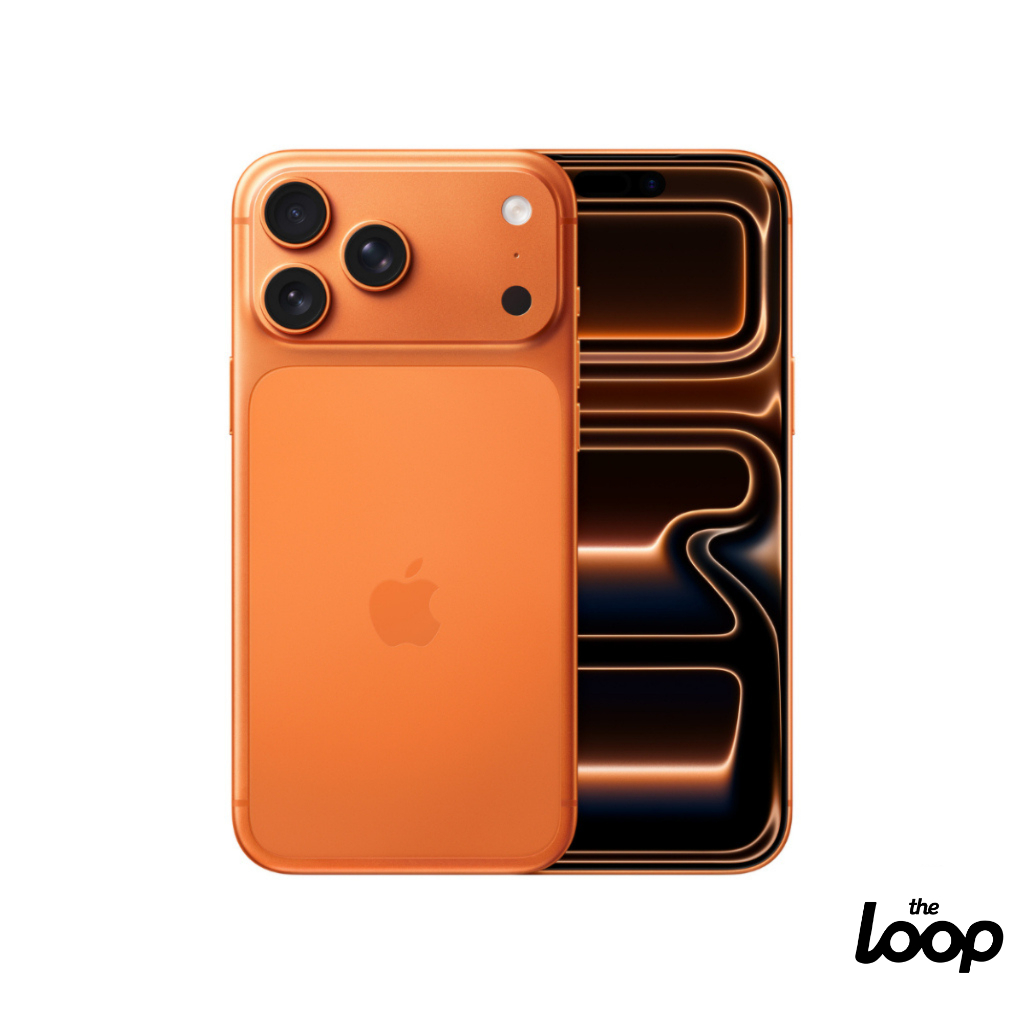
The iPhone 17 Pro and Pro Max, meanwhile, are the clear pick for those embedded in the Apple ecosystem who want natural‑looking images and straightforward tools. Each model uses a triple 48MP rear camera system with a 24mm f/1.78 main, 13mm f/2.2 ultra‑wide, and 100mm f/2.8 telephoto lens, plus an upgraded 18MP f/1.9 selfie camera with autofocus. Their 4K video up to 120fps pairs with simple but capable built‑in editing tools, and their large sensors (up to 1/1.28‑inch on the Pro Max) keep noise in check and detail high in tricky light. The trade‑offs: Apple’s colors are limited and macro performance lags, while Samsung’s Ultra asks more money, offers a weaker macro mode, and even drops Bluetooth from the S‑Pen.
| Spec | Galaxy S26 Ultra | iPhone 17 Pro / Max |
|---|---|---|
| Main camera | 200MP f/1.4, OIS, 1/1.3", 23mm | 48MP f/1.78, 24mm equiv |
| Ultra‑wide | 50MP f/1.9, 13mm | 48MP f/2.2, 13mm equiv |
| Telephoto | 3x 10MP f/2.4, 69mm + 5x 50MP f/2.9, 115mm, both OIS | 48MP f/2.8, 100mm equiv |
| Selfie camera | 12MP f/2.2 PDAF | 18MP f/1.9 AF |
| Video | 8K 24/30fps; 4K 120/60/30fps | 4K up to 120fps |
| Screen | 6.9" 3120×1440 AMOLED, 2600 nits peak | 6.3" / 6.9" Super Retina XDR OLED |
Low Light, Night Modes, and AI Editing
If your priority is shooting at night, the Honor Magic8 Pro sits at the top of the best camera phones 2026 shortlist for low‑light photography. Its camera system is built around a 50MP f/1.6 main with OIS, a 50MP f/2.0 ultra‑wide that doubles for macro, and a standout 200MP f/2.6 3.7x telephoto with close‑focus and OIS, plus a 50MP selfie camera. Reviewers highlight its “updated telephoto night camera” and “great close‑ups with telephoto camera,” making it ideal for city lights, concerts, and creative long‑lens night shots. Battery options up to 7200mAh Silicon Carbon give you the stamina to keep shooting after dark.
Night mode is now a core part of smartphone photography, and all the major flagships pull multiple frames and align them with AI to brighten shadows and sharpen detail. Larger sensors, such as the S26 Ultra’s 1/1.3‑inch and the iPhone 17 Pro Max’s 1/1.28‑inch, capture more light, so you get cleaner night images with less blur. On the processing side, Pixel phones add tools like Magic Eraser for deleting unwanted objects, Real Tone for accurate skin tones, and Face Unblur, while Samsung’s latest Galaxy S range includes AI features such as Magic Editor to backfill weak shots. The Honor Magic8 Pro’s downsides are a fixed‑focus selfie camera, smaller battery in some markets, and the fact that it isn’t available everywhere.
Zoom, Macro, and Advanced Shooter Options
Zoom is where the best camera phones separate themselves from midrange models. Superzoom systems now combine high‑megapixel sensors, optical telephoto lenses, and computational photography to deliver 30x, 50x, or even 100x reach, with the Galaxy S26 Ultra hitting that 100x mark. For night zoom, the Honor Magic8 Pro’s 200MP 3.7x telephoto has been tuned for excellent telephoto night shots and close‑focus work, making it superb for low‑light portraits and details. If macro and close‑ups are your main passion, the Oppo Find X9 Ultra is the specialist recommendation, while the Xiaomi 17 Ultra is the go‑to for advanced photographers who want maximum control.
Smaller but powerful flagships like the Samsung Galaxy S25 cater to those who want top‑tier mobile camera performance in a more compact body, and value choices such as the Tecno Camon 40 Premier 5G deliver impressive results without full flagship pricing. Across brands, depth sensors and time‑of‑flight modules help portrait and bokeh modes judge subject distance for cleaner separation and more convincing blur. For video, aim for 4K 60fps as the baseline; some Android flagships push to 8K, but that resolution is still overkill for most people and demands huge storage. Optical image stabilization, often combined with digital stabilization, gives footage from these phones an almost Steadicam‑like stability that creators love.
How to Choose: Matching Camera Phones to Your Shooting Style
To pick the right device from today’s flagship camera comparison, start with three to five key criteria: lens variety, sensor size, zoom range, video quality, and computational features. A standard lens, wide‑angle, and telephoto combo covers most smartphone photography needs, while larger sensors matter more than megapixel count when it comes to low‑light and overall mobile camera performance. If you care about editing and AI tricks, Google’s Pixel line is still king for features like Magic Eraser and Real Tone, and Samsung is close behind with its expanding AI editing suite. If your priority is day‑to‑day photography and you don’t need pro‑level tools, any of these top camera phones will serve you well.
Think about your shooting scenarios: landscapes, travel, family portraits, night scenes, video content, or macro detail. The S26 Ultra shines as an all‑rounder for landscapes, low‑light, and multi‑lens video workflows, and many creators already use it for YouTube and vlogging. The iPhone 17 Pro / Max is perfect if you prefer Apple’s color science, easy editing, and integration with other devices. The Honor Magic8 Pro is the specialist choice for night photography with a focus on telephoto work. Whatever you choose, learning manual control of aperture, ISO, and shutter speed will improve your smartphone photography more than chasing minor spec bumps.
- Buy the Samsung Galaxy S26 Ultra if you want the single most versatile camera phone for zoom, low light, and video across nearly every scenario.
- Skip the Samsung Galaxy S26 Ultra if you hate large phones, need strong macro performance, or want to avoid paying for features you won’t use.
- Buy the iPhone 17 Pro / Max if you live in Apple’s ecosystem, prefer natural colors, and shoot a lot of 4K video with simple, reliable tools.
- Skip the iPhone 17 Pro / Max if you want more lens variety, better macro, or broader color options than Apple currently offers.
- Buy the Honor Magic8 Pro if night photography and telephoto low‑light portraits are your top priorities and you value huge battery capacity.
- Skip the Honor Magic8 Pro if you care about fast, flexible selfie focus, want maximum availability across markets, or rarely shoot at night.