
Is Today’s GPU Market Worth Buying Into?
GPU price tracking is the ongoing process of monitoring graphics card deals, comparing current and historical prices across retailers and generations, and checking performance per dollar so buyers can quickly tell whether today’s discount is real value or a fake sale. Right now, the headline deal is the Nvidia RTX 3060 12GB resurfacing at its original launch price of USD 329 (approx. ₱18,400). In a twist, that five-year-old card is a better value buy than Nvidia’s newer RTX 5060 budget model in many use cases, because it trades raw speed for a larger 12GB VRAM buffer and a lower price. If you want the best GPU prices today, mid-range and older-generation cards are where the genuine bargains sit, while cutting-edge Blackwell boards demand big cash from early adopters.
In deal terms, that means: buy last-gen or refreshed mid-range if you want value; pay the Blackwell tax if you insist on being on the bleeding edge. Everything else is noise.
RTX 3060 vs RTX 5060 and Blackwell: Where the Value Is
The RTX 3060 12GB is back on shelves at its February 2021 MSRP of USD 329 (approx. ₱18,400), with MSI’s Ventus model spotted at that price on Newegg. That card uses Nvidia’s mature Ampere architecture and GDDR6 memory, and the MSI board adds a triple-fan cooler, factory overclock, backplate, and four display outputs. You get 12GB of VRAM, which is a key advantage for newer games and mixed workloads compared with 8GB budget cards. The newer RTX 5060 is faster by 40–60% depending on the game, but its 8GB VRAM buffer is a clear weakness in modern titles that no longer treat 8GB as a comfortable baseline. According to one source, “the best budget GPU in 2026 seems to be the one made in 2021.”
On the Blackwell side, Nvidia’s GeForce RTX 5090 ships with 32GB of GDDR7 VRAM and is the most powerful consumer GPU available, but current best prices reach USD 3,979 (approx. ₱222,900), far above its USD 1,999 (approx. ₱112,000) launch MSRP. Lower-tier RTX 5060 and 5060 Ti 8GB cards sit much closer to MSRP, with the RTX 5060 listed at USD 339 (approx. ₱19,000) against a USD 299 (approx. ₱16,800) launch, and the RTX 5060 Ti 8GB at USD 359 (approx. ₱20,100) versus a USD 379 (approx. ₱21,300) MSRP. For value, the RTX 3060 and similar older-gen cards still win the budget graphics cards race, while Blackwell 50-series models make sense only for early adopters chasing new features like DLSS 4.5 and updated Tensor and Ray Tracing cores.
Comparing Deals Across Nvidia, AMD, and Intel
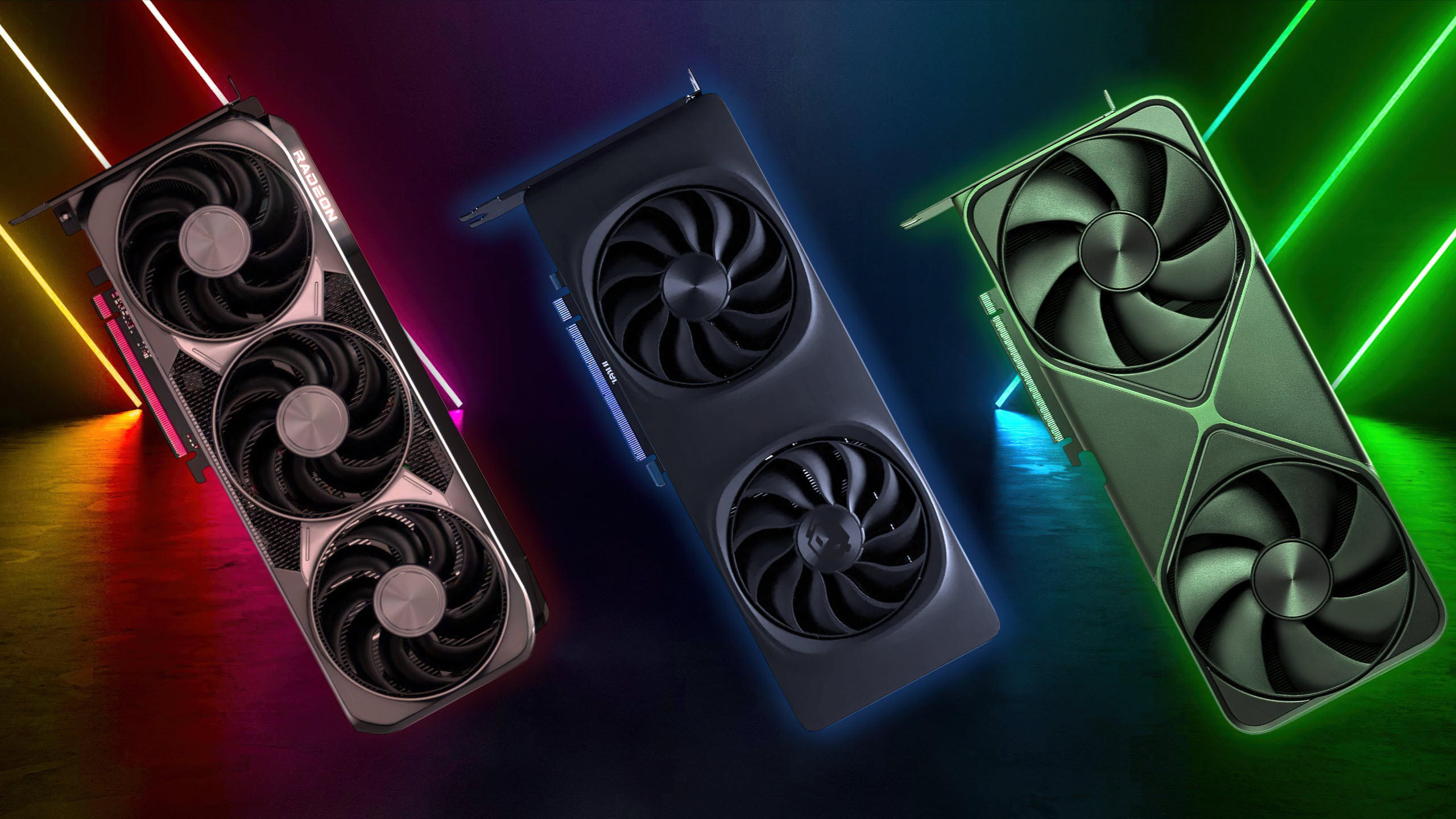
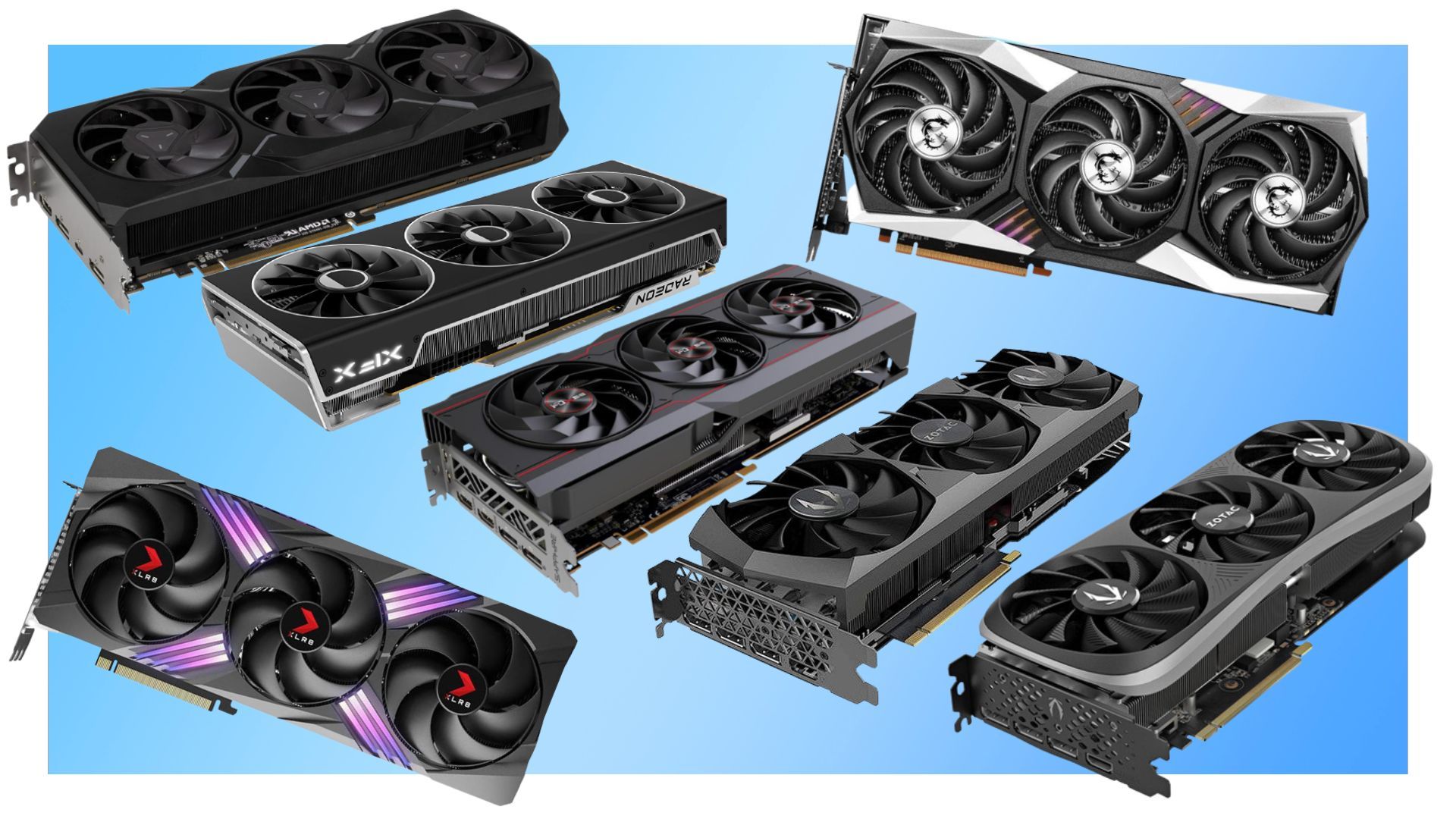
If you want the best GPU prices today, you have to compare across brands rather than staying loyal to one logo. A dedicated GPU price index tracks the lowest-priced GPUs from the most recent two generations of Nvidia, AMD, and Intel, updating constantly with the best prices available for each SKU. It lists the cheapest board for each model, whether it is from Asus, MSI, Sapphire, Gigabyte, Powercolor, or ASRock, so you always see the real floor price for that chip. That index also records the “Best US Price,” “Lowest-Ever U.S. Price,” and “MSRP Launch Price” side by side, which turns GPU discount comparison into an easy three-number check instead of guesswork. For example, you can see at a glance that the RTX 5090’s current best price of USD 3,979 (approx. ₱222,900) far exceeds both its lowest-ever USD 1,999 (approx. ₱112,000) and its MSRP of USD 1,999 (approx. ₱112,000), which makes it a poor deal right now.
On the AMD side, cards like the Radeon RX 9070 XT carry a launch MSRP of USD 599 (approx. ₱33,600), and its best recorded US price has hit USD 689 (approx. ₱38,600), matching that launch figure as the lowest-ever price. That means you are not seeing meaningful discounts yet, so it is more of a fair-price buy than a hot sale. Intel’s Arc series, meanwhile, occupies a price sweet spot in the market that competing vendors have walked away from, especially for 1080p gaming. These Arc cards are highlighted as strong options for budget graphics cards, where the performance and pricing balance often undercuts newer Nvidia and AMD models. Cross-brand comparison is how you spot when an older Nvidia card like the RTX 3060 offers better frames per dollar than a newer but VRAM-constrained budget GPU.
How to Track GPU Prices and Avoid Fake Deals
Good graphics card deals depend on more than a sale badge. The most reliable GPU price tracking tools collect current best prices for each model and refresh them often, so your first step is to cross-check any tempting offer against that index. It shows you whether today’s “deal” is below the lowest-ever price or still sitting closer to the launch MSRP. You should also compare against the current generation: for each older-generation card, check what you would pay for the nearest modern equivalent to see if a small premium buys you much better performance or features. For example, while the RTX 5060 Ti 8GB is currently listed at USD 359 (approx. ₱20,100) versus its USD 379 (approx. ₱21,300) launch, the RTX 3060 at USD 329 (approx. ₱18,400) can still deliver better overall value because of its 12GB VRAM and lower cost.
Always verify who you are buying from. For older GPUs especially, big retailers often switch listings to third-party sellers automatically, and many 40‑series cards may be second-hand or ex-mining hardware that still sells at inflated prices. You must check that the seller is legitimate and that the product is new if that is what you want. Also pay attention to VRAM amounts: newer budget cards with 8GB can be “faster on paper” yet perform worse over time as games demand more memory, which is why the RTX 3060’s 12GB buffer can outlast the RTX 5060’s 8GB in demanding titles despite lower raw performance. In short, a good GPU discount comparison weighs current price, historical lows, VRAM, and seller quality rather than chasing the newest architecture name.
Buy if / Skip if
- Buy the RTX 3060 12GB if you want the best budget graphics card value and care about a larger 12GB VRAM buffer at a modest price.
- Skip the RTX 3060 12GB if you need maximum frames today and are willing to pay more for the faster RTX 5060 or higher-tier Blackwell cards.
- Buy the RTX 5060 or 5060 Ti 8GB if you want near-MSRP access to Nvidia’s latest Blackwell features and DLSS 4.5 on a tighter budget.
- Skip the RTX 5060 or 5060 Ti 8GB if you are worried about 8GB VRAM limits in future games and multitasking workloads.
- Buy the RTX 5090 if you are an early adopter who values top-end performance and 32GB of GDDR7 VRAM more than price sanity.
- Skip the RTX 5090 if you care about value, because its current USD 3,979 (approx. ₱222,900) best price is far above both MSRP and its lowest-ever price.
- Buy the Radeon RX 9070 XT if you see it at or below its USD 599 (approx. ₱33,600) launch MSRP and want a modern AMD alternative.
- Skip the Radeon RX 9070 XT if prices sit around USD 689 (approx. ₱38,600), since that matches its lowest-ever price and offers little true discount.
- Buy the Arc series GPUs if you are building a budget gaming PC and want a price sweet spot left open by Nvidia and AMD.
- Skip the Arc series GPUs if you prefer the more mature software ecosystems and ray tracing features of Nvidia or AMD cards despite higher cost.