
Wide Is the New Big: Why Phone Screens Are Changing Shape
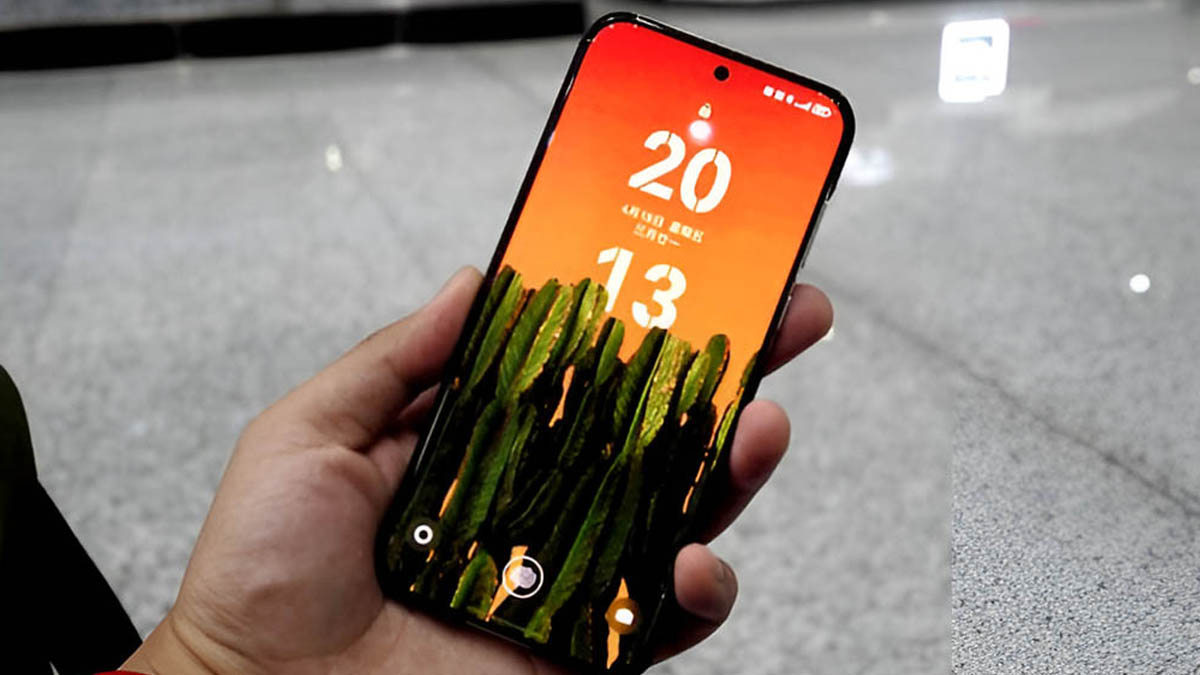
The wide-screen phone revolution is a shift away from tall, remote-control-like handsets toward devices that prioritize horizontal display space for productivity, media, and multitasking by using wider aspect ratios, new OLED stacks, and redesigned bodies that challenge both classic slab phones and traditional foldable display technology. Over the past decade, smartphone screens have grown taller and narrower, but that trend is finally hitting a wall. When manufacturers wanted wider screens, they turned to complex, fragile folding displays. Now a new split is emerging: one camp doubles down on foldables, while another pushes rigid ultra wide smartphone displays that behave more like compact tablets in your pocket. The key takeaway: the next generation phone form factor will not be one-size-fits-all—and users will have to choose their kind of “big.”
Foldables Fight Back: Samsung’s Wider Z Fold Era
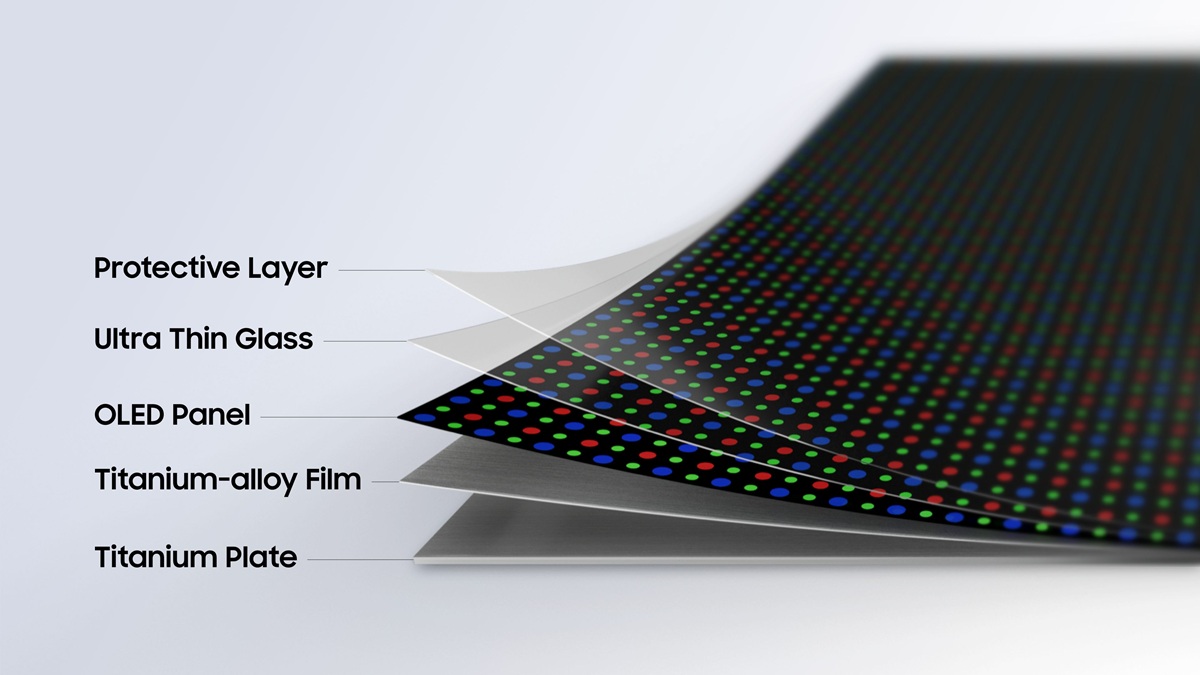
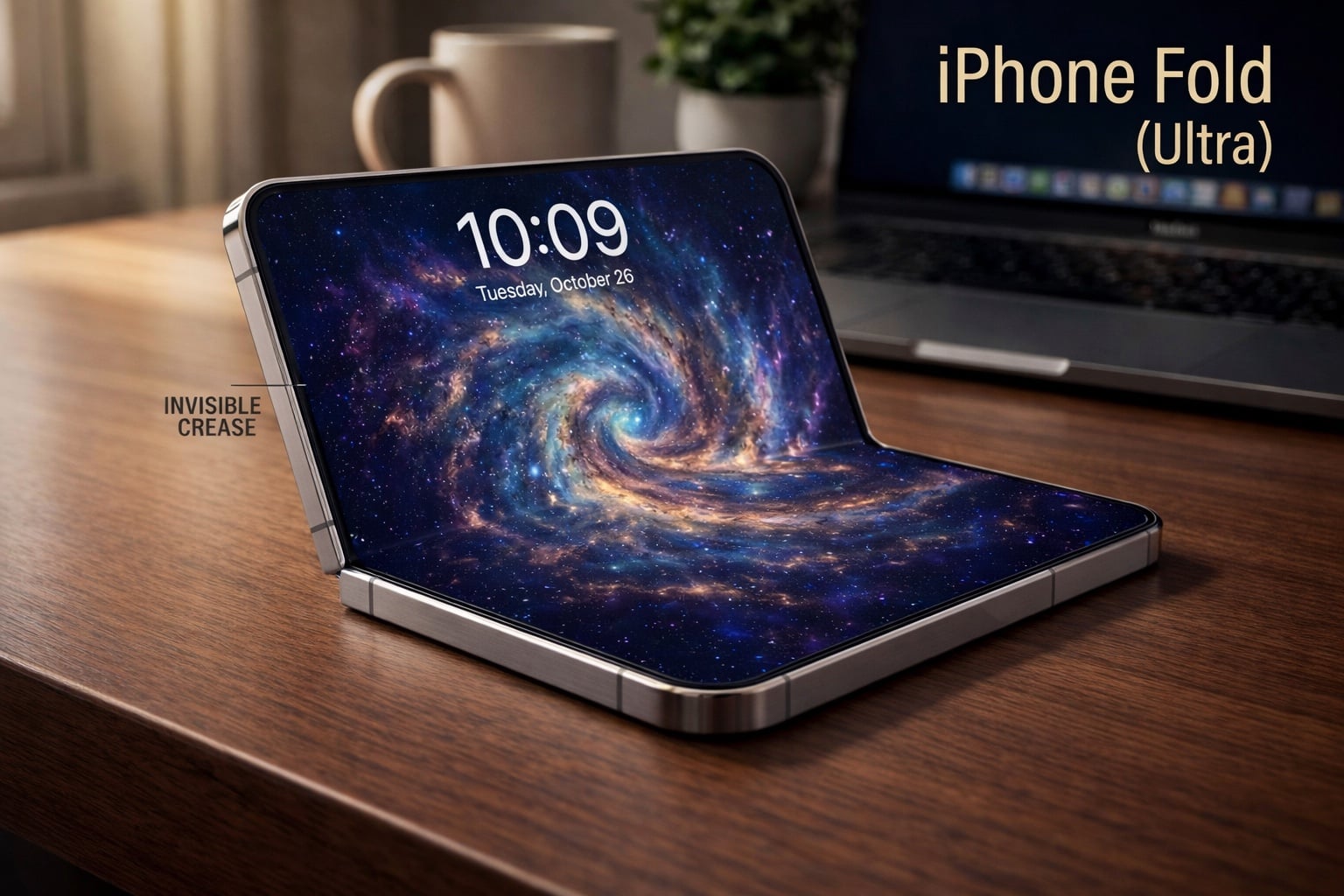
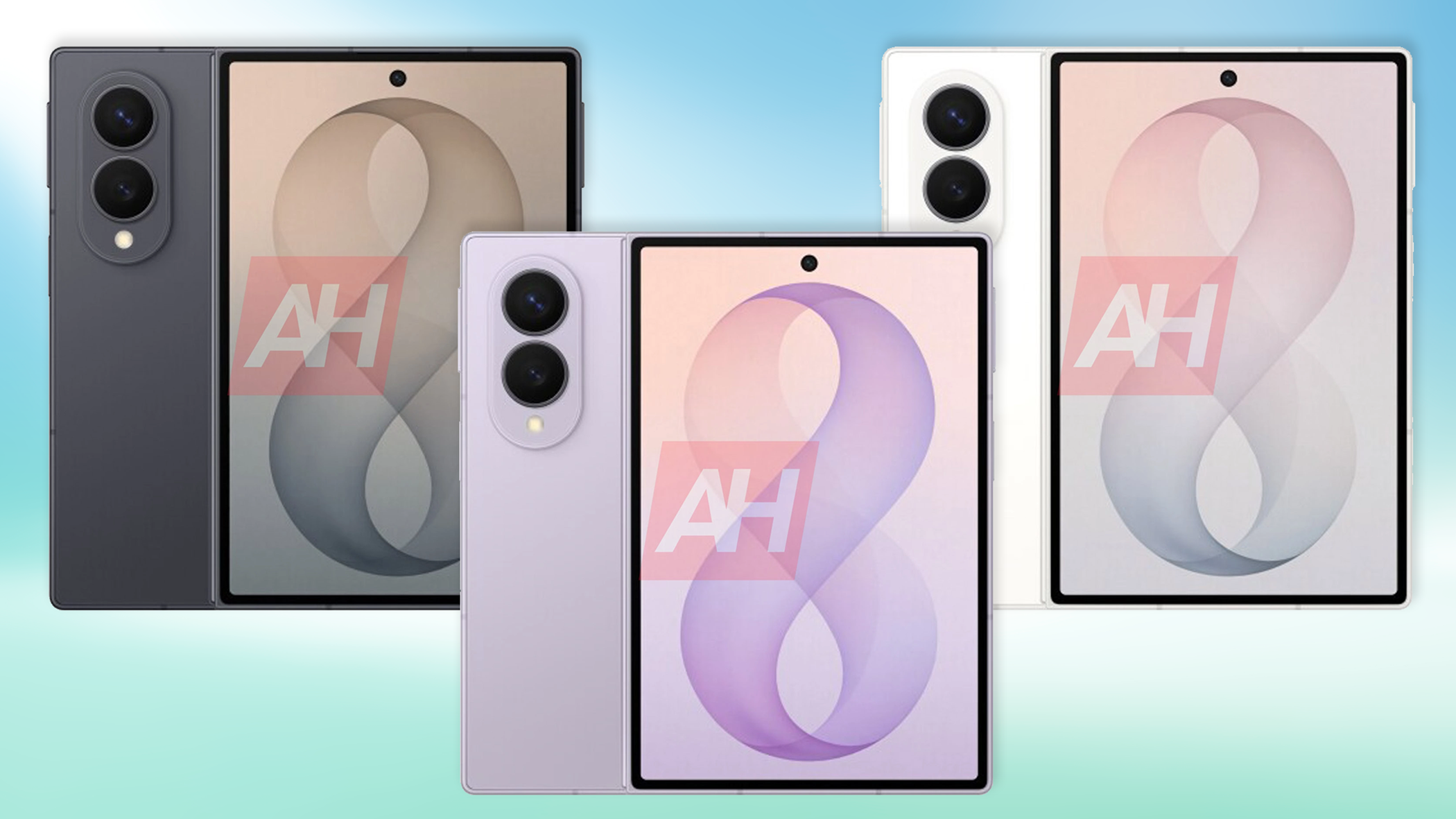
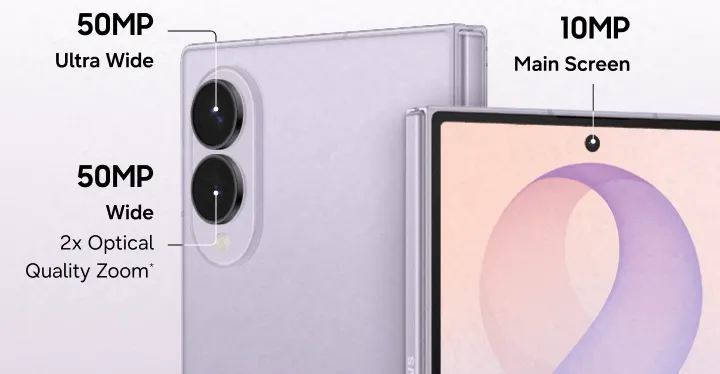
Foldable phones were the first answer to our hunger for bigger canvases without carrying full tablets. They hinge open into mini-tablets and close into something closer to a normal phone, expanding usable screen real estate without making pockets absurd. But this approach comes with an ugly trade: “Foldable phones are engineering marvels, but they still require fragile plastic-composite screens, complex hinges, and a noticeable center crease”. Samsung’s latest wide-screen phone design for the Z Fold line, seen in recent leaks of a redesigned wide display, shows how the foldable side is responding. By reshaping the outer and inner panels toward more natural, wider aspect ratios, foldables are trying to feel less like experiments and more like daily drivers. The foldable display technology camp is betting that better hinges and more durable materials can overcome their inherent complexity.
OPPO’s Non-Foldable Wide Screen: Big Canvas, No Hinge
OPPO is taking the opposite bet: that you can deliver a wide-screen phone without any folding party tricks. A fresh leak claims that OPPO has kicked off development on a non-foldable, wide-screen phone. According to the reliable tipster Digital Chat Station, OPPO’s upcoming device is explicitly not a foldable, nor is it a traditional tablet; instead, it is a standard slate phone that embraces a much wider display footprint, likely a boxier 16:10 aspect ratio. This kind of wide screen phone design aims to kill three birds at once: reduce mechanical failure points, keep the feel of a classic glass slab, and unlock a serious productivity boost. The 16:10 aspect ratio is also superior for current mobile productivity, because tall 19.5:9 or 20:9 screens cram virtual keyboards and crush spreadsheets, while split-screen multitasking results in two tiny, unreadable windows.
The benefits go beyond comfort. Building a wider, non-folding phone offers some key advantages over both traditional tall flagships and current foldables. A rigid, wide-screen phone delivers a big canvas with a traditional, highly durable glass screen that will not crease, tear, or struggle with dust ingress. On the other hand, a wider screen allows you to comfortably run two apps side-by-side, read documents without constant horizontal scrolling, and enjoy a much better layout for mobile gaming and video editing. This move makes OPPO the second major Android brand to explore this experimental form factor in recent times, signaling that wide-screen slabs might become a real alternative to folding hardware for people who care more about reliability than wow factor.
Huawei’s Dual-Layer OLED: Wide Screens Need Better Light
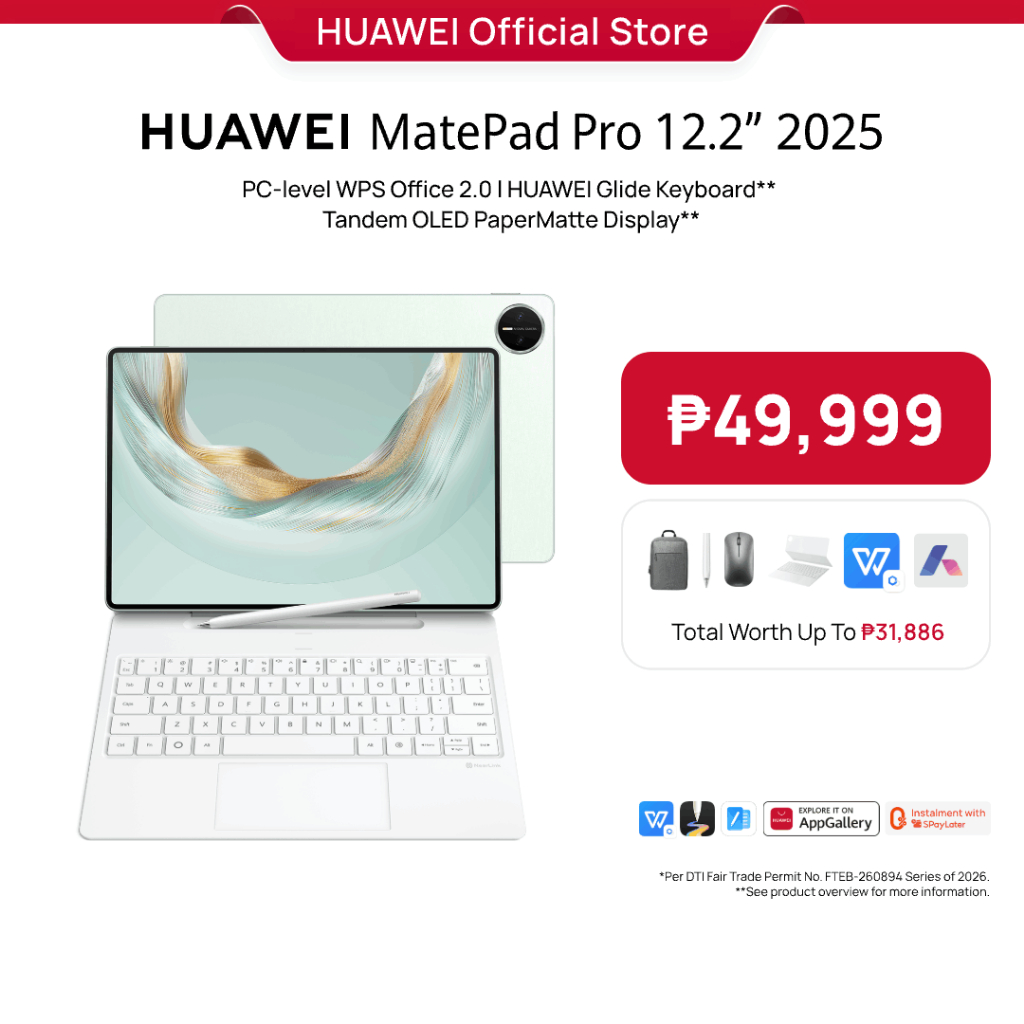
Wider displays are useless if they are dim, reflective, or fragile, which is why Huawei’s work on dual-layer OLED matters. Huawei is working on the 2026 Mate flagship, but the Pura 100 Pro Max has already started appearing in leaks with top-of-the-line specifications, and a dual-layer OLED solution could be part of this phone. DigitalChatStation noted that Huawei is testing two screen sizes for the Pura 100 series – 6.6-inch and 6.9-inch. Although the tipster revealed that the large screen (6.9-inch panel) could upgrade to the dual-layer OLED instead of the standard LTPO OLED screen technology. This also implies that the Huawei Pura 100 Pro Max could become the first Pura phone to use dual-layer OLED. The company first introduced a tandem OLED solution to its flagship MatePad Pro 12 tablet, and later the Mate 70 RS Ultimate became the first Huawei phone to equip the double-layer OLED, stacking two light-emitting layers on top of each other.
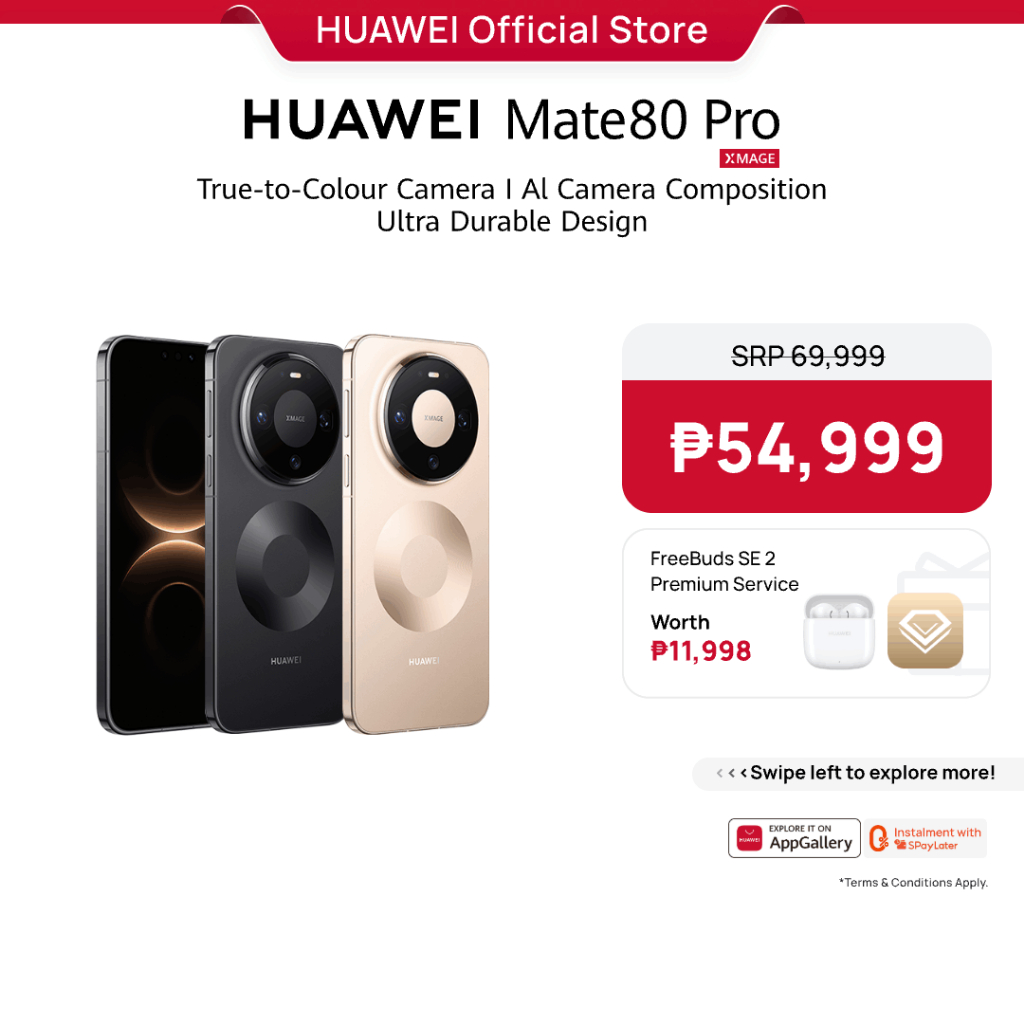
This tech is not just spec-sheet theater. While a similar display was expected for the Pura 80 Ultra, the company skipped that and featured dual-layer OLED for the Mate 80 Pro Max and RS Ultimate alongside 8000 nits peak brightness. For a clear comparison, Huawei has used a special anti-reflective display for the Pura 90 Pro Max that reduces screen reflectivity by 70%, increases scratch resistance by 16 times, and drop resistance by 25 times. These are exactly the kinds of gains wide panels need to stay usable outdoors and survivable in real pockets. However, now the company could finally bring the dual-layer OLED for the Pura phone next year, but there is still a lot of time, and we should take this input with a grain of salt at present. The message is clear: wide hardware is forcing display technology to evolve toward brighter, tougher, less reflective glass.
One Trend, Two Paths: How Users Should Choose Their Wide Future
Wide-screen designs are no longer a single strategy; they are a fork in the road. When manufacturers wanted to give us wider screens, they turned to complex, fragile folding displays. Now another major brand is challenging that trend with rigid ultra wide smartphone displays, while Huawei experiments with dual-layer OLED to power large 6.9-inch panels without sacrificing brightness or durability. This move makes OPPO the second big Android player to explore this experimental form factor in recent times, confirming that the next generation phone form factor will be contested, not settled. If you want maximum screen in minimum footprint and are willing to accept hinges and creases, foldables will stay tempting. If you care more about keyboard comfort, side-by-side apps, and structural durability, non-foldable wide screen phone designs look smarter. The wide-screen revolution will not crown a single winner; it will force you to pick the compromise you can live with every day.