
Flex Titanium in One Sentence: A Stiffer Backbone, Not a Magic Shield
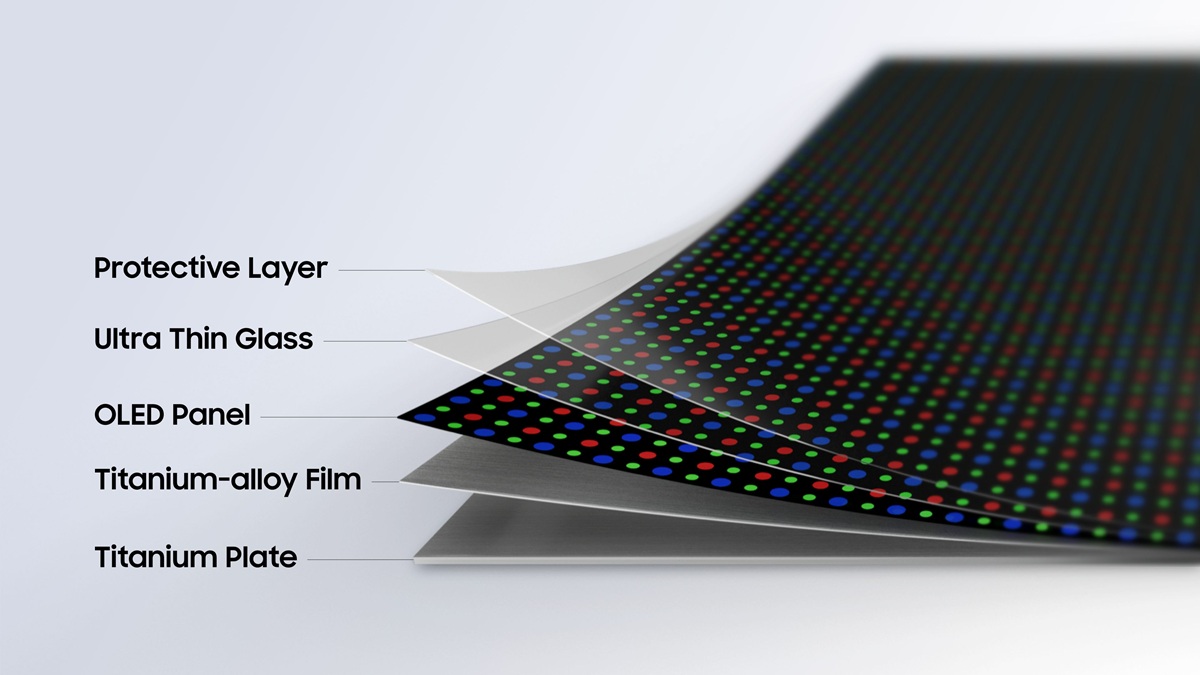
Flex Titanium technology is Samsung’s new foldable display stack that replaces a polymer support film with an ultra-thin titanium alloy layer and a revised titanium plate to reduce crease visibility, increase mechanical stiffness by about 20 times and enable slimmer foldable phone designs without sacrificing internal display protection.
Samsung Electronics unveiled the Flex Titanium display on the 15th, ahead of its debut in the next Galaxy Fold device due to be shown in London next week. The headline claim is clear: the titanium-alloy film beneath the OLED is “about 20 times” stiffer than the plastic film it replaces. That sounds like a durability promise, and Samsung’s marketing is happy to let you make that mental leap. You should not. Mechanical stiffness is one property in one layer. It is not the same thing as overall foldable phone durability, and pretending otherwise blurs the line between real engineering progress and hype.
What 20× Stiffness Really Means for Foldable Phone Durability
The 20× figure describes a titanium display film compared with a polymer support film in isolation, not an entire foldable phone lasting 20 times longer. Stiffness is resistance to deformation under load; it helps the display surface stay flatter when open and lets Samsung use a thinner support without losing structure. That can absolutely help foldable phone durability by making the panel less prone to flexing where it should not.
But this number tells you nothing about how the stack behaves after hundreds of thousands of bends, sudden impacts, or temperature swings. It does not measure drop survival, hinge wear, or how the crease looks after two years of pocket grit and fingernail taps. As one quotable line from the materials puts it: “It is not permission to multiply any consumer durability metric by 20.” Until Samsung publishes full-device test data, treating 20× stiffness as a durability score is wishful thinking.
Samsung’s New Crease Solution Builds on an Already Tough Panel
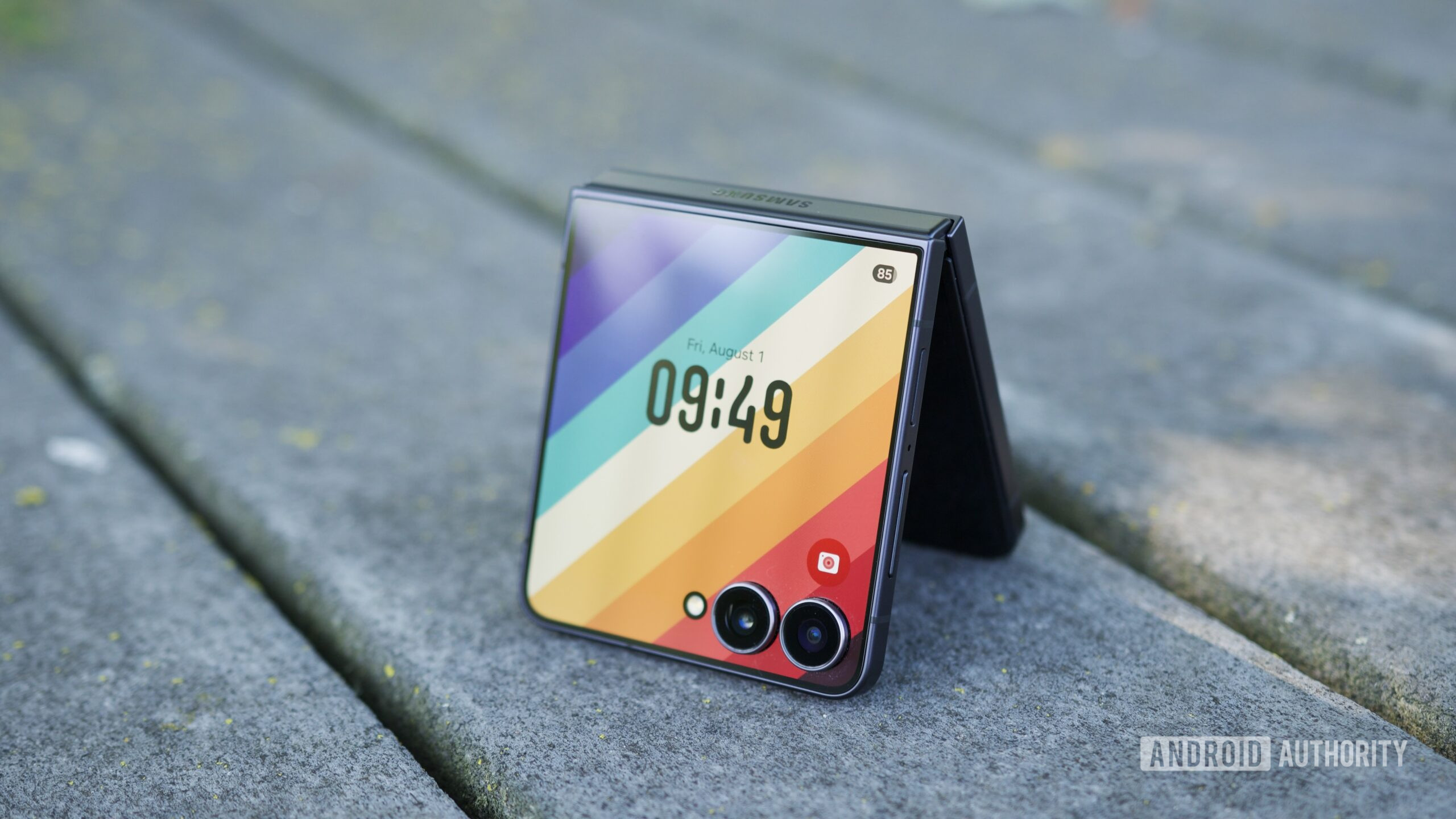
Flex Titanium is less a revolution and more a sharp iteration of Samsung’s existing foldable stack. Last year’s Fold7 panel already used a titanium support plate, paired with a 50% thicker outer Ultra Thin Glass, a high-elastic adhesive with over four times the recovery of its predecessor, and a flattening structure to spread shock. That panel reportedly survived 500,000 folds over 13 days at 25°C, a result translated into more than a decade at 100 folds a day. This is the baseline Flex Titanium has to beat, not the fragile first generation of foldables.
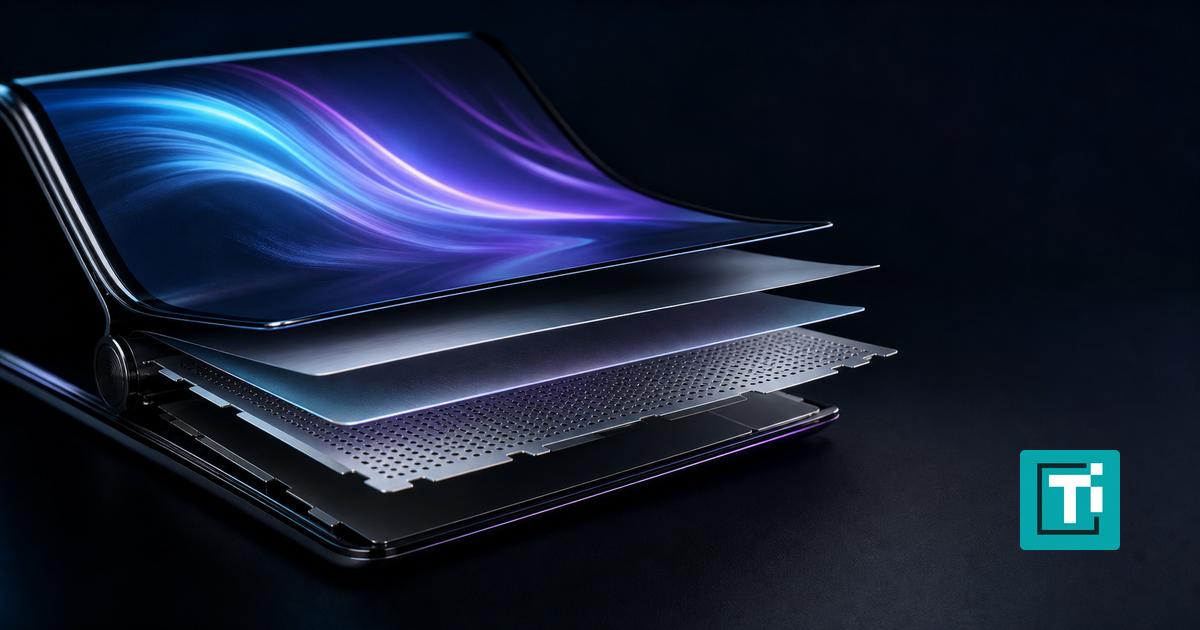
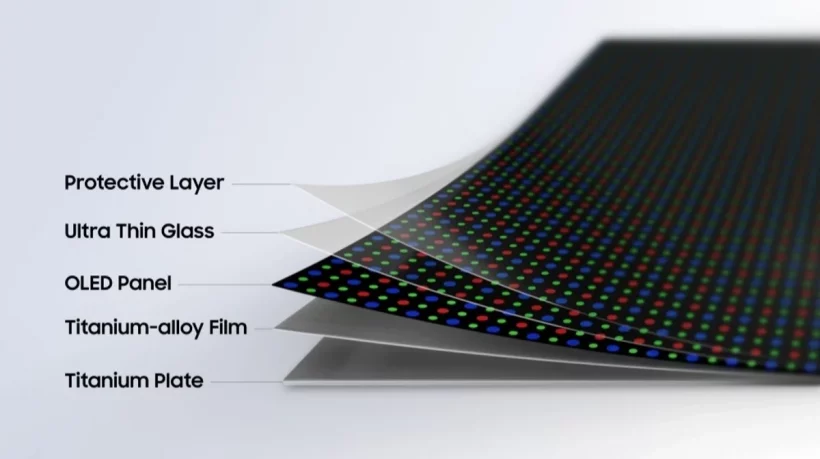
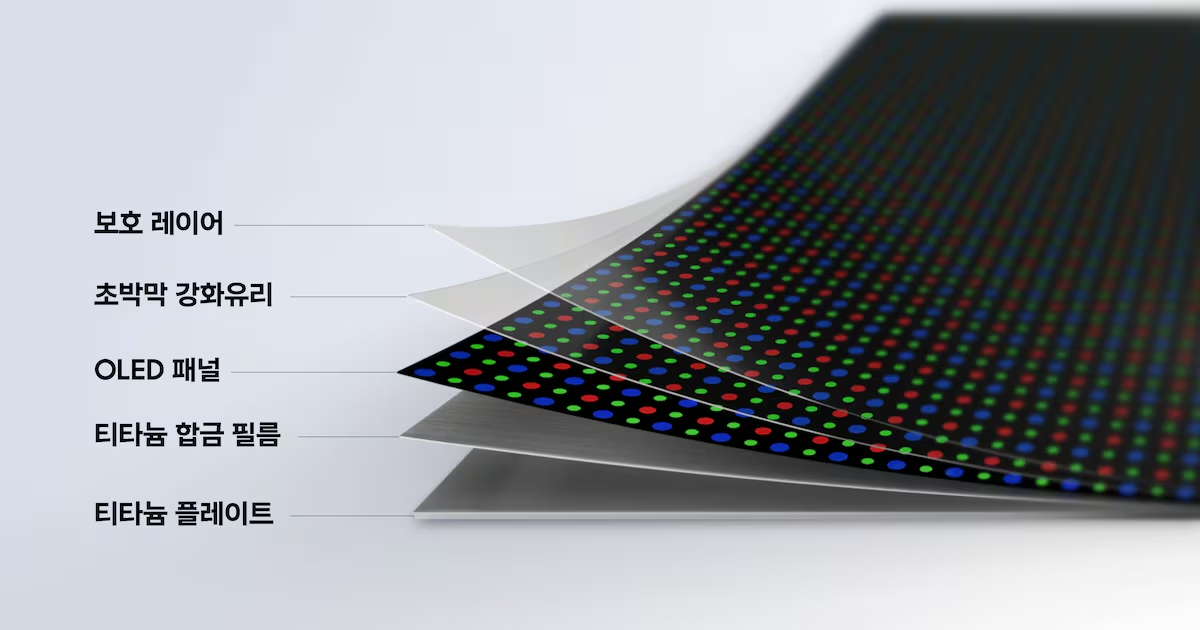
The new stack adds a titanium-alloy film directly under the OLED and refines how the titanium plate is perforated and bonded in the hinge zone. Micro-patterned holes and smaller micro-holes in the folding area are designed to distribute force more evenly and reduce local gaps under the module, which helps minimize visible creases. Industry observers expect the next Galaxy Z Fold 8 to show “nearly invisible” creases as a result. In other words, this is a materials science answer to the Samsung crease solution problem, not a single magic metal sheet.
Slimmer Designs, Stronger Backbone — and the Data Samsung Hasn’t Shown Yet
The most convincing part of Flex Titanium is how it ties stiffness and slimmer hardware together. Precision rolling makes the titanium display film roughly one-third the thickness of a human hair while increasing stiffness around 20-fold over polymer film. Combined with the titanium plate, this gives the inner display a firmer backbone, improves resistance to external impacts and deformation, and still keeps the panel thin enough for sleeker foldable designs. That matters: a thinner, flatter panel can free up volume for batteries, lighter hinges, or reduced device thickness.
Samsung is also pairing Flex Titanium with a new generation of organic OLED materials and a higher-resolution panel architecture, with claimed energy-efficiency gains, though without numbers yet. For everyday users, the pitch is simple: less crease, slimmer phones, better endurance. But the company has not released matched crease-depth measurements, new fold-cycle packages, or device-level power data for this stack. Until a Flex Titanium device passes its own disclosed fold tests and long-term wear trials, “enhanced durability” remains a design goal, not a proven outcome.
What to Watch for at Galaxy Unpacked
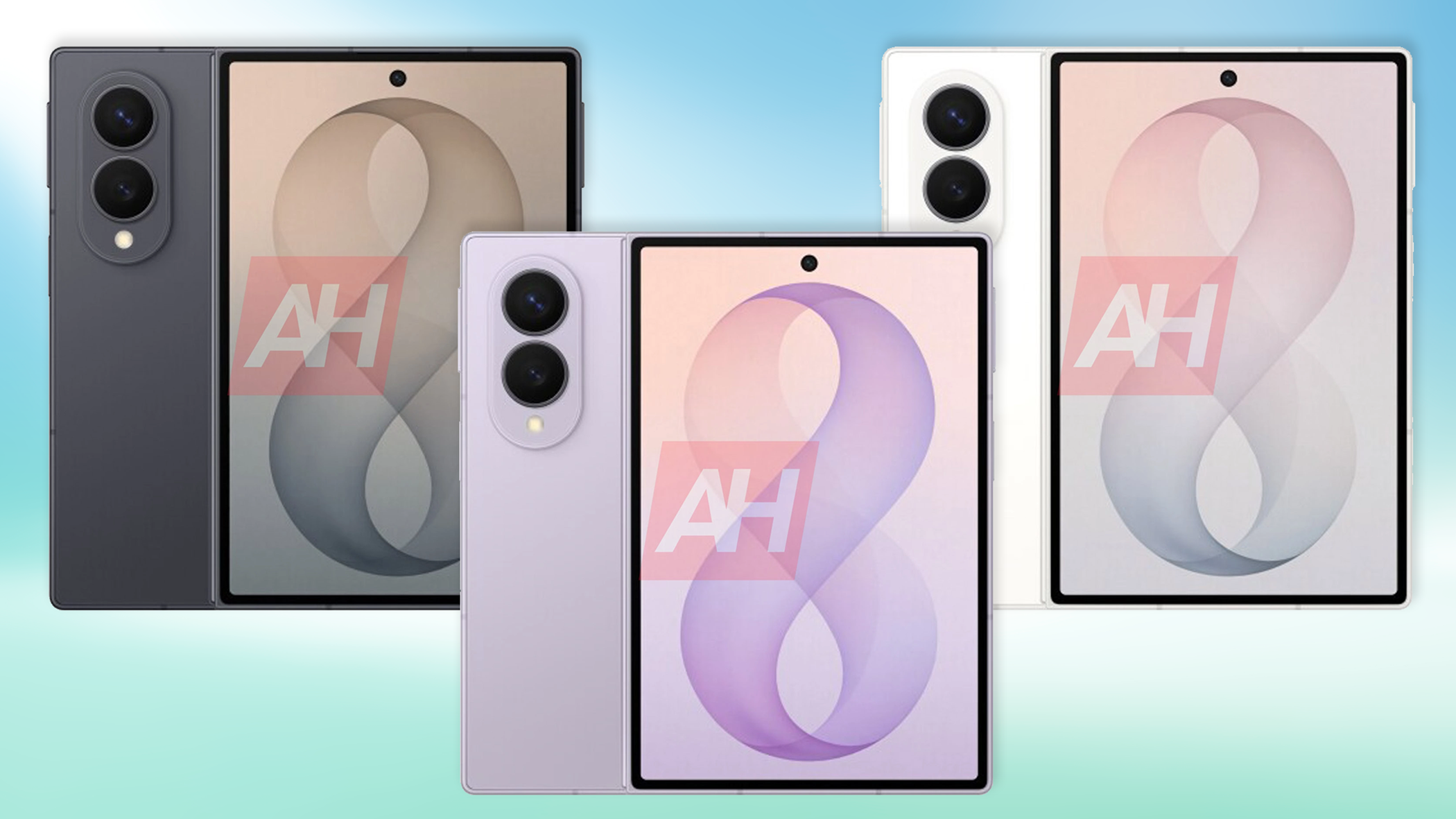
The next big checkpoint comes at the Galaxy Unpacked premiere on July 22, when Flex Titanium is expected to debut in the Galaxy Fold8 line. Samsung has already said the technology will appear in upcoming devices, and the London launch will finally link this stack to real products. The event should reveal which models use the new stack, their full thickness and weight, and any measurable gains in crease visibility, durability, and power efficiency.
Consumers should ignore the marketing gloss and focus on three questions. First, what are the new fold-cycle numbers and test conditions for Flex Titanium devices? Second, how does crease visibility compare to the Fold7 panel after tens of thousands of opens? Third, what are the repair implications and costs if the titanium-enhanced inner display fails? Fold counting alone does not capture impact tolerance, dust ingress, adhesive ageing, or cold-weather behaviour. Until Samsung answers those in public data, Flex Titanium is best seen as a promising crease solution and structural upgrade, not a blank cheque on foldable phone durability.