
The key takeaway: digital-only means you pay the premium
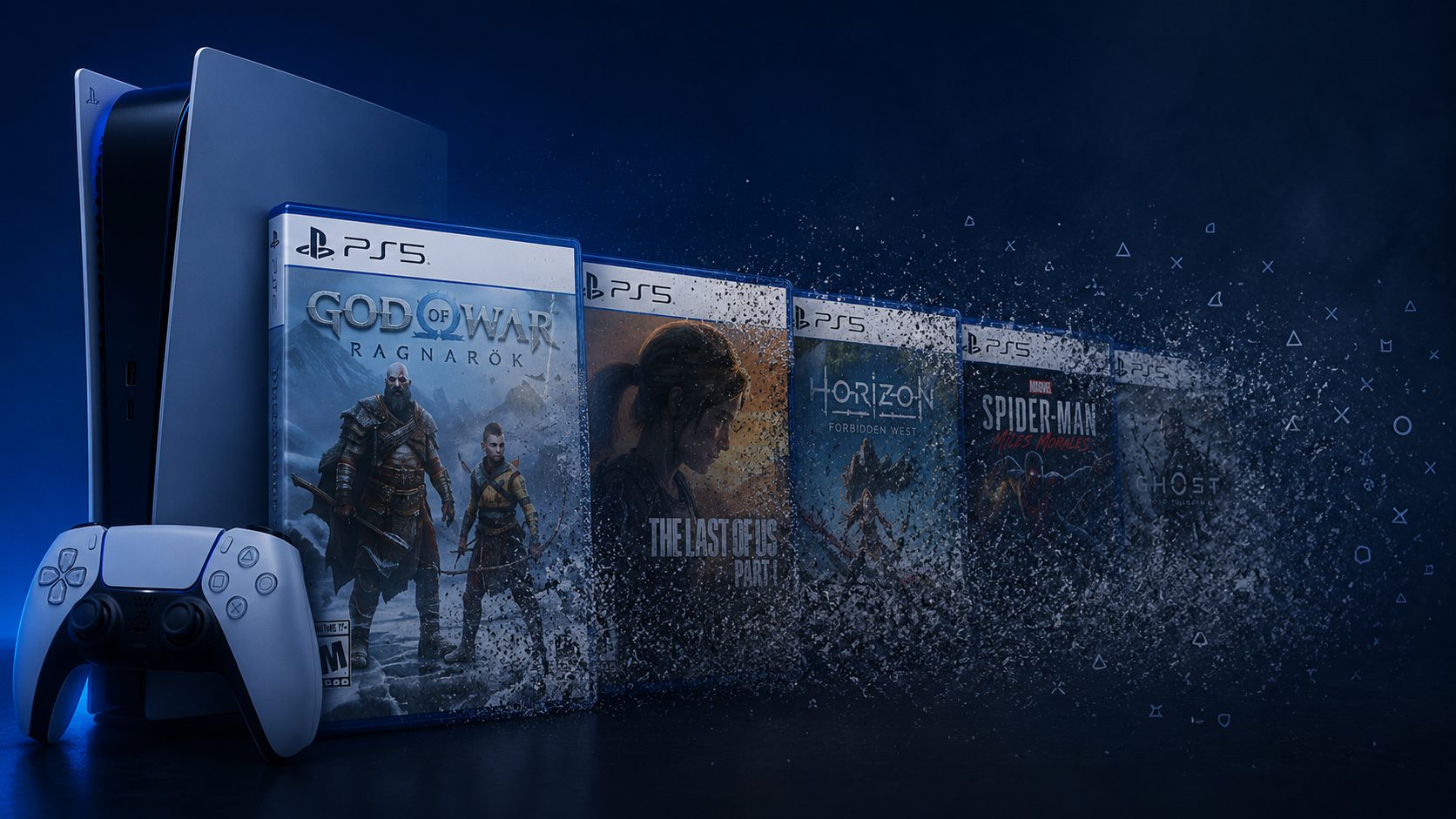
The shift from physical game discs to digital-only releases is a change in game pricing digital vs physical where discs remain far cheaper while they exist, but their disappearance hands pricing power to platform holders and raises the average cost for players. Right now, physical copies routinely undercut digital versions by 40–75%, with extreme cases approaching 90% in comparisons between disc deals and first‑party digital storefronts. When those discs go away, so does the main source of price competition. Sony has already confirmed that starting January 2028, all new PlayStation releases will be digital‑only, making the cheaper disc option “a relic of the past”. If you care about buying games cheap, this is not a neutral platform upgrade—it is a direct hit to your wallet.
How big is the gap today? 40–90% more for the same game
The uncomfortable truth is that PlayStation game disc prices are already far lower than digital equivalents in many cases. Tweakers’ tracking of 16 PS5 titles found that on any given day, you’re statistically more likely to find a cheaper price at retail than on the PlayStation Store. One report notes that physical discs often undercut digital prices by 40–75%, with some examples nearing a 90% difference. Concrete cases make this impossible to dismiss as anecdote: Lost Soul Aside was available during an Amazon sale for USD 9.99 (approx. ₱560) on disc, while the same game cost USD 39.59 (approx. ₱2,220) in a PlayStation Store sale at the same time. Metal Gear Solid Delta: Snake Eater hovered around USD 25 (approx. ₱1,400) physical versus USD 42 (approx. ₱2,360) digital, and Dark Souls III was under USD 20 (approx. ₱1,120) on disc, compared with about USD 60 (approx. ₱3,360) digital. According to one analysis, “documented examples show physical discs routinely undercut digital by 40–75%, with extreme cases approaching 90%”.
Why digital game store pricing stays stubbornly high
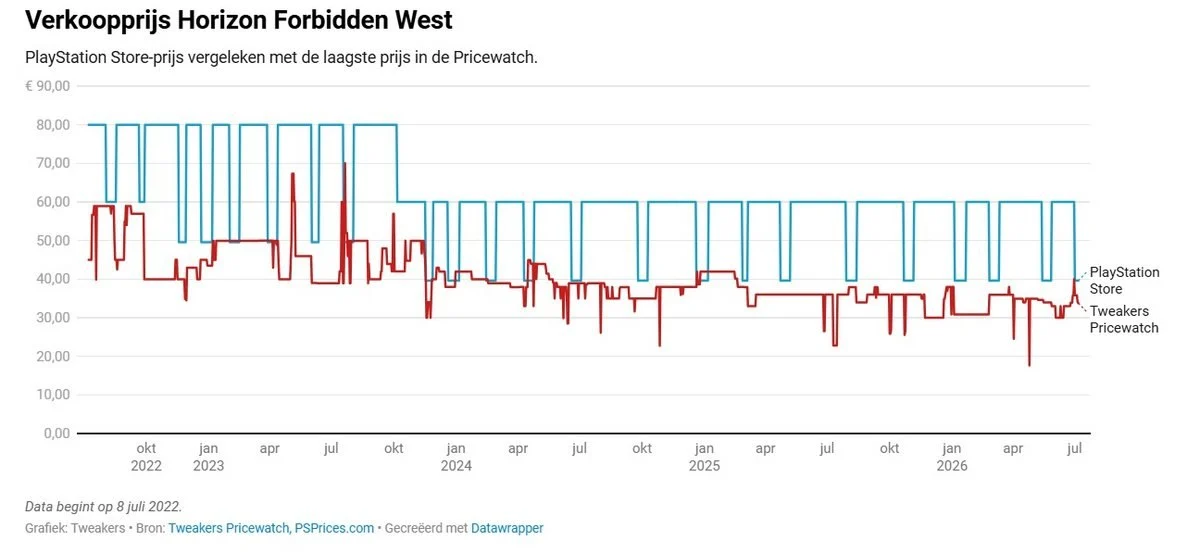
The reason digital game store pricing feels sticky is structural, not accidental. At retail, stores compete with each other and with limited shelf space; unsold stock costs money, so prices drop and often stay down permanently. Tweakers’ data on Horizon Forbidden West shows that even at launch, retail prices were almost always lower, and over time only one first‑party title saw a permanent list‑price cut—others snapped back to their original launch price whenever sales ended. On the PlayStation Store, Sony and publishers control pricing and change it mainly during scheduled sales events. There are frequent digital sales, but also long stretches with no discounts. In other words, the download price is whatever the platform decides it should be that week. The presence of cheaper discs and used copies has been the only real check on that power.
What happens when disc production ends in 2028
Sony’s plan to end new physical PlayStation game discs from January 2028 is more than a format change; it is a direct consolidation of pricing power. Earlier reporting already warned that a halt to disc production would give platform holders far greater control over prices and create “a grim future for game prices”. As physical releases fade, retailers lose the ability to undercut storefronts, and the second‑hand disc market disappears entirely. No more trading three old games to offset the cost of a new one. Instead, most players will be locked into whatever the digital storefront decides is fair. One report concludes that if buyers are forced onto first‑party stores like the PlayStation Store, they will, on average, pay more than if retail and second‑hand markets were still an option.
The people who lose most: budget gamers and parents
Sony calls the move toward digital‑only a “natural evolution,” pointing out that a large majority of full‑game sales are already digital. But the people who still buy discs are not laggards; they are the budget‑conscious players, parents, and those with poor connectivity who depend on low PlayStation game disc prices and used copies to keep up with new releases. Those are the people for whom a USD 10 (approx. ₱560) disc on sale beats waiting weeks in the hope that a digital discount aligns with payday. Price‑tracking tools can help you time digital deals, but that demands patience, constant checking, and a willingness to miss out. A cheap disc on a clearance rack needs none of that. As discs vanish, game pricing digital vs physical will no longer be a choice—it will be a locked‑in premium. And the players least able to absorb higher prices will feel it first and hardest.