
From Accident to Proof of Concept: What Underwater iPhone Video Signifies
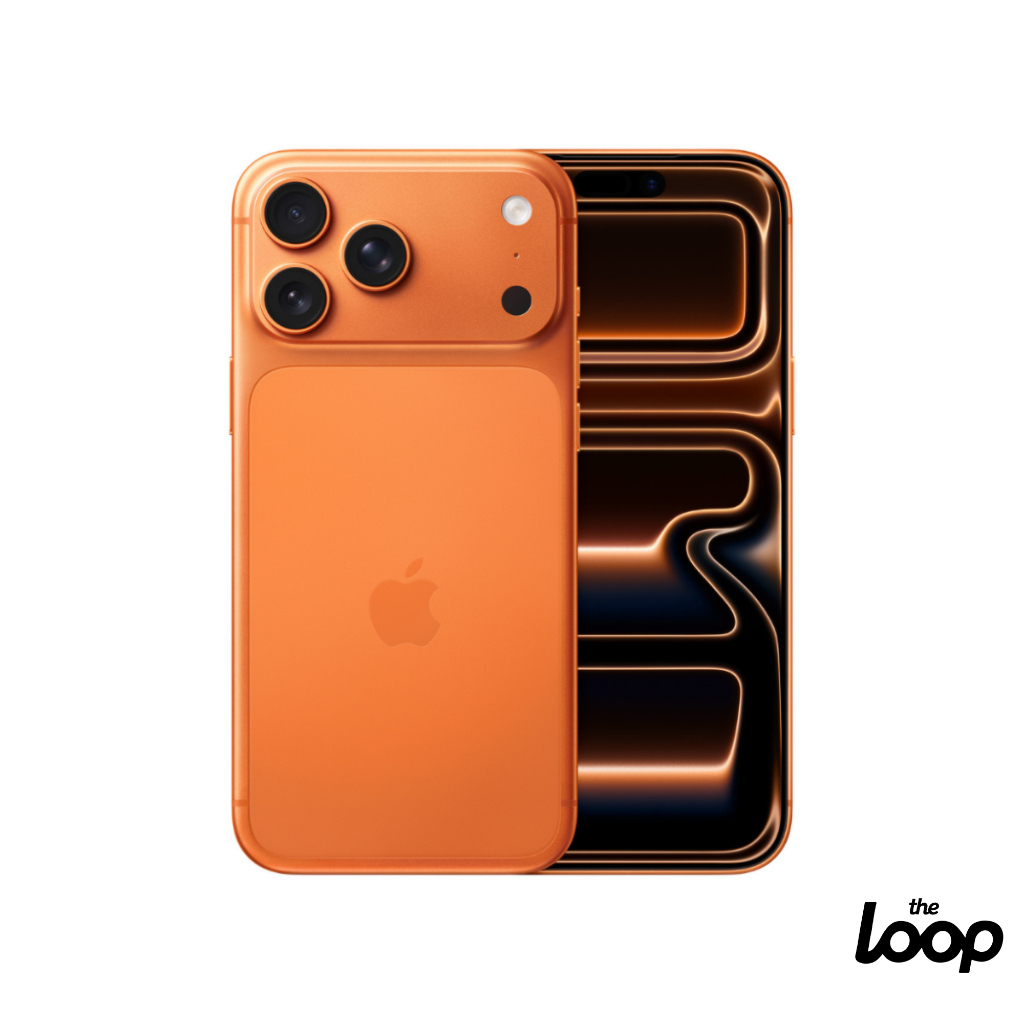
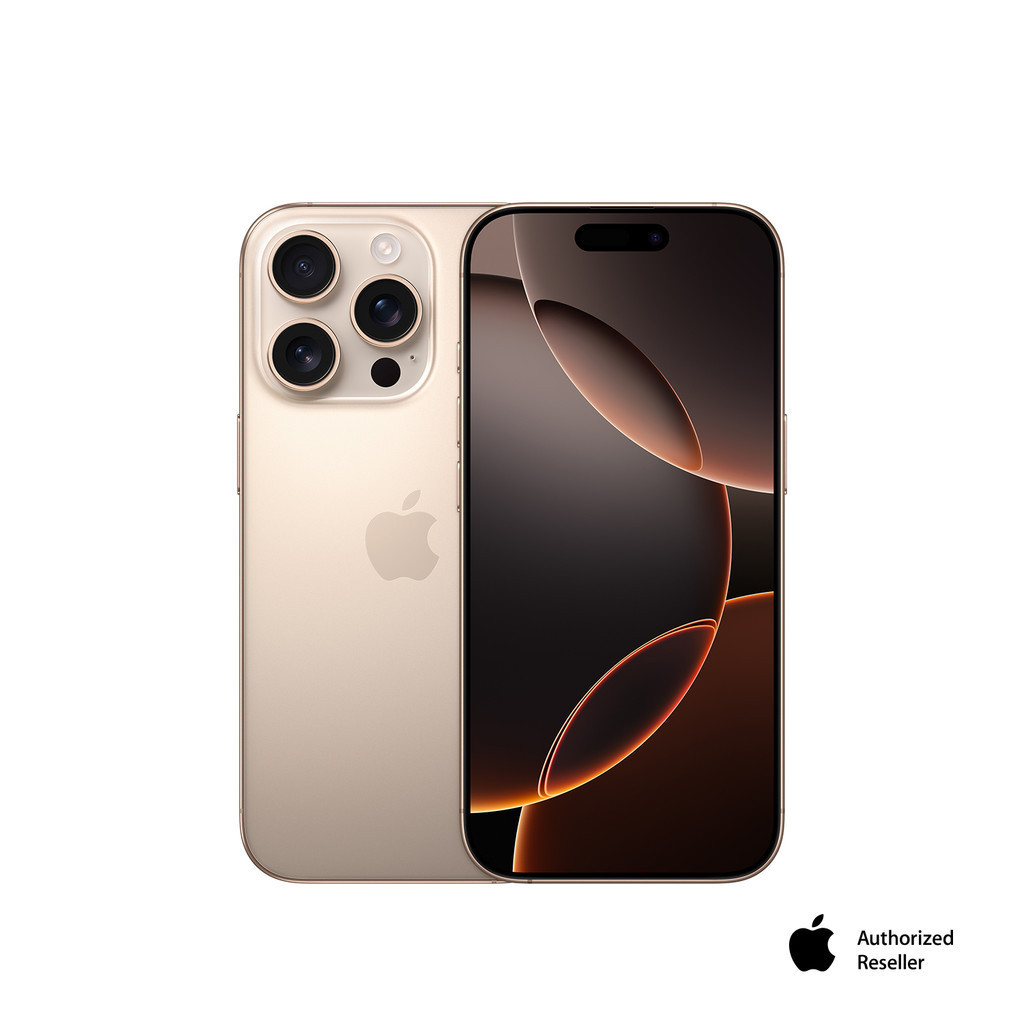
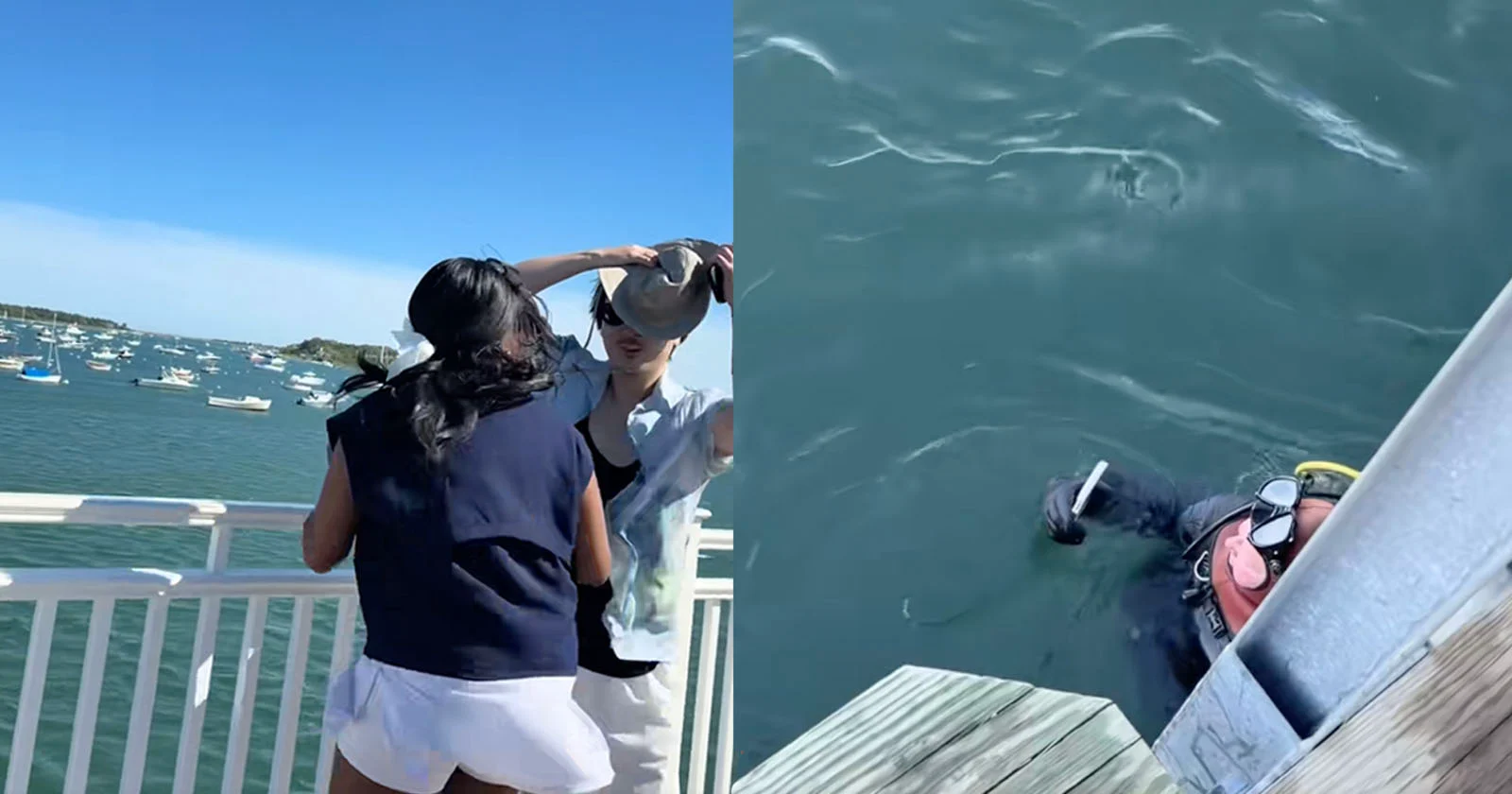
Underwater iPhone video now describes real-world recordings captured by modern iPhones that continue filming while fully submerged for extended periods, demonstrating surprising smartphone durability and suggesting that waterproof mobile recording is becoming reliable enough to shape how creators plan, shoot, and protect their footage in challenging environments. Influencers Kimchi & Joloff were filming on a dock in Martha’s Vineyard when a gust of wind blew their tripod-mounted iPhone 17 Pro Max into the Atlantic, sending the device tumbling into murky water while still recording. Rather than accept the loss, they hired a diver, who located the phone two and a half hours later—astonishingly, the iPhone was still capturing video when it resurfaced, and the couple later uploaded the full underwater clip to YouTube. That outcome is more than a viral anecdote; it is a stress test that hints at a shift in what phone cameras can endure.
Smartphone Durability Is Quietly Reshaping Adventure Videography
The striking part of this story is not that a premium phone survived, but how long it kept working, far beyond its official rating. The iPhone 17 Pro Max carries an IP68 classification, meaning full dust protection and tested water immersion up to 1.5 meters (5 feet) in freshwater. Yet Kimchi & Joloff’s device lay in saltwater for two and a half hours and remained functional enough to keep recording. Their reaction—“In what world does an iPhone survive in saltwater for two hours and 30 minutes?”—captures how far expectations have shifted for smartphone durability. To be clear, this does not make the phone truly waterproof, and the original report warns users not to repeat the stunt with their own devices. Still, for adventure videography, this incident signals that phones are evolving from fragile accessories into primary cameras that can withstand harsher, wetter conditions than most users previously trusted.
Waterproof Mobile Recording Reduces Gear and Mental Load
The creative impact of this accidental stress test is simple: if a phone can record underwater for hours and survive, many everyday shoots no longer demand bulky housings or dedicated action cameras. Officially the iPhone 17 Pro Max is water-resistant, not waterproof, but surviving a fall into the Atlantic while recording removes some psychological friction for creators who shoot near water. For dockside interviews, shoreline b-roll, and casual underwater dips in controlled settings, the latest devices suggest you can roll with less fear of instant failure. This matters because people already choose their phones as travel cameras to avoid carrying too much gear; weight is a crucial part of travelling, and the iPhone packs lenses from ultra-wide to telephoto while “weighing next to nothing” compared to a dedicated camera. As waterproof mobile recording improves, the default becomes: bring your phone, press record, and focus on the story instead of the protective casing.
Phone vs Camera on the Road: Travel and Environmental Storytelling
The underwater iPhone video trend intersects with a broader question many travellers face: is a phone enough, or do you still need a dedicated camera? One creator recently took a Fujifilm X100VI and an iPhone 16 Pro on holiday, matching composition, focal length and colour filters to see which was better for travel photography. The dedicated camera offers tactility, a viewfinder, and freedom from distracting apps, but the iPhone 16 Pro, which was previously ranked among the best smartphones for photography, delivers impressive dynamic range and multiple lenses along with a dedicated camera button and film-like photographic styles. Since you are unlikely to travel without your phone, it already counts as packed gear, making it logical to ask whether it can replace a compact camera on vacation. Once you add increasing water resistance into that equation, phones become even more compelling tools for environmental storytelling in wet, unpredictable locations.
A New Baseline for Mobile Videography—With One Big Caveat
The iPhone 17’s accidental two-and-a-half-hour underwater recording is an outlier, but it points toward a new baseline for mobile videography: creators can treat phones as serious cameras in more hazardous environments and trust them to survive sudden splashes, brief dunks, and rain-soaked shoots. For adventure and documentary-style work, that means fewer compromises—no mandatory housings for every shoreline scene, fewer backup rigs, and more spontaneity when a moment happens near the water. However, the caveat is non-negotiable. The device is officially rated for limited immersion in freshwater and described as water-resistant, not waterproof. The report on the Atlantic incident underscores that “it’s better not to try it on your own iPhone” despite recent survival stories. The smart takeaway is not to treat your phone like a dive camera, but to recognise that its growing resilience gives you more freedom to shoot boldly, travel lighter, and tell richer visual stories wherever land meets water.