
Top Pick: RTX 3060 Is the Budget GPU to Buy First
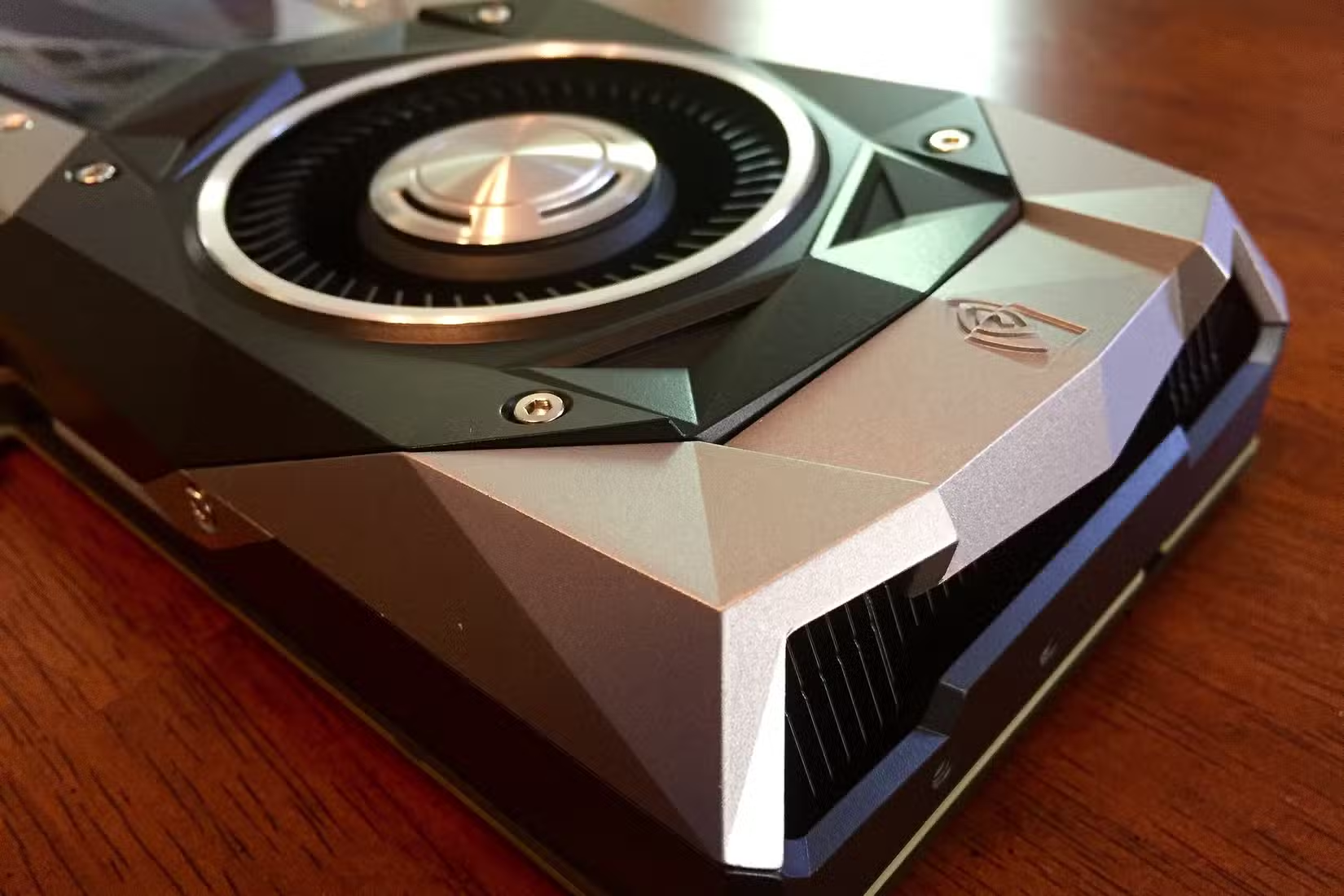
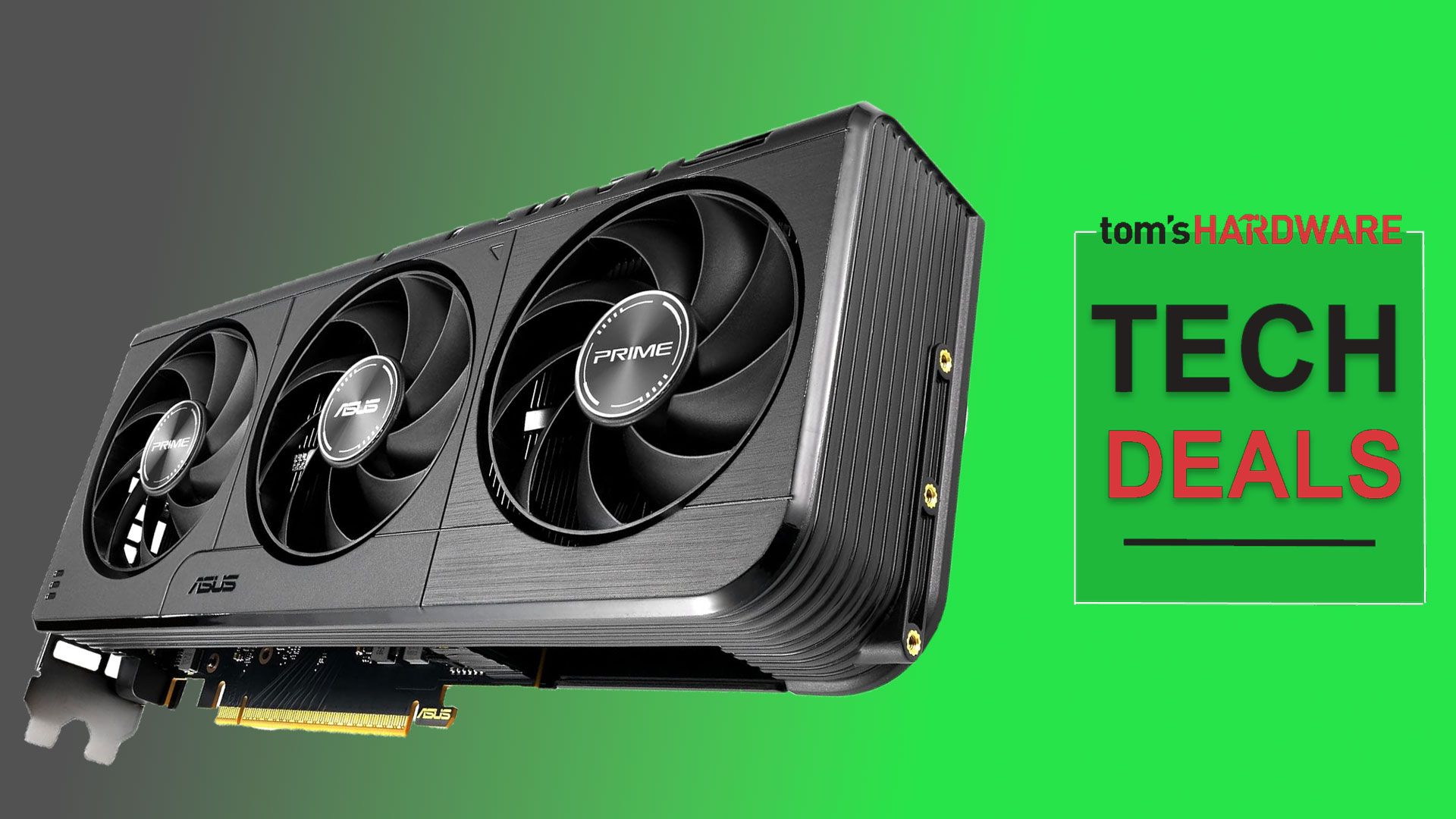
A budget graphics card is a mid- or low-cost GPU that delivers smooth 1080p gaming and basic creator performance while offering better price-to-performance value than premium flagship models. For most people today, the Nvidia RTX 3060 12GB at its revived launch price is the budget graphics card that makes the most sense to buy first. Sixty-six months after release, it has reappeared at retail for USD 329 (approx. ₱19,000), exactly matching its February 2021 MSRP. Despite its age, this Ampere-based card with GDDR6 memory balances cost, frame rates, and VRAM capacity more effectively than Nvidia’s latest entry-level option, the RTX 5060. The newer RTX 5060 is faster in raw performance, but its 8GB VRAM buffer is a clear weakness for modern games and mixed workloads. For anyone building a gaming or creator PC on a tight budget, the RTX 3060 is the affordable gaming GPU that should be at the top of your list.
The RTX 3060’s core advantage is its 12GB of VRAM and mature Ampere architecture paired with GDDR6 memory, which helps avoid the memory constraints that can limit 8GB cards in newer titles and heavier creator tasks. According to Valve’s latest hardware survey, the RTX 3060 remains the second most common GPU among Steam users, which speaks to its real-world staying power. While the RTX 5060 can outperform the 3060 by 40–60% in some games, that speed win does not outweigh the long-term limitations of less VRAM for budget buyers who keep hardware for several years. In short, if you want a single affordable gaming GPU that can handle 1080p and dip into light 1440p while supporting modern features, choose the RTX 3060 over Nvidia’s newest budget cards.
Used GPU Deals: RTX 2080 Super and RX 5700 XT at Around USD 150
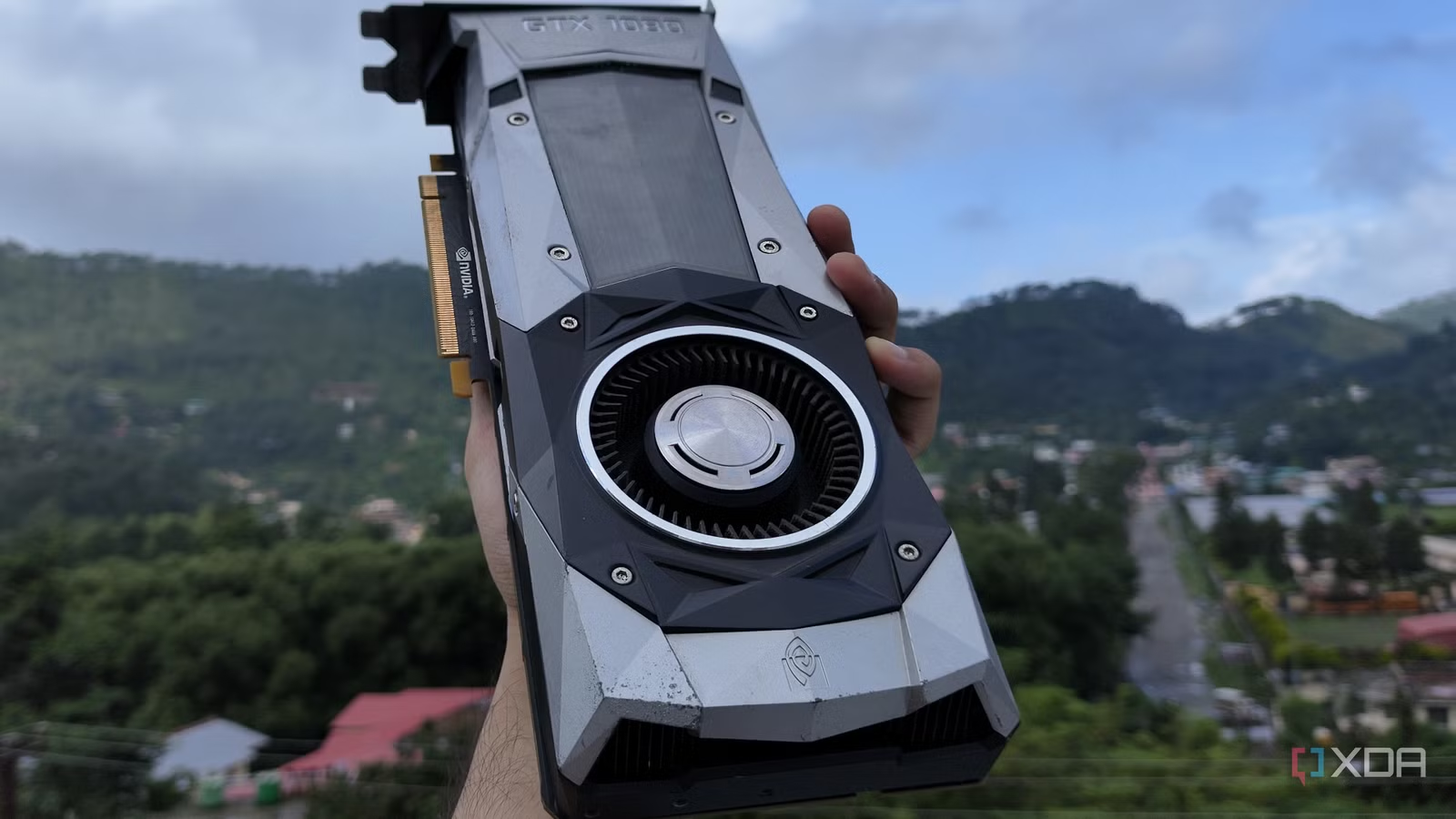
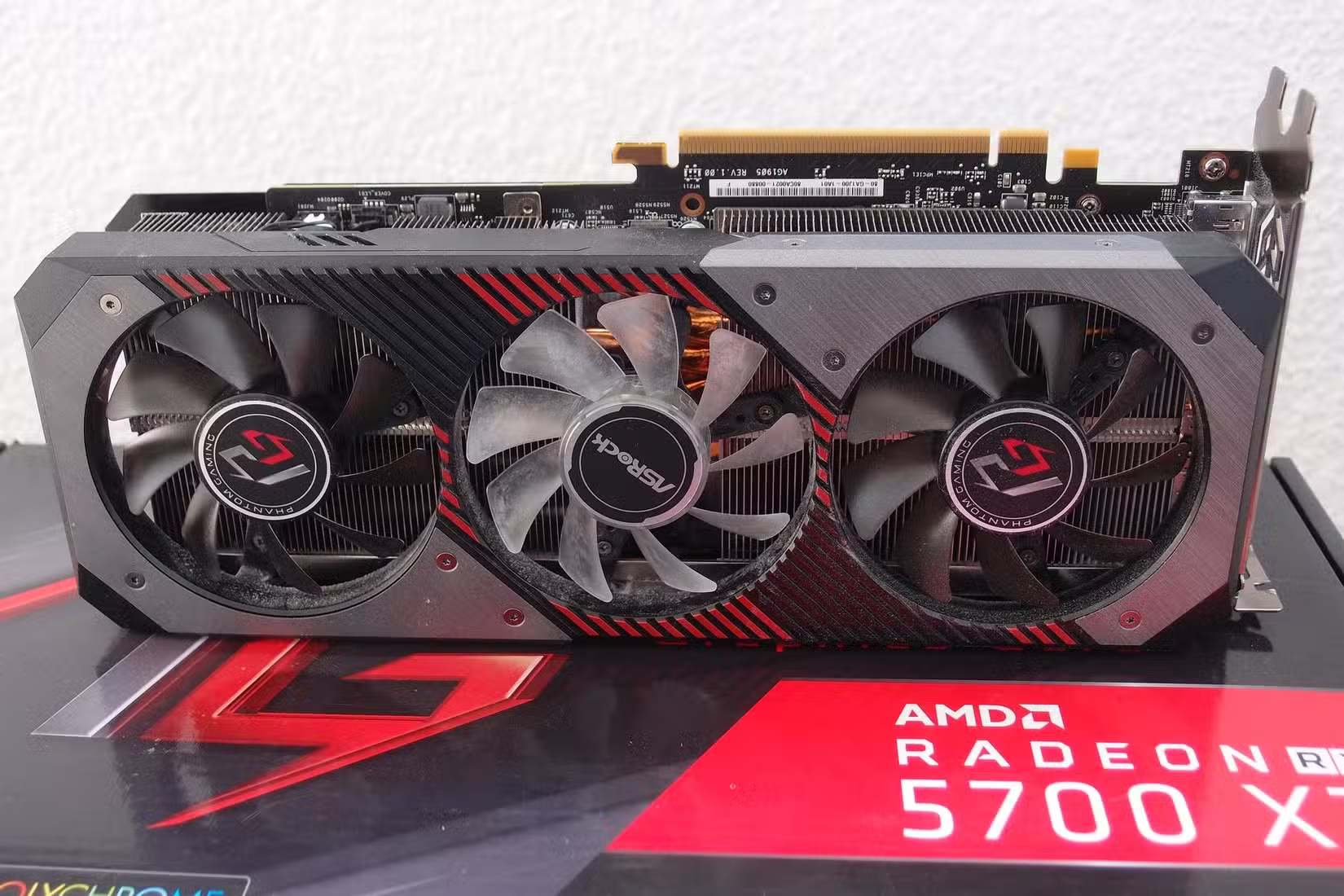
If your budget is lower than RTX 3060 pricing, used GPU deals are where the real savings are. Used GPUs are keeping budget gaming alive, because manufacturers stopped launching quality budget graphics cards some time ago. If you have around USD 150 (approx. ₱8,600) to spend on a pre-owned graphics card, online marketplaces like eBay remain strong hunting grounds for value. At that price, two cards stand out: the RTX 2080 Super and the GTX 1080 Ti, both still excellent for high-end 1080p gaming in modern titles. The RTX 2080 Super is explicitly called out as a fantastic 1080p GPU capable of more than playable frame rates at USD 150. For locked-down budgets, the RX 5700 XT is another standout; if you can spare around USD 125 (approx. ₱7,200), it remains viable for a budget 1080p rig.
The RTX 2080 Super runs on Nvidia’s Turing architecture, delivering strong raster performance but aging ray-tracing capabilities. It can deliver 70–80 FPS in demanding games at 1080p High before upscaling, and exceed 100 FPS with DLSS quality modes in some cases. Its main downside is that you cannot enable modern, heavy ray tracing and expect smooth frame rates, because Turing is too old for current ray-traced workloads. The GTX 1080 Ti, with its 11GB of VRAM, and AMD’s RX 5700 XT deliver similar 1080p strength but lack newer software features. The trade-off is simple: for half the money of many current mid-range cards, these used GPUs still beat newer entry-level models in rasterized performance, though you lose some of the latest encoders and frame-generation tricks. For budget and retro-focused builds, those sacrifices are worth the savings.
AMD RDNA 4: Mid-Range RX 9000 Cards Undercut Nvidia
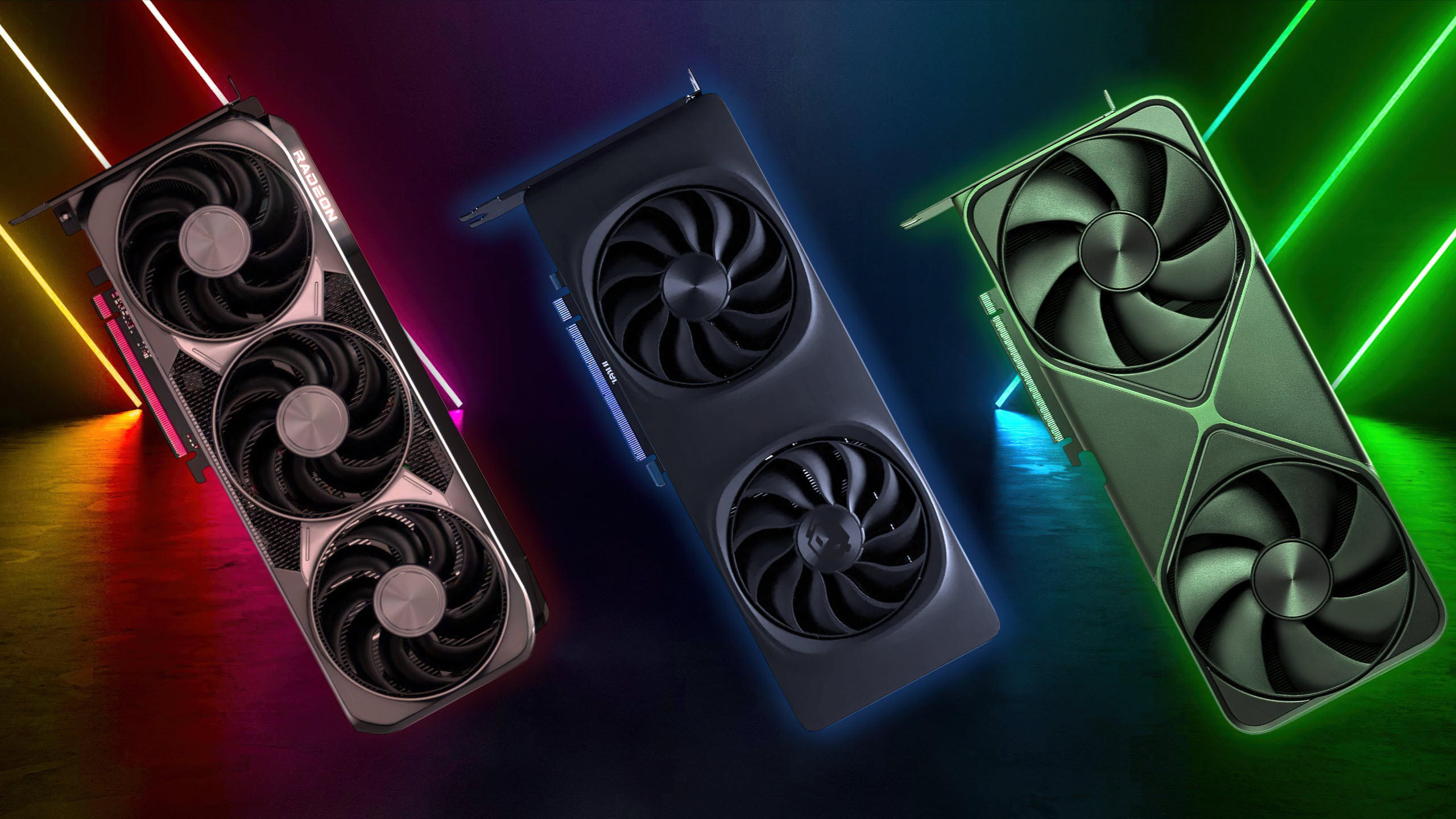
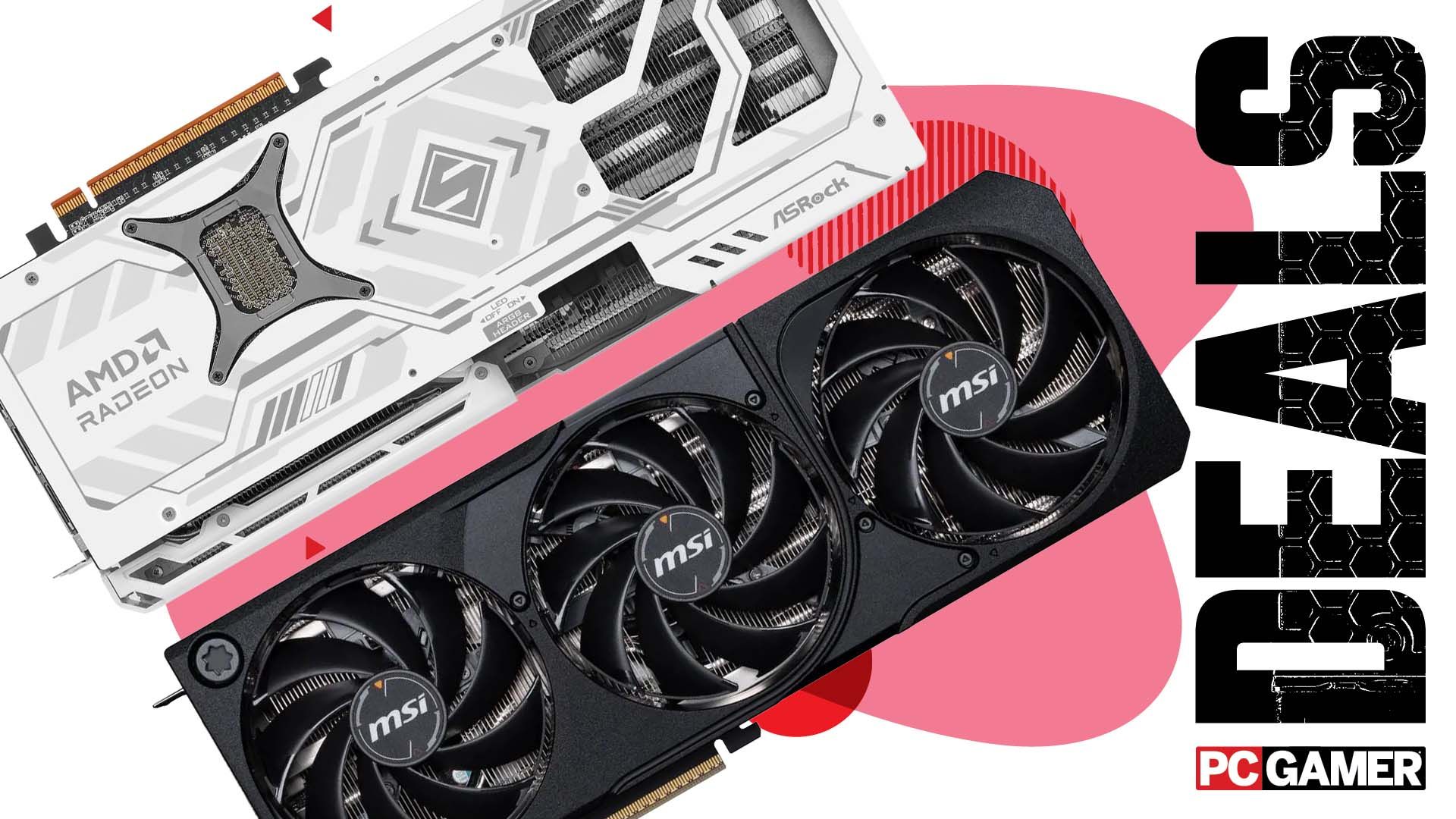
If you prefer a brand-new affordable gaming GPU rather than going used, AMD’s RDNA 4 mid-range lineup delivers strong GPU value comparison against Nvidia’s 50‑series cards. While prices across many current-gen GPUs have risen due to a global memory shortage, AMD’s Radeon RX 9000 graphics cards still include genuinely affordable models. The RX 9060 XT is explicitly described as reasonably priced among modern options. Even more importantly for value-seekers, the RX 9070 GRE is highlighted as a great mid-range graphics card for the money and, at its current pricing, the sensible choice over the 16GB RTX 5060 Ti. In other words, AMD is using aggressive pricing in the RDNA 4 tier to capture budget and mid-range market share from Nvidia’s 50‑series cards, which often sit above MSRP.
Price tracking data that follows the lowest available price of each current-gen GPU week by week since August 2025 shows how often Nvidia’s RTX 5060 Ti 16GB ends up almost the same price as the RTX 5070. When an allegedly budget card costs nearly as much as a higher-tier model, it is poor value. The RX 9070 GRE breaks that pattern by offering mid-range performance at a lower price than the 16GB RTX 5060 Ti, while current listings still place the RX 9060 XT in a sensible bracket below many RTX 50‑series GPUs. For buyers who insist on new hardware, these AMD RDNA 4 cards are the best current-gen choices, especially when tracking weekly deals to avoid overpaying.
Why Older and Used GPUs Often Beat New Budget Models
The best GPU value comparison today shows a strange outcome: the best budget GPU seems to be the one made in 2021. Depending on the game, the RTX 5060 can be 40–60% faster than the RTX 3060 and brings newer encoders, Blackwell features, and the latest frame-generation tools. However, that performance win is undermined by its 8GB VRAM limit, which is described as an Achilles’ heel in 2026. In contrast, the RTX 3060’s 12GB buffer keeps it relevant for modern titles and creator work. At the same time, used GPUs like the RTX 2080 Super at USD 150 (approx. ₱8,600) deliver better 1080p rasterized performance than both the RTX 3060 and 5060 for roughly half the money of many new mid-range cards.
Meanwhile, ongoing price tracking of current-gen GPUs shows that many newer cards, especially above the USD 500 mark, have become expensive due to increased memory costs. That is why buyers should evaluate older hardware before purchasing new entry-level cards: you often get more frames per dollar from a used RTX 2080 Super or RX 5700 XT than from a brand-new RTX 5050 or 5060. And a USD 50–60 (approx. ₱2,900–₱3,400) Polaris-based card such as an RX 580 remains a smart choice for retro and classic games on a cheap PC connected to a 4K TV. In a market where some GPUs now reach USD 4,000, embracing older and used hardware is the most reliable way for budget gamers to stay in the game.
Buy if / Skip if
- Buy the RTX 3060 if you want a new affordable gaming GPU with 12GB of VRAM and better long-term value than Nvidia’s RTX 5060 at USD 329 (approx. ₱19,000).
- Skip the RTX 3060 if you prioritize maximum FPS today over VRAM capacity and are willing to accept the 8GB limit of the faster RTX 5060.
- Buy the RTX 2080 Super if you can spend around USD 150 (approx. ₱8,600) on a used GPU and want high-end 1080p performance plus occasional 1440p with upscaling.
- Skip the RTX 2080 Super if you care a lot about modern ray tracing performance and the newest software features, where Turing now lags.
- Buy the RX 5700 XT if your budget for a used GPU stops around USD 125 (approx. ₱7,200) and you still want a solid 1080p gaming card.
- Skip the RX 5700 XT if you need ray tracing support or the latest encoding features for streaming and creator workloads.
- Buy the RX 9070 GRE if you want a current-gen mid-range card that undercuts the RTX 5060 Ti 16GB while offering strong 1440p performance.
- Skip the RX 9070 GRE if you can find an RTX 5070 at a similar tracked price and prefer Nvidia’s feature set for your workflow.
- Buy the RX 9060 XT if you want an RDNA 4 card that remains reasonably affordable among current-gen GPUs and offers better value than many RTX 50-series options.
- Skip the RX 9060 XT if you are comfortable buying used and can grab an RTX 2080 Super or similar card for far less money for 1080p gaming.
- Buy the RX 580 or similar Polaris card if you are building a retro or classic gaming PC and want a USD 50–60 (approx. ₱2,900–₱3,400) option to connect to a 4K TV.
- Skip the RX 580 or similar Polaris card if you plan to play the latest AAA games at high settings, where its age will show.