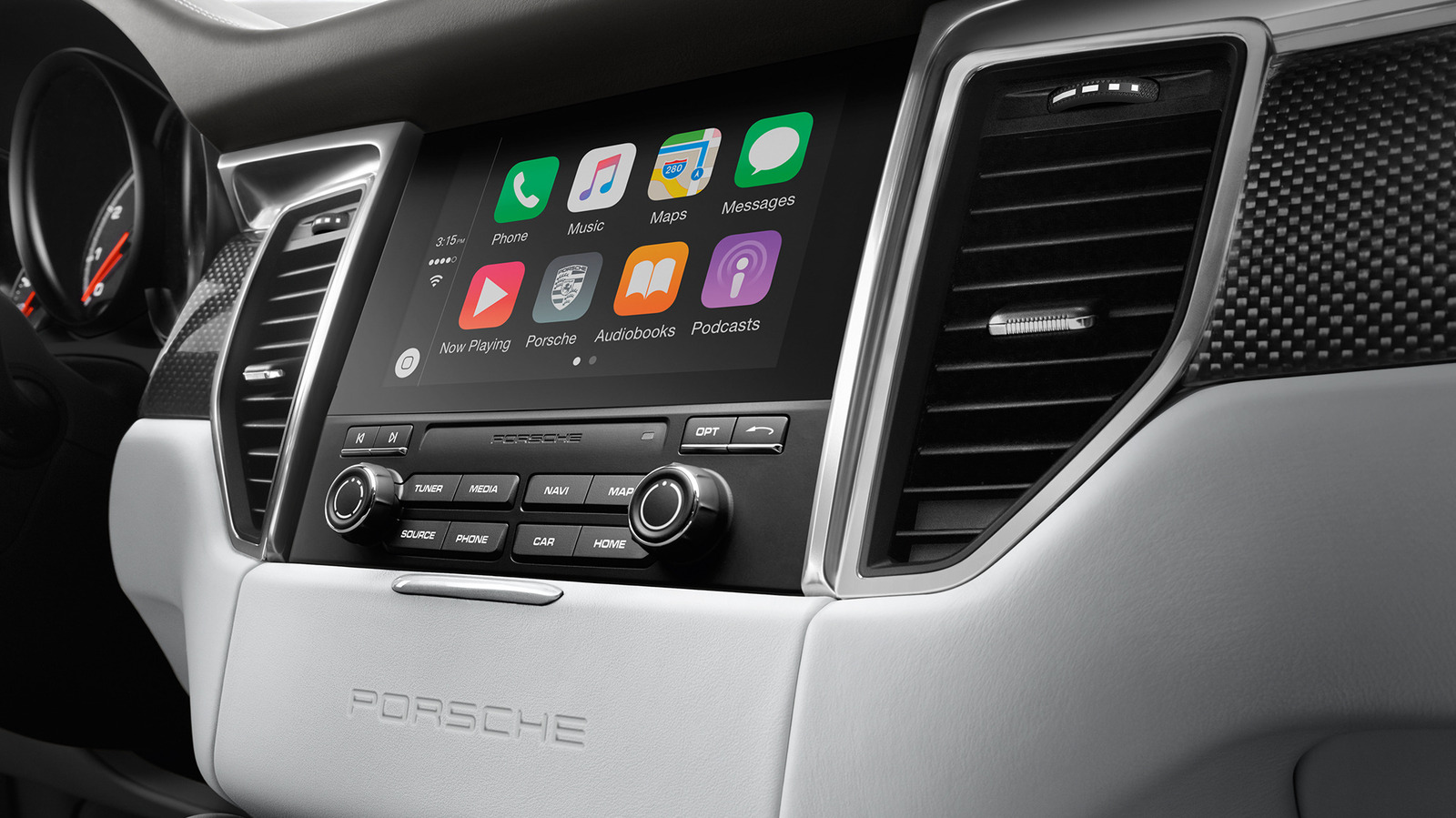

CarPlay’s Long-Promised Video Future, Defined
CarPlay video playback is the ability for Apple’s in-car interface to display video content from an iPhone on a vehicle’s infotainment screen, either by mirroring what is playing on the phone or through dedicated video browsing and playback features that extend the platform beyond navigation and audio into fuller in-car entertainment experiences.
Apple’s path to CarPlay video has been cautious and, so far, underwhelming. With iOS 26.4, Apple introduced video mirroring from an iPhone to CarPlay using AirPlay, allowing supported apps to cast their video to the dashboard display when the feature is enabled. In theory, that sounds like the rich in-car entertainment users have wanted for years. In practice, the experience is fragmented, difficult to access, and heavily constrained by hardware and automaker support. Instead of a bold new frontier for road-trip streaming, CarPlay video playback is a quiet, technical step that hints at Apple’s ambitions more than it transforms everyday driving.
From AirPlay Mirroring to True In-Car Entertainment
The first sign that Apple was serious about in-car entertainment came with that iOS 26.4 update and its AirPlay-based mirroring. You enable AirPlay inside supported apps, pick the car’s CarPlay system as the target, and whatever video you start on your iPhone appears on the car’s screen. It is a clever reuse of the same Wi‑Fi streaming layer wireless CarPlay already relies on, turning the dash into something closer to a living-room screen than a dumb navigation panel.
However, this mirroring is described as “not as advanced” as the newer video browsing and playback features Apple is building into iOS 27. That distinction matters. Mirroring is a stopgap: awkward controls, phone-dependent playback, and no sense that video belongs natively in CarPlay. Dedicated browsing and playback hint at a future where the car’s interface respects video as a first-class citizen. Apple is clearly expanding CarPlay beyond navigation and audio, but it is doing so with the brakes firmly pressed.
Why Most Drivers Still Can’t Watch Anything
On paper, CarPlay video playback sounds ready; on the road, it mostly is not. The reality is that most existing CarPlay systems do not allow AirPlay mirroring from an iPhone, even though wireless CarPlay already uses AirPlay under the hood. That gap between technical possibility and shipped product is where user frustration lives. Drivers read about video mirroring, try to replicate it in their own cars, and find nothing beyond the usual maps-and-music experience.
Hardware is a major culprit. Developers have noticed that mirroring only works on displays with at least 1,920 x 1,080 resolution, but many factory infotainment screens fall below that threshold. Video streaming also expects H.265 or HEVC codec support and 4GB or more of memory, specs many older head units lack. According to one report, “video streaming playback generally requires H.265 or HEVC codec support and 4GB or more of memory,” which instantly rules out a huge chunk of the installed base. Until automakers upgrade screens and internals, CarPlay video will remain a feature more often found in marketing slides than in driveways.
Automakers Hold the Keys to the Next CarPlay Upgrade
Apple cannot flip a software switch and make CarPlay video playback universal. At its developer conference, the company was explicit: automakers must implement CarPlay video functionality, both to meet the higher hardware demands of video and to detect when a vehicle is parked before video can play. That second requirement is not optional; regulators care deeply about distracted driving, and any in-dash video feature will live or die based on safety compliance.
Yet Apple’s partners have been conspicuously quiet. So far, not one automaker has announced support for these video features. This missing vehicle support may explain why Apple has kept the rollout low-key instead of turning it into a headline feature. From the outside, it looks like a stalemate: Apple is nudging CarPlay towards richer in-car entertainment, but carmakers must invest in higher-resolution displays, more memory, and smarter parking detection before they can offer it. Until they do, the future of CarPlay video remains more promise than product.
The Dashboard Screen War Is Just Getting Started
CarPlay video playback is less a finished feature than a signal of where Apple wants to go. Video mirroring in iOS 26.4, followed by more advanced browsing and playback work in iOS 27, shows a platform shifting from a glorified phone dock into a full in-car entertainment hub. The problem is that this hub exists only for a sliver of users with the right hardware and, eventually, the right automaker integrations.
For now, CarPlay video is a tease: proof that the dashboard can be more than maps and playlists, but also a reminder that software ambition means little if the screen in front of you cannot keep up. Apple has made its move by defining the technical requirements and pushing video deeper into its platform. The next move belongs to automakers. Until they commit, the smartest play for drivers is to temper expectations. The era of watching your favorite shows on CarPlay will come—but, judging by today’s slow rollout, it will arrive one parked car at a time.