
Battery Life Stops Being the Fold’s Biggest Compromise
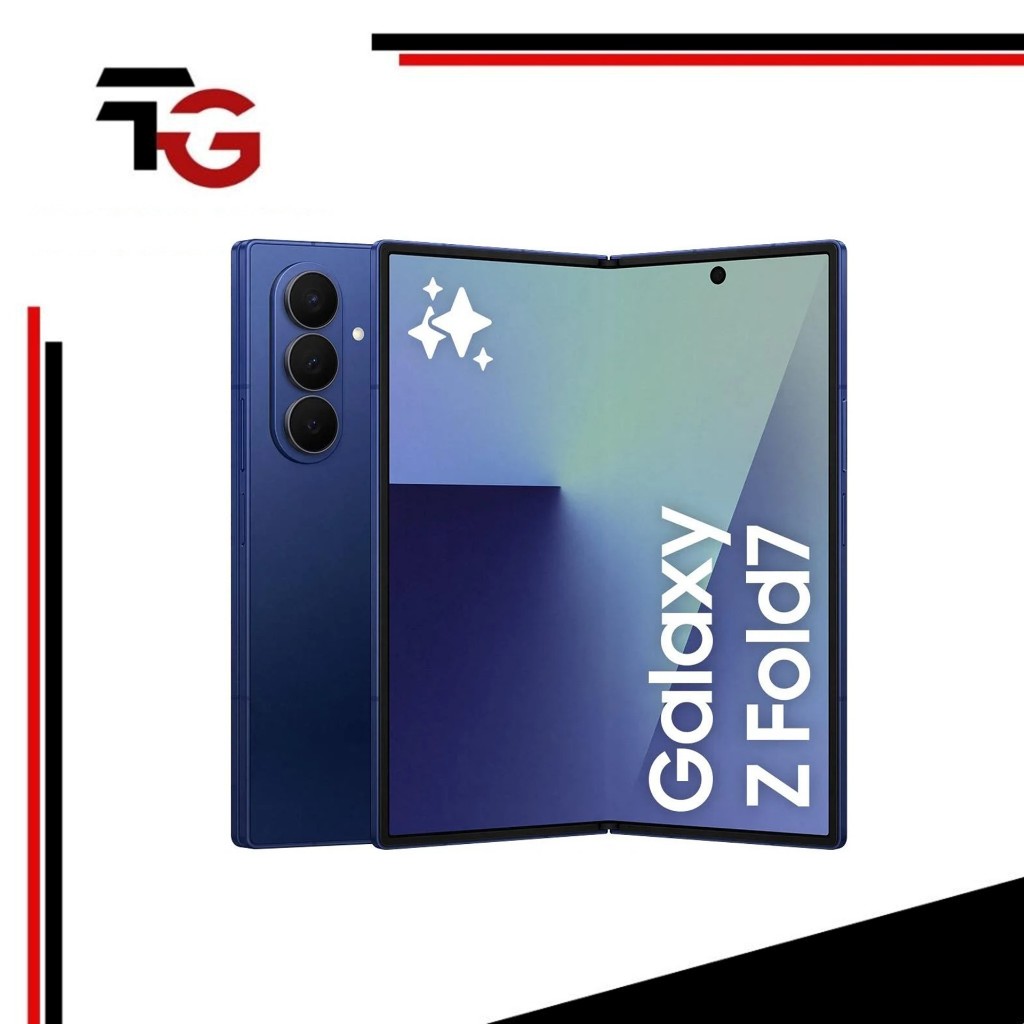
The Galaxy Z Fold 8 battery upgrade marks a turning point where Samsung’s wide foldable phones shift from impressive but compromised devices into more dependable all‑day tools, thanks to official endurance ratings that show a clear jump over the Galaxy Z Fold 7’s weaker performance and signal that foldable phone endurance is finally being treated as a first‑class priority rather than an acceptable trade‑off.
For years, the core story of Samsung’s big foldables has been a frustrating mix: stunning displays, strong multitasking, and battery life that lagged behind rival foldable brands. Users accepted shorter runtime as the price of owning cutting‑edge hardware. With the Z Fold 8 and Z Fold 8 Ultra, that deal changes. Official European Product Registry for Energy Labelling (EPREL) numbers show the standard Fold 8 rated at 49 hours and 10 minutes of endurance, versus 40 hours for the Galaxy Z Fold 7. That is not a minor bump; it is a deliberate fixing of a long‑criticized flaw. Samsung is no longer asking power users to compromise on battery life to enjoy a foldable form factor, and that shift will matter more than any subtle design tweak.
The Numbers: A Real Foldable Battery Life Upgrade
The most important story in the Samsung Z Fold 8 specs isn’t another camera sensor or a slightly brighter display—it’s endurance. EPREL rates the Z Fold 8 at 49 hours and 10 minutes, while the Z Fold 8 Ultra stretches that to 51 hours. Compared to the Z Fold 7’s 40‑hour rating, we are looking at roughly a 20% improvement in foldable battery life upgrade terms. In a category where every extra hour of real use has felt hard‑won, that is a big, measurable step forward rather than marketing spin. One quotable conclusion from the official listing is that “both of Samsung’s upcoming foldables will offer notably better battery life,” a statement that accurately captures the generational jump.
The capacities tell part of the story. The Galaxy Z Fold 7 used a 4,400mAh battery, while the Galaxy Z Fold 8 moves to 4,800mAh and the Z Fold 8 Ultra to 5,000mAh. Yet the EPREL database also notes that the standard Fold 8 gains endurance despite being expected to ship with a 4,800mAh pack instead of a 5,000mAh unit, suggesting meaningful improvements from software, chipset, and display efficiency. In other words, Samsung didn’t only throw a bigger battery at the problem. It tuned the whole system so foldable phone endurance finally starts to catch up to the productivity promise these devices have been selling for years.
| Model | Battery Capacity | EPREL Endurance Rating |
|---|---|---|
| Galaxy Z Fold 7 | 4,400mAh | 40 hours |
| Galaxy Z Fold 8 | 4,800mAh | 49h 10m |
| Galaxy Z Fold 8 Ultra | 5,000mAh | 51 hours |
Daily Usability: From Power Anxiety to All‑Day Confidence
Battery life has never been a trivial complaint; it has been the practical barrier that kept many people from treating foldables as their main phones. When your device folds out into a tablet‑like canvas, you use it for more—video editing, multi‑window research, drawing, and extended gaming sessions. That level of use punishes weak batteries. The new EPREL ratings directly tackle this problem, promising longer screen‑on time and less dependence on midday charging, which users have been asking for since the first Fold models. With around a 20% endurance jump, the Z Fold 8 series starts to feel less like a daring experiment and more like hardware you can trust from breakfast to bedtime without babysitting the battery meter.
The practical impact is clear: fewer urgent trips to the charger, more freedom to keep the inner display open for writing, sketching, or side‑by‑side apps. If these lab figures translate into real use, the Z Fold 8 could be Samsung’s most practical foldable yet by fixing one of the series’ biggest compromises. This is exactly what endurance should do—it removes friction. Instead of thinking, “Can my foldable survive this flight, this shoot, or this workday?” owners can focus on what the hardware enables. The battery is no longer the reason to switch back to a slab phone; it becomes a reason to stay with the Fold.
Why Creative and Professional Users Should Care
Power users have always been the ideal audience for foldables, yet they have also been the group most punished by weak batteries. A photographer reviewing hundreds of shots on the large inner screen, a designer sketching in a drawing app, or a journalist juggling three documents in split‑screen—all of them push their phones harder than casual users. For these people, foldable phone endurance is not a spec sheet detail; it is the difference between a device that enables their work and one that interrupts it. The EPREL data suggests that the Galaxy Z Fold 8 battery and the larger pack in the Z Fold 8 Ultra finally give these users room to work without constantly planning around charging stops.
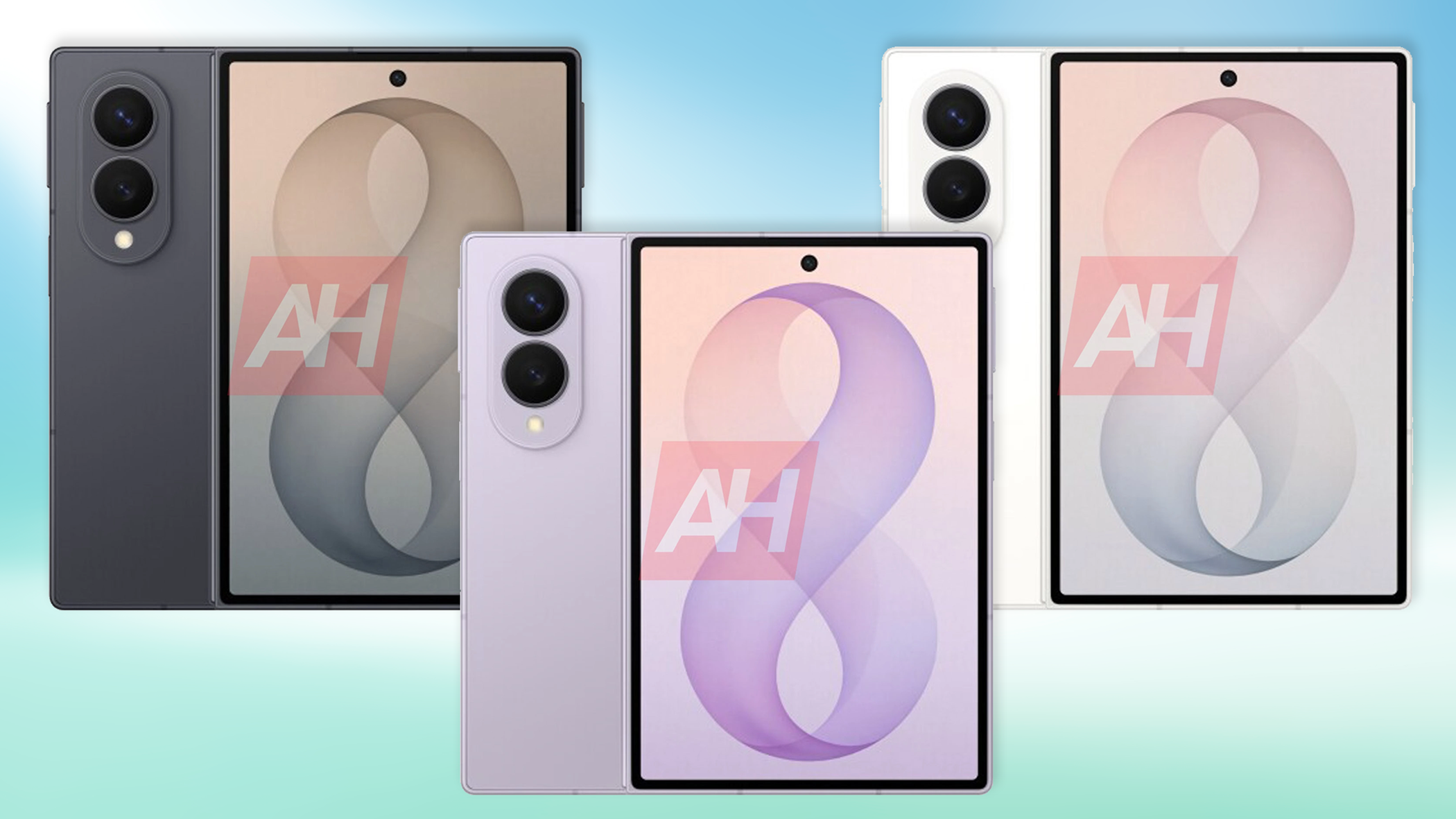
The Z Fold 8 Ultra’s expected setup underlines that ambition: an 8.0‑inch LTPO OLED inner display, 6.5‑inch LTPO cover screen with 1‑120Hz refresh, a Snapdragon 8 Elite Gen 5 chipset, a 200MP main camera supported by 50MP ultra‑wide and 10MP 3x telephoto, dual 10MP selfie cameras, 12/16GB of RAM with up to 1TB storage, IP48 rating, thin 4.1mm profile, 215g weight, and One UI 9 on top. Combined with the 5,000mAh battery and 45W charging support listed in the same leak, this makes the Ultra a mobile workstation in foldable form. Longer battery life removes a major barrier for creative professionals and heavy multitaskers who want a true all‑in‑one device instead of a gadget that needs constant power babysitting.
A Turning Point for Samsung’s Foldable Strategy
The Z Fold 8 and Z Fold 8 Ultra are more than incremental updates; they signal a shift in what Samsung thinks matters most in high‑end foldables. Previous generations focused on displays, hinges, and software features, while battery life lagged behind competitors from brands like Vivo and Honor. Now, official EPREL endurance ratings show that both upcoming models receive meaningful battery upgrades that expand the benefit across the lineup. That is a strategic correction: Samsung is finally treating endurance as central to the foldable experience, not a secondary metric that power users must learn to live with.
None of this makes earlier Folds bad devices, but it does expose how incomplete they were for demanding workloads. The Fold series has always promised a vision of a phone that doubles as your portable canvas, notebook, and desktop replacement. Until now, that promise has been undercut by battery anxiety. If the retail units match the EPREL numbers, the Galaxy Z Fold 8 generation will be the first that can fully support that vision—where battery life, display size, and productivity features finally align. In that sense, the most important “spec” this year isn’t the hinge or the cameras; it is confidence. And confidence is exactly what stronger endurance brings to Samsung’s foldable future.