
Motorola’s update problem in one sentence
Motorola’s software update policy is a confusing, inconsistent web of promises that change by device and market, leaving buyers unsure how many Android upgrades or years of security patches they will realistically receive and turning a supposedly clean, stock-like Android experience into a short-lived and poorly communicated investment risk. This is not a minor paperwork issue; it directly affects the smartphone support timeline, long-term security, and resale value, especially when rival brands now sell Android phones on the strength of clear, extended software commitments. Motorola’s current approach makes its devices harder to recommend for anyone who cares about reliable Android update policy and predictable security patch delays.
Edge 70 Max: one phone, three different timelines
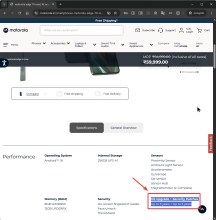
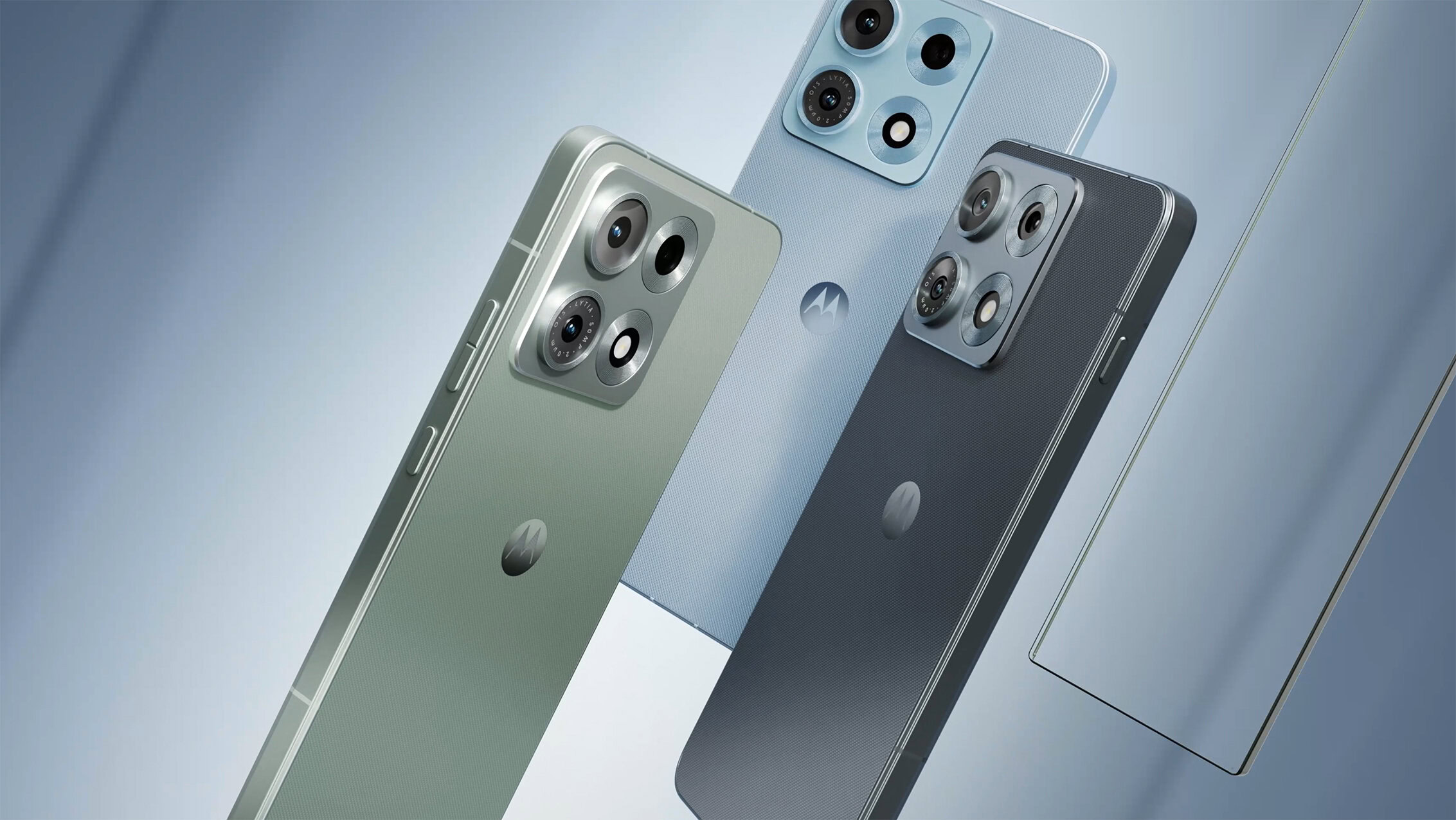
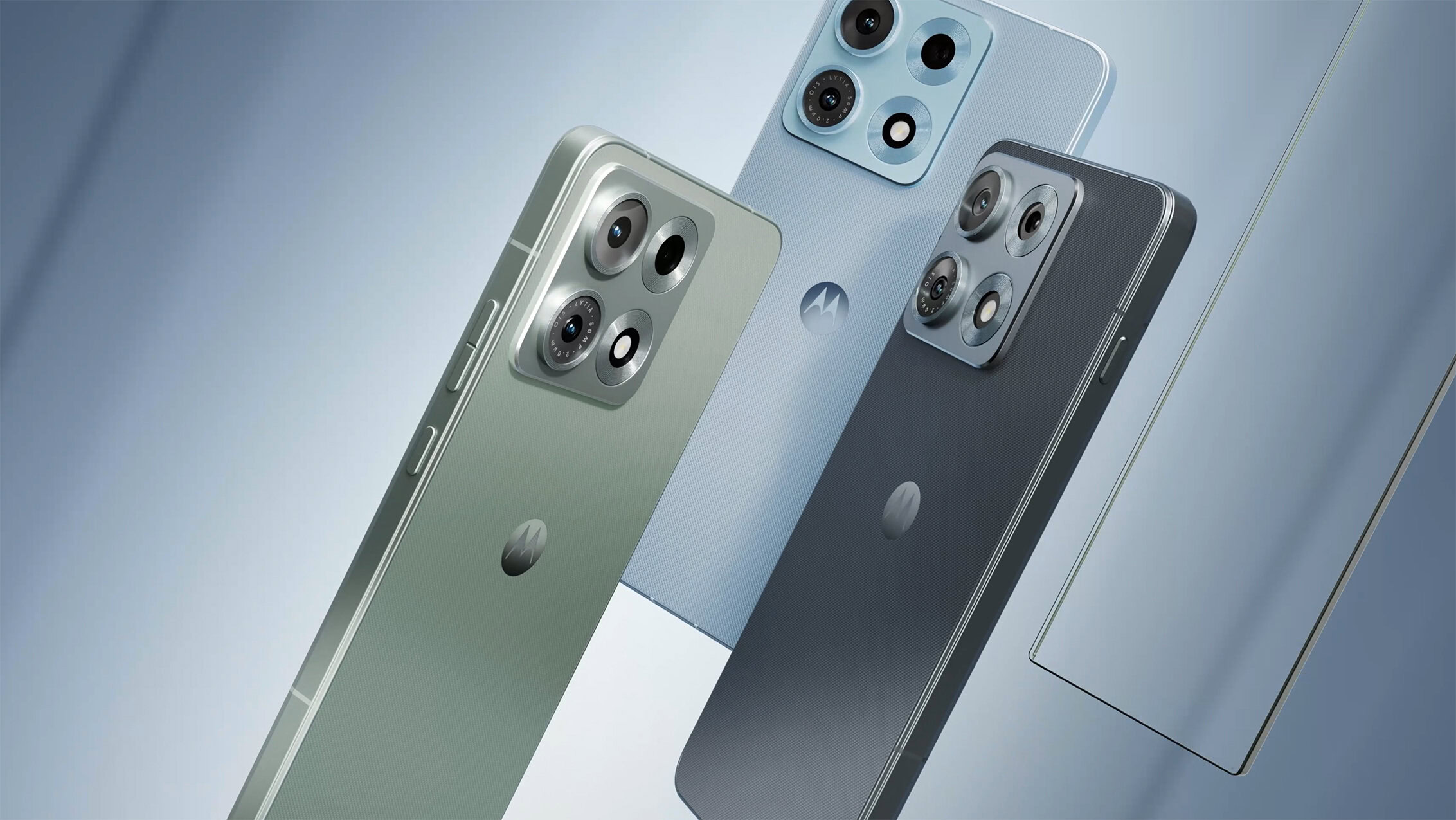
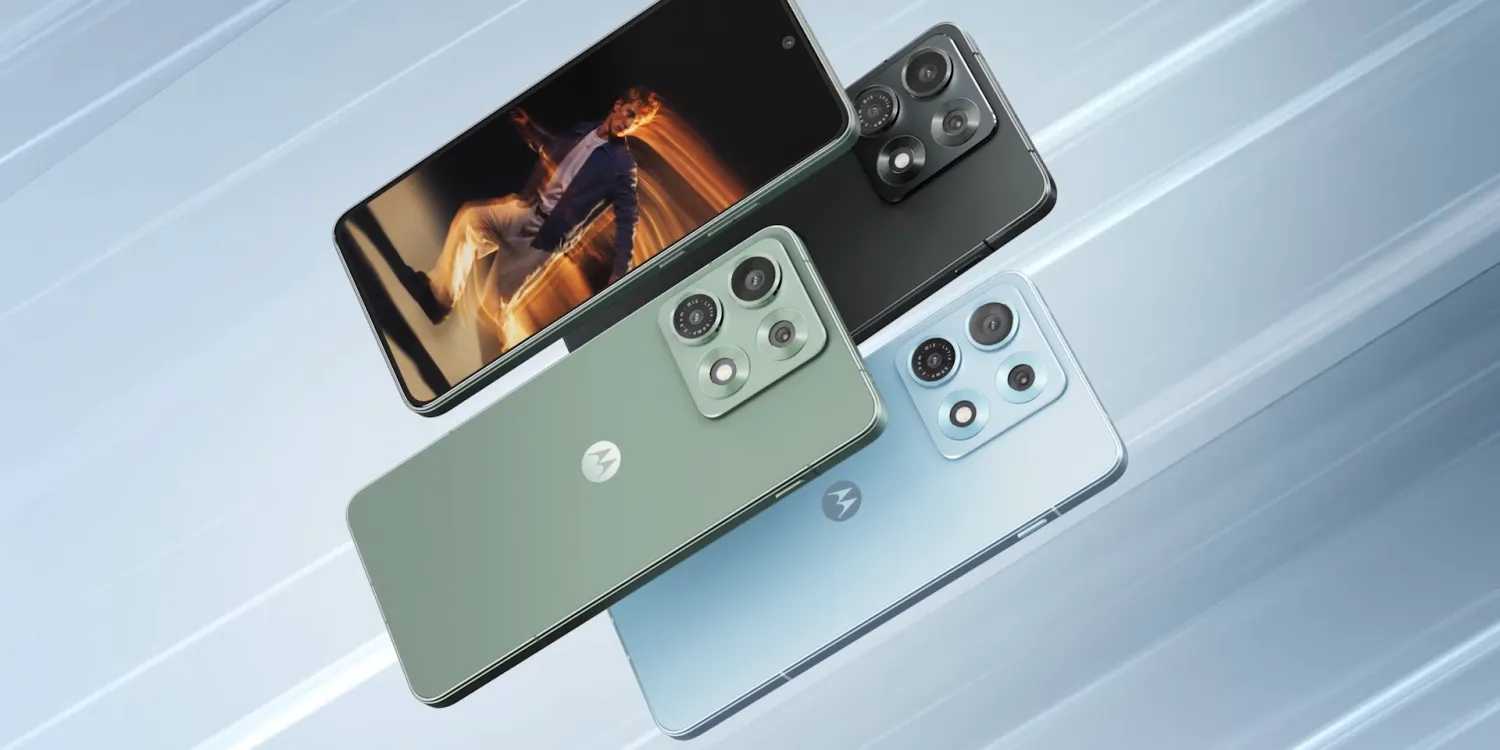
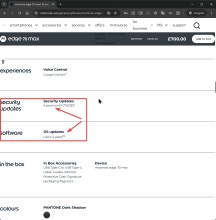
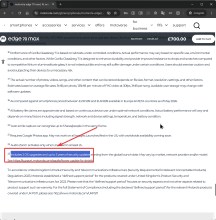
The Edge 70 Max shows exactly how messy Motorola software updates have become. Official product pages promise "up to 3 Android OS upgrades and 5 years of security updates" for the phone, yet the same pages state in the footnotes that it "includes 2 OS upgrades and 3 years of security updates". After criticism, Motorola sent a clarification saying the Edge 70 Max "arrives with up to 3 OS upgrades and up to 5 years of SMR". One listing also ties security support to a specific date, while a footnote limits it to three years from the global launch. On another official label, the device appears to be covered for seven years. This is not careful nuance; it is contradictory information about a single phone. If Motorola will not state a clear minimum number of updates, "up to" reads less like a promise and more like a loophole.
Below-par support in a market built on long-term updates
Strip away the marketing language and the Edge 70 Max is only guaranteed two Android OS upgrades and three years of security updates. The phone ships with Android 16 and is "only guaranteed to receive updates through Android 18" before major OS updates stop. According to one analysis, "Motorola’s latest flagship-killer phone will only receive two Android OS upgrades and three years of security updates". That short software commitment is a glaring weakness for a premium device that otherwise offers high-end hardware at a quoted price of £700 (~$947, approx. ₱55,000). While other Android makers now treat extended update windows as a core selling point, multiple Motorola models still get the bare minimum, and new Android versions often arrive months late. When buyers increasingly equate long software support with value, this policy makes even strong Motorola hardware feel like a disposable purchase.
From "stock" Android to bloat, delays, and confusion
Motorola likes to tout its near-stock Android experience, but short support windows and uneven updates undermine that pitch. Commenters now complain about ad-driven features and recommendation surfaces appearing in the interface after updates, turning what should be lean software into bloat that can even interfere with normal use. At the same time, the brand is "pretty bad at software updates, with new Android versions delayed by months" and devices often hitting only the bare minimum level of support. Last year’s foldable models, for example, did not receive Android 16 until February, and earlier generations waited until after their successors were already revealed. Those delays matter: when security patch delays pile up on top of limited OS upgrades, people who bought into the Motorola ecosystem for simplicity find themselves stuck on aging builds, with unclear protection and a support timeline that looks worse every time a competitor tightens its update schedule.
A policy that varies by tier, market, and mood
The Edge 70 Max is not an isolated misstep; it is a symptom of a wider problem. Other models such as the Razr 70, Razr 70 Ultra, and Edge 70 Pro have shown similar contradictions, where regional pages, support documents, and official labels either disagree about update length or leave out key information. Meanwhile, a handful of top-tier devices, including Motorola Signature and one foldable line, are touted with seven years of OS and security coverage, while the rest of the portfolio gets vaguer, shorter promises and region-dependent policies. Even attempts by journalists to get a straight answer through PR channels often "hit a brick wall," suggesting the confusion exists inside the company as well. Motorola now says it is "working to further enhance the longevity" of its products through better update and repair policies, and observers are waiting for concrete proof. Until the brand publishes clear, minimum guarantees across every tier and market, its Android update policy will remain one of the most confusing in the industry—and a serious reason to hesitate before buying.