
ASUS Finally Treats the Ally X20 OLED as a Handheld First, Not an AR Demo
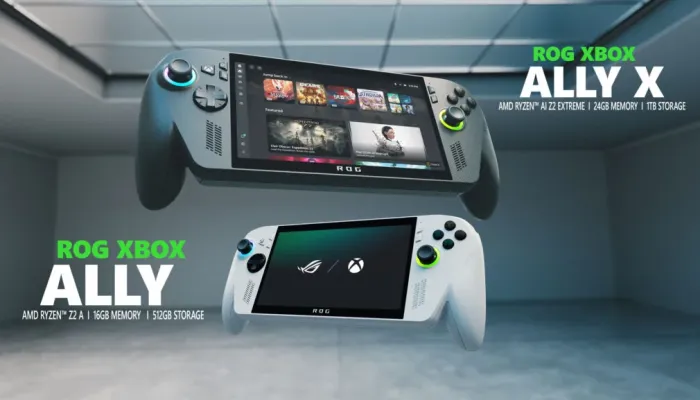
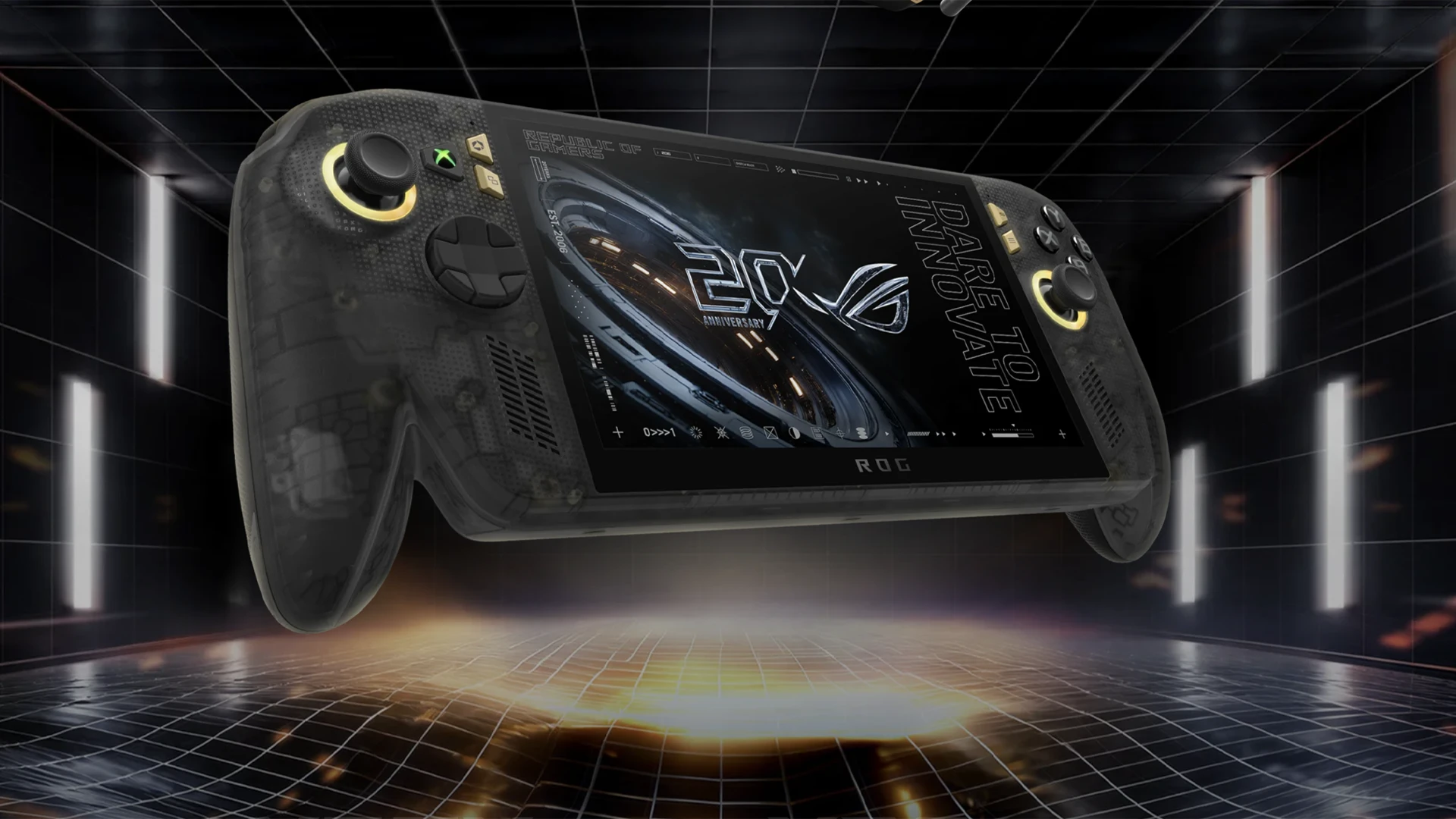
The ASUS ROG Ally X20 OLED is a high-end handheld gaming device featuring a 7.4-inch 1080p OLED screen with 30–120Hz variable refresh, 1,400-nit peak brightness, anti-glare cover glass, and upgraded controls powered by an AMD Ryzen AI Z2 Extreme processor with 24GB LPDDR5X RAM and a 1TB SSD, designed to deliver premium portable Windows gaming without being locked into any specific accessory ecosystem. ASUS has now officially confirmed that this OLED handheld will be sold as a standalone product, instead of only as part of a bundle with ROG-branded AR glasses. That single decision matters more than the spec sheet, because it shows whose priorities are shaping handheld gaming: the people who actually play on these machines, not the companies trying to cross-sell experimental peripherals.
Until this reversal, the Ally X20 OLED existed mainly as a concept tethered to AR glasses, turning what should be a straightforward gaming handheld release into a tech showroom pitch. By uncoupling the device from the glasses, ASUS is admitting that AR is an optional flourish, not the core value of the product. For players who care about frame rates, ergonomics, and battery life before they care about virtual 171‑inch screens projected in mid-air, that is exactly the kind of course correction the market needed. The message is clear: the Ally X20 is finally being treated as a serious OLED handheld standalone, not a Trojan horse for wearables.
Specs That Belong in a Flagship, Now Without a Forced Upsell
Part of what makes the ASUS ROG Ally X20 OLED worth fighting for as a standalone device is how unapologetically premium its hardware is. The 7.4‑inch OLED panel jumps far ahead of older IPS LCDs, offering 30–120Hz variable refresh rate and a peak brightness of 1,400 nits, supported by VESA DisplayHDR True Black 1000 and Dolby Vision, plus an anti-glare cover to cut down reflections under indoor lighting. Under the hood, the AMD Ryzen AI Z2 Extreme processor is paired with 24GB of LPDDR5X memory and 1TB of PCIe 4.0 SSD storage, while an 80Wh battery targets around two hours of AAA gaming at a 25W TDP. These are the sorts of numbers that put the Ally X20 OLED squarely in the flagship tier of portable PCs.
According to one report, the standalone Ally X20 OLED is expected to exceed the current USD 1,000 (approx. ₱56,000) retail price of the standard ROG Ally X due to memory chip inflation. Another analysis notes that the existing Ally X sells for CAD 1,499 and suggests the X20 will likely launch well above that figure. Even without exact pricing or a firm release date, the trajectory is obvious: this is not a budget toy. But by letting people buy the handheld without AR glasses, ASUS at least ensures that every dollar goes toward performance and design choices they care about, not a bundled experiment they may never use.
| Spec | ROG Ally X20 OLED | Notes |
|---|---|---|
| Display | 7.4" 1080p OLED, 30–120Hz VRR | VESA DisplayHDR True Black 1000, Dolby Vision |
| Brightness | 1,400 nits peak | Anti-glare cover glass reduces reflections |
| Processor | AMD Ryzen AI Z2 Extreme | High-end chip for portable Windows gaming |
| Memory / Storage | 24GB LPDDR5X / 1TB PCIe 4.0 SSD | Drives higher expected price point |
| Battery | 80Wh | Around two hours of AAA gaming at 25W TDP |
Why Breaking Up the AR Bundle Matters More Than Any New Joystick
The original plan for the ROG Ally X20 OLED was to ship it as a bundle with ROG XREAL R1 AR glasses that project a 171‑inch virtual screen at a distance of four meters, cover 95 percent of peripheral vision, and support 240Hz gaming with a 0.01ms response time. Technically impressive? Absolutely. But when AR glasses are welded to the core handheld, they stop being an optional future-facing accessory and start being a tax on every player who simply wants a better screen and better sticks. ASUS’s confirmation that the Ally X20 OLED will be sold standalone pulls that tax off the table, aligning the product with players who view AR as an experiment, not a requirement.
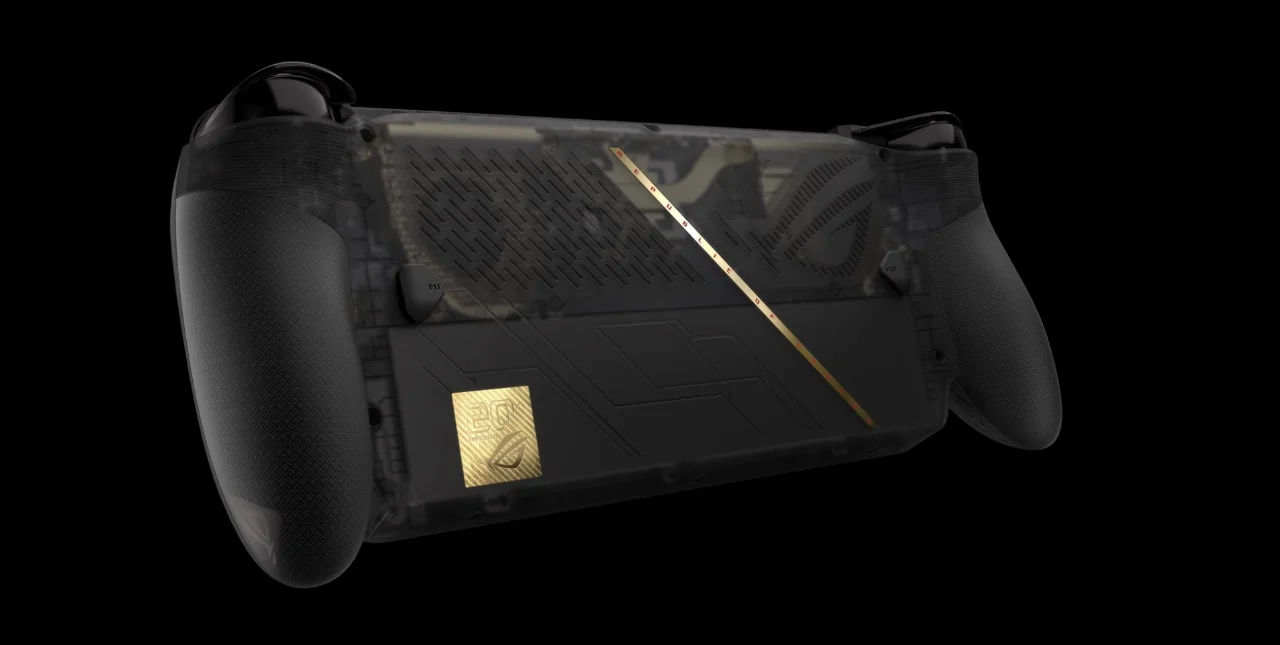
This shift also reframes the hardware changes on the handheld itself. The move to TMR joysticks, which use a contactless magnetic sensor system to reduce long-term wear and tear, becomes a direct upgrade for everyday users instead of part of a wider AR narrative. So do the transforming D‑pad that switches between four-way and eight-way input with a quarter-turn, the quieter ABXY buttons, and redesigned bumpers, plus new cushioned rubberized grips on a translucent black chassis with gold accents. These are traditional, grounded improvements aimed at comfort, precision, and noise reduction—things that matter whether you are staring at the built-in OLED or at a projected virtual display.
A Handheld That Finally Respects Modularity and Player Agency
For all the excitement around the Ally X20 OLED’s display and internals, the most forward-thinking part of ASUS’s update is its stance on how the device will be sold. A company spokesperson has said that ASUS is "actively discussing the release schedule for a standalone version of the new Ally" and has asked players to "stay tuned for upcoming announcements," while declining to provide firm details on launch timing or pricing for either the bundle or the standalone option. That openness, combined with explicit confirmation that a standalone model is coming, signals a welcome willingness to let buyers choose the form their investment takes: handheld only, or handheld plus AR glasses.
In practical terms, this means future owners of the ASUS ROG Ally X20 OLED will be able to think modularly about their gear. The handheld is one product, the ROG XREAL R1 glasses are another, and each can now be evaluated on its own merits, budget impact, and use case. That is a healthier framing for a market still figuring out how far it wants to lean into wearables and mixed reality. It also puts pressure on other players in the handheld space to avoid locking key hardware behind experimental bundles. If ASUS follows through with a clean, standalone gaming handheld release for the Ally X20 OLED, it will have taken a small but meaningful stand for consumer agency in portable PC gaming.