
Verdict: Are Today’s GPU Deals Worth It?
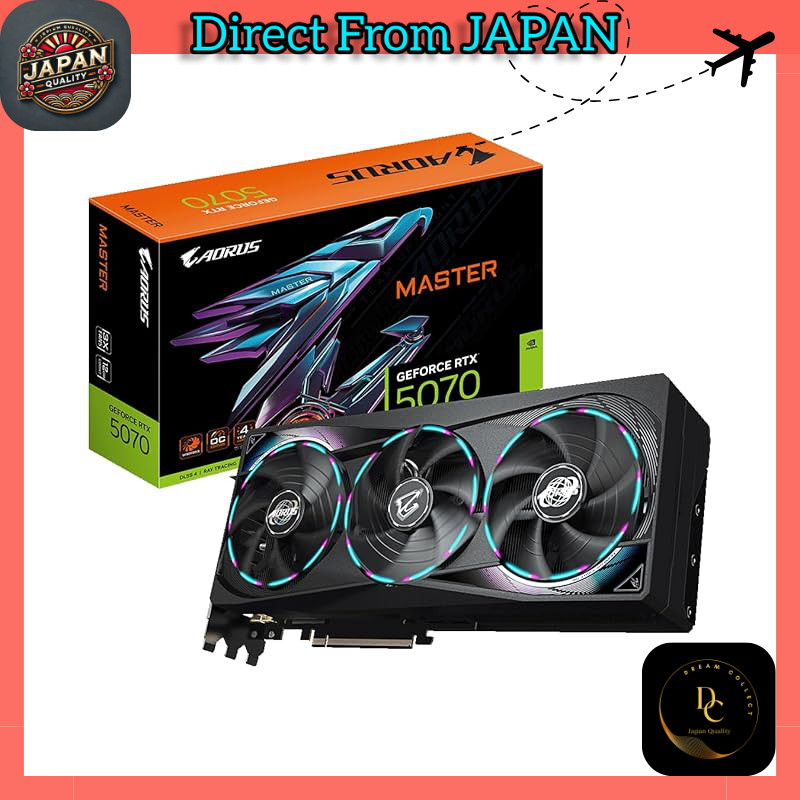
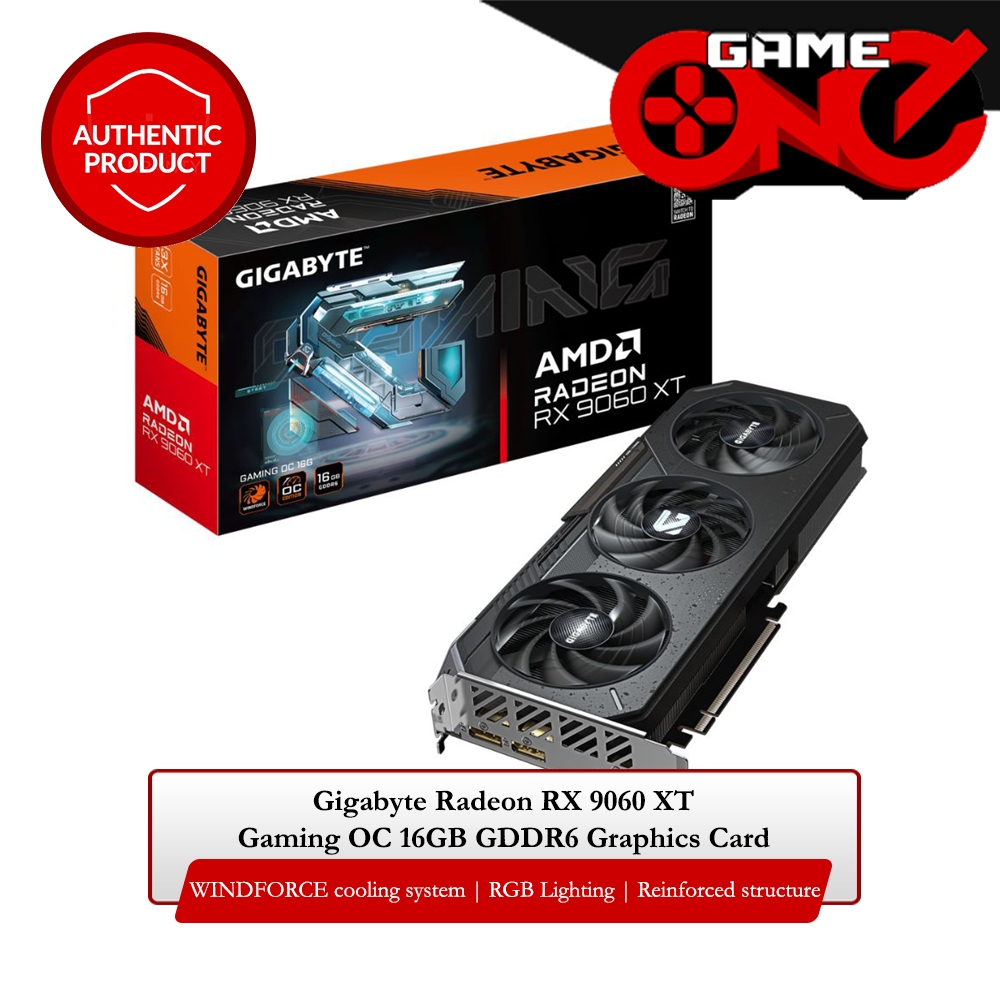
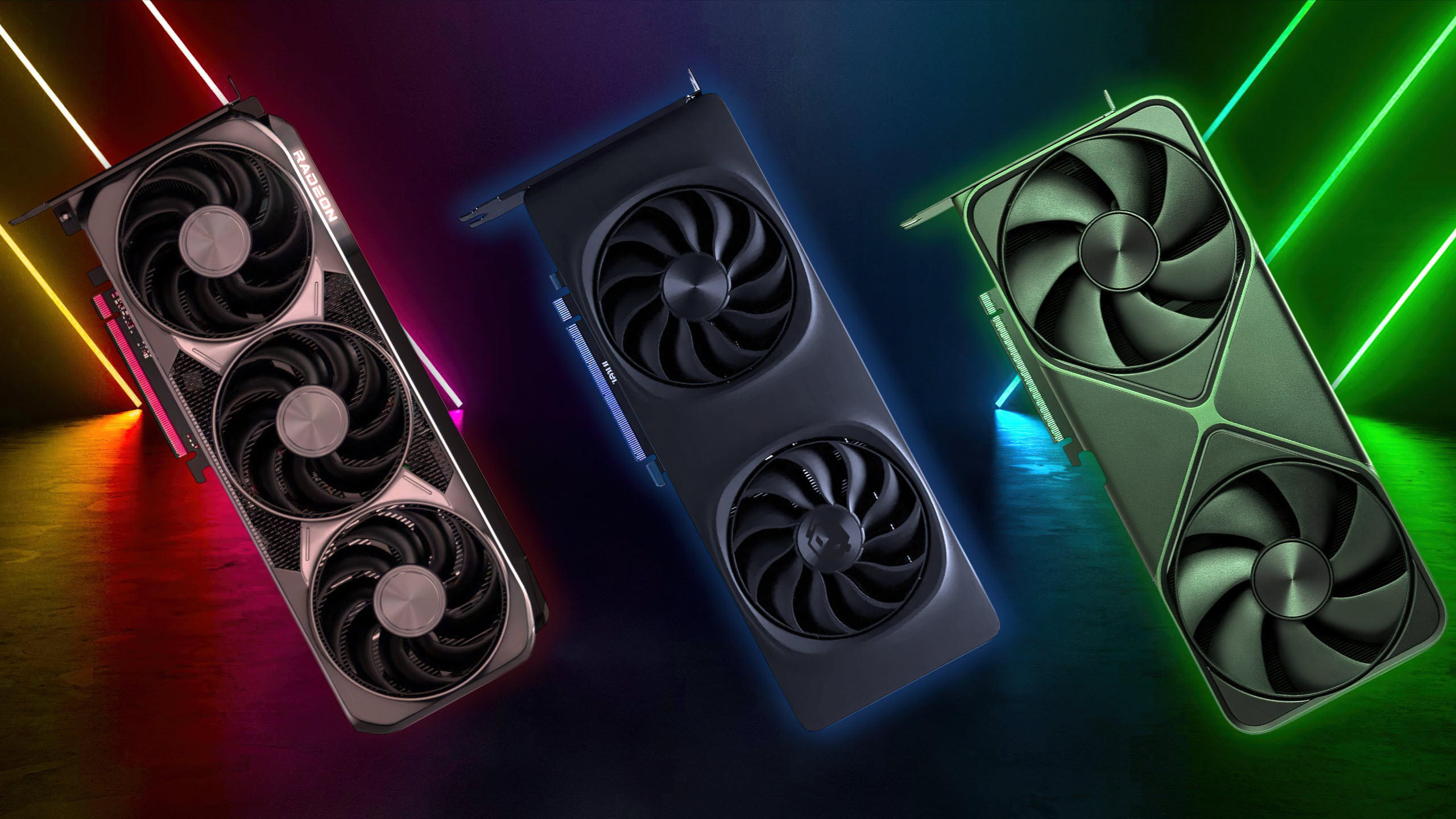
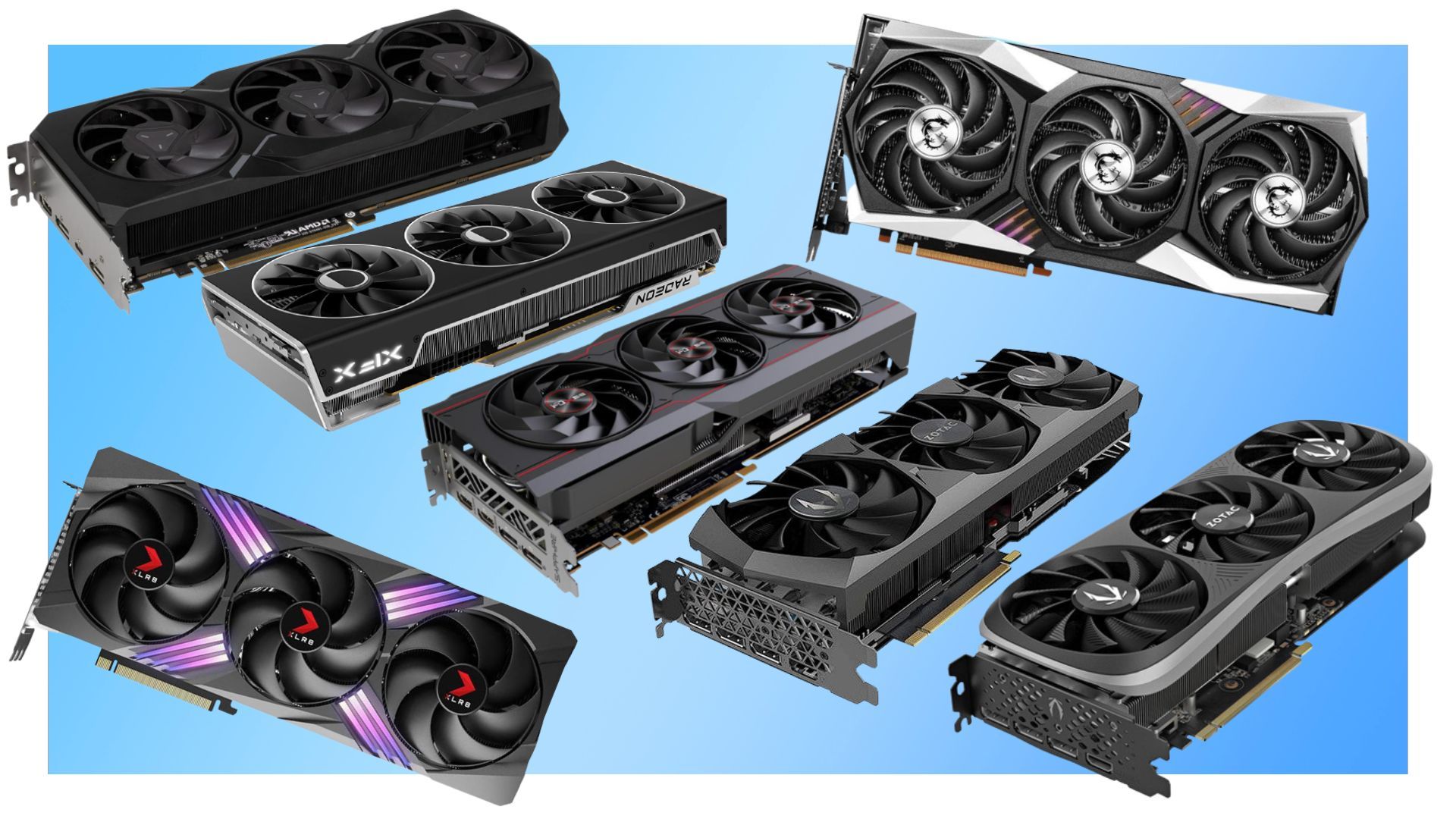
Current-gen GPU deals today are discounted graphics cards from Nvidia, AMD, and Intel whose prices are tracked against official launch MSRPs and historical lows to reveal when a 40-, 50-, or 70-class card drops into a truly good performance-per-dollar bracket for modern gaming and creator workloads. In that context, much of the high-end stack is poor value right now, but midrange and upper-midrange GPUs are in their best price territory of the year. Cards such as the RTX 5070 at USD 560 (approx. ₱31,400) and RX 9060 XT 16 GB at USD 430 (approx. ₱24,100) are close to, or below, their tracked lows and give more performance per unit of cash than top-end models that inflate prices without delivering equivalent real-world gains.
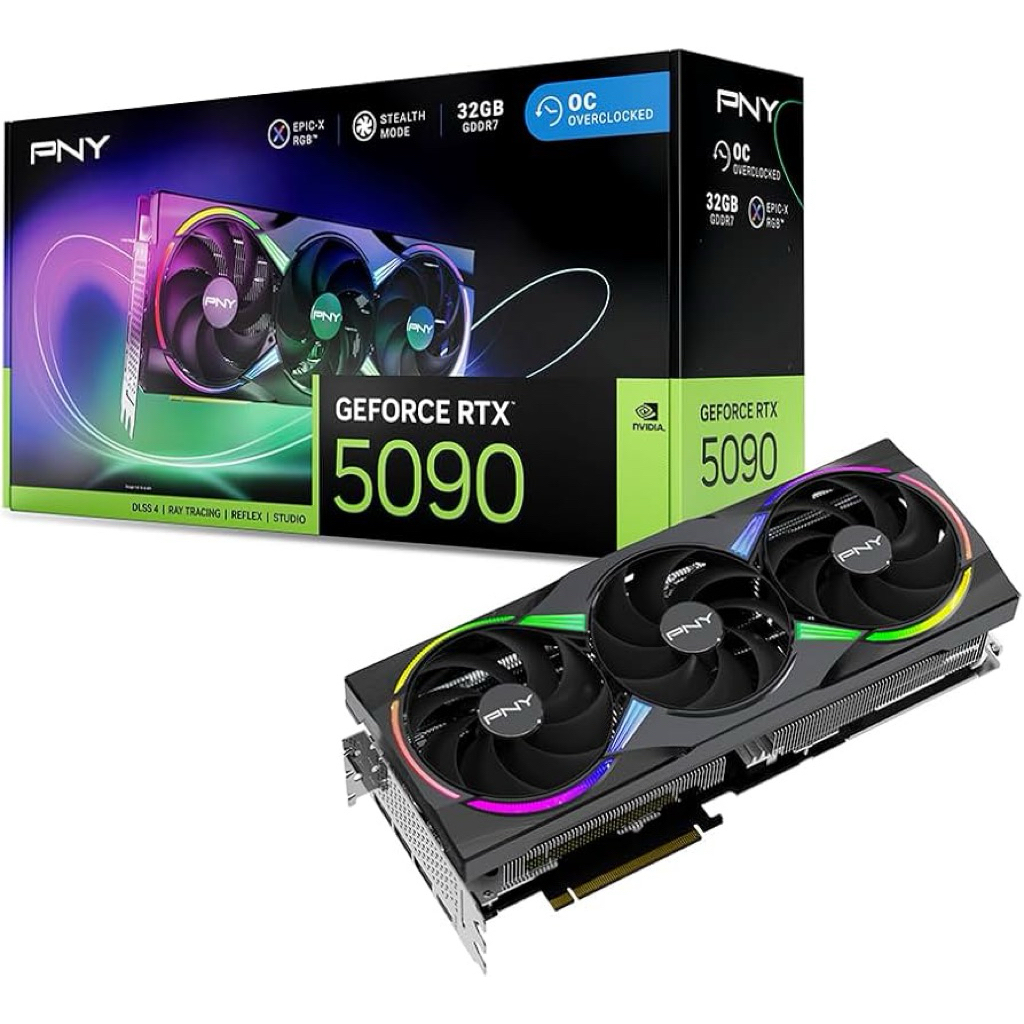
Quote-worthy fact: “This is our regularly updated list of the best graphics card prices around,” says one price-tracking team that has been measuring the lowest available price of each current-gen GPU since August 14, 2025. Their conclusion aligns with the broader GPU price index: the sensible buys sit under USD 600 (approx. ₱33,600), while flagship GPUs like the RTX 5090 at USD 4,000 (approx. ₱224,000) deliver diminishing returns.
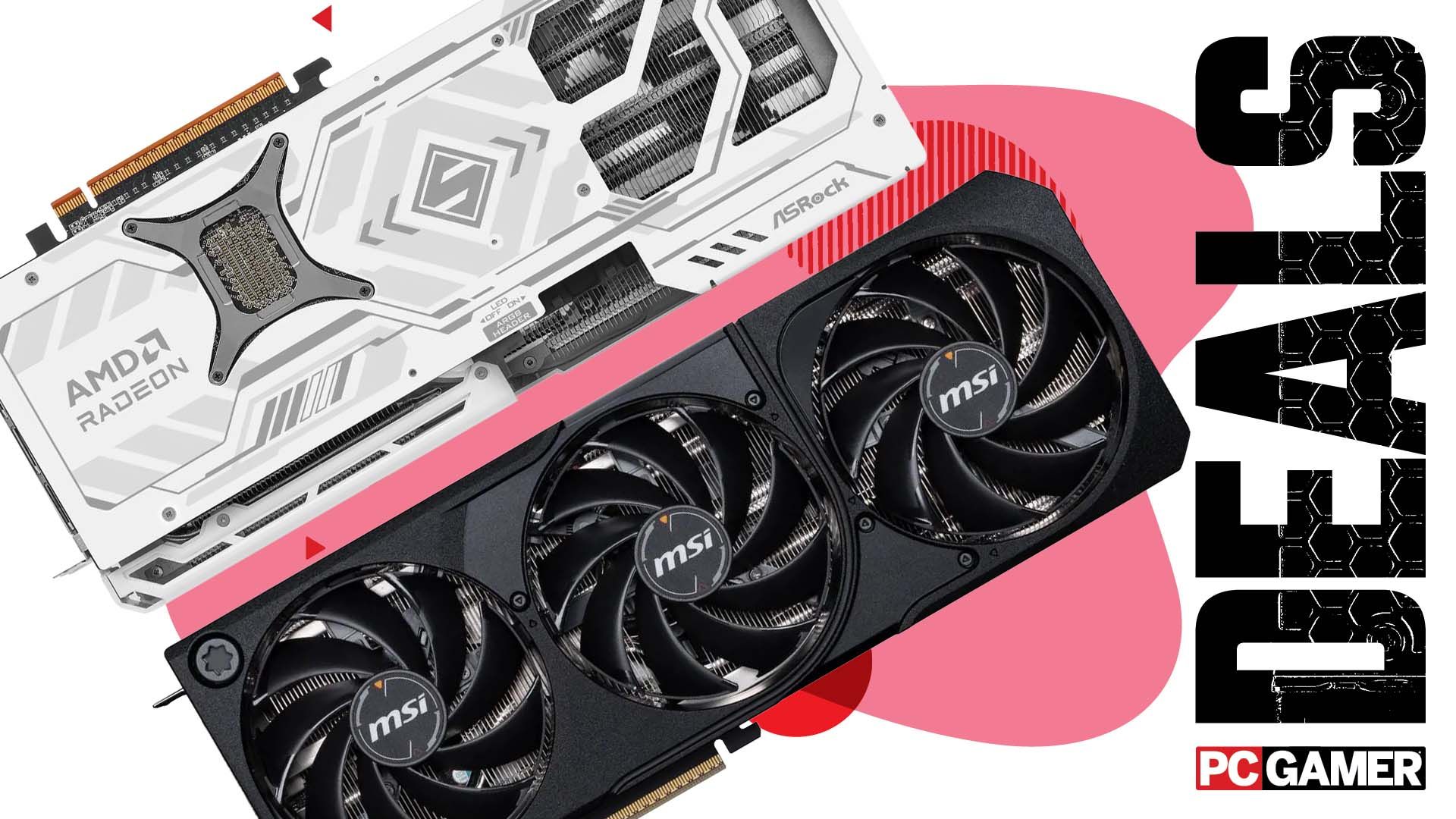
Real-World Price Picture: Nvidia, AMD, and Intel
Across the current-gen lineup, graphics card prices show a clear split between sky-high flagships and comparatively reasonable midrange GPUs. On the Nvidia side, MSRPs span from USD 249 (approx. ₱13,900) for the RTX 5050 up to USD 1,999 (approx. ₱112,000) for the RTX 5090, with today’s street prices ballooning to USD 4,000 (approx. ₱224,000) for that top card at one major retailer. Midrange RTX 50-series cards such as the RTX 5070 (MSRP USD 549, approx. ₱30,800) and RTX 5060 Ti 16 GB (MSRP USD 429, approx. ₱24,000) have climbed above their original positioning, while the 8 GB RTX 5060 Ti has seen discounting, with one tracked offer dropping from GBP 409.99 down to GBP 319.83.
AMD’s current-gen Radeon RX 9000 cards have also risen, but key models remain viable deals. The RX 9060 XT appears at USD 430 (approx. ₱24,100) for the 16 GB version and USD 360 (approx. ₱20,200) for the 8 GB variant at major retailers, staying within what price watchers call a “sensible price bracket.” Intel’s Arc B580 and B570 occupy the entry-level, at USD 290 (approx. ₱16,200) and USD 250 (approx. ₱14,000), respectively, offering low-cost alternatives for budget builds. Overall, tracking shows that once you cross USD 500 (approx. ₱28,000), value declines sharply, but sub-USD 500 GPUs retain strong price-to-performance ratios.
Key Specs and Performance-Per-Dollar Highlights
If you care about performance-per-dollar, the data from current-gen GPU deals is clear: midrange cards are the sweet spot when you match benchmark scores to tracked prices. One benchmark hierarchy compares all recent GPUs using tests such as 3DMark Time Spy Extreme, then sets those numbers against weekly minimum prices to show which cards give the most frames for the cost. At the top, the RTX 5090 uses the new Blackwell architecture with 32 GB of GDDR7 VRAM, 5th Gen Tensor cores, and 4th Gen Ray Tracing cores; however, its USD 4,000 (approx. ₱224,000) street price crushes value. By contrast, cards with more modest specs but far lower prices—like the RX 9060 XT 16 GB—land much better performance-per-dollar scores.
Within the midrange, VRAM size and clock speeds play a major role in long-term value. For example, one tracked GPU with 3,072 shaders, a 2,920 MHz boost clock, and 12 GB of GDDR6 memory is highlighted as a balanced choice for mainstream gaming. Another high-end GPU boasts 10,752 shaders, a 2,640 MHz boost clock, and 16 GB of GDDR7, underlining the raw power available even outside the flagship tier. However, analysts warn that 8 GB VRAM cards can feel less future-proof as games push higher texture and shader memory requirements, making 12 GB or 16 GB cards at the right price a smarter purchase for many players.
Where to Find the Best Current Gen GPU Deals Today
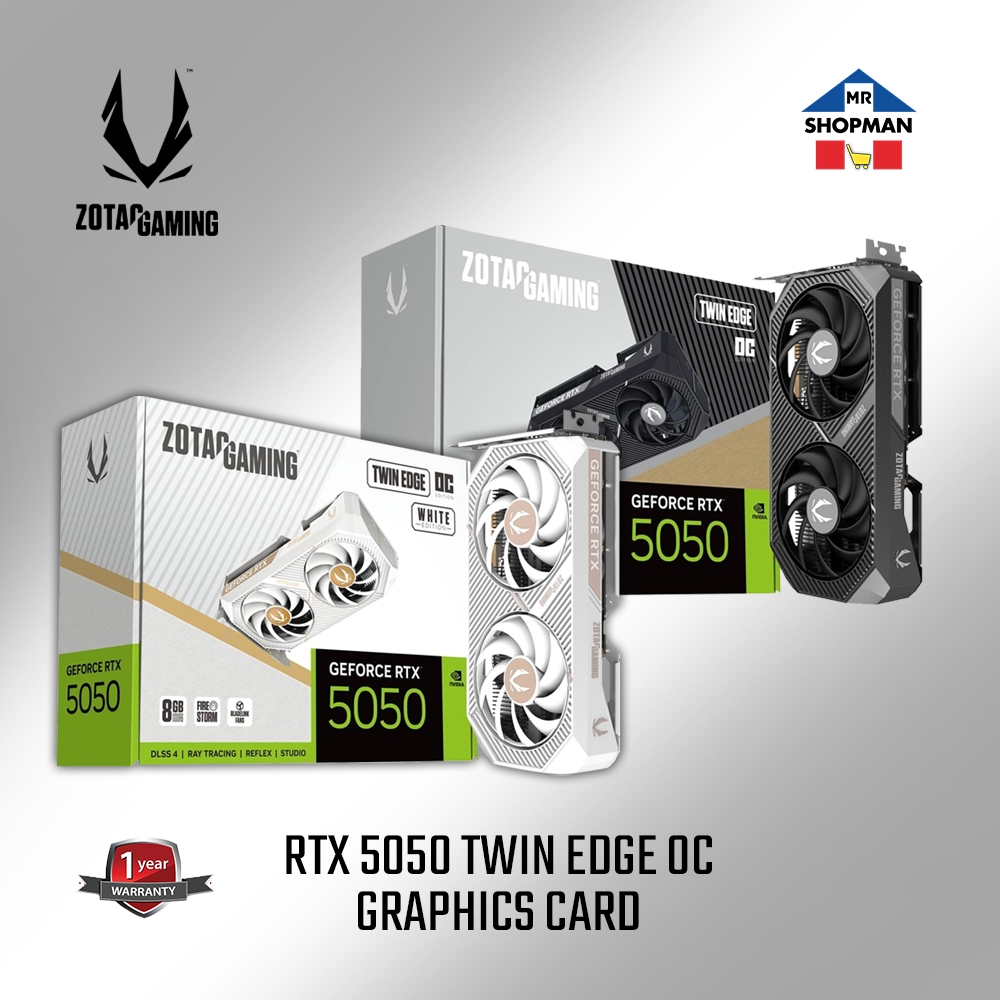
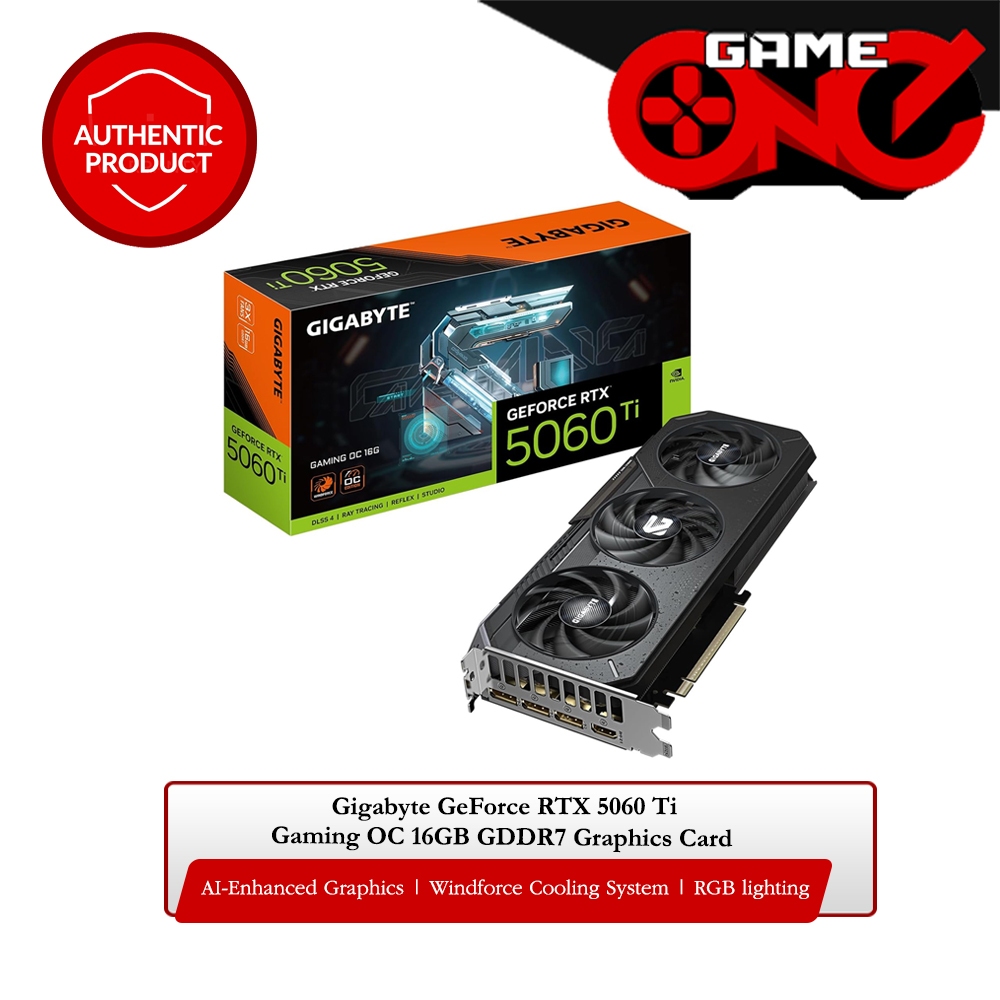
The best GPU deals today are concentrated across a handful of big retailers, but price tracking tools advise shoppers to pay attention to who is actually selling the card. Current listings show the RTX 5090 at USD 4,000 (approx. ₱224,000) at one electronics chain, the RTX 5080 at USD 1,250 (approx. ₱70,000) at a major online marketplace, and the RTX 5070 Ti at USD 900 (approx. ₱50,400) from another large e-tailer. Better value emerges lower in the stack: RTX 5070 at USD 560 (approx. ₱31,400), RTX 5060 Ti 16 GB at USD 560 (approx. ₱31,400), RTX 5060 Ti 8 GB at USD 330 (approx. ₱18,500), RTX 5060 at USD 339 (approx. ₱19,000), and RTX 5050 at USD 290 (approx. ₱16,200).
For AMD, tracked prices show RX 9070 XT at USD 700 (approx. ₱39,200), RX 9070 at USD 600 (approx. ₱33,600), RX 9070 GRE at USD 500 (approx. ₱28,000), RX 9060 XT 16 GB at USD 430 (approx. ₱24,100), and RX 9060 XT 8 GB at USD 360 (approx. ₱20,200). Intel’s Arc B580 at USD 290 (approx. ₱16,200) and Arc B570 at USD 250 (approx. ₱14,000) round out the entry-level offers. One warning from price index maintainers: retailers may silently switch listings to third-party sellers, so buyers should check for authorized vendors and compare prices against current-gen alternatives rather than grabbing older cards at inflated prices.
Buy if / Skip if
- Buy the current-gen GPU deals if you want strong 1440p gaming or creator performance without paying flagship prices and can target cards under USD 600 (approx. ₱33,600) where value is highest.
- Skip the current-gen GPU deals if you are tempted by an RTX 5090 or similarly priced flagship, because USD 4,000 (approx. ₱224,000) delivers poor performance-per-dollar versus cheaper models.
- Buy the current-gen GPU deals if you aim for 12 GB or 16 GB VRAM cards like RX 9060 XT, which price trackers highlight as staying in a sensible bracket while offering better longevity than 8 GB options.
- Skip the current-gen GPU deals if you cannot verify the retailer and seller, since tracking guides warn that some listings switch to third-party sellers and may not represent safe or true discounts.
- Buy the current-gen GPU deals if you are willing to use ongoing GPU price indexes and weekly tracking charts to compare performance-per-dollar across Nvidia, AMD, and Intel before committing to a specific card.