
Bose vs Sonos: the real fight behind premium wireless speakers
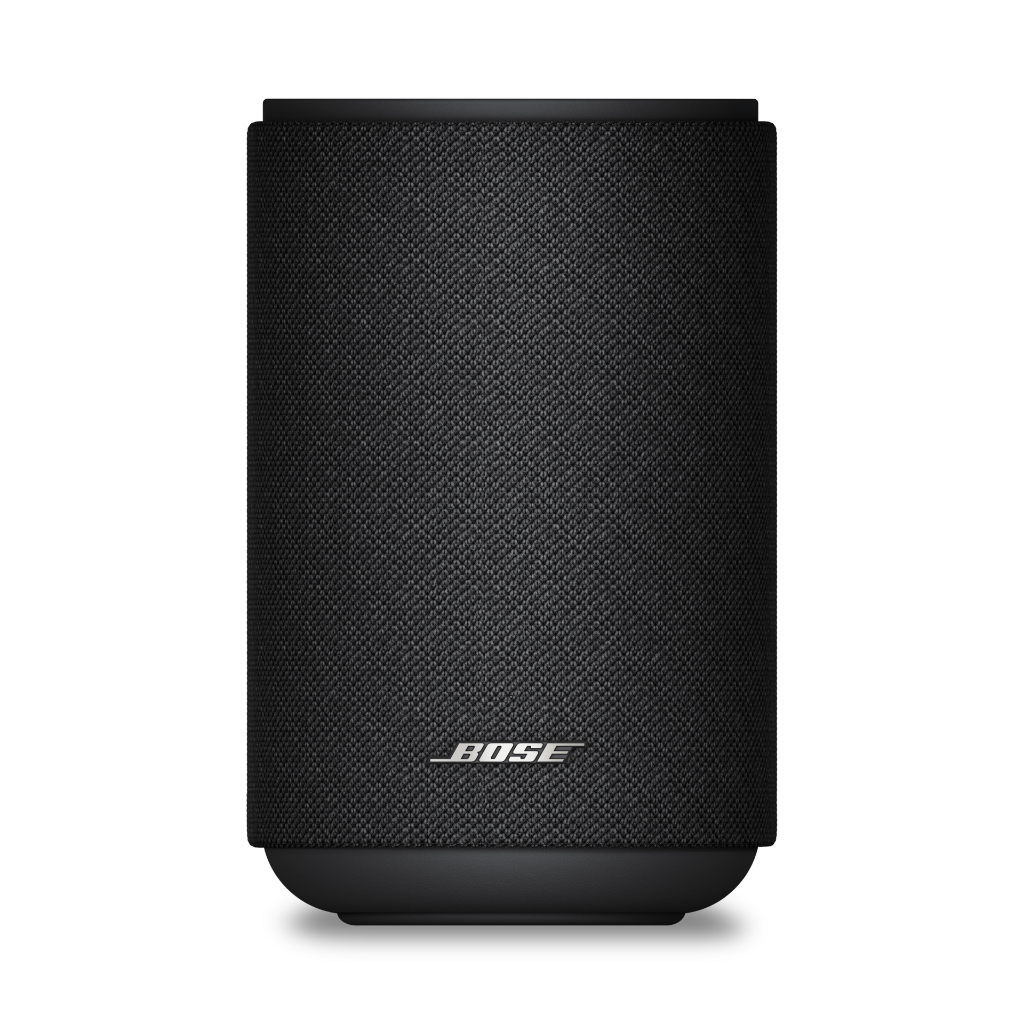
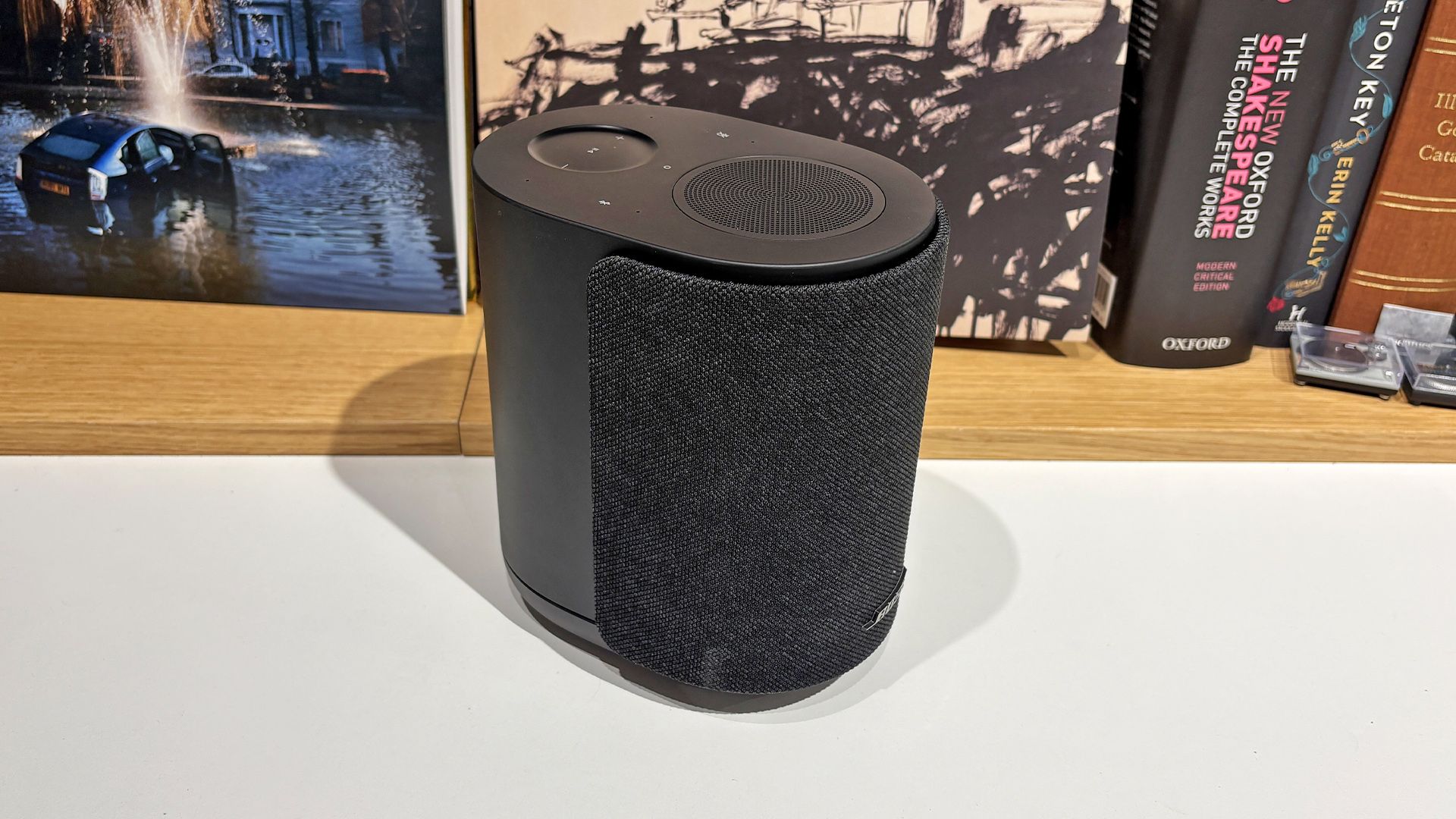
A premium wireless speaker is a mains-powered connected speaker that combines high‑quality drivers, network streaming, and multi-room control through an app to deliver whole‑home music without traditional amplifiers or wired sources, targeting listeners who want convenience without giving up sound quality. In that space, Bose’s new Lifestyle Ultra Speaker walks straight into Sonos territory. Bose has been absent from premium wireless multi-room speakers, while Sonos has cemented its Era line as the default choice for many homes. Now Bose returns with a tightly integrated Lifestyle ecosystem, aiming to sell not just a speaker, but a system tied to its Dolby Atmos soundbar and subwoofer. The question is not who shouts “premium” louder; it is which ecosystem sounds better, connects more flexibly, and respects your budget over time.
Wireless speaker quality: spatial audio, bass, and critical listening
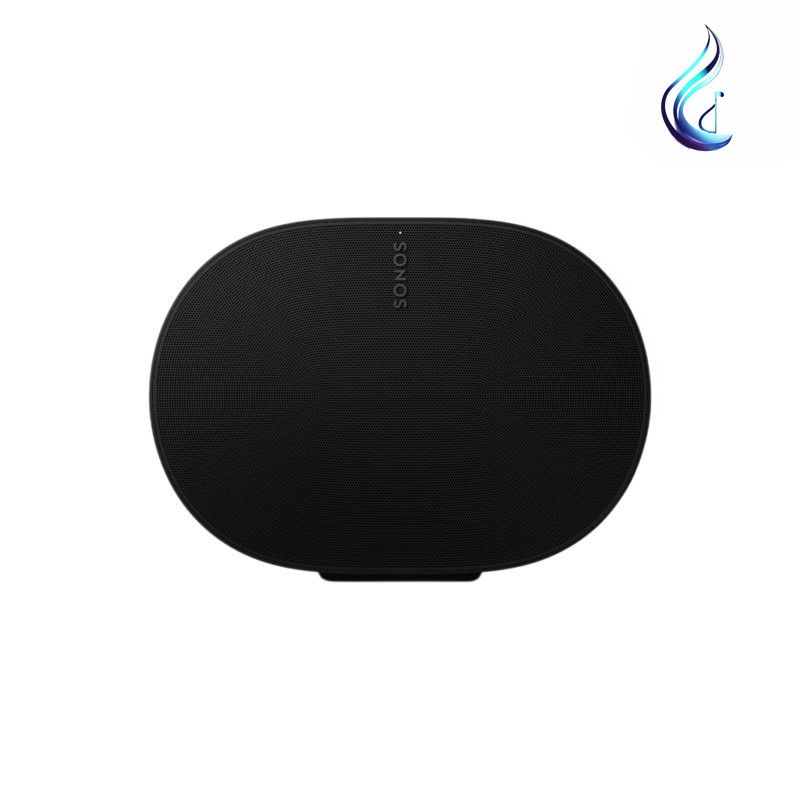
On pure wireless speaker quality, Bose and Sonos diverge in character. The Bose Lifestyle Ultra Speaker uses a 25mm tweeter, a 7.6cm mid/bass driver, and a 3.8cm up‑firing driver with Class D amplification to spread sound evenly and support its ‘CleanBass’ tuning. Its sound is clear and composed, with well‑defined notes, but that clarity can verge on lean; the speaker tends to overemphasise leading edges and could use more body and weight in its attacks. Sonos’s Era 300 counters with more cinematic spatial audio. When the up‑firing drivers engage properly, the soundstage feels wider and more convincing, especially with Dolby Atmos mixes, where it simply outshines the Bose for immersion and impact. According to one expert review, “if you’re after a speaker that gives you great spatial audio, an impressive spread of features and better sound overall, we recommend that you pick the five‑star Sonos Era 300 instead”. In a home audio comparison where film scores, pop, and orchestral tracks share equal time, the Era 300 is the more expressive, emotional listen.
Connectivity and ecosystems: Bose Lifestyle, Sonos Era, and WiiM Sound
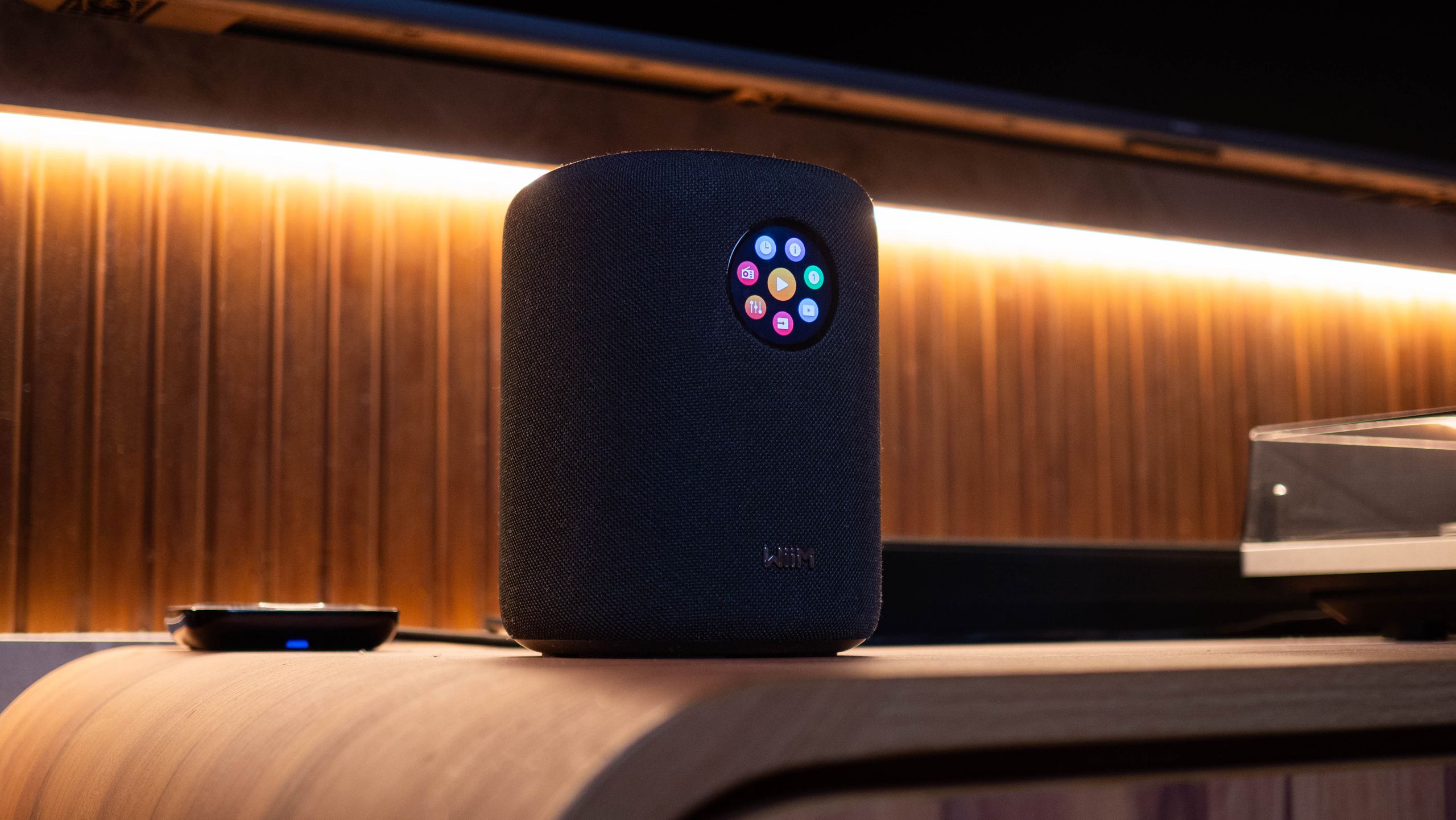
Connectivity and ecosystem integration increasingly decide the Bose vs Sonos battle. Bose positions the Lifestyle Ultra Speaker as the hub of its new Lifestyle range, joining a Dolby Atmos soundbar and subwoofer, with options for stereo pairing and use as wireless surrounds. On paper it delivers strong streaming support: wi‑fi unlocks Google Cast, Apple AirPlay 2, Spotify Connect, and Alexa voice control. In practice, stereo pairing is its Achilles heel, with reports of paired speakers drifting so far out of sync that the result becomes unlistenable until Bose fixes things via firmware. The Lifestyle Ultra also omits higher‑quality Bluetooth codecs such as aptX or LDAC, which weakens its audiophile appeal. By contrast, Sonos leans on a mature multi‑room platform, while alternative premium wireless speakers like WiiM Sound push flexibility even further, offering Google Cast, Spotify Connect, DLNA, Tidal Connect, and Roon Ready support, and easy integration into existing multi‑room systems via Cast or Alexa. In a world where you may mix brands, WiiM’s open approach to home audio comparison is more user‑friendly than either Bose or Sonos.
Price, value, and the rise of WiiM and Sony alternatives
Premium wireless speakers now sit in a crowded mid‑ to high‑end price band, which makes raw value harder to ignore. The Bose Lifestyle Ultra Speaker costs USD 299 (approx. ₱16,700) in Black or White Smoke, rising to USD 349 (approx. ₱19,500) in Driftwood Sand. The Sonos Era 300, a direct rival, is priced at USD 359 (approx. ₱20,100). Surrounding them are less locked‑in contenders. WiiM Sound, at USD 299 (approx. ₱16,700), matches Bose’s sticker but offers a feature set that “far exceeds what other products deliver in this category,” including reference‑level connectivity and sound that beats the Sonos Era 100 in stereo detail. There is also a cheaper USD 229 (approx. ₱12,800) WiiM Sound Lite, which drops the front panel and bundled remote. As WiiM adds the WiiM Bar soundbar and the WiiM Sub Pro subwoofer, its ecosystem begins to challenge not just Sonos but also more cinema‑oriented options such as Sony’s Bravia Theater systems for flexible, piecemeal home upgrades. For price‑to‑performance, Bose feels caught in the middle: it is marketed as a committedly premium wireless smart speaker, yet “doesn’t do enough to justify its considerable outlay, especially when there are more convincing alternatives available at this level”.
Verdict: who should buy Bose, Sonos, or WiiM for premium wireless sound?
Choosing between Bose vs Sonos is no longer a simple matter of brand loyalty; premium wireless speakers now compete on sound, ecosystem, and long‑term flexibility. In day‑to‑day use, the Era 300 remains the stronger all‑rounder for immersive listening and polished app control, while WiiM Sound challenges both giants on connectivity and value, with a sound signature that prioritises clean mids and detailed stereo imaging, even if its bass could use more rumble. Bose’s Lifestyle Ultra Speaker is attractive and well built, but its stereo pairing bugs and codec omissions blunt its pitch as the new reference in wireless speaker quality. For many homes, that makes Bose the emotional choice, Sonos the safe choice, and WiiM the savvy one. To make that practical, the decision comes down to how you listen and how much you care about open ecosystems versus closed, brand‑owned platforms.
- Buy if: you want the most convincing spatial audio and a polished premium wireless ecosystem – choose Sonos Era 300.
- Skip if: you expect flawless stereo pairing and high‑end Bluetooth codecs from Bose Lifestyle Ultra Speaker – current firmware falls short.
- Buy if: you value outstanding connectivity, Cast‑first multi‑room audio, and strong price‑to‑performance – pick WiiM Sound as your go‑to smart speaker.
- Skip if: you dislike being tied into a single‑brand ecosystem; both Bose Lifestyle and Sonos Era lines encourage you to stay in their families.
- Buy if: home cinema is your priority and you plan to build around soundbars and subs – consider WiiM’s upcoming Bar with Sound and Sub Pro, or cinema‑focused systems such as Sony’s Bravia Theater for a more theatre‑like setup.