
Budget GPUs Are Supposed to Be About Value—They Aren’t Anymore
Budget GPU value is the relationship between how much performance, VRAM capacity, and practical longevity you receive from a graphics card and how much money you pay for it, measured not by theoretical specs but by how well the card handles modern games and workloads over several years of use. Today, that value equation is broken in a way that favors older hardware. Nvidia’s newest budget cards deliver more raw speed, but once you factor in VRAM limits and pricing, aging GPUs and mid-range AMD options give budget gamers more frames, more years, and more flexibility per dollar. The most revealing part: the best budget GPU deals right now are not the newest parts at all—they are five‑year‑old designs reappearing at old prices and fresh RDNA 4 cards that undercut Nvidia where it hurts.
RTX 3060 Pricing Exposes Nvidia’s Budget Problem
Nothing shows how warped the market has become more than the RTX 3060’s comeback. The Nvidia RTX 3060 12GB has reappeared at retail at its original February 2021 MSRP of USD 329 (approx. ₱19,000), matching its launch price to the dollar. A new MSI Ventus RTX 3060 12GB listing at USD 329 (approx. ₱19,000) confirms that this is not a clearance oddity but a deliberate return to the old price tier. Meanwhile, Nvidia’s newer RTX 5060 is faster in raw performance, often by 40–60%, yet it “is faster, and it still loses the deal” once you consider value. The reason is blunt: 8GB of VRAM in 2026 is a liability, while the 3060’s 12GB acts as a longevity spec, especially for gamers and builders who do not plan to upgrade again for several years.
RDNA 4’s RX 9070 GRE: AMD vs Nvidia Value at 1440p
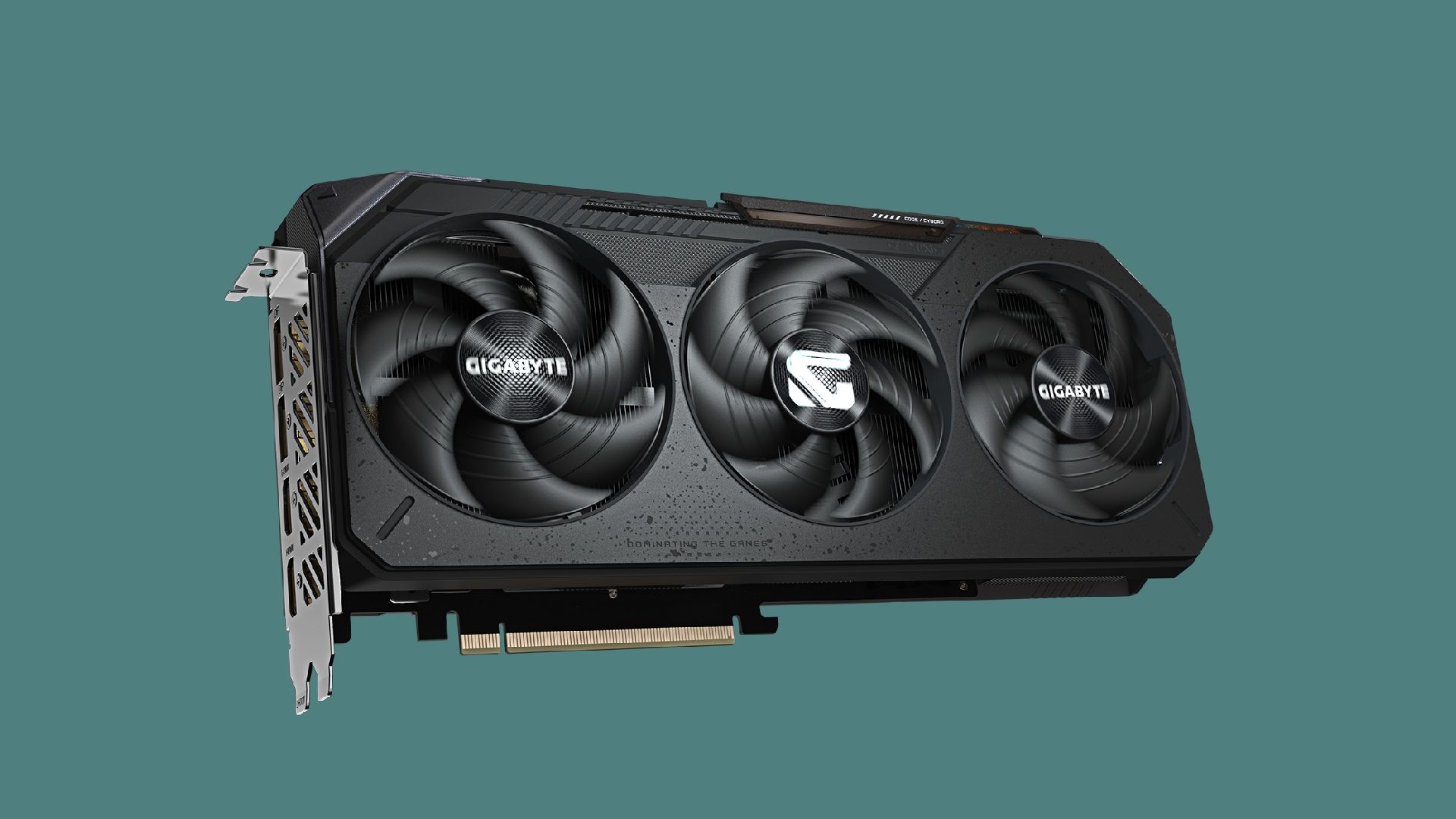
While Nvidia leans on branding and features, AMD is quietly turning mid‑range pricing into a weapon. The Radeon RX 9070 GRE launched globally at an MSRP of USD 549 (approx. ₱31,600). It has now seen its first meaningful price cut, with a Gigabyte Gaming Radeon RX 9070 GRE available for USD 499 (approx. ₱28,700) via promo at a major retailer. That single move drops RDNA 4 squarely into the heart of mid‑range 1440p gaming and lets AMD compete directly with Nvidia’s RTX 5060 Ti 16GB, which currently sells for well over USD 500 (approx. ₱28,800). According to one test suite, the RX 9070 GRE averages 86.6 FPS at 1440p across 11 rasterized games, making it a strong pick for high‑refresh 1440p gaming at a price that undercuts Nvidia’s mid‑range competitor while delivering better raw raster performance.
When Faster Isn’t Better: VRAM, Longevity, and Real Value
The narrative that every new generation is automatically a better buy collapses when you look at price‑to‑performance instead of benchmark headlines. Even coverage that concedes the RTX 5060’s speed advantage over the RTX 3060 admits that “the RTX 5060 is faster, and it still loses the deal” once you factor in VRAM, AI, and productivity workloads. VRAM is no longer a spec you worry about only at 4K; modern games hit an 8GB wall at 1440p and even 1080p as textures, ray tracing buffers, and frame‑generation overhead grow. That makes the RTX 3060’s 12GB not a luxury, but a survival feature. The same logic explains why the RX 9070 GRE’s discounted price matters so much: at USD 499 (approx. ₱28,700), it directly challenges a more expensive Nvidia card while offering strong 1440p performance. Price‑to‑performance analysis shows generational jumps often fail to justify their upgrade costs.
Why Budget Builders Are Walking Away from New Entry-Level Cards
Budget gamers are voting with their wallets, and they are not automatically choosing the newest silicon. For builders who care about more than pure gaming—like dabbling in local AI, creative work, or simply ensuring their card does not choke on the next wave of heavy textures—the RTX 3060’s extra 4GB of VRAM makes it a better choice than Nvidia’s latest budget card in many real‑world scenarios. As one analysis puts it, “the best budget GPU in 2026 seems to be the one made in 2021”. Meanwhile, AMD’s RX 9070 GRE price drop to USD 499 (approx. ₱28,700) positions it as a mid‑range 1440p performer that directly attacks Nvidia’s overpriced alternatives. The pattern is clear: budget builders are increasingly choosing proven older hardware and aggressively priced AMD mid‑range options over Nvidia’s new entry‑level cards that look faster on paper but deliver worse value where it counts.