
The one to beat: Samsung Galaxy S26 Ultra
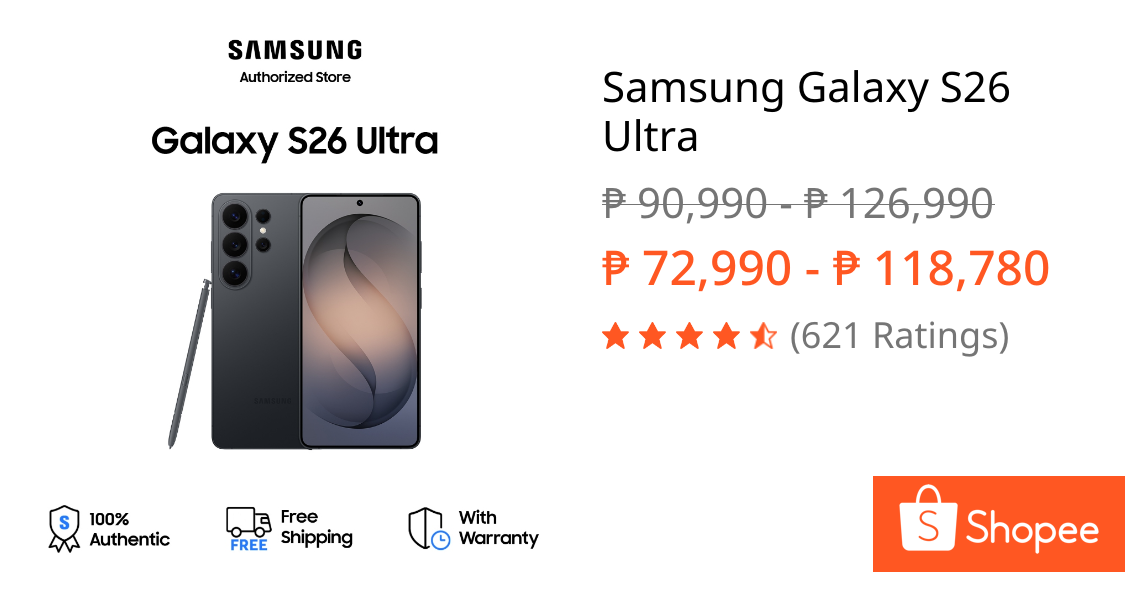
The best camera phones are smartphones whose lenses, sensors, and computational photography deliver reliable, high‑quality images and video in everyday use, removing the need to carry a separate camera for most people. For most buyers who care about photography above all else, the Samsung Galaxy S26 Ultra is the camera phone to get. It combines a flexible four‑lens system with serious flagship camera performance, strong video tools, and advanced AI-assisted editing, making it the best overall camera phone.
The headline is its 200MP f/1.4 main camera with optical image stabilization (OIS) on a 1/1.3‑inch sensor at a 23mm equivalent focal length, backed up by a 50MP f/1.9 ultra‑wide at 13mm, plus two telephotos: a 3x 10MP f/2.4 OIS at 69mm and a 5x 50MP f/2.9 OIS at 115mm. You also get a 12MP f/2.2 selfie camera with phase‑detect autofocus, 8K 24/30fps and 4K up to 120fps video, a 6.9‑inch 3120×1440 AMOLED display hitting 2600 nits with a privacy mode, and a 5000mAh battery with wireless charging.
Pros
- 3x high resolution sensors and 4x lenses, including two telephoto cameras for flexible framing.
- Advanced AI features for shooting and editing that rival other top brands.
- Excellent, bright screen that helps with framing outdoors and reviewing images.
- Very capable in landscapes, low light, night scenes, and video, making it ideal for content creators and vloggers.
Cons
- Minimal update from the previous model, so owners of the S25 Ultra may not notice a huge leap.
- Very high price compared with budget camera phones and older flagships.
- Macro mode is lacking if you love extreme close‑ups.
- S‑Pen now lacks Bluetooth, reducing remote shooting tricks some photographers used.
In real‑world use, the S26 Ultra produces vibrant colour, high detail, and strong low‑light performance across its lenses, with video and creative modes that many YouTubers rely on for multi‑lens shooting. If you want one phone that can handle everything from travel to serious video work, this is the default choice.
Best iPhone for camera enthusiasts: iPhone 17 Pro / Pro Max
If you prefer iOS but still want a place in any serious smartphone photography comparison, the iPhone 17 Pro and Pro Max are the top camera choices in Apple’s current range. They are the best overall iPhones for photography, balancing high‑end hardware with polished computational processing and video tools.
Both models share the same triple 48MP rear system: a 48MP f/1.78 main camera at 24mm, a 48MP f/2.2 ultra‑wide at 13mm, and a 48MP f/2.8 telephoto at 100mm. On the front there is an 18MP f/1.9 selfie camera with autofocus for sharper portraits and vlogs. Video tops out at 4K up to 120fps, while displays are Super Retina XDR OLEDs at 6.3 inches (Pro) and 6.9 inches (Pro Max). Battery capacities are 3998mAh for the Pro and 4823mAh for the Pro Max.
Pros
- Improved selfie camera with autofocus, a big help for social content and video calls.
- Triple high‑resolution 48MP cameras that produce detailed, consistent images.
- Image quality is very good overall, with Apple’s familiar colour and exposure handling.
Cons
- Limited colour options may disappoint style‑conscious buyers.
- Weak macro performance compared with some Android rivals focused on close‑ups.
According to the testing team, “image quality is very good overall,” making the iPhone 17 Pro line an easy recommendation for anyone invested in the Apple ecosystem who wants dependable results for stills and 4K video. If an iPhone is non‑negotiable but you do not need all the Pro features, the more affordable iPhone 17 is the cheapest way into the current generation while still delivering a smooth, polished shooting experience.
Budget camera phones that punch above their price
Not everyone needs a top‑end flagship; the best budget camera phones can still be imaging powerhouses without a heavy price tag. If you want high‑quality photos but care about value as much as flagship camera performance, the mid‑range and affordable segment now offers serious options that rival older top‑tier devices.
The standout is the Samsung Galaxy S24 FE, picked as the best budget phone overall thanks to its triple camera system and strong value. It uses a 50MP f/1.8 main camera at 24mm with phase‑detect autofocus and OIS, a 12MP f/2.2 ultra‑wide at 13mm, and an 8MP f/2.4 telephoto with PDAF, OIS, and a 76mm equivalent focal length. On the front you get a 10MP f/2.4 selfie camera, plus 8K and 4K video recording, a 6.7‑inch FullHD+ AMOLED 2X 120Hz screen at 1900 nits, and a 4700mAh battery with 25W wired and 15W wireless charging.
Pros
- Great value and cheaper than the S24 and S25 while keeping a triple camera array.
- Larger screen than the standard S24, with IP68 water and dust resistance.
- Produces high‑quality images with plenty of detail and punchy but natural colours.
Cons
- Telephoto and selfie cameras are downgraded compared with the full S24.
- Selfie camera lacks autofocus, so close‑up self‑portraits are less precise.
Reviewers found that this “results in images of high quality, with a pleasing level of detail and punchy but natural colours,” which makes it hard to imagine many users being unsatisfied in day‑to‑day shooting. If you are open to Android, you usually get more camera for your money, and older models from major brands can be bargain alternatives when budgets are tight.
How to choose between flagship and budget camera phones
Choosing the best camera phone is less about chasing the biggest sensor and more about matching flagship camera performance or budget value to your photography style. Experts test phones across image and video quality, editing tools, handling, durability, battery life, and ease of use before recommending them, so every pick here has been through real‑world shooting.
Flagships like the Galaxy S26 Ultra and iPhone 17 Pro lines pair high‑resolution sensors with advanced AI computational photography, 8K or high‑frame‑rate 4K video, and bright, large screens that help you compose in harsh light. The S26 Ultra’s 200MP sensor uses pixel‑binning to boost low‑light performance, while AI tools support both capture and powerful in‑phone editing. Budget camera phones such as the Galaxy S24 FE focus on reliable main sensors, useful ultrawides, and features like Night modes and long exposure, plus software tricks like Magic Editor and Best Take on compatible models, to close the gap without premium cost.
For most day‑to‑day needs, mid‑range phones now beat many old compact cameras, while the very best camera phones can replace a dedicated camera for travel, social media, and even serious video projects. If money is tight, consider slightly older flagships like the S25 Ultra or last‑generation iPhones, as they often deliver most of the experience at a lower outlay.
Buy if / Skip if
- Buy the Samsung Galaxy S26 Ultra if you want the best overall Android camera phone with four lenses, 8K video, and excellent performance in landscapes, low light, and vlogging.
- Skip the Samsung Galaxy S26 Ultra if you already own the S25 Ultra or want to avoid very high flagship pricing.
- Buy the iPhone 17 Pro / Pro Max if you are committed to iOS and want triple 48MP cameras, strong 4K video up to 120fps, and improved selfie quality.
- Skip the iPhone 17 Pro / Pro Max if macro photography is a priority or you care a lot about having wide colour choices.
- Buy the iPhone 17 if you need the cheapest current‑generation iPhone with a polished shooting experience and are happy to skip Pro‑level extras.
- Skip the iPhone 17 if you are open to Android, because you will usually get more camera hardware for your money.
- Buy the Samsung Galaxy S24 FE if you want one of the best budget camera phones with a triple camera, high‑quality images, and a big 6.7‑inch 120Hz screen.
- Skip the Samsung Galaxy S24 FE if you care about selfie autofocus or want the absolute best telephoto quality Samsung offers.
- Buy the Samsung Galaxy S25 Ultra used or discounted if you want near‑flagship camera performance from Samsung but at a lower cost than the latest model.
- Skip the newest flagships in general if your budget is tight; instead, look at older models from big brands, which often offer excellent value.