
Android’s New Reality: Fewer Rivals, Higher Bills
The current Android pricing landscape is defined by shrinking competition and rising component costs, where the exit of enthusiast brands and the pressure of expensive memory chips are combining to push phones toward higher prices and fewer choices for everyday buyers across both premium and mid-range devices. OnePlus has made it official: it stopped selling smartphones in the North American and European markets, while Samsung’s phone-making unit is projected to swing to a mobile division loss for the first time ever because its own chip arm is charging premium prices for memory that is squeezing its handset business. Taken together, these moves signal a market where the remaining giants will protect profit margins first—and let consumers absorb the fallout through thinner variety and creeping price tags.
Why OnePlus Leaving Hurts More Than Fans’ Feelings
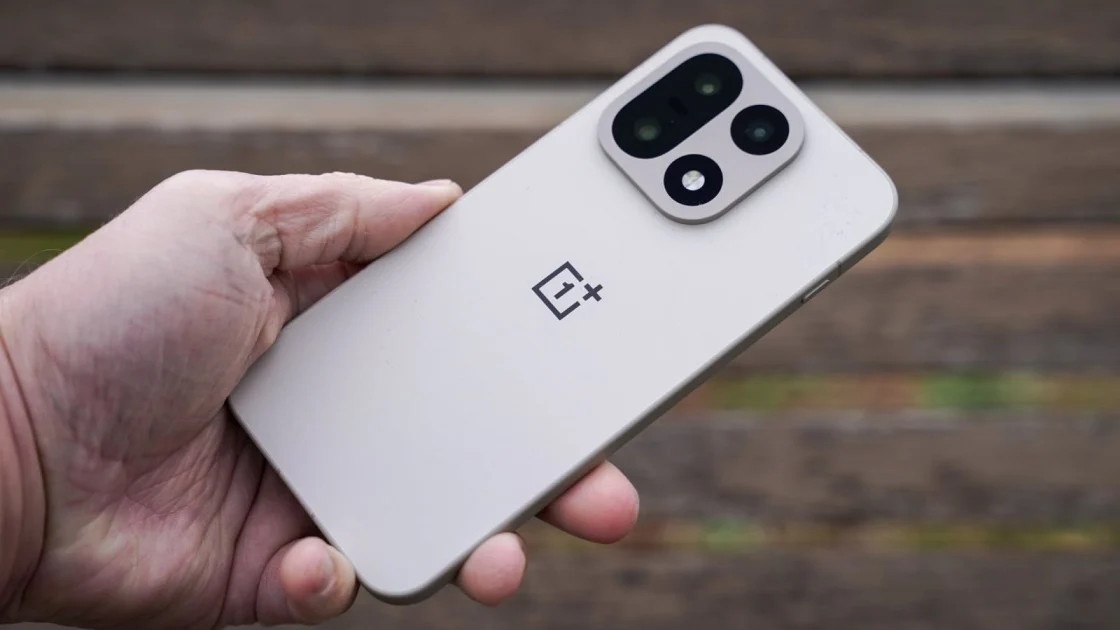
OnePlus’s decision to stop selling smartphones in North America and Europe is more than a niche enthusiast drama; it is a structural blow to Android competition. The brand long served as a third option for people tired of the usual big-name rhetoric, offering clean Android, distinctive touches like the Alert Slider, and strong hardware at aggressive prices. Existing phones will still get software updates, security patches, after-sales support, and honored warranties, but that is cold comfort in a market where one fewer brand means one fewer pricing counterweight. The company confirmed that Oxygen OS will be replaced by Oppo’s ColorOS when the Android 17 update ships. For current owners, that is a forced shift in experience; for shoppers, it is a warning that even if they loved what OnePlus stood for, that kind of alternative is now closing its doors.
The human side of this is blunt. The article notes that "once again, it's consumer choice that suffers as yet another phone maker punches out of the US for good". The OnePlus community that helped build the brand will even formally shut down, with the company stating that it closes on Aug. 16 at midnight Eastern time. Fans can opt out of the coming ColorOS 17 rollout if they wish, but they cannot opt back into a vibrant three-way Android fight. With each exit like this, the market tilts a little more toward a duopoly, and duopolies rarely reward buyers with better deals.
Samsung’s Memory Squeeze: Record Profits, Phone Pain
On paper, Samsung looks unstoppable: its official earnings guidance for the second quarter calls for consolidated sales of roughly 171 trillion Korean won and operating profit of about 89.4 trillion won. That profit is an all-time record, described as roughly a 19-fold jump, about 1,181% year-on-year. But those headline numbers hide serious strain inside its phone unit. Samsung’s Mobile eXperience division, the arm that builds Galaxy phones, could post its first-ever quarterly operating loss in Q2, with estimates ranging from a modest profit to a loss of about 1.5 trillion won-equivalent. The catch is that the same AI-fueled demand for high-bandwidth memory and tighter DRAM supply that drives record chip profits is inflating the costs that the phone division has to swallow.
According to the analysis, the memory-chip share of the bill of materials for a roughly USD 800 (approx. ₱44,800) smartphone climbed from about 14% to about 23% for RAM alone, with NAND flash storage adding around another 15% of production cost. That is a brutal shift: memory is no longer a minor line item but a quarter-plus of the hardware cost. Higher memory costs at the factory are described as a leading indicator of higher prices at the store—and not just for Galaxy phones. In other words, even brands that do not manufacture their own chips are chained to the same price spiral. The pressure projected to push Samsung’s phones toward the red is precisely the pressure that will make it harder for any manufacturer to keep prices flat, especially in budget and mid-range tiers.
Rising Android Pricing Trends: The Consumer Bill Comes Due
A global memory-chip shortage driven by AI and data-center demand for DRAM and high-bandwidth memory is about to make smartphones more expensive for buyers everywhere. This is not an abstract supply-chain story; it is a direct hit on Android pricing trends. Every Android brand buys memory from the same global market, so when LPDDR and NAND prices spike, the entire ecosystem feels the pinch. One analysis notes that this points to higher prices on upcoming phones across the board, not just Galaxy devices. The math is harsh: with RAM alone now accounting for roughly 23% of the bill of materials in an USD 800 (approx. ₱44,800) phone and NAND adding around 15%, there is less room to absorb costs elsewhere.
Higher memory costs at the factory are explicitly described as a leading indicator of higher prices at the store. Combined with fewer competitive brands willing or able to undercut, the likely outcome is clear: flagship phones march upward in price, and the once-safe mid-range starts creeping toward premium territory. The same analysis warns that the pressure expected to push Samsung’s mobile unit near or into loss territory is the same force that makes it harder for any brand to hold last year’s prices, especially at the budget and mid-range tiers. For consumers, this means that waiting for a bargain may no longer be a reliable strategy; the baseline itself is climbing.
Consolidation’s Cost: Slower Innovation, Less Choice, Higher Risk
Once again, it is consumer choice that suffers as yet another phone maker withdraws from a key market. OnePlus publishing a notice that it would end any new product rollouts in North America is not just a corporate retreat; it is another step toward mobile market consolidation. Recent history shows that when brands like HTC, LG, and others faded from shelves, the space they left did not stay crowded for long. The US mobile market is described as a brutal place where any entrant without strong brand recognition struggles against dominant iPhone and Galaxy devices. With OnePlus bowing out, we move closer to a world where a handful of large players dictate most of the Android roadmap and pricing discipline takes a back seat.
The implications for innovation cycles are worrying. Smaller, enthusiast-focused brands often experiment faster with features like cleaner software, faster charging, or niche hardware flourishes. When they leave, experimentation consolidates inside big-company roadmaps shaped by risk-averse committees and component cost spreadsheets. Meanwhile, a global memory-chip shortage pushing up DRAM and HBM prices ensures those committees will prioritize margin protection over bold bets. Samsung will confirm the actual division-level numbers at its earnings call on July 30, where we will learn whether the phone business has indeed recorded its first loss. But the direction is already visible: fewer competitors, heavier component costs, and a creeping expectation that buyers will keep paying more, even as their menu of options shrinks.