
The leak that turns the Ultra into a distinct class
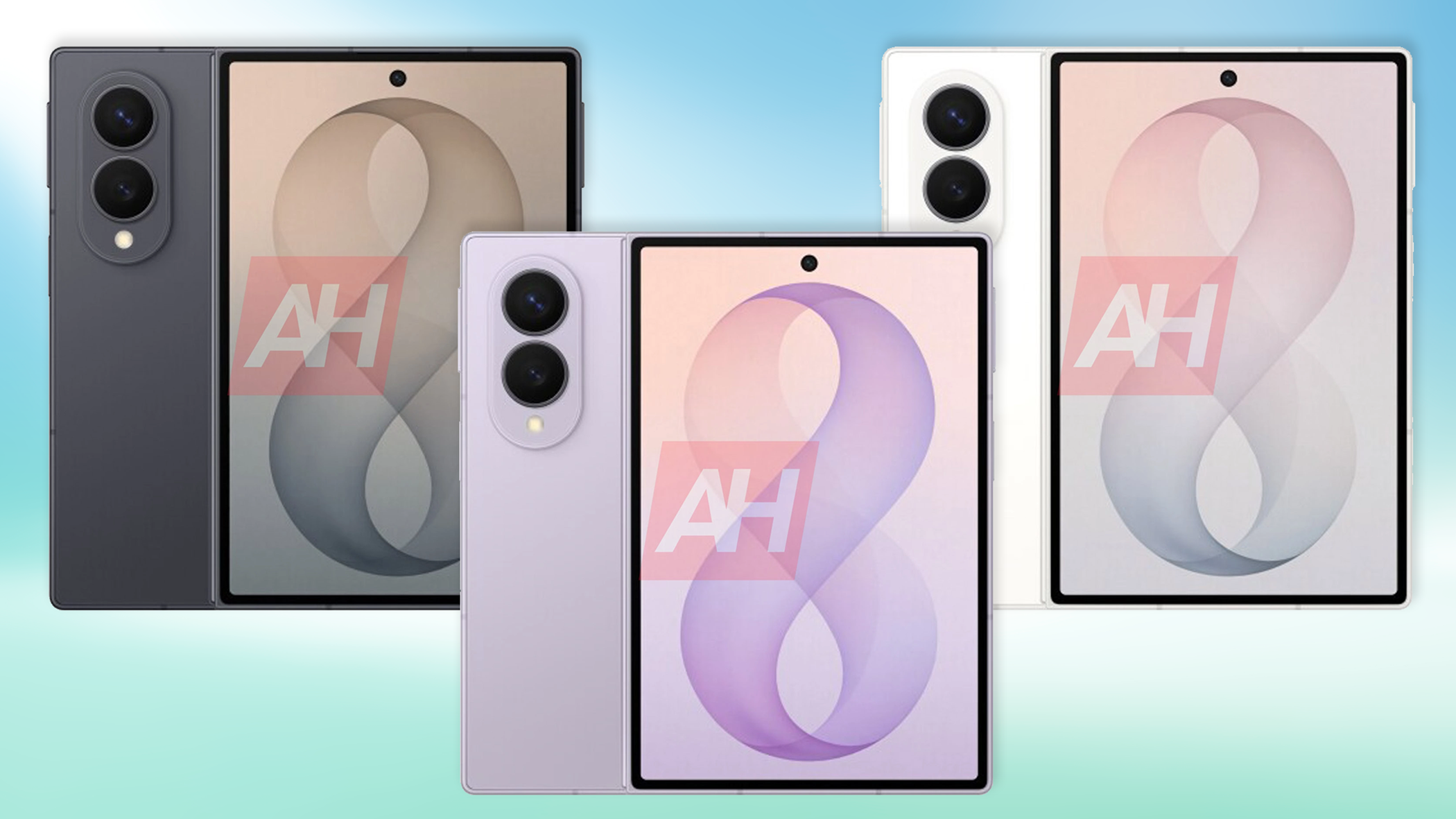
The Galaxy Z Fold 8 Ultra is the larger, sharper, longer-lasting variant of Samsung’s upcoming book-style foldable line, with leaked specs describing a device that expands display size, boosts camera hardware, and increases battery capacity over the standard Galaxy Z Fold 8 to create a clearer split between mainstream and premium foldable buyers. This leak matters because it marks a deliberate strategy shift: instead of one flagship foldable, Samsung appears ready to run a two-tier system where the Ultra stops being a minor spec bump and becomes the model for users who treat their foldable as a primary productivity and media machine. According to WinFuture, the report “claims to reveal the complete specifications of both the Galaxy Z Fold 8 and the new Galaxy Z Fold 8 Ultra,” putting nearly every detail on the table ahead of the Galaxy Unpacked event on July 22, 2026. With both phones sharing the Snapdragon 8 Elite Gen 5 For Galaxy chip, the story is no longer about performance; it is about how far the Ultra goes to justify its name.
| Spec | Galaxy Z Fold 8 | Galaxy Z Fold 8 Ultra |
|---|---|---|
| Outer display | 5.5" 1972 x 1248, 120Hz | 6.5" 2520 x 1080, 120Hz |
| Inner display | 7.6" 2448 x 1848, 120Hz | 8" 2504 x 2256, 120Hz |
| Battery | 4,800 mAh, 45W | 5,000 mAh, 45W |
| Starting price | €1,999 | €2,199 |
Display: the Ultra answers long-standing screen real estate complaints
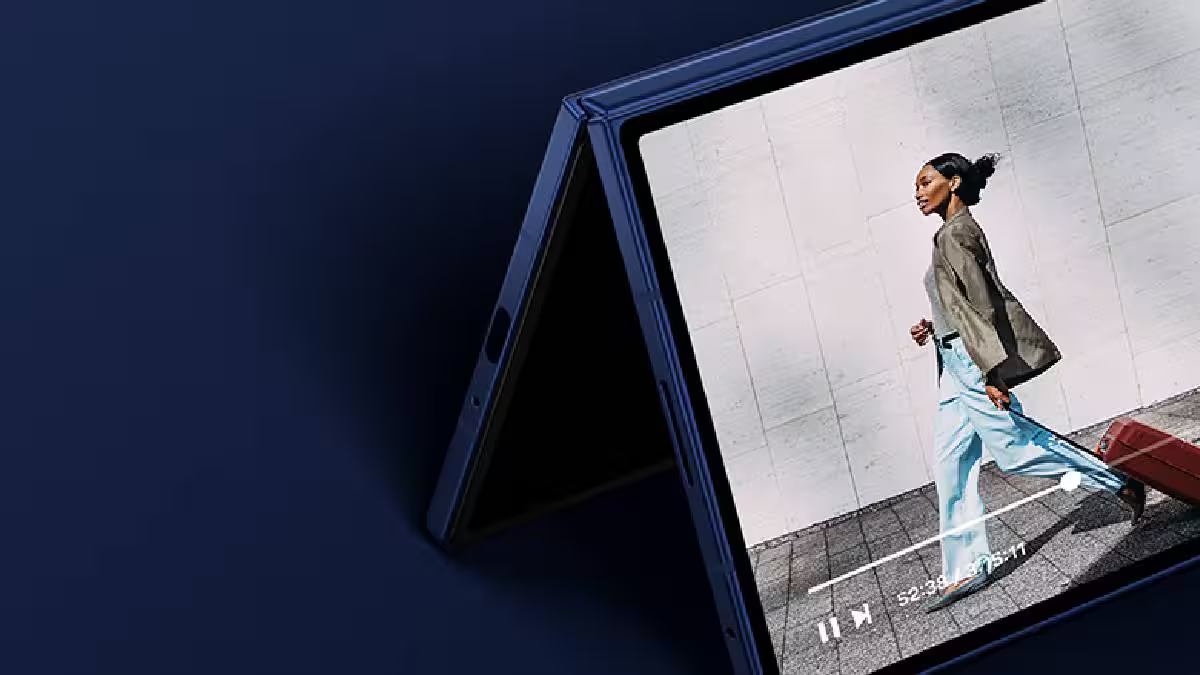
If there is one reason the Galaxy Z Fold 8 Ultra looks worthy of its label, it is the display upgrade. The leak points to a 6.5‑inch cover screen and an 8‑inch inner panel at 2504 x 2256, both running at 120Hz. That is a clear step up from the standard Z Fold 8’s 5.5‑inch outer display at 1972 x 1248 and 7.6‑inch inner panel at 2448 x 1848, which keeps the more traditional Fold footprint. According to the leaked comparison, the Ultra even aims to be slightly thinner when opened, at a reported 4.1mm versus 4.5mm for the regular model. The message is blunt: if you care about canvas size, the Ultra is where Samsung wants you to look. It is not just adding pixels for spec-sheet bragging rights; moving to a more expansive inner panel makes the Ultra better aligned with users who treat a Fold as a laptop replacement or a main reading device, while the Z Fold 8 stays closer to a compact phone-first experience.
Cameras: the Ultra becomes the content creation choice
Samsung’s clearest line in the sand between Z Fold 8 vs Z Fold 8 Ultra is the camera system. The leak lists the standard Fold 8 with a 50MP wide, 50MP ultrawide, and 10MP selfie cameras on both inner and outer screens. That is perfectly capable, but it is also conservative. The Ultra, by contrast, is described with a 200MP main sensor, a 50MP ultrawide, a dedicated 10MP 3x telephoto lens, and matching 10MP selfie cameras. The ultrawide jump alone—up from 12MP in last year’s Ultra to 50MP in this leak—signals a focus on higher-detail shooting beyond simple social snaps. Telephoto on a foldable has been an obvious gap for creators who rely on zoom for events, street photography, or travel. With that 3x lens reserved for the Ultra, Samsung is telling serious shooters and video-first users that the entry Fold is no longer the default option; the Ultra is the one built from the ground up for content work.
Battery, performance, and memory: the Ultra leans into endurance
The Galaxy Z Fold 8 display upgrade on the Ultra would be pointless without more power behind it, and the leak shows Samsung knew that. The Ultra is tipped to ship with a 5,000 mAh battery, up from the previous generation’s 4,400 mAh and larger than the standard Fold 8’s 4,800 mAh pack, while both models keep 45W wired charging. That extra capacity is not huge on paper, but paired with the same Snapdragon 8 Elite Gen 5 For Galaxy chip, it positions the Ultra as the safer pick for users who push their foldables all day with video, editing, and multi-window workflows. Memory options tell a similar story: the regular Z Fold 8 reportedly offers 256GB, 512GB, and 1TB storage, all with 12GB RAM, while the Ultra’s top tier combines 1TB of storage with 16GB RAM. In other words, if you plan to live in Samsung’s foldable ecosystem with heavy apps and large files, the Ultra is no longer marginally better—it is designed to be the endurance and capacity king.
Pricing, launch timing, and what this split means for buyers
The comprehensive specification breakdown arrives ahead of Samsung’s next Galaxy Unpacked event on July 22, 2026, where both phones are expected to be formally unveiled. The leak states that the Galaxy Z Fold 8 will start at €1,999, with the Galaxy Z Fold 8 Ultra beginning at €2,199, underlining that the larger screens, richer cameras, and higher-capacity battery are locked behind a clear premium. Availability is likely to follow soon after the announcement in global markets based on Samsung’s usual release pattern, though final details remain unconfirmed. Taken together, the two devices show a deliberate Samsung foldable comparison strategy: the Z Fold 8 becomes the familiar, more approachable book-style Fold, while the Ultra is the aspirational machine for people who want bigger displays and more advanced camera tools. Until Samsung confirms the details on stage, these remain leaks, but if they hold, the sensible conclusion is simple: buyers who care about screen real estate and imaging will need to factor the Ultra’s price jump into their plans, because the most meaningful upgrades are no longer shared across the line.