
Handheld Gaming Devices: Overview and Bottom-Line Take
Handheld gaming devices are portable gaming PCs that combine laptop-class processors, integrated graphics, and compact displays in a console-like form factor, letting you run modern PC games on the go without being tied to a desk or traditional home console setup. If you care most about price and flexibility, the Legion Go S offers the lowest entry cost and the widest choice of software; if you want maximum performance and battery life, the Xbox Ally X is the clear high-end winner; and if you value an OLED screen plus tight integration with the Steam store, the Steam Deck OLED remains appealing but is now hard to justify for budget-conscious buyers. Handheld gaming PCs remain a niche category, with around six million units shipped between 2022 and 2024, a rounding error next to traditional consoles. Yet rising memory component prices have pushed some models up sharply, reshaping which device offers the best value and forcing buyers to weigh raw power against cost.

Spec and Price Comparison: How Each Handheld Stacks Up
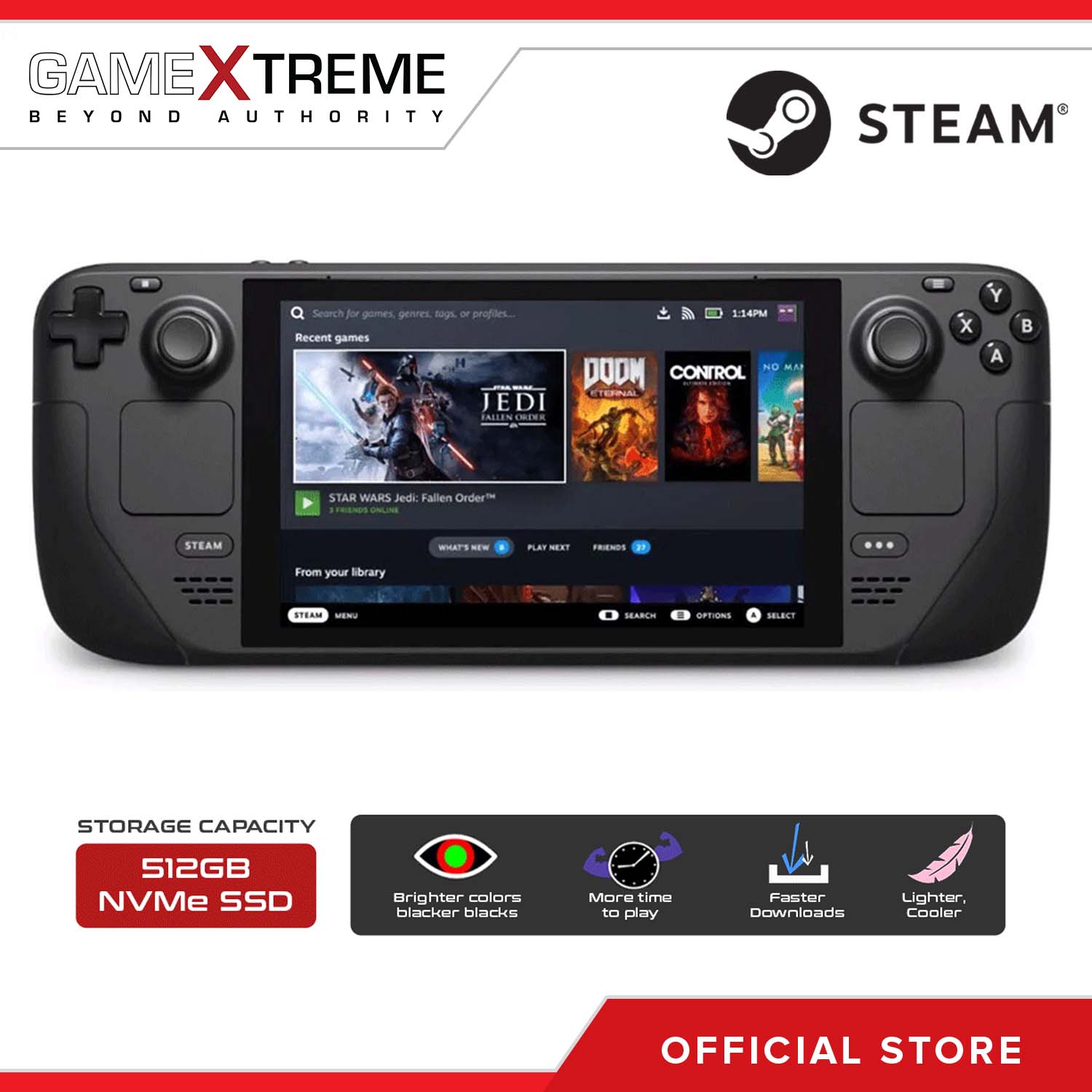
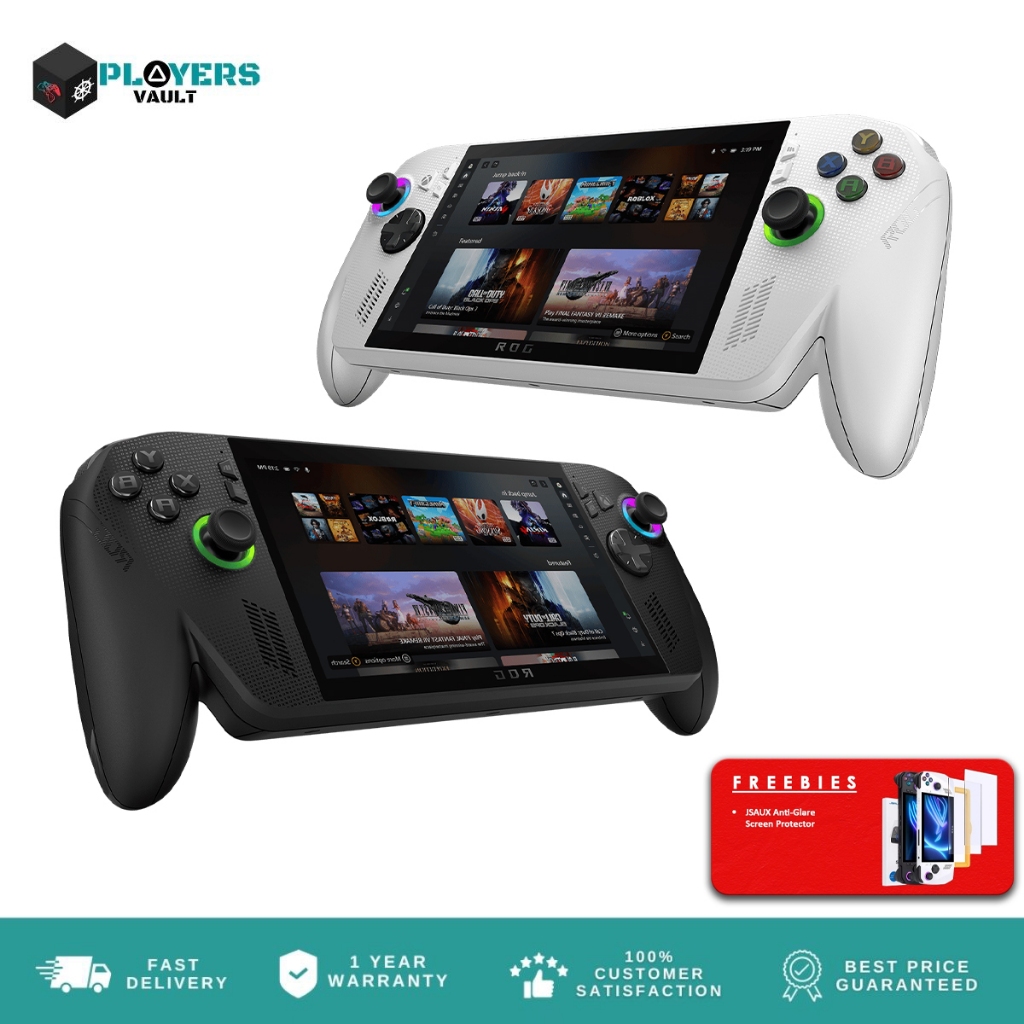
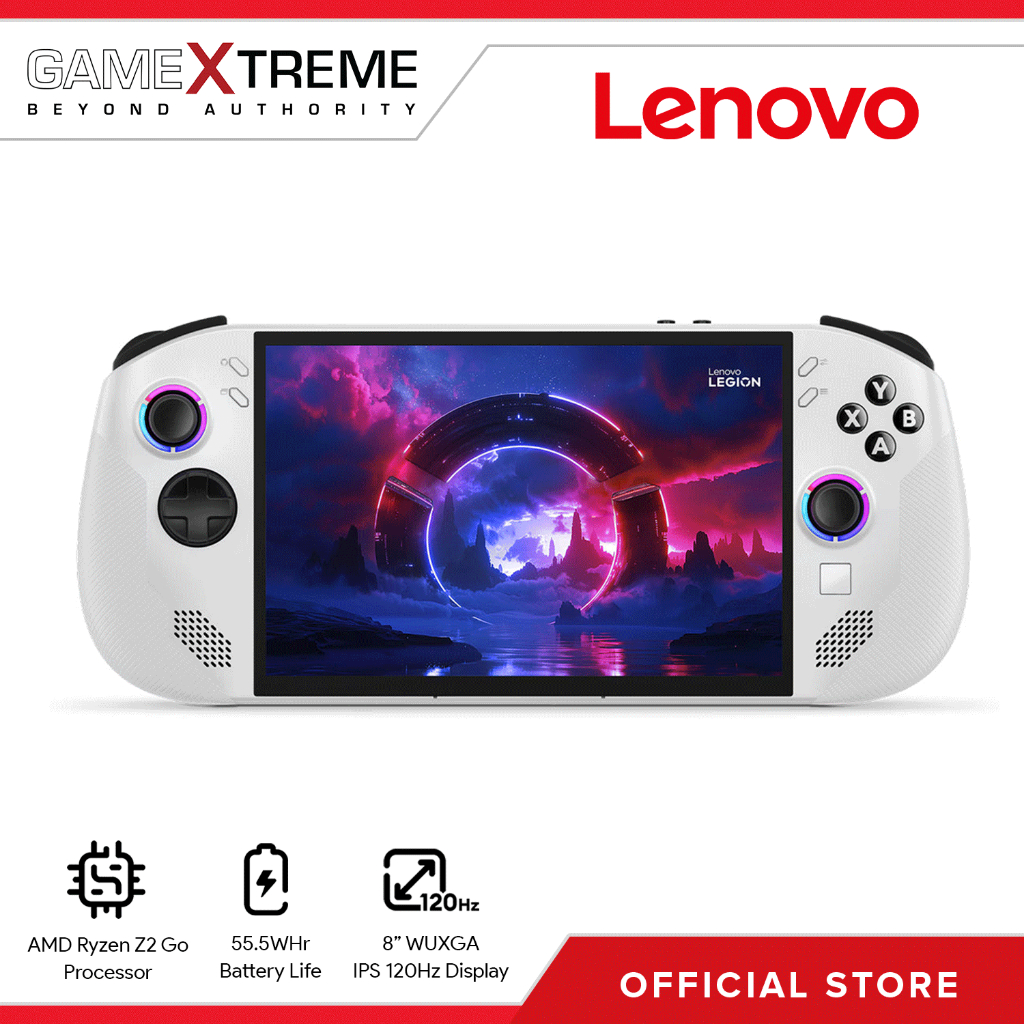
Viewed strictly as a gaming device comparison, each portable gaming PC sits in a distinct tier. The Steam Deck OLED starts at USD 789 (approx. ₱44,200) for 512GB and reaches USD 949 (approx. ₱53,200) for 1TB, after a major price hike tied to higher RAM and storage costs. The ROG Xbox Ally X lands at the top of the stack at USD 999.99 (approx. ₱56,000) but delivers the most powerful CPU and GPU plus more RAM. Lenovo’s Legion Go S undercuts both: its SteamOS 16GB/512GB configuration starts at USD 549.99 (approx. ₱30,800), creating a USD 450 (approx. ₱25,200) gap to the Ally X that defines the current value conversation. Spec sheets echo these price tiers. The Ally X is the performance leader, the Deck focuses on display quality and compact design, while the Legion Go S balances screen size, resolution, and operating system choice against a much lower price.
| Spec | Steam Deck OLED | ROG Xbox Ally X | Legion Go S |
|---|---|---|---|
| Starting price | USD 789 (approx. ₱44,200) – 512GB | USD 999.99 (approx. ₱56,000) – 24GB/1TB | USD 549.99 (approx. ₱30,800) – SteamOS 16GB/512GB |
| CPU / APU | Custom AMD APU, Zen 2, 6nm | AMD Ryzen AI Z2 Extreme, Zen 5, 8-core/16-thread | AMD Ryzen Z2 Go, 4-core, up to 4.3GHz |
| GPU | RDNA 2 integrated | RDNA 3.5, 16 compute units | RDNA 3.5, 12 compute units |
| RAM | 16GB LPDDR5X-8533 (102.4 GB/s) | 24GB LPDDR5X-8000 | 16GB or 32GB LPDDR5X |
| Storage options | 512GB / 1TB NVMe SSD | 1TB PCIe 4.0 NVMe, microSD support | 512GB / 1TB PCIe Gen4 SSD |
| Display size | 7.4-inch OLED | 7-inch IPS LCD | 8-inch IPS LCD |
| Resolution | 1280 × 800 | 1920 × 1080 | 1920 × 1200 |
| Refresh rate | 90Hz | 120Hz, FreeSync Premium | 120Hz, VRR |
| Battery capacity | 50Wh | 80Wh | 55Wh |
| Weight | 640g | ~715g | 730g |
| Operating system | SteamOS 3.x | Windows 11 Home with Xbox interface | Windows 11 or SteamOS (user choice) |
| Release timing | Launched November 16, 2023 | Launched October 16, 2025 | Windows model Jan 2025, SteamOS May 25, 2025 |
Performance and Display: Power vs Visual Quality
On paper, performance favors the ROG Xbox Ally X. Its Ryzen AI Z2 Extreme uses an 8-core, 16-thread Zen 5 CPU with a 16-compute-unit RDNA 3.5 GPU, a full generation ahead of the Steam Deck’s Zen 2 and RDNA 2 hardware and more capable than the Legion Go S’s 4-core Ryzen Z2 Go. Synthetic benchmarks and real-game FPS tests in titles like Cyberpunk 2077 and Elden Ring show the Ally X leading, with the Legion Go S closer to it than to the Deck in GPU-limited scenarios. In a quoteable synthetic example, one tester notes that a regular Xbox Ally scores 1834 in Time Spy versus the Steam Deck’s 1715, calling it “basically the same level of performance, which was once an argument against the Xbox Ally.” Display priorities differ. The Deck is the only handheld here with an OLED screen, giving it deeper blacks and better contrast at 7.4 inches, while the Ally X and Legion Go S use IPS LCD panels but counter with higher resolutions and 120Hz refresh rates for smoother motion. Lenovo also wins on size with an 8-inch, 1920 × 1200 panel that feels closer to a small tablet.
Battery Life, Software Experience, and Real-World Value
Battery and software shape how each handheld gaming device feels day to day. The Ally X’s 80Wh battery is the largest by a wide margin, and the company even markets it as offering “up to 2x battery life” over its base model, so heavy players who run games at higher frame rates will appreciate its endurance. The Steam Deck’s 50Wh pack and Legion Go S’s 55Wh battery mean shorter sessions before you reach for the charger, though exact runtime depends heavily on settings and game choice. Software ecosystems push value in different directions. The Steam Deck runs SteamOS and remains the only handheld built and sold by the same company that operates the game store you are likely to use, giving it a streamlined interface and strong first-party support. The Ally X runs Windows 11 with an Xbox-focused front end and comes with three months of Game Pass Ultimate, while the Legion Go S is unique in offering either Windows 11 or SteamOS pre-installed, appealing if you want to pick your own ecosystem without hacking the device.
Buy if / Skip if
- Buy the Legion Go S if you want the lowest-priced modern handheld gaming PC with a large, high-resolution display and the option to choose between Windows 11 and SteamOS out of the box.
- Skip the Legion Go S if you need the absolute highest CPU and GPU performance or the longest possible battery life from a single charge.
- Buy the ROG Xbox Ally X if you care most about top-tier performance, 120Hz gaming, and the biggest battery, and you are willing to pay the premium price for those advantages.
- Skip the ROG Xbox Ally X if your budget caps well below USD 999.99 (approx. ₱56,000) or you do not need eight CPU cores and 24GB of RAM in a handheld.
- Buy the Steam Deck OLED if an OLED screen, compact 640g design, and tight integration with SteamOS and the Steam store matter more to you than paying the new higher price.
- Skip the Steam Deck OLED if you’re a budget-conscious handheld gamer, because recent price increases to USD 789–949 (approx. ₱44,200–₱53,200) make it hard to recommend over cheaper or more powerful rivals.