
Our top pick: RTX 5070 is the sweet spot for most gamers
A graphics card price tracking guide is a structured, regularly updated overview of the best graphics card prices across current and previous GPU generations, using historical data and live listings to highlight genuine graphics card deals, expose inflated pricing, and help buyers choose the right GPU at the right time instead of guessing in a volatile market. Modern tools measure the lowest available price of each GPU week by week and compare it against launch MSRP, so you can see when a card is discounted or overpriced.
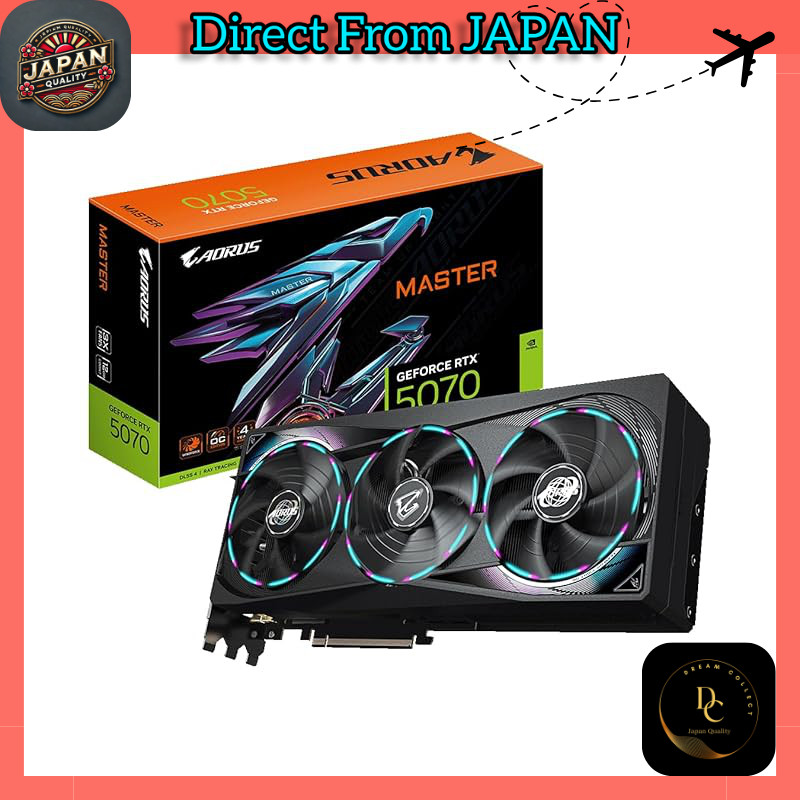
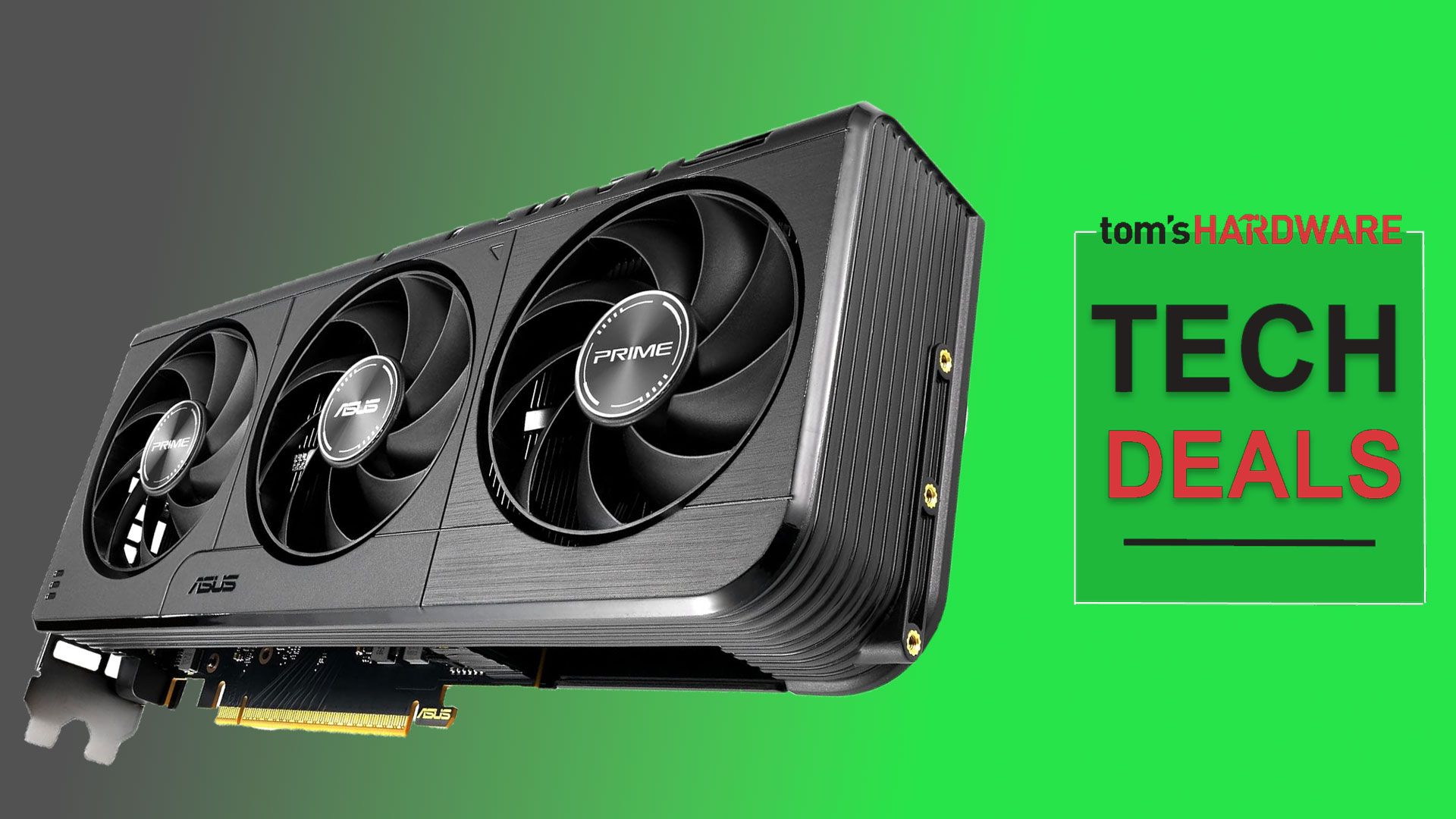
If you want one clear recommendation, buy the GeForce RTX 5070. It hits the current sweet spot between price and performance, and GPU price tracking shows it consistently sitting well below the painful high-end brackets. At around USD 560 (approx. ₱31,400), it undercuts premium cards that offer only modest gains yet cost hundreds more. You also get access to Nvidia’s latest Blackwell architecture benefits like improved ray tracing and DLSS 4.5 frame generation support on the wider 50‑series stack, which lifts performance in modern titles. For 1440p gaming and dabbling in ray-traced AAA releases, this is the one card that makes sense for most players who want strong, forward‑looking performance without slipping into luxury pricing.
Track Nvidia RTX 50-series prices to avoid overpaying
Nvidia’s RTX 50-series shows how GPU price tracking protects you from bad deals: week‑to‑week data reveals sharp jumps for high-end models while midrange cards stay closer to launch expectations. The flagship RTX 5090, built on the new Blackwell architecture with 32GB of GDDR7 VRAM, now sells at around USD 4,000 (approx. ₱224,000), far above its USD 1,999 (approx. ₱111,900) launch MSRP and any notion of value. That makes it a prestige product, not a sensible buy. According to one long-running GPU price tracker, “$4,000 for a GPU? Come on.”
Move down the stack and pricing looks far more reasonable. The RTX 5080 hovers near USD 1,250 (approx. ₱70,000) despite a USD 999 (approx. ₱55,900) MSRP, while the RTX 5070 Ti is commonly seen around USD 900 (approx. ₱50,400). Both are powerful, but current street prices often push them into diminishing returns. By contrast, the RTX 5060 Ti 8GB and RTX 5060 sit near USD 330–339 (approx. ₱18,480–₱18,950), giving strong 1080p performance with access to Nvidia’s ray tracing and DLSS features at far more manageable costs. Nvidia cards remain the best choice if ray tracing is a priority, though you generally pay more than for similarly fast AMD GPUs.
| Model | Typical tracked price | Launch MSRP | Key notes |
|---|---|---|---|
| RTX 5090 (32GB GDDR7) | USD 4,000 (approx. ₱224,000) | USD 1,999 (approx. ₱111,900) | Extreme performance, terrible value at current pricing |
| RTX 5080 | USD 1,250 (approx. ₱70,000) | USD 999 (approx. ₱55,900) | High-end, but price often too close to 5090 territory |
| RTX 5070 Ti | USD 900 (approx. ₱50,400) | USD 749 (approx. ₱42,000) | Great performance, but margins over 5070 often small |
| RTX 5070 (top pick) | USD 560 (approx. ₱31,400) | USD 549 (approx. ₱30,800) | Best blend of price, performance, and modern features |
| RTX 5060 Ti 8GB | USD 330 (approx. ₱18,480) | USD 379 (approx. ₱21,250) | Strong 1080p ray-traced gaming at a midrange price |
| RTX 5060 | USD 339 (approx. ₱18,950) | USD 299 (approx. ₱16,760) | Reliable entry to modern Nvidia features |
| RTX 5050 | USD 290 (approx. ₱16,240) | USD 249 (approx. ₱13,960) | Good for budget and esports builds |
AMD RX 9000-series: value play with big VRAM and strong raster
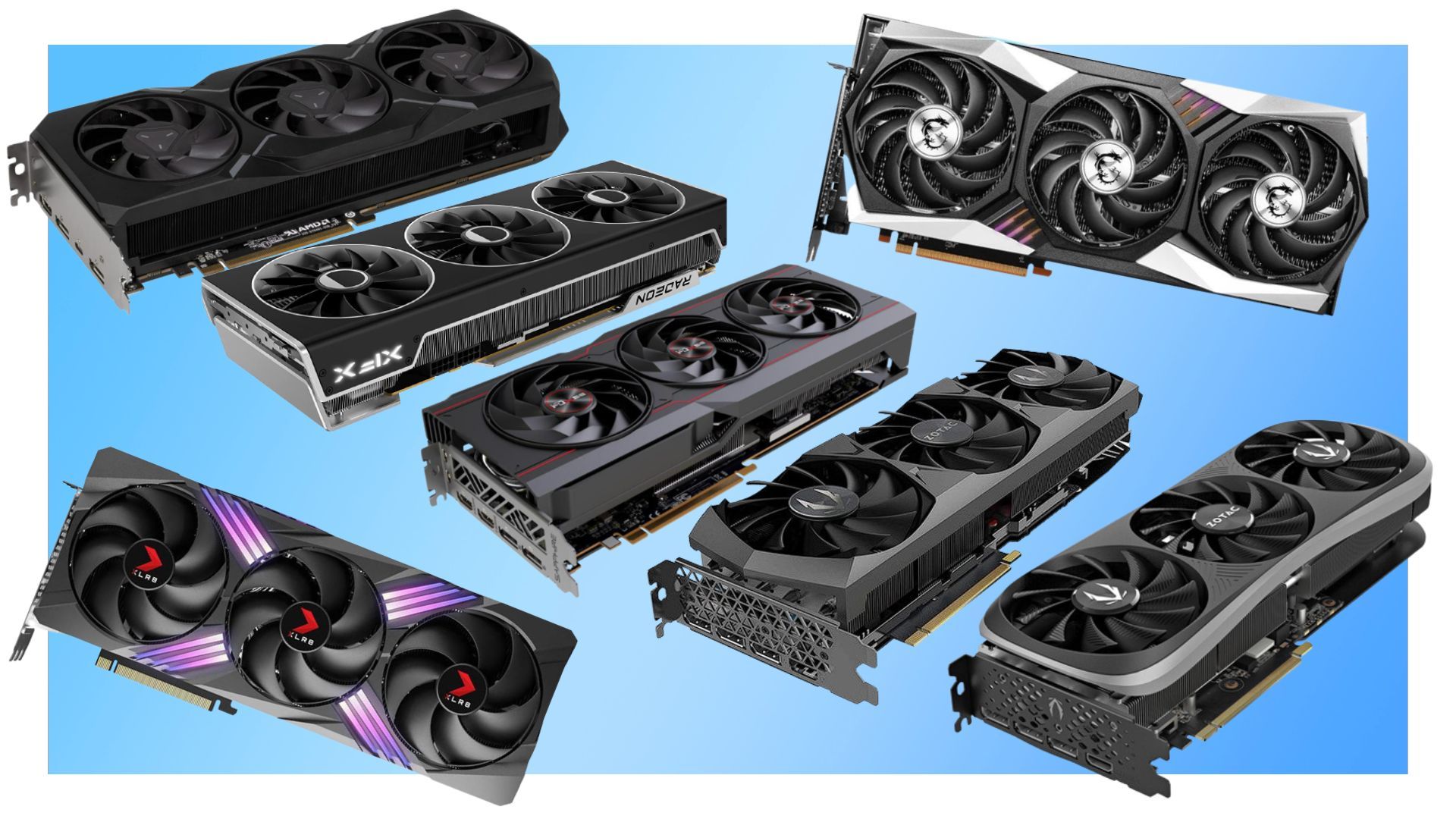
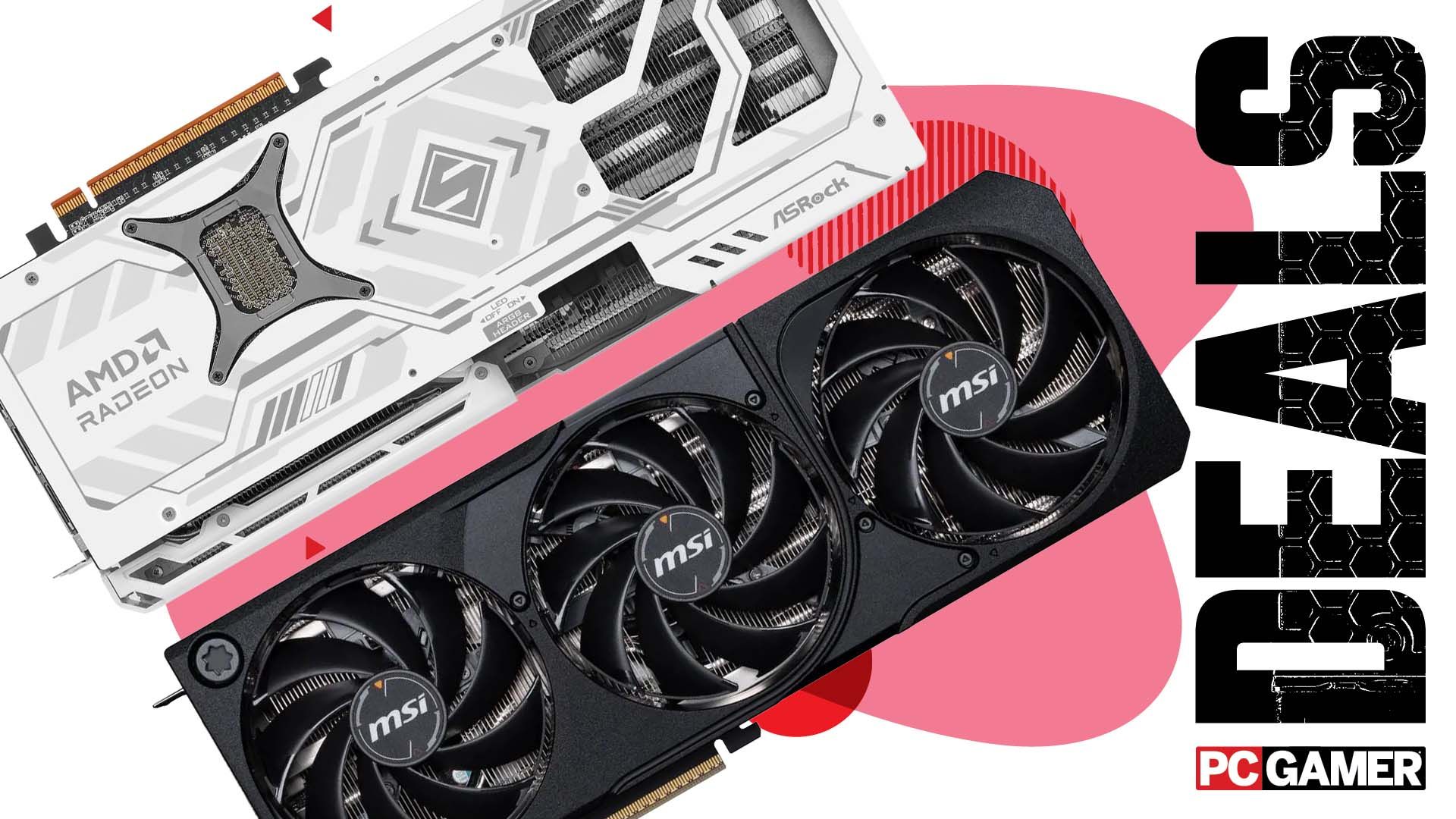
Price tracking on AMD’s RX 9000-series shows a different pattern: cards with generous VRAM and strong raster performance often sit in a more sensible bracket than their Nvidia rivals, especially below the ultra‑high‑end. The standout is the RX 9070 XT, which brings 16GB of GDDR6 VRAM for texture‑heavy games and a major generational uplift over RDNA 3, yet typically sells at around USD 700 (approx. ₱39,200). That puts it close to the RTX 5070 Ti’s tracked price while offering more memory at the same class of performance. AMD’s 7000‑series and onward are still a smart choice when you care more about raw compute than ray tracing flash.
Below that, the RX 9070 and RX 9070 GRE roughly map onto Nvidia’s midrange stack, with price parity creating real deal‑hunting opportunities. For example, you can see moments where a 16GB RTX 5060 Ti costs almost the same as a 12GB RTX 5070, making the latter the better buy if it holds that price. Similar cross‑brand gaps appear: the RX 9060 XT 16GB commonly tracks near USD 430 (approx. ₱24,080), with the 8GB version around USD 360 (approx. ₱20,160). Improvements to AMD’s ray tracing means these cards now perform far better in RT‑enabled games, though they still trail Nvidia overall for ray/path tracing workloads. If your focus is 1440p or high‑refresh 1080p without heavy RT, these are excellent alternatives.
Intel Arc and older GPUs: budget builds, used cards, and retro rigs
A complete budget GPU buying guide must cover the “forgotten middle” of the market: Intel Arc cards and older generations that now appear mostly in used listings. Intel’s Arc B580 and B570 hit a price band that Nvidia and AMD have mostly abandoned for new hardware. With tracked prices around USD 290 (approx. ₱16,240) for B580 and USD 250 (approx. ₱14,000) for B570, they suit 1080p gaming on a tighter budget and should not be discounted when planning a cheap build. If you track their prices over several weeks, you will see modest fluctuations instead of wild spikes, which makes it easier to identify genuine discounts rather than routine movement.
Older GPUs, especially RTX 40‑series cards now out of production, increasingly show up as second‑hand or ex‑mining hardware with erratic pricing. They can still be good options for retro gaming or ultra‑budget PCs if you are willing to accept the risks of previous heavy use and limited or no warranty. In this space, GPU price tracking matters even more: you need to compare used prices against current‑gen cards to see whether that apparent bargain is actually worse value than a new midrange model. Whatever you buy, stay vigilant about retailer listings—trackers warn that marketplaces often switch to third‑party sellers by default, so always check seller legitimacy before committing.
Buy if / Skip if
- Buy the GeForce RTX 5070 if you want the best balance of modern features, strong 1440p performance, and a tracked price that stays well below high-end luxury cards.
- Skip the GeForce RTX 5090 if you care about value, because current listings around USD 4,000 (approx. ₱224,000) make it a poor choice versus cheaper 50-series options.
- Buy the Radeon RX 9070 XT if you want 16GB of VRAM and big raster performance gains at roughly the same price level as rival mid‑to‑high‑end Nvidia cards.
- Skip the RTX 5080 if its tracked street price stays far above its MSRP, because it offers limited performance gains compared with cheaper 5070‑class GPUs.
- Buy the RTX 5060 Ti 8GB or RTX 5060 if you mainly play at 1080p and want ray tracing plus DLSS at prices closer to the mainstream bracket.
- Skip the older RTX 40-series cards if their second‑hand prices are close to or higher than new RTX 50‑series or RX 9000‑series GPUs.
- Buy the Intel Arc B580 or B570 if you are building a tight‑budget 1080p gaming rig and want the best graphics card prices in the low‑to‑mid tier.
- Skip the cheapest third‑party seller listings if GPU price tracking shows that reputable first‑party retailers offer similar deals without the risk of unreliable vendors.