
Our Top Pick: A Sensible Midrange Laptop, Not the Flashiest Spec Sheet
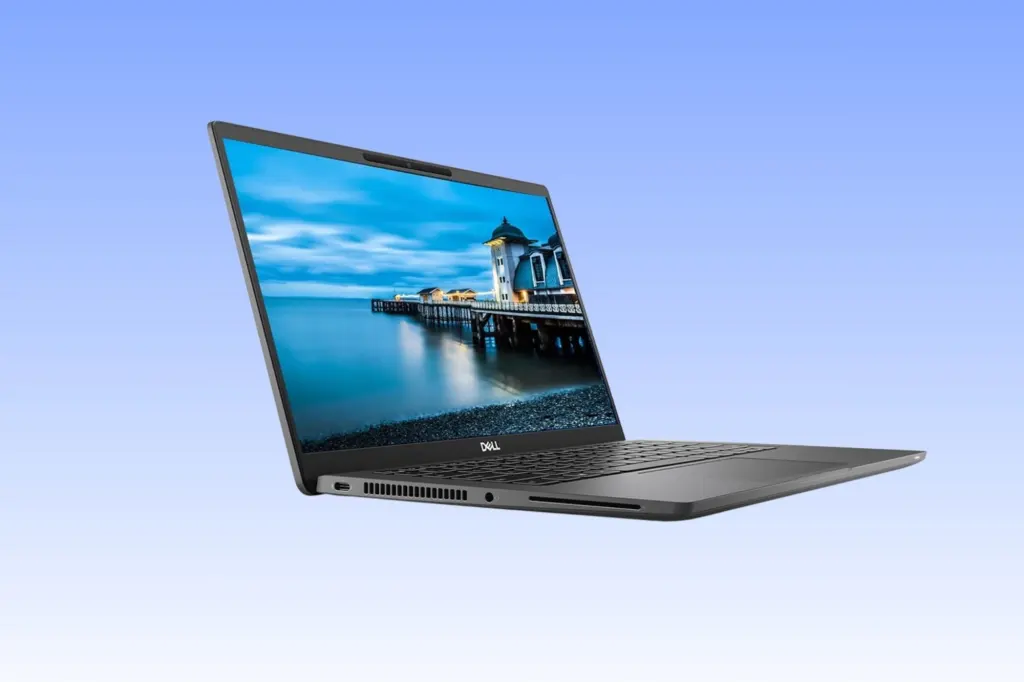
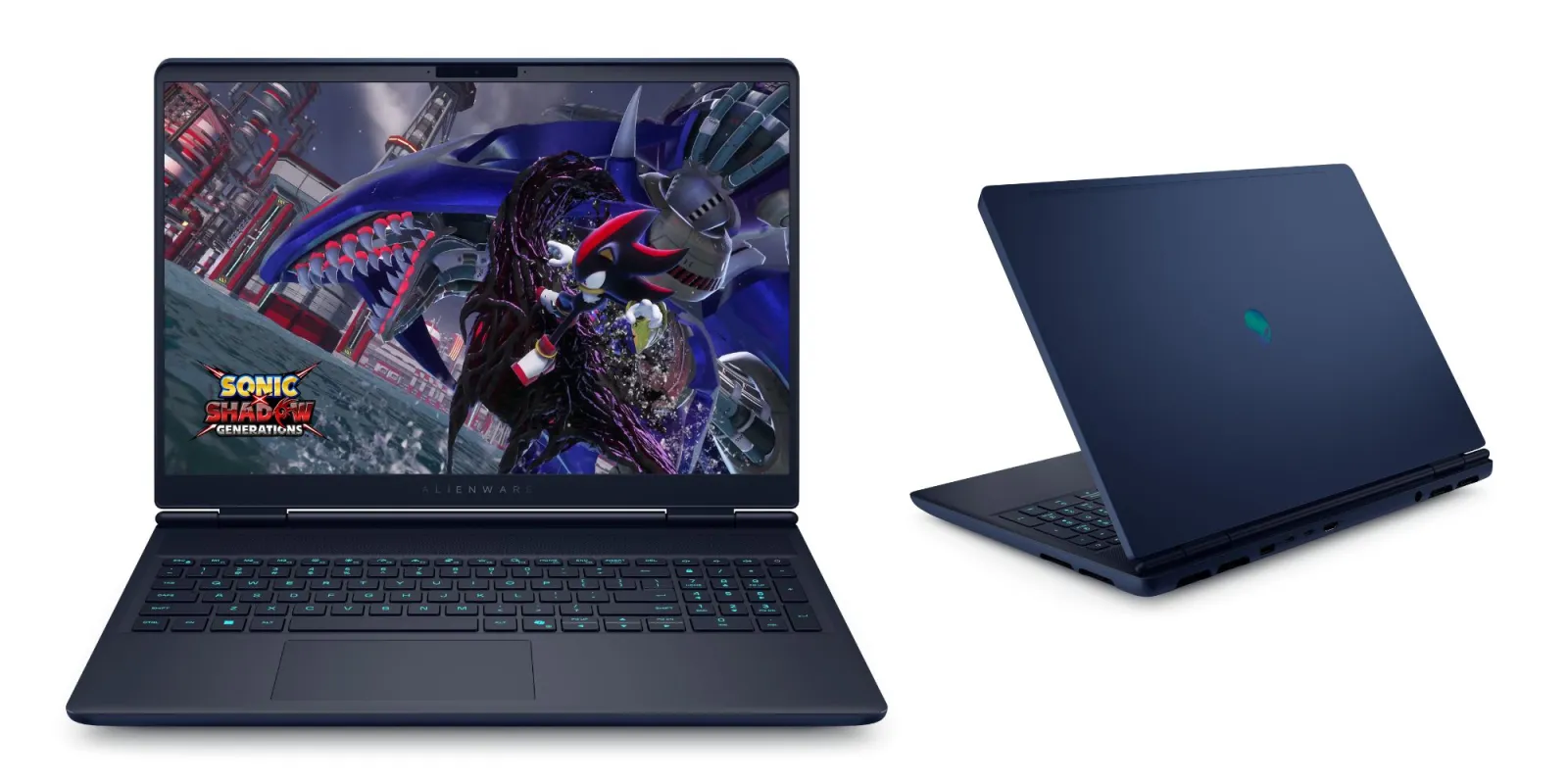
Laptop processor confusion is the growing problem of old CPUs in new laptops, unclear naming that hides reused silicon, and rising prices on popular configurations, all of which make it harder for buyers to compare value and avoid laptop buying mistakes when choosing a machine that fits their real needs instead of marketing labels. The best choice for most people in this messy market is a midrange Windows laptop around USD 1,114.44 (approx. ₱65,000) that hits the modern spec floor: 16GB of RAM, a solid-state drive, and a current processor family. This price tier avoids the worst compromises at the bottom while sidestepping the inflated price hikes hitting premium models like some Dell XPS 14 configurations, which have climbed up to 31 percent since launch. If you’re staring at a wall of near-identical machines wondering what still counts as a good deal, start with this midrange target and judge everything against it.

Why Laptop Prices Feel Broken: RAM Shortages, Old CPUs, and Fragmented Windows Models
The laptop price hikes 2026 buyers are seeing are mostly driven by a global RAM shortage, which has pushed brands to raise prices and quietly downgrade memory and storage to protect margins. According to one report, select Dell XPS 14 configurations are now up to 31 percent more expensive than at launch, with the entry model jumping from USD 1,599.99 (approx. ₱93,000) to USD 1,889.99 (approx. ₱110,000)." At the same time, microprocessor vendors are reusing old silicon and marketing it as new, especially in some mobile Ryzen lines based on designs dating back four years. That means you can pay close to USD 900 (approx. ₱52,000) for a Windows laptop built on a several‑year‑old architecture while a modern alternative costs USD 600 (approx. ₱35,000) and delivers newer technology. Add in dozens of overlapping Windows laptop families and fuzzy labels like AI PC or NPU, and the market feels fragmented and frustrating even to people who used to avoid premium brands on principle.
The Three to Five Specs That Decide Real Laptop Value
Every major laptop buying mistake this year boils down to paying for the number that’s easy to print instead of the experience you’ll live with. Ignore the AI PC and Wi‑Fi 7 logos; focus on the three to five specs that define real laptop value comparison. First, RAM: 16GB is the sane floor for most buyers, and 24–32GB is safer if you multitask heavily or plan to keep the machine for many years. Second, storage: an SSD is essential, and the drive should be large enough for your apps and files and replaceable if you outgrow it. Third, the screen: brightness, sharpness, and aspect ratio matter more than a slightly higher CPU clock speed you’ll rarely notice. Fourth, platform: choose between Intel, AMD, or Snapdragon based on the apps you use, not the most buzzworthy acronym. Finally, only pay for a dedicated GPU if you know you’ll use it; otherwise you’re buying extra heat and weight.
Old CPUs in New Laptops: When Reused Silicon Is Fine—and When It’s a Rip‑Off
Old CPUs in new laptops are not automatically bad; reused silicon can still deliver competent performance for everyday productivity. The problem is that microprocessor vendors and laptop makers often conceal how old those designs are, and price them like cutting‑edge hardware. Examples include mobile Ryzen chips where four "new" models are based on Zen 3+ designs from 2022, now four years old. Increasingly, the processor name conceals rather than clarifies, leaving buyers unsure whether a laptop is truly new or just a refreshed chassis around legacy silicon. In one comparison, modest Windows laptops using older Ryzen processors were selling for USD 900–1,000 (approx. ₱52,000–₱58,000) while similarly specced machines with modern CPUs cost around USD 600 (approx. ₱35,000)." Reused silicon is acceptable when the price reflects its age and your workload is light; it becomes a bad deal when you’re paying premium prices for architectures already several generations behind.
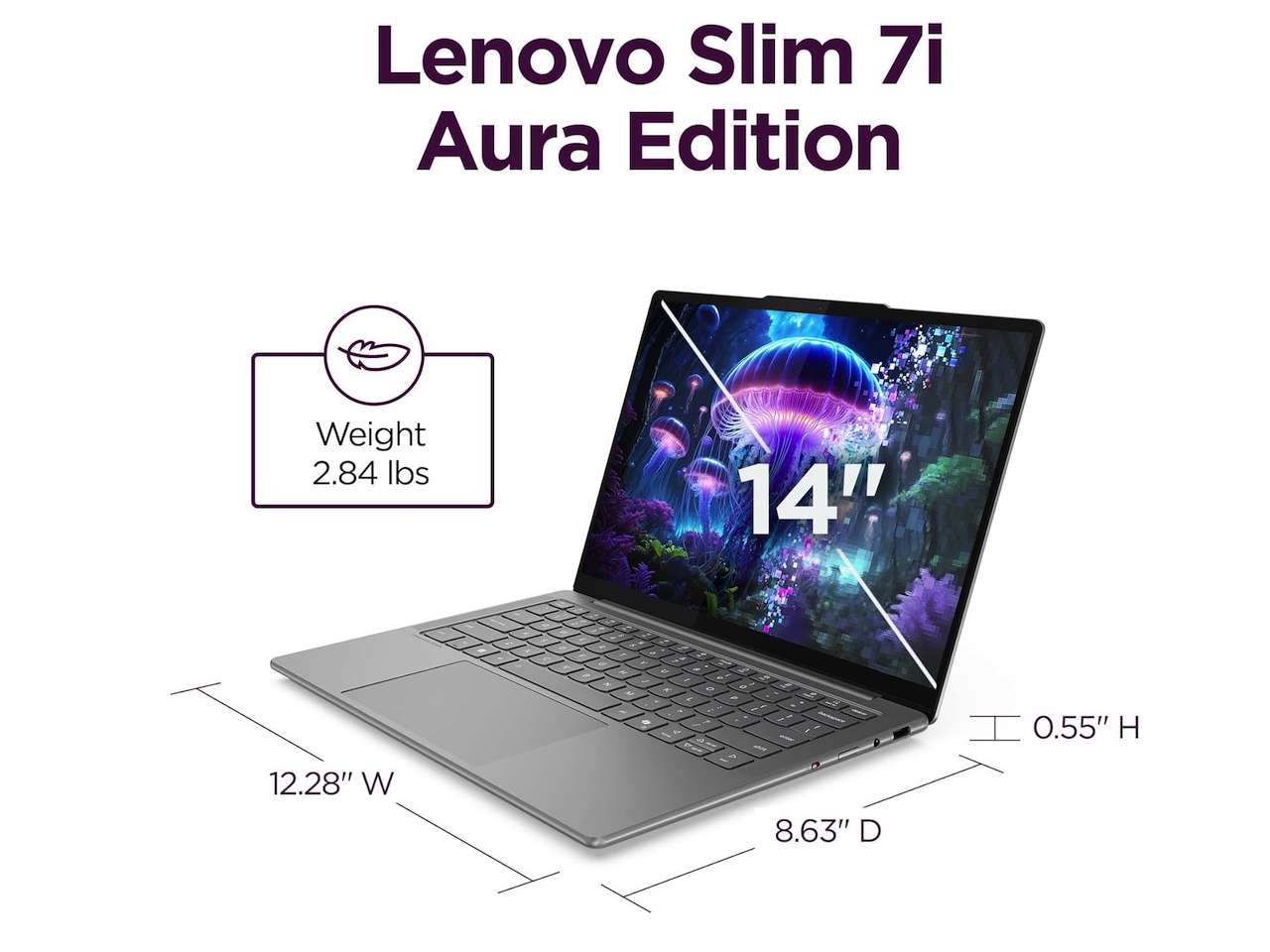
Buy if / Skip if
- Buy the midrange Windows laptop around USD 1,114.44 (approx. ₱65,000) if you want a balanced machine with 16GB RAM, SSD storage, and a current processor family instead of chasing the flashiest logo.
- Skip the premium Dell XPS 14 configurations if the recent price hikes push them far above your budget and you don’t specifically need their highest‑end CPU, GPU, and OLED options.
- Buy the laptop that fits your weekly workload—browsing, office apps, video calls—if you’re overwhelmed by near‑identical listings and need a safe default rather than the cheapest spec that clears checkout.
- Skip any laptop with 8GB of soldered RAM if you rely on many browser tabs, communication apps, and background tools, because you can’t fix that mistake later and it will feel tight fast.
- Buy the Windows laptop using a clearly labeled modern Intel or AMD CPU if its price undercuts similar models built on several‑year‑old architectures sold at a premium.
- Skip laptops marketed with vague AI PC or Copilot+ branding if their RAM, SSD, and screen fall below the practical spec floor you need for long‑term use.