

Specialized Mobile Apps Move From Sideshows to Center Stage
Specialized mobile apps are purpose-built products that tightly focus on a specific audience or use case, from microdrama entertainment to medical literature review, and they are increasingly displacing generic, one-size-fits-all platforms by tailoring format, features, and community dynamics to the needs of niche users. RoseBerry Media’s launch of epis, a direct-to-consumer vertical video app for microdramas and adapted television IP, and Eyes On Eyecare’s debut of Cited, a retina-focused research discovery and discussion app for eyecare professionals, are emblematic of this shift. These are not experiments at the edges of the app economy; they are strategic bets that narrow but passionate markets will sustain full-fledged platforms. The takeaway: the next wave of mobile innovation is less about reaching everyone and more about serving someone very specific, very well.
Epis Bets on Vertical Video Microdramas as Mobile-First Television
Epis is built on the premise that vertical video apps can deliver a television-grade experience tuned to how people use their phones today. The app launches with more than 100 titles of serialized microseries, each broken into 1–3-minute episodes that end on high tension to encourage swiping and continued viewing. RoseBerry Media has struck deals with major independent production and distribution players to verticalize long-form shows into bite-sized microdramas, using a proprietary 12-step, AI-assisted process to repurpose library content for mobile-first consumption. According to the company, the vertical microdrama market is already a $10 billion global opportunity, with near-quadruple revenue growth among leading platforms. That scale explains why epis supports multiple business models—transactional pay-per-episode, subscriptions, and ad-supported viewing—and why early users are reportedly spending up to 60 minutes per session. This is not casual scrolling; it is full sessions of mobile-native storytelling.
Cited Turns Retina Research into a Social, Swipeable Feed
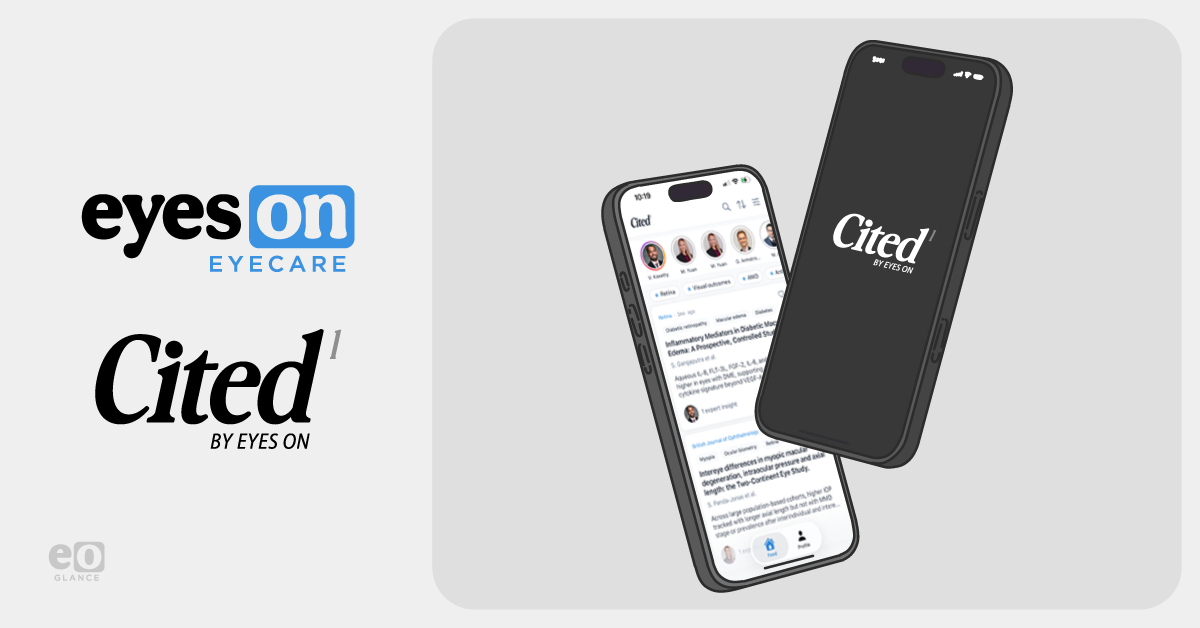
Cited is a medical professional app that treats retina research like social content because that is how clinicians now consume information. Marketed as “PubMed meets Instagram Stories,” the app offers a fast, swipeable feed of the latest peer-reviewed retina and ophthalmology papers, framed for consumption in short bursts between patients or on commutes. Each article comes with three elements: a plain-language AI summary, a direct link to the original source, and short video reactions recorded by practicing ophthalmologists. These KOL Stories—roughly 60-second perspectives on new data—transform passive reading into an active, social conversation about clinical relevance. For retina specialists, who make up the largest share of ophthalmology subspecialties and face a high volume of research to track, the value is obvious: filtered signal over noise, and a community space where expertise is expressed in the same vertical video format dominating consumer apps.
Niche Market Apps Thrive by Owning Format and Community
What unites epis and Cited is not their subject matter but their design philosophy. Both are niche market apps that solve specific problems mainstream platforms gloss over. Epis accepts that vertical viewing is now the primary way many audiences watch video and responds with curated microdramas across genres—true crime, reality, dating, factual entertainment, documentary, and more—built or adapted for that format. Cited starts from retina specialists’ daily reality: too many papers, not enough time, and little structured space for peer discussion. By pairing trusted summaries with candid commentary, the app “turns passive literature review into an active, social conversation” among the clinicians who treat these conditions. In both cases, the format—vertical video—and the community layer are not decorative features; they are the differentiation strategies. These apps win by choosing a narrow audience, then designing every interaction around how that audience lives and works.
The Future: Fragmented Platforms, Stronger Experiences
Epis and Cited hint at a future where our phones are less dominated by a few giant platforms and more populated by focused ecosystems built around clear needs. RoseBerry Media plans weekly title rollouts and at least 25 original vertical productions in its pipeline, along with dynamic mixes of ads, transactional access, and subscription tiers to match differing viewer habits. Eyes On Eyecare is framing Cited as “all the signal without the noise” for retina clinicians, a promise that will resonate across other medical subspecialties once they see how much easier focused apps can make staying current. The business logic is straightforward: niche users pay attention, spend time, and often pay money when products feel tailored to them. The more platforms lean into specialized mobile apps—whether vertical video apps for entertainment or tightly curated medical professional apps—the more the app economy will fragment, but the better the experience will be for the people each app serves.