
The New Android Reality: Fewer Brands, Pricier Phones
Android’s market squeeze describes the combined impact of rising smartphone memory prices, shrinking brand presence, and intensifying competition, which together are driving higher device costs, forcing exits like OnePlus from major markets, and concentrating power in the hands of a few dominant manufacturers while eroding the affordable, diverse value proposition that once defined the Android ecosystem. This isn’t a distant, abstract trend; it is already reshaping which phones you can buy and how much you will pay for them. When a long-standing enthusiast brand exits and the largest Android vendor stares down its first-ever quarterly loss, the message is clear: the economics of Android are shifting away from variety and bargain performance, toward consolidation and premium pricing. If you think your next upgrade will look like your last one, you may be in for a shock.
OnePlus Walks Away: A Symbol of Android Market Contraction
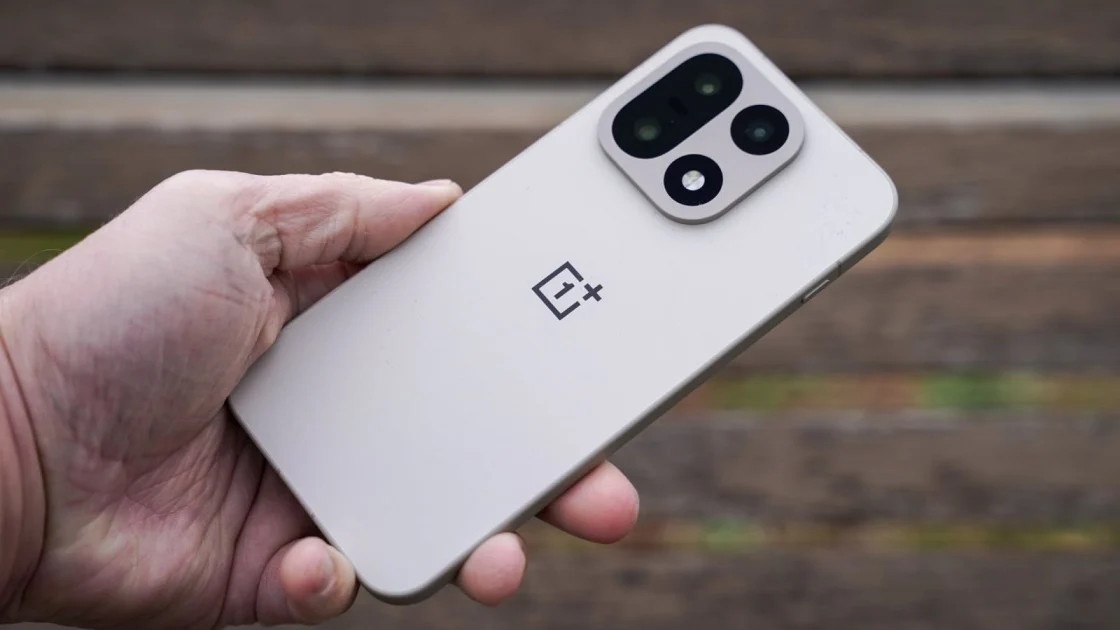
OnePlus has officially stopped selling smartphones in North America and Europe, ending new product rollouts and turning into a support-only presence for existing owners. For a brand that built its reputation on “never settle” hardware and clean, customizable software, this retreat is more than a business decision; it is a warning signal for the wider Android phone market challenges. The company once offered flagship-level performance at around USD 300 (approx. ₱16,800), giving enthusiasts an escape from the Google–Samsung duopoly. Losing that third option means buyers who wanted something different now face a binary choice. Worse, OxygenOS — a major reason people chose OnePlus — will be replaced by Oppo’s ColorOS when Android 17 ships, unless users explicitly opt out. Once again, consumer choice suffers as another phone maker punches out for good, and Android looks less like a diverse ecosystem and more like a game owned by a few giants.
Samsung’s Record Profit, Phone Division Pain
Samsung’s situation captures the contradiction at the heart of today’s Android economy. The company has issued earnings guidance for consolidated sales of about 171 trillion won and operating profit of roughly 89.4 trillion won, an all-time record and a 19-fold, 1,181% year-on-year jump driven by AI-related demand for high-bandwidth memory and tightening DRAM supply. Yet the mobile arm that builds Galaxy phones is projected to swing toward its first-ever quarterly operating loss, with estimates ranging from a modest profit to a USD 1.09 billion (approx. ₱61 billion) loss. The reason is blunt: Samsung’s chip division is charging premium prices for memory, and the phone division has to eat those costs. During the 2016 Note battery crisis, the mobile unit still stayed profitable; if it falls into the red now, that underlines how severe the smartphone memory prices shock has become.
How Memory Prices Break Android’s Value Story
The core of Android’s appeal has long been performance and flexibility at aggressive prices. The global memory-chip shortage driven by AI and data-center demand is attacking that foundation. In an USD 800 (approx. ₱44,800) phone, RAM’s share of the bill of materials has jumped from about 14% to about 23%, with NAND storage adding another roughly 15%. Broader reporting pegs mobile LPDDR5X RAM and UFS 4.1 storage cost increases at around 80–90% over 2025 levels in early 2026. Higher memory costs at the factory are a leading indicator of higher prices at the store — and not only for Galaxy phones. The same pressure making Samsung’s Mobile eXperience division flirt with losses also makes it tough for every Android vendor to maintain last year’s price points, especially in budget and mid-range tiers where a small component hike destroys thin margins. A storage bump can no longer be thrown in as a “free” perk; it must be priced in, and consumers will feel it.
Consolidation and What Buyers Face Next
The OnePlus US exit is not an isolated event; it sits alongside falling global smartphone shipments and shrinking share for smaller Android brands. Recent reporting shows shipments down 4% year-on-year, with Xiaomi, OPPO, and vivo all losing ground, while Samsung and Apple gain — a pattern linked to the memory shortage making cheaper phones harder to build profitably. When production costs spike and carrier support remains concentrated around a few familiar labels, niche players struggle to stay visible, let alone competitive. Existing OnePlus devices will still get updates, security patches, and honored warranties, and users can opt out of the ColorOS 17 transition if they choose. But that is cold comfort when the broader trend points to fewer options and higher prices. The uncomfortable takeaway is simple: as Android competition thins and smartphone memory prices surge, the market is consolidating around fewer winners — and consumers will pay more for less choice.