

Foldables Cross the $2,000 Line — and Redefine ‘Premium’
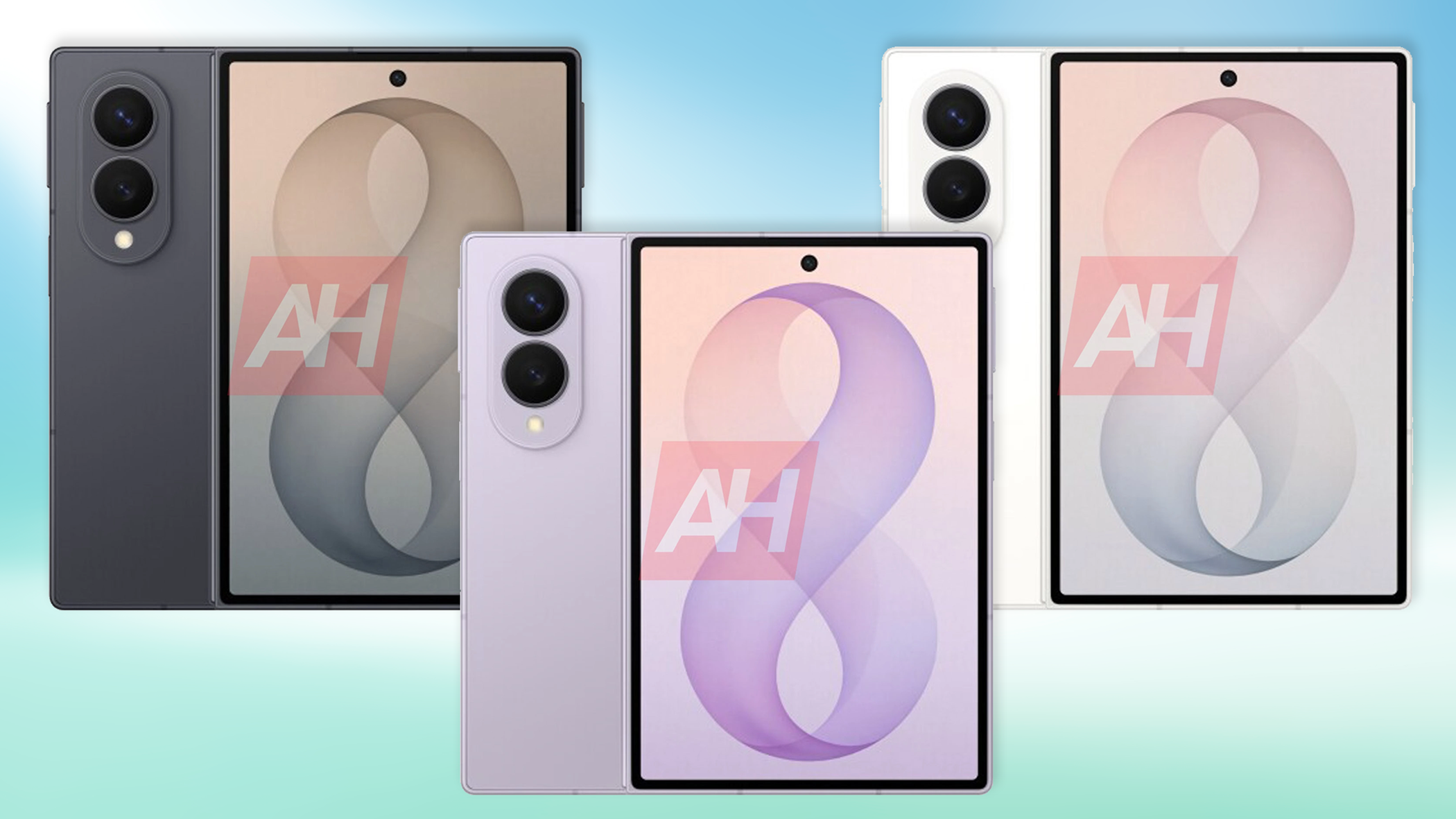
Foldable phone prices refer to the rapidly rising retail costs of next-generation foldable smartphones, driven by expensive memory components, complex hinges, and aggressive premium smartphone pricing that is pushing these devices beyond the reach of mainstream buyers. Samsung’s next wave of foldables makes that problem impossible to ignore. The Galaxy Z Fold8 Ultra is expected to debut at USD 2,099 (approx. ₱118,000) for the 256GB model, a historic breach of both the USD 2,000 line and the 3 million won barrier for a single smartphone. This is not a gentle nudge upward; it is the clearest signal yet that ultra-premium foldables have become a separate class of device. The question is no longer whether these phones can be made, but whether enough people will pay laptop-level money to own one.

Memory Costs, AI Servers, and the New Economics of a Fold
The sharp rise in foldable device expenses is not some vague inflation story; it is a direct side effect of the AI arms race. As big tech companies hoard high-bandwidth memory for AI servers, the supply of mobile DRAM and NAND flash for smartphones has been squeezed hard. According to Counterpoint Research, memory’s share of total smartphone manufacturing costs has jumped from 14% to 40%, while DRAM and NAND for the same model have surged from USD 63 (approx. ₱3,600) to USD 291 (approx. ₱16,400), a 4.6-fold increase. That kind of shock cannot be absorbed quietly. Manufacturers are passing the bill to buyers, which is why an Ultra foldable now crosses USD 2,000 instead of inching up in small yearly increments. In effect, AI data centers are silently taxing every high-end phone purchase.
Spec Creep as Justification: Better Hardware, Bigger Bills
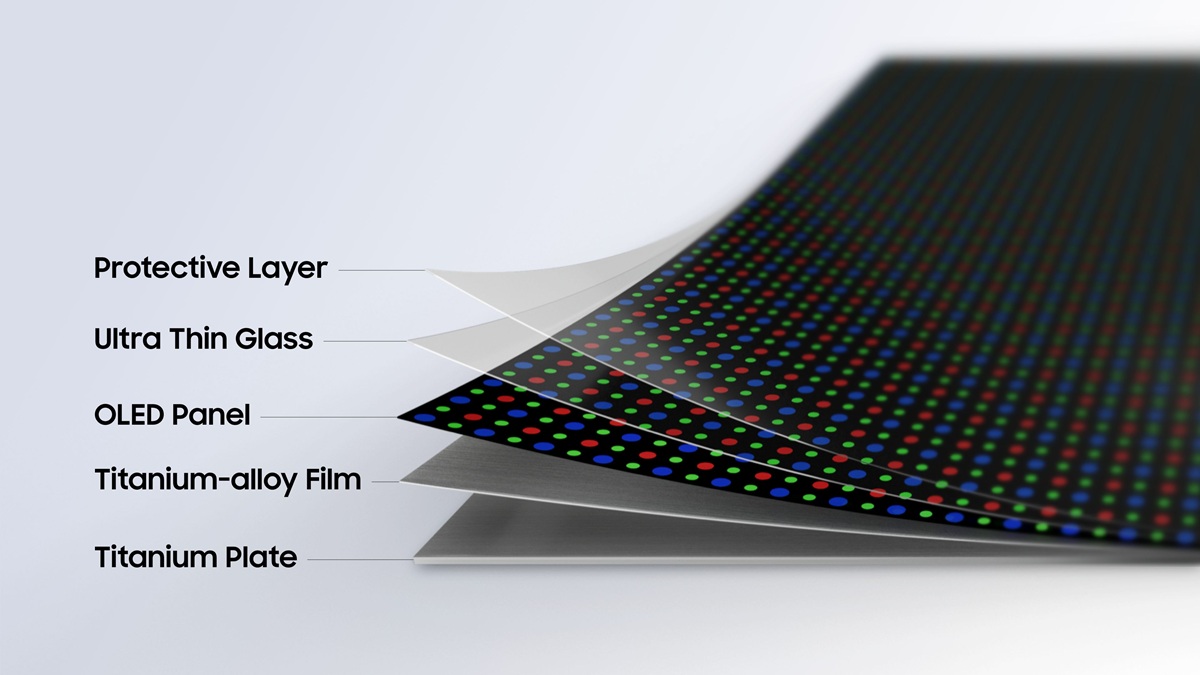
To soften the blow of record foldable phone prices, Samsung is leaning into a clear message: you are paying more because you are getting more. The new foldables are set to bring improved screen crease visibility, a 200‑megapixel‑class camera, and a larger 5,000mAh battery, while also boosting durability and processing power. On paper, that is the right direction. A book-style Galaxy Z Fold8, a wider “WideFold,” and the top-tier Ultra all aim to look and feel like a no-compromise tablet‑plus‑phone hybrid. But there is a limit to how far hardware upgrades can excuse the Galaxy Z Fold8 Ultra cost. When the 1TB Ultra variant is projected around 4.83 million won (approx. USD 3,263 / ₱183,000), roughly 1.9 million won more than its Fold7 counterpart, the upgrade story starts to sound less like innovation and more like survival pricing in a broken component market.
Ultra-Premium Consolidation Meets Consumer Fatigue
This is not only a Samsung problem; it is a structural shift in premium smartphone pricing. Apple has already raised prices on laptops and tablets, with its CEO comparing the cost surge in components to a “once-in-a-century flood” and signaling that the next high-end iPhone could climb by up to USD 200 (approx. ₱11,200). Chinese brands that once undercut rivals, such as Xiaomi and Oppo, are abandoning low-price strategies and lifting tags across new products. The result is a market consolidating around an ultra-premium foldable tier where all major players are drifting upward together. Yet consumers are not blind to this shift. Smartphone prices have climbed to laptop levels, and telecom insiders already see a higher “price resistance threshold” among buyers. Global smartphone shipments have fallen to their lowest level since 2013, as many people simply hold on to older devices instead of upgrading into this inflated tier.
Who Wins if $2,000 Becomes the New Normal?
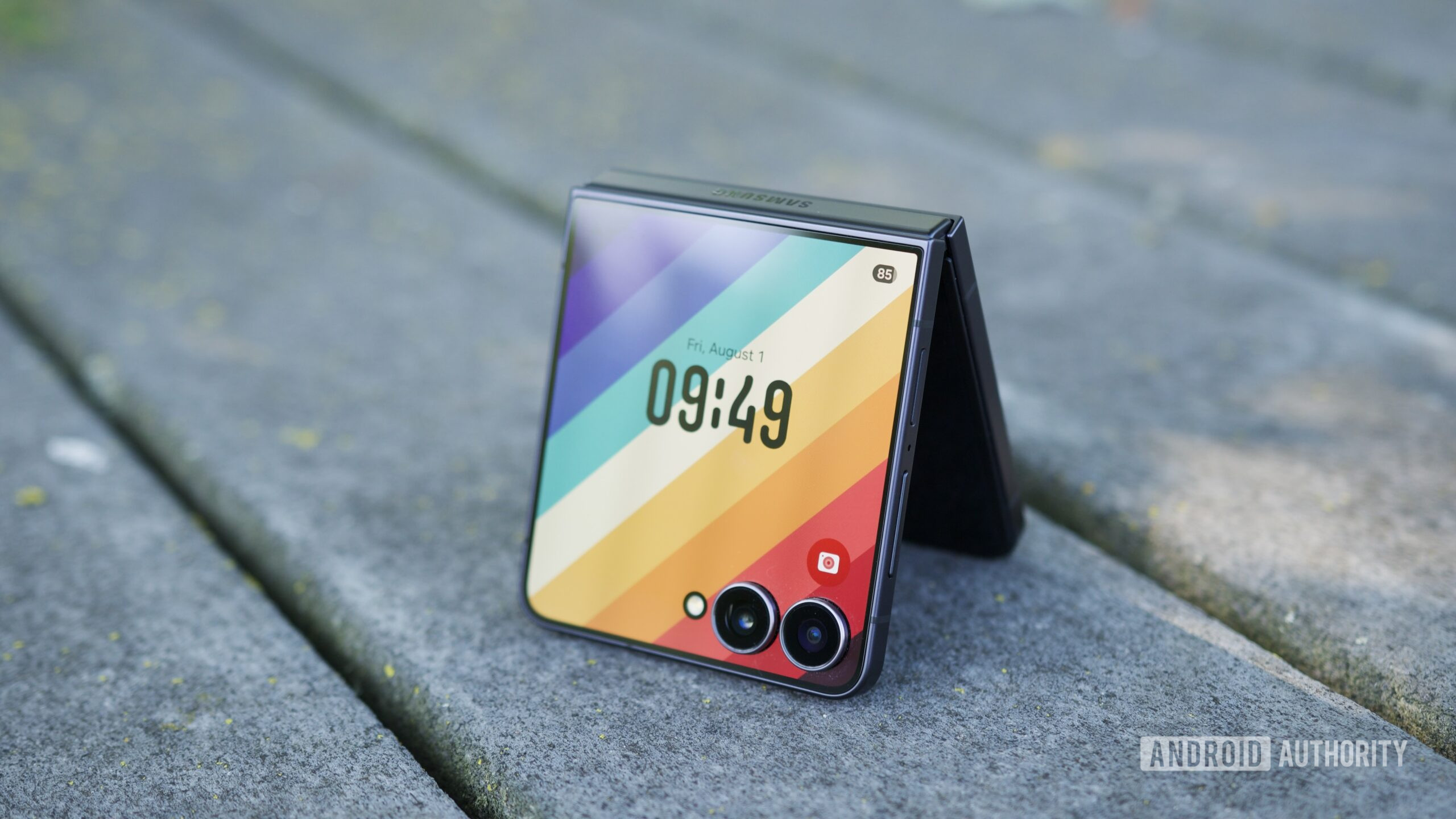
Samsung reportedly plans to ship 5–6 million units across the Galaxy Z Fold8, WideFold, and Z Flip8, with the Fold8 and WideFold carrying most of the expectations. That target assumes a stable base of buyers willing to absorb higher foldable device expenses in exchange for bleeding-edge hardware. But the hinge supply shuffle between KH Vatech and Huanli, and the emphasis on WideFold performance, also show how fragile the economics are beneath the glossy marketing. In the end, the success of this new price ceiling comes down to value, not novelty. Industry voices already warn that if performance improvements fail to match the higher cost, these prices could “backfire,” freezing demand even further. If USD 2,099 (approx. ₱118,000) becomes the standard ticket to cutting-edge design, the real winners may be the brands that dare to deliver folding innovation without treating AI-driven memory inflation as a permanent excuse.