
From Model-Centric Experiments to Controlled AI Pipelines
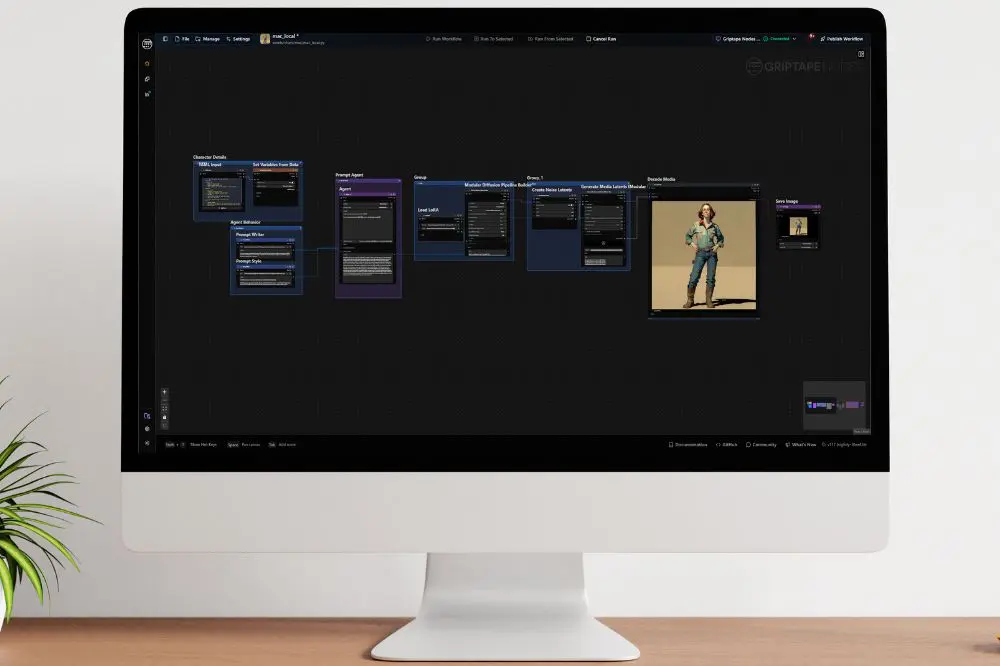
AI workflow orchestration platforms are software systems that coordinate multiple AI models, agents, and tools into reliable, governed pipelines so organizations can use machine learning in production with consistent performance, security, and compliance rather than isolated, one-off experiments. This is the quiet but important shift happening across enterprise AI platforms: the conversation is no longer about which model is smartest, but which stack can be trusted in production. Griptape Enterprise, recently announced as a new tier of the Griptape AI workflow orchestration platform for high-end media production, is a clear signal of this direction. Studios can run it on-premises or in private clouds, keeping sensitive IP, prompts, and training data inside their own security perimeter while still gaining the efficiency of multi-model pipelines. In other words, control, security, and compliance have become the headline features, not an afterthought glued on later.
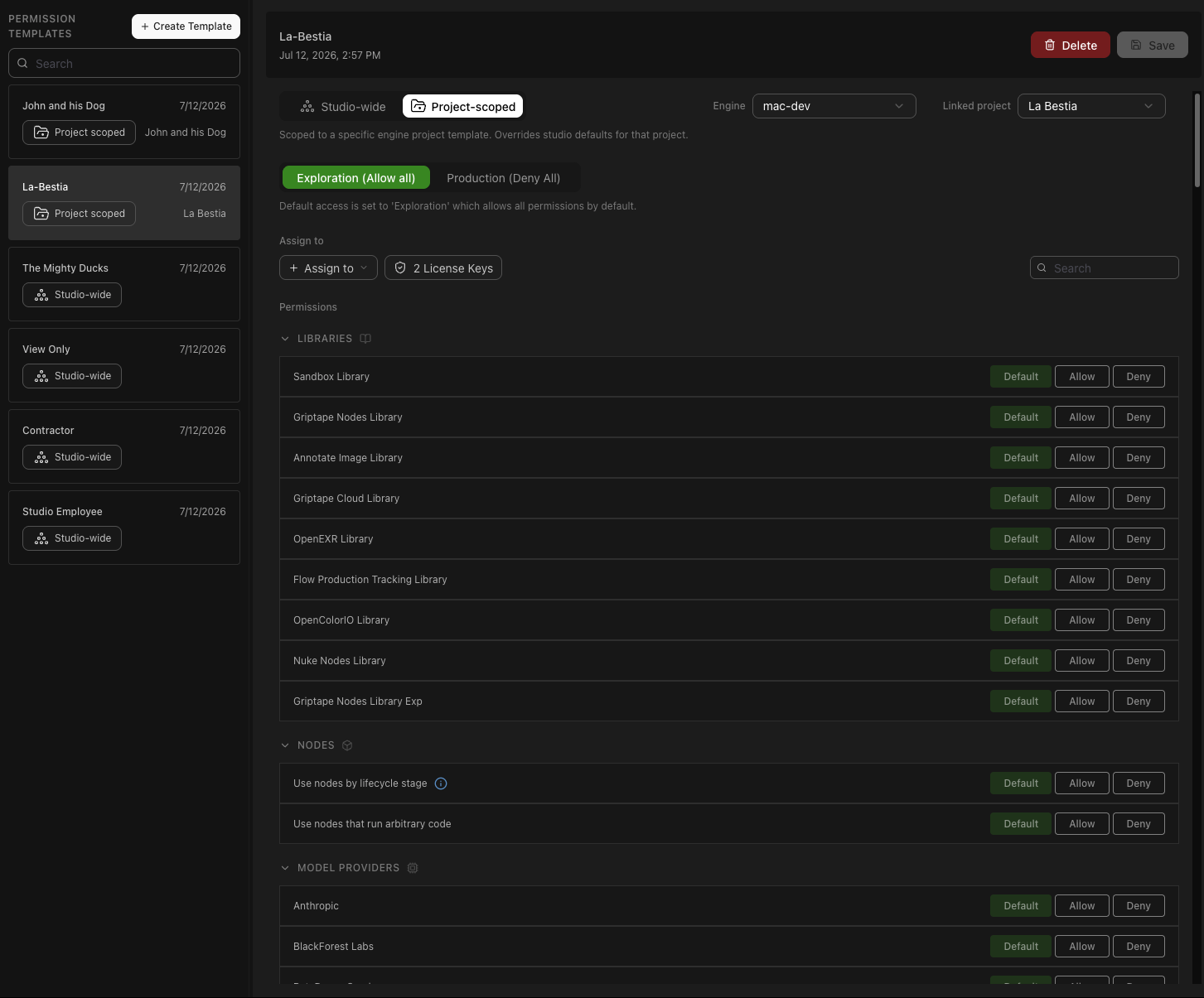
Griptape Enterprise: AI Orchestration Built for VFX Reality
The most telling thing about Griptape Enterprise is how un-flashy its selling points are — and that is good news for production AI systems. Instead of chasing novelty, the platform extends AI workflow orchestration with industry-specific needs: studio-grade plate and color management that understands image sequences like established tools and aligns color pipelines through OpenColorIO; show-ready project templates that lock in workspaces, naming, and versioning so shots reopen reliably even as tools evolve; and Nuke integration that lets technical directors publish AI-driven workflows back into familiar gizmos. These are not vanity features; they are the kind of governance and pipeline automation details that keep multimillion-frame shows from breaking. The introduction of advanced studio governance and commercially cleared infrastructure underscores a simple reality: any enterprise AI platform that ignores legal, security, and pipeline integrity in favor of raw model capability will be sidelined when deadlines hit.
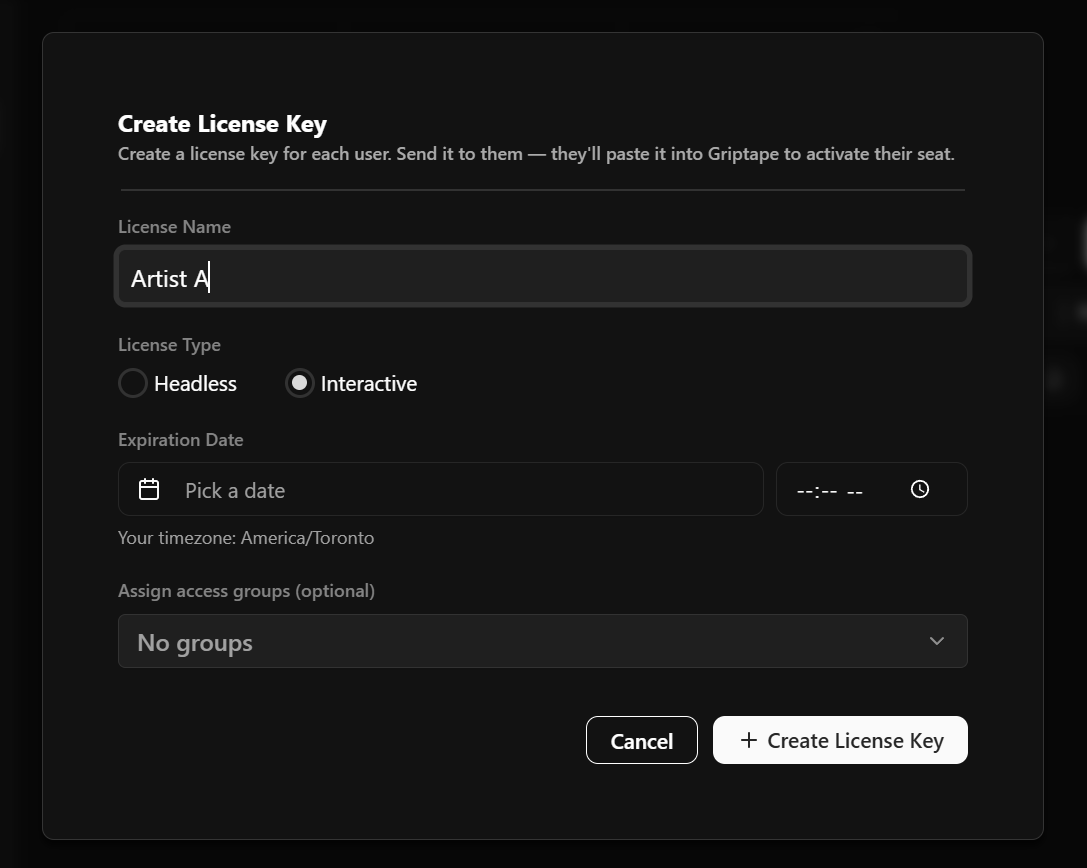
AI Orchestration Tools as the Missing Layer Between Models and Systems
AI orchestration tools are becoming the connective tissue between model potential and production-ready systems. The Griptape AI orchestration platform illustrates this by enabling artists and studios to coordinate multiple AI models and agents across creative tasks and technical operations like data and metadata management, all while retaining creative control. That balance matters: teams get AI efficiencies without surrendering pipeline ownership to opaque black boxes. At the other end of the stack, code-focused platforms such as DevSwat’s Code Analysis point in the same direction for software teams. This product turns large codebases into interactive maps, dependency graphs, and governance reports, combining scan, compare, trace, and agent workflows so teams can understand architecture, review changes, and act on issues in one place. Together, these kinds of tools show that the future of AI is not a single miracle model, but orchestration layers that give humans grip on increasingly complex automated workflows.
Why Enterprise AI Platforms Now Lead with Governance
If early AI adoption was driven by curiosity, the current phase is driven by risk. Griptape Enterprise introduces advanced studio governance, production-driven pipeline automation, and commercially cleared infrastructure to meet rigorous security and legal compliance demands. That is a direct response to studios that must protect sensitive IP, manage licensing, and prove they are not leaking data through uncontrolled prompts or models. Centrally managed licensing and permissions allow pipeline supervisors to curate which models artists use and how automated workloads touch assets, keeping environments aligned with studio standards. On the engineering side, interest in features like dashboards for tracking model drift and confidence scores shows that teams now care less about novelty and more about visibility when things go wrong in production. According to Foundry, the new license tier is about guiding high-end creative teams into AI-enhanced production in a safe and secure way — with artistry and craft at its core.
Conclusion: Production AI Systems Need Orchestrators, Not Experiments
The maturation of AI workflow orchestration marks a turning point: enterprises finally treat AI like a production dependency instead of a lab demo. Platforms such as Griptape Enterprise, with their focus on on-premises deployment, governance, and VFX-specific pipeline integration, show how targeted AI orchestration tools can turn fragile proofs of concept into production AI systems that meet real-world control, security, and compliance needs. Meanwhile, tools like DevSwat’s Code Analysis prove that similar thinking is reaching the code layer, where interactive maps and governance reports help teams manage growing AI-generated complexity. The takeaway for teams is blunt. If your AI strategy stops at choosing models, you are underestimating the problem. The real work — and the real enterprise value — lies in building orchestrated, observable, and governed pipelines where AI is one component, not the whole story.