
The new GPU paradox: newer cards, stranger prices
The current Nvidia GPU market is defined by pricing anomalies where newer Blackwell graphics cards sometimes cost the same as, or even less than, older-generation models, creating a paradox in which buyers must weigh raw performance against memory capacity, longevity, and confusing product overlap rather than expecting straightforward generational upgrades.
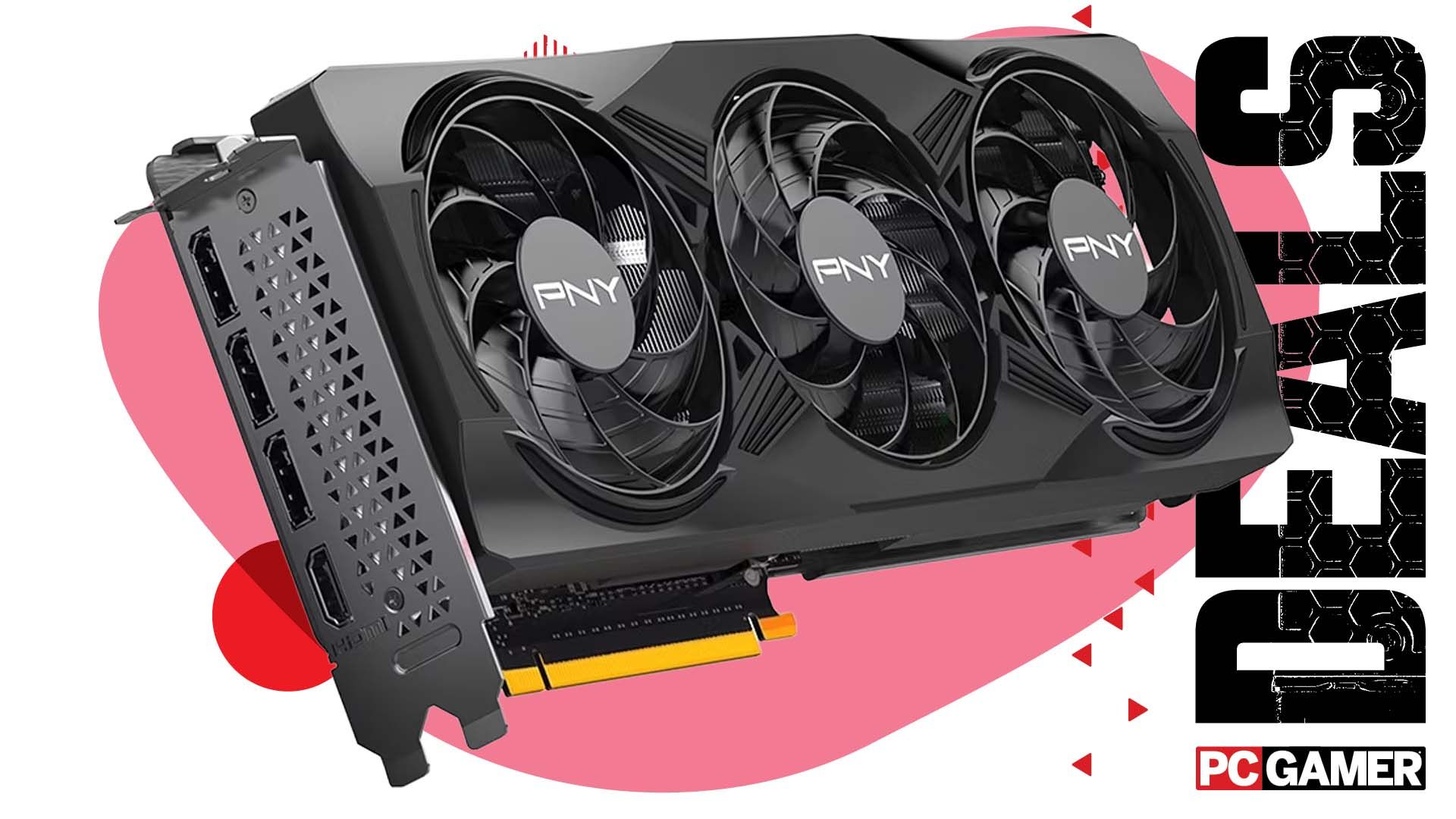
The headline problem is simple: the RTX 5070, a newer Blackwell mid-range GPU, can now be bought for the same price as an RTX 5060 Ti 16GB, a weaker card from the same generation. At USD 560 (approx. ₱32,500), a PNY RTX 5070 at Walmart sits only USD 10 (approx. ₱580) above its original MSRP and matches the cheapest RTX 5060 Ti 16GB on the market. That alone would be odd; stacked against the budget chaos below it, it looks like a symptom of a confused transition era.
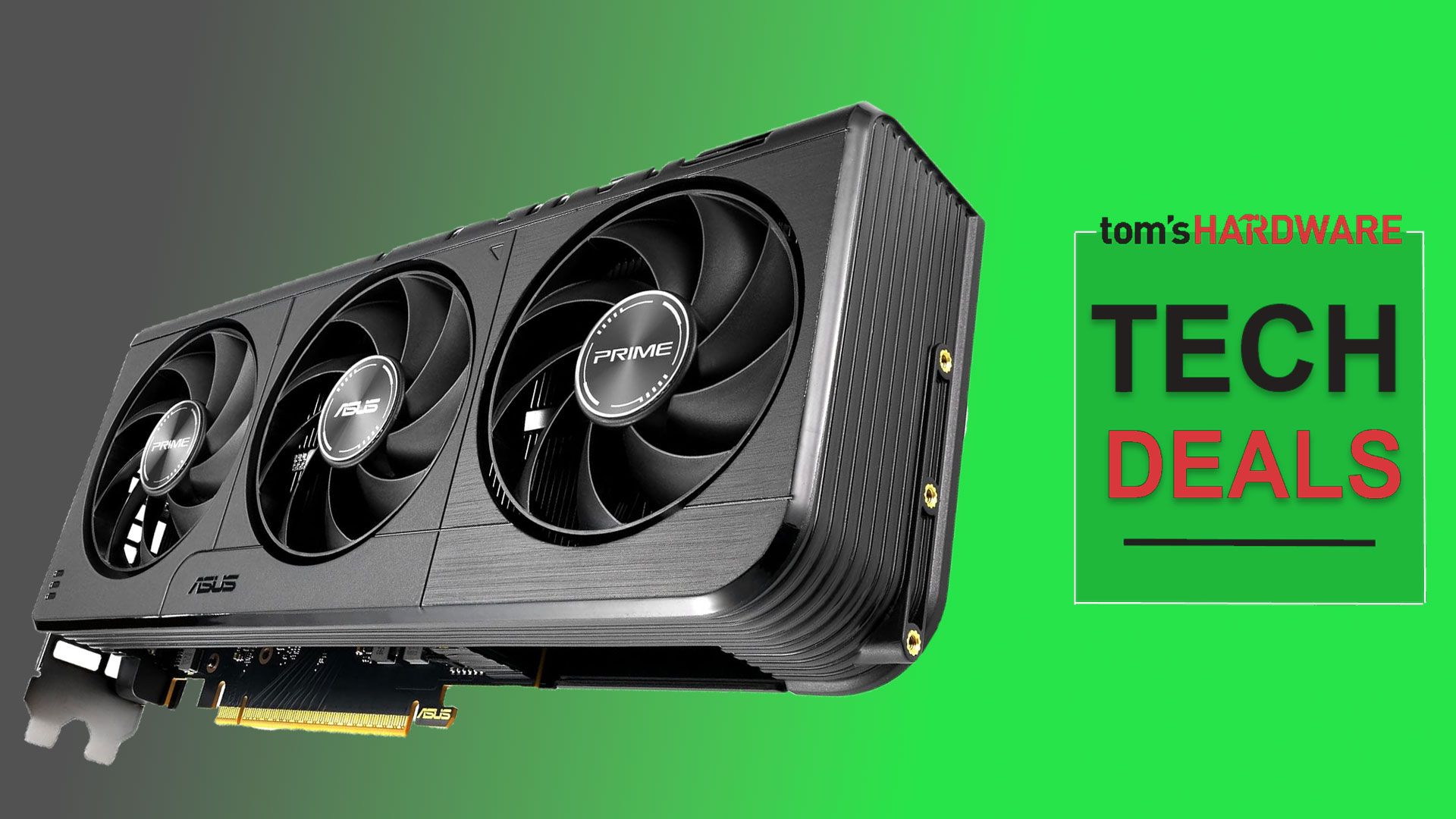
Down the stack, things get even weirder. The RTX 3060 12GB has reappeared at retail for its February 2021 launch price of USD 329 (approx. ₱19,100), despite being a five-year-old Ampere card, and yet it is being pitched as a better deal than Nvidia’s brand-new RTX 5060. Meanwhile, select Amazon Prime buyers can grab an Asus RTX 5060 for USD 301.62 (approx. ₱17,500), only USD 2 (approx. ₱115) above MSRP and cheaper than many of those resurrected 3060s.
RTX 5070 vs RTX 5060 Ti: mid-range logic has left the chat
The clearest GPU pricing anomaly in the mid-range is the RTX 5070 versus the RTX 5060 Ti 16GB. At around USD 560 (approx. ₱32,500), the RTX 5070 now shares a price tag with the cheapest RTX 5060 Ti 16GB on shelves, despite offering higher performance in most tested games and access to the same Blackwell-era feature set. When the faster card costs the same as the slower one, the product stack stops making sense.
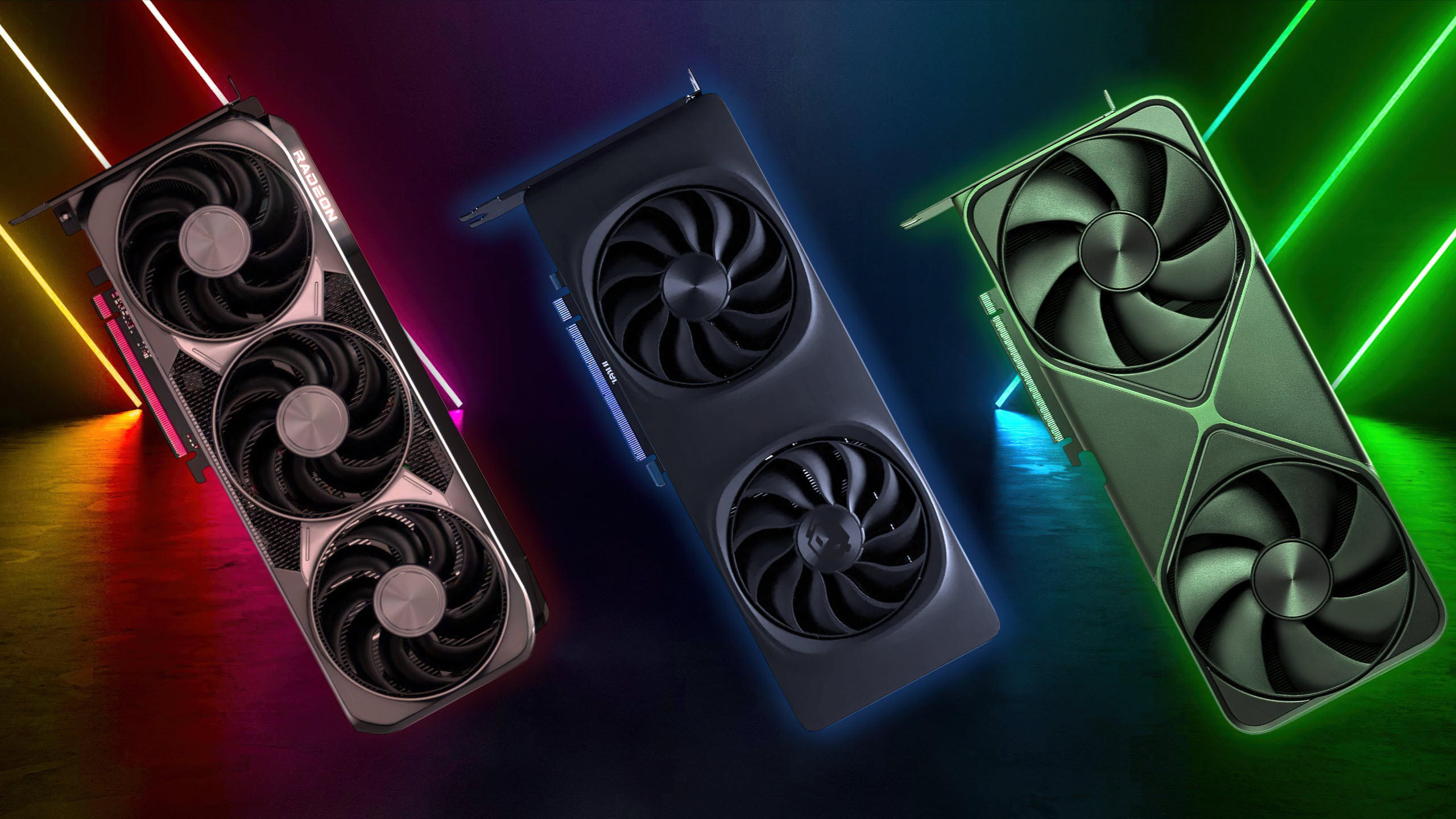
Benchmarks show the RTX 5070 consistently landing between an RX 9070 GRE and an RX 9070 in 1080p gaming, while the RTX 5060 Ti 16GB trails noticeably in frame rates across demanding titles like Cyberpunk 2077 and Metro Exodus. Yet both GeForce cards occupy the same USD 500–600 (approx. ₱29,000–₱35,000) band, in a crowded segment where four GPUs compete for the same buyer: RX 9070 GRE, RTX 5060 Ti 16GB, RTX 5070, and RX 9070.
The blunt truth is that the RTX 5060 Ti 16GB has “no business” living in the same price bracket as the faster RTX 5070 beyond its VRAM advantage. For most players, especially those who prefer Nvidia’s ecosystem or have what one reviewer calls an “unreasoned antipathy” toward competing GPUs, the RTX 5070 has quietly become the mid-range GeForce sweet spot. Quote-worthy: the statement “the RTX 5070 is your best bet for a GeForce graphics card, especially now that Walmart is selling a PNY RTX 5070 for USD 560 (approx. ₱32,500)” captures how pricing has finally turned a previously underwhelming product into a solid deal.
Budget chaos: RTX 3060 versus RTX 5060 in the real world
At the budget end, Nvidia’s line-up shows even sharper contradictions. The RTX 3060 12GB has re-entered retail at its original USD 329 (approx. ₱19,100) MSRP, a throwback to early-2020s pricing that “feels like the last five years of GPUs simply never released.” Despite being slower, this five-year-old card is argued to be a better buy than the modern RTX 5060 because of its 12GB VRAM buffer and wider versatility.
On paper, the RTX 5060 should win every budget GPU comparison. It can outperform the RTX 3060 by 40–60% depending on the game, benefits from newer Blackwell architecture, updated encoders, and full access to current frame generation features. Another source calls it “some of the strongest bang for the buck of any graphics card of its class,” thanks to DLSS 4.5 and frame generation when VRAM limits are not exceeded. Yet the 8GB memory pool becomes an Achilles’ heel for workloads that go beyond basic gaming, especially as textures and AI tools grow more demanding.
The recently reintroduced RTX 3060 12GB now sells between USD 329 and USD 359 (approx. ₱19,100–₱20,800), while that Asus Prime RTX 5060 deal comes in at USD 301.62 (approx. ₱17,500). This means a current-gen Blackwell card can undercut a legacy Ampere GPU on price, but the older card still promises “a degree of versatility and longevity” in VRAM-heavy tasks, local AI inference, and light productivity that no other budget Nvidia card can match right now. In other words, performance leadership and value proposition have finally decoupled.
Nvidia graphics card deals or inventory clear-out?
So why is this happening now? The short answer is that we are watching the collision of two hardware economies. The resurrected RTX 3060 sits on mature Ampere silicon with GDDR6, a memory type less distorted by the AI boom than the GDDR7 used in new Blackwell cards. That puts it in a different cost structure and likely makes it attractive for manufacturers to run or restart batches as stopgaps while next-gen inventories and yields stabilize.
At the same time, the broader market for affordable upgrades has been “barren” even during big sales events. When a Prime-only deal on an Asus RTX 5060 at USD 301.62 (approx. ₱17,500) appears, it stands out as one of the few credible Nvidia graphics card deals, undercutting what many retailers ask for a five-year-old RTX 3060. Meanwhile, mid-range prices leaning back toward MSRP—like the RTX 5070’s current USD 560 (approx. ₱32,500) pricing—show how far we are from the era when GPUs regularly dropped well below their launch prices.
These are “more signs of market regression,” as one commentator puts it, but not necessarily bad news. The chaos looks a lot like inventory clearing during a messy Blackwell transition: retailers balancing leftover stock, partner boards experimenting with re-runs of proven chips, and buyers caught in the crossfire of overlapping generations. If you feel confused, you should—that confusion is baked into the current pricing strategy.
How buyers should respond to Nvidia’s pricing anomalies
For buyers, the lesson is to stop assuming that newer and higher-numbered automatically means better value. Today’s GPU pricing anomalies reward homework, not blind loyalty. If you want the best mid-range GeForce experience per dollar, the RTX 5070 now makes far more sense than the RTX 5060 Ti 16GB at the same price. If your workloads lean into VRAM-heavy gaming, AI, or productivity on a tight budget, the resurrected RTX 3060 12GB can still be the smarter play than an 8GB RTX 5060—provided you find it near its USD 329 (approx. ₱19,100) mark.
On strict budgets, that Asus RTX 5060 around USD 301.62 (approx. ₱17,500) is a rare example of a modern Blackwell card priced where it should have launched. But you should weigh it against both the RTX 3060’s extra memory and AMD’s RX 9060 XT 8GB, even if the latter is hard to find near its notional USD 299 (approx. ₱17,300) price. The crowded USD 500–600 (approx. ₱29,000–₱35,000) bracket, in which four GPUs vie for your cash, only underlines how odd this generation’s segmentation has become.
In the end, Nvidia has let the market send mixed signals: old cards relaunch at launch prices, new ones undercut them, and mid-range SKUs sit on top of each other. That confusion is your leverage. Ignore the generation labels, compare price, performance, and VRAM for your exact needs, and treat every “deal” with skepticism until the numbers prove it.