
The default browser era is ending
Opera’s recent surge in mobile usage shows that users are turning away from preinstalled browsers like Chrome and Safari toward mobile browser alternatives that promise privacy, features, and genuine choice instead of passive default selection. Opera announced that combined monthly active users of its Android and iOS browsers grew 66% in the UK and 40% in the US in the second quarter, year over year, a striking result in markets long dominated by default browsers. This is not a niche blip; Opera’s mobile growth across these two markets has accelerated 48%, driven by people purposefully choosing a Chrome competitor in mature ecosystems where switching used to be rare. The story here is not only about one company’s success. It is about the collapse of complacency: for the first time in years, default status is no longer enough to keep users locked in.

How regulation cracked iOS and amplified Android choice
The shift toward Opera browser growth is inseparable from the EU’s Digital Markets Act impact on mobile platforms. The DMA introduced a ballot screen that offers iOS users a real choice of mobile browser for the first time, breaking Safari’s quiet monopoly and giving alternative browsers visibility they never had. On Android, where users could already switch, the same changes improved the visibility of competitors, nudging people to reconsider their habits instead of tapping Chrome by default. Mobile growth for Opera accelerated after these rules took effect, with Opera One for iOS up 42% across Europe and an astonishing 103% in France. The key takeaway: regulation did not create demand out of thin air, but it removed structural friction that protected incumbents. Once that friction dropped, user curiosity and dissatisfaction with status-quo browsers started to show up in the numbers.
People are choosing features, not logos
Opera’s gains are a blunt verdict on what users value when they are free to choose: built-in capability over brand familiarity. Opera credits its momentum to features Chrome does not offer out of the box, such as a no-log, free, unlimited VPN, a native ad blocker, and built-in AI tools that work directly in the browser. These are practical advantages, not marketing gloss. The VPN and ad blocker answer real pain points around privacy and clutter, while AI tools and intuitive tab management—like automatic grouping through Tab Islands and instant tab search—make everyday browsing faster and less frustrating. On iOS, improved sync of tabs, bookmarks, and passwords between desktop and iPhone, plus visible media controls for sound-playing tabs, moves Opera closer to being a full environment, not a side app. According to Opera, “our growth comes from people purposefully choosing us,” a statement that rings true when the differentiators are this concrete.
From DMA surge to a competitive browser market
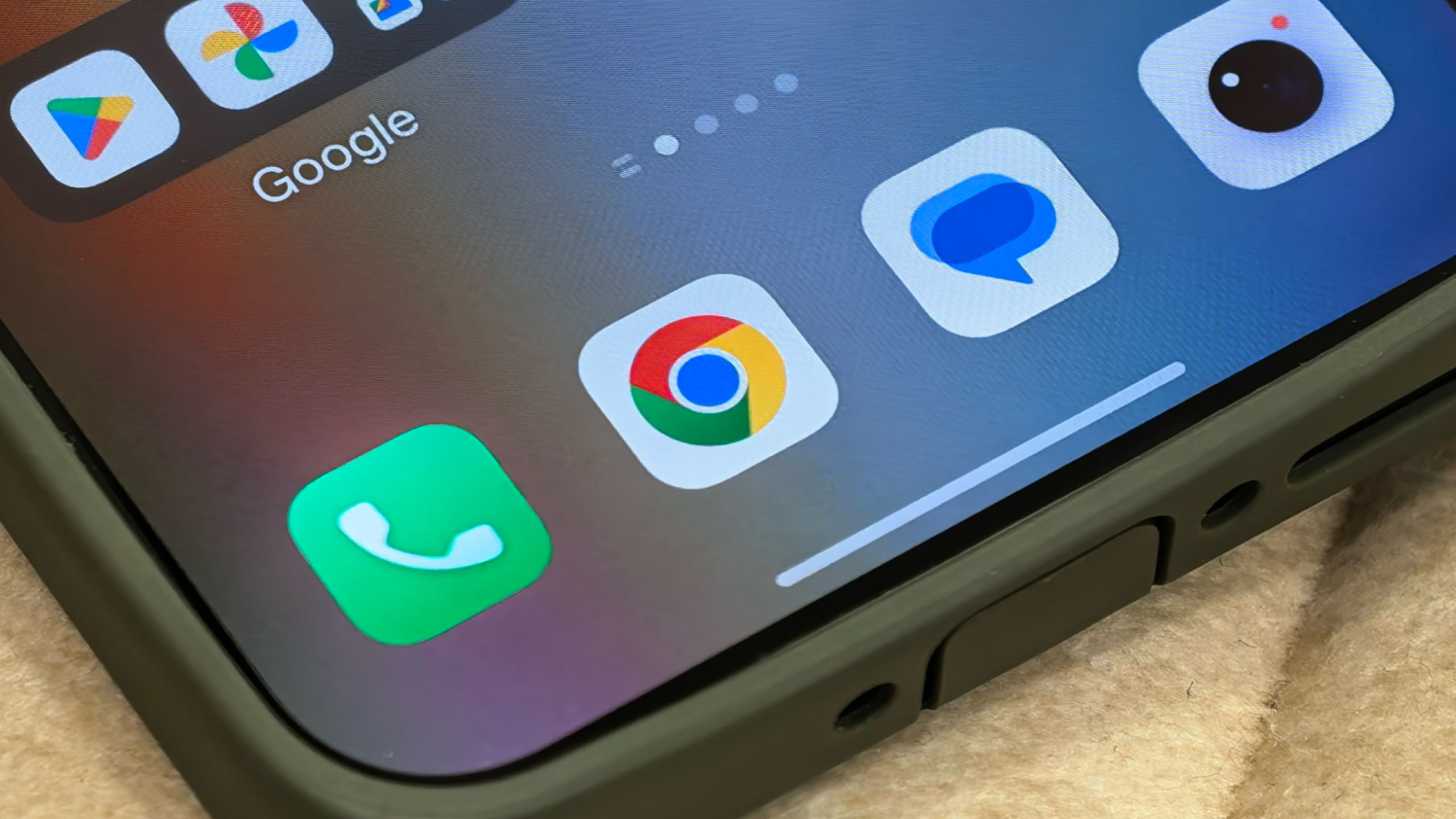
What looks like a one-company success story is in fact a browser market shift: regulatory change has created the first genuinely competitive mobile browser landscape in years. Chrome may still come preinstalled on almost every Android phone, but more users are switching to or at least trying third-party browsers, including Opera, instead. On iOS, the DMA-fueled ballot screen has opened a path past Safari, and user data now shows that path is being used, not ignored. This surge highlights how regulation, paired with meaningful features like unlimited VPN, browser AI, and better cross-device sync, can change behavior even in mature markets. The lesson for incumbents is uncomfortable: default status is weaker than many assumed when alternatives are visible and compelling. For smaller players, it is a rare window where product quality can compete with platform power—and Opera is proving that window is wide enough to matter.
Why Opera’s rise matters beyond one brand
Opera’s accelerating mobile browser growth is a signal that users are no longer willing to accept the limits of Chrome’s Android dominance and Safari’s iOS monopoly when better options are easy to install. In the US, Opera One for iOS grew 50% and Opera One for Android 30%; in the UK, iOS growth reached 93% with Android at 50% year over year. These are not the numbers of a fringe alternative. They show a shift toward mobile browser alternatives driven by preferences for privacy, integrated AI, and smoother cross-device experiences. For ordinary users, that means the mobile web is becoming less homogenous and more responsive to their needs. For regulators, it is a proof point that structural rules can unlock real competition without dictating winners. The conclusion is clear: the browser market is changing, and the next phase of mobile innovation will belong to products that earn their place on the home screen instead of inheriting it.