
A Historic Shift: Google Play Becomes a Marketplace of Marketplaces
Google’s new policy allowing third-party app stores to be discovered and downloaded directly inside the Google Play Store, while still using Play’s download and security infrastructure, is a landmark change in how Android apps are distributed and found by users.
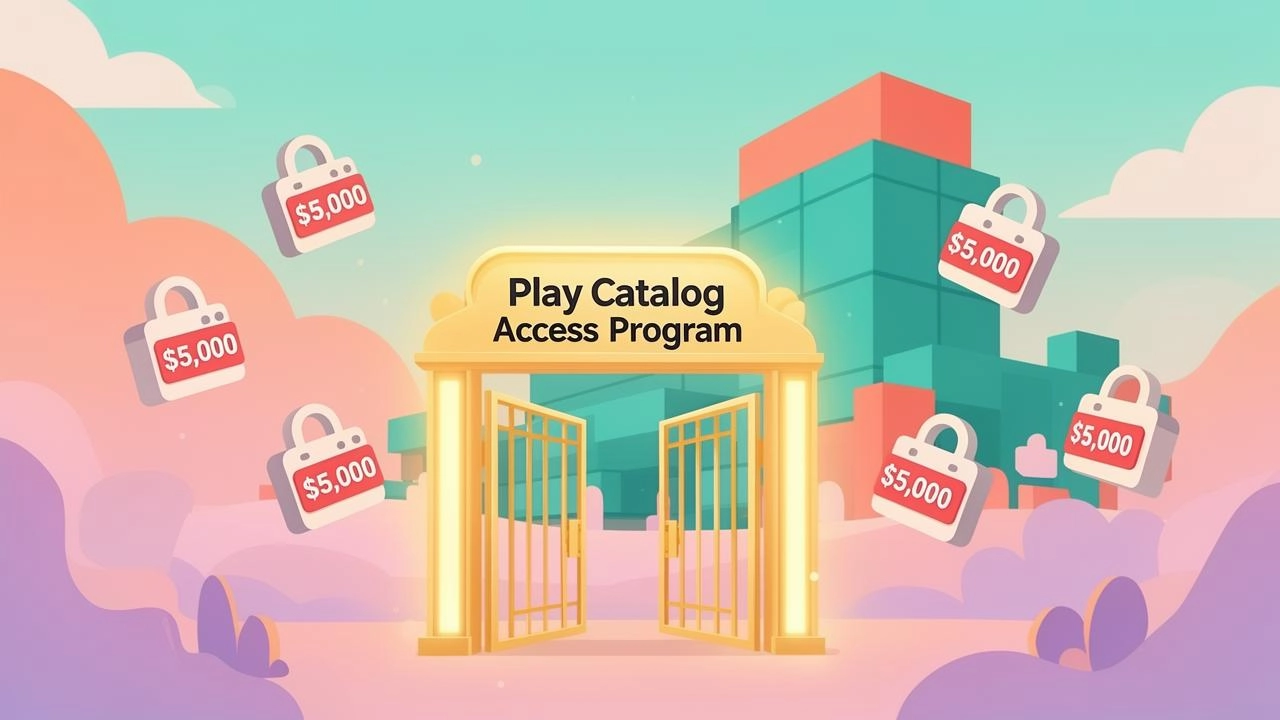
From July 22, third-party Android app stores in the United States will be allowed to operate far more closely with Google Play through the Play Catalog Access Program. These alternative app stores will no longer need users to go through the awkward process of sideloading, with its warnings and manual file installs. Instead, they can surface Google’s own app catalog—names, descriptions, screenshots, and more—while the actual downloads still run through Google Play’s systems. This is the first time Google has turned its walled garden into a shared garden, and it is happening not out of generosity, but because courts ruled the company held an illegal monopoly over Android app marketplaces and billing.
Why This Is Happening: Epic, Antitrust, and Forced Openness
This is not Google voluntarily embracing openness; it is Google complying with a court order after losing a major antitrust case brought by Epic Games. A jury found that Google unlawfully maintained a monopoly over Android app marketplaces and billing systems, and a US federal court issued an injunction forcing the company to loosen its control. According to the court, Google’s tight grip over discovery, downloads, and payments gave it an unfair advantage over rival stores and developers.
At one point, Google and Epic floated a softer compromise that would have created a “Registered App Stores” scheme, easing sideloading but still keeping rivals outside the Play Store interface. That plan has been abandoned in favor of the far bolder Play Catalog Access Program, which brings these third-party app stores directly into Google Play’s interface and infrastructure. Google now says it wants to deliver “greater app store choice, lower prices, and more opportunities for developers and users,” but it is clear that legal and regulatory pressure forced its hand.
What Ordinary Users Will Notice: More Choice, Less Friction
For everyday Android users in the United States, the biggest change is psychological: third-party app stores move from the margins into the mainstream. Instead of downloading an APK from a website and overriding security warnings, you will be able to install alternative app stores directly through Google Play like any other app. The new framework means those stores can offer apps from Google’s vast catalog, while the downloads still run through Play’s familiar infrastructure and benefit from Play Protect security scanning.
In practical terms, this means more ways to discover apps, potentially with different rankings, recommendations, or editorial choices than Google’s own store. It also means fewer excuses to stick with the default. However, this is not an overnight global revolution. The program is explicitly limited to the US, and participating stores are barred from using the Play catalog for users elsewhere. Users outside that market will see no immediate change and will still rely on the existing combination of Google Play and sideloading.
What It Means for Developers: More Doors, Same Gatekeeper
For developers, the shift is both opportunity and warning. On one hand, Google notified developers that their app listings will automatically appear in approved third-party app stores unless they opt out, giving them instant reach into new storefronts without extra integration work. This is especially meaningful for smaller studios, whose apps may gain visibility through niche or curated alternative app stores that highlight different titles than Google’s default rankings.
On the other hand, Google still controls the pipes. Downloads initiated in these third-party app stores are completed through Google Play under the same terms as direct Play Store downloads, including Google’s standard service fees. Third-party stores must pay an upfront service fee of USD 5,000 (approx. ₱280,000) for onboarding and an annual USD 5,000 (approx. ₱280,000) to maintain access to the Play catalog. While Google has already cut its commission on some purchases from 30 percent to 10 percent and allowed outside billing, the company is not surrendering its economic role in Android app distribution.
The Bigger Picture: Real Competition or a Controlled Experiment?
This change opens the door to more competition in Android app distribution, but it does not fling the door wide open. By integrating rival app stores while keeping downloads and fees under its control, Google both concedes and consolidates power. Alternative app stores gain visibility and legitimacy, yet they remain tethered to Google’s infrastructure, security rules, and economic terms.
The immediate effects are confined to the US, but regulators elsewhere have been watching Google’s control over Android for years, and this legal precedent could encourage similar demands in other markets. If this experiment leads to more user choice, lower prices, and viable new storefronts, pressure will grow to replicate it. If it turns out to be cosmetic—more icons, same gatekeeper—regulators are unlikely to be satisfied. For now, users should treat the arrival of third-party app stores inside Google Play as a welcome but incomplete victory for choice: a step toward a multi-store Android future that still has Google’s hands firmly on the steering wheel.